Komtfil is a leading air handling unit filter manufacturer providing a diverse product portfolio for your air recirculation systems with high quality, long service time, and affordable price.
Komtfil air handling unit filters, or air treatment unit (AHU) filters, offer a full range of products: first-stage filter, second-stage filter, and last-stage filter. The three-stage filter configuration is the most common filter setting in air handling units (AHUs). This allows the first-stage coarse filter to filter large particles, reducing the load on the subsequent second- and third-stage high-efficiency filters and extending their lifespan. This can reduce your filter replacement and maintenance costs.
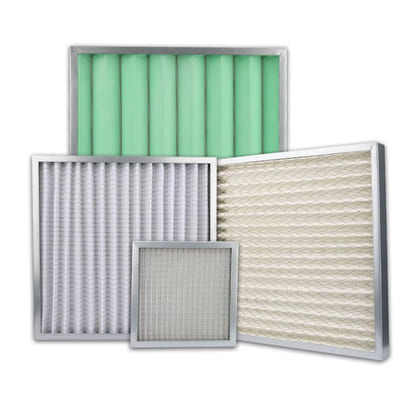
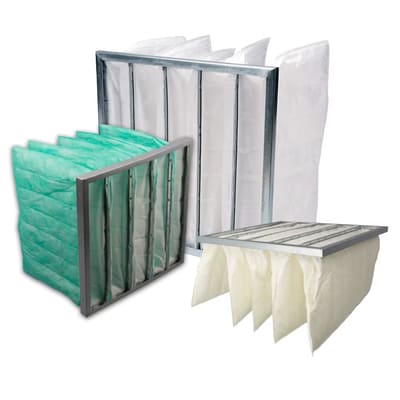
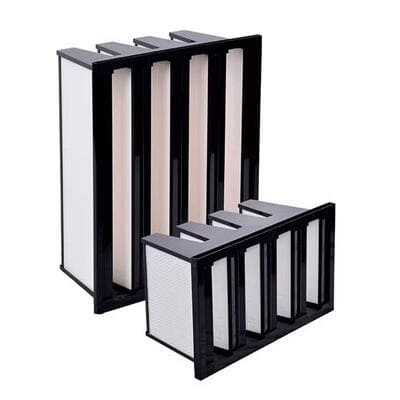
Komtfil air handling unit filter in the shape of panel filters, bag filters, or compact filters have excellent filtration efficiency, high dust-holding capacity, and low-pressure-drop due to their large filter area. These can optimise the airflow and reduce energy consumption.
We deeply value the diverse operating environments of filters and your individual needs. Komtfil can manufacture air handling unit filters in a variety of materials, sizes, frames, shapes, and efficiencies. Our products come in a variety of designs and are moisture- and temperature-resistant. They can maintain high efficiency even under harsh conditions.
The primary role of a filter in an AHU is twofold: protecting the internal HVAC components and purifying the air delivered to the building. By capturing particulate matter before it enters the ductwork, these filters prevent debris from coating sensitive cooling coils and blower motors.
Core Functions:
AHU filtration systems operate through a calculated balance of filtration efficiency and airflow management. When the system draws in return air, it forces it through carefully designed filter media.
Managing the pressure drop across the filter is essential. A high-quality filter captures maximum contaminants while allowing air to flow freely, ensuring the central AC system does not overwork.
While often used interchangeably in casual conversation, AHU filters, furnace filters, and AC filters serve distinct environments and scale requirements.
| Filter Type | Primary Application | Characteristics |
|---|---|---|
| AHU Filters | Commercial and industrial ventilation systems | Heavy-duty, multi-stage configurations (e.g., pre-filters combined with bag filters or HEPA). Designed for high-volume airflow and strict ASHRAE standards. |
| Furnace Filters | Residential heating systems | Typically standard pleated filters or basic fiberglass filters. Focused on protecting the furnace blower from large dust particles. |
| AC Filters | Residential and light commercial cooling | Designed specifically to keep indoor cooling coils clean. Often prioritizes low pressure drop to maintain residential airflow. |
Choosing the right air handling unit filters depends entirely on your facility’s specific air quality goals and the design of your HVAC system. We provide a range of filtration solutions designed to capture everything from large debris to microscopic pathogens.
Komtfil panel filter has a pleated design with a cardboard or metal frame. This makes them lightweight and easy to install. Often used as pre-filters to protect more expensive secondary filters.
For commercial and industrial environments, bag filters (also known as pocket filters) are the standard for secondary filtration. These filters feature long, aerodynamic pockets that stay inflated during operation, providing a massive surface area for capturing fine particulate matter.
By folding the filter media into a series of “V” shapes, we significantly increase the surface area without increasing the overall dimensions of the frame. This design allows for higher dust-holding capacity and lower resistance to airflow compared to flat fiberglass filters. Built for high-velocity systems where space is limited but high efficiency is required.
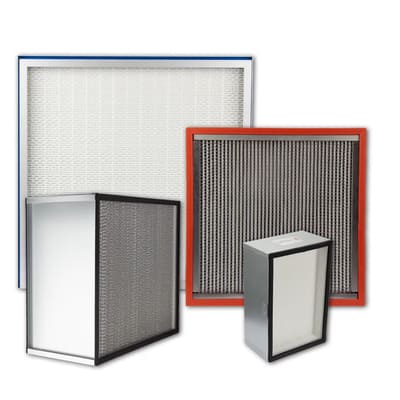
High-Efficiency Particulate Air filters are the gold standard, capable of removing 99.97% of particles as small as 0.3 microns. These are critical for cleanrooms and healthcare settings.
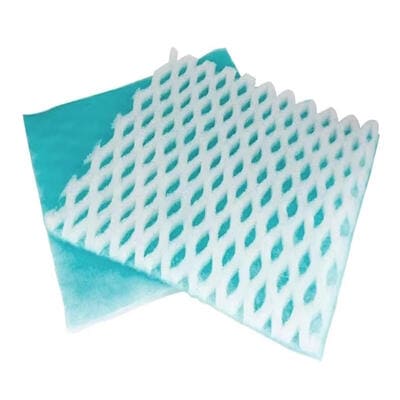
Komtfil media pads are made of fluffy synthetic or glass fibre, making them lightweight and cost-effective. They are ideal for pre-filtration in an AHU. We can cut it to size based on your specific needs.
Komtfil air handling unit filters go through multiple tests before we ship to you. Our product complies with various standards, including EN779, EN1822, ISO16890, ASHRAE, and UL900.
AHU filters usually consist of 3-stage filters. Komtifl can offer the entire portfolio to meet your project requirements.
Komtfil ahu filter's pleated design provides a larger filtration area, resulting in low pressure drop.
High-quality filter material and a sturdy ABS or metal frame allow Komtfil ahu filters to maintain high dimensional stability, ensuring stable efficiency even in harsh environments.
Komtfil's AHU filter features a large surface area and high dust-holding capacity, which can improve your AHU’s efficiency and save energy.
Komtfil air handling unit filters offer a variety of designs and excellent performance, capable of replacing many famous OEMs, including Camfil, AAF, Freudenberg, and Others. It can remove particulate matter, dust, and harmful airborne contaminants to protect your HVAC air handling units and improve indoor air quality.
Additionally, our ahu filters are designed to be compatible with each HVAC system, offering a long lifespan. That can reduce maintenance costs. Komtfil provides Bulk and Wholesale prices and services to all distributors and contractors. We can be your single source for replacement air handling unit filters.

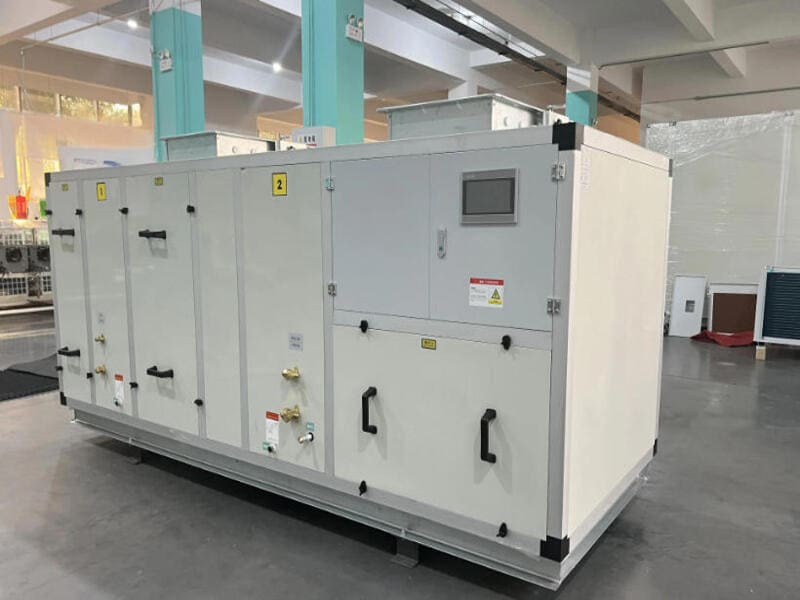
Komtfil air handling unit filters are made of glass fiber media, polyester, and polypropylene and come in various frames and gaskets. Durable and cost-effective, they can be used in a wide range of systems and environments, including air conditioning and ventilation systems (HVAC), exhaust air, make-up air intakes (MUAs), and recirculated air. They are also widely used in residential, commercial, and industrial settings to protect workers, equipment, and products.
Some product sizes include 20×20, 16×20, 12×12, and 24×24. Komtfil’s leading customization capabilities enable you to meet your filtration needs even in limited space.
Air handling unit filters typically have filtration efficiencies of F6, F7, F8, or F9 according to EN779. In the ASHARE system, AHU filter efficiencies range from MERV 8 to MERV 16. In specific environments, activated carbon AHU filters can also be used to remove some gas-phase pollutants.
If you have specific needs, please don’t hesitate to contact us for tailored solutions.
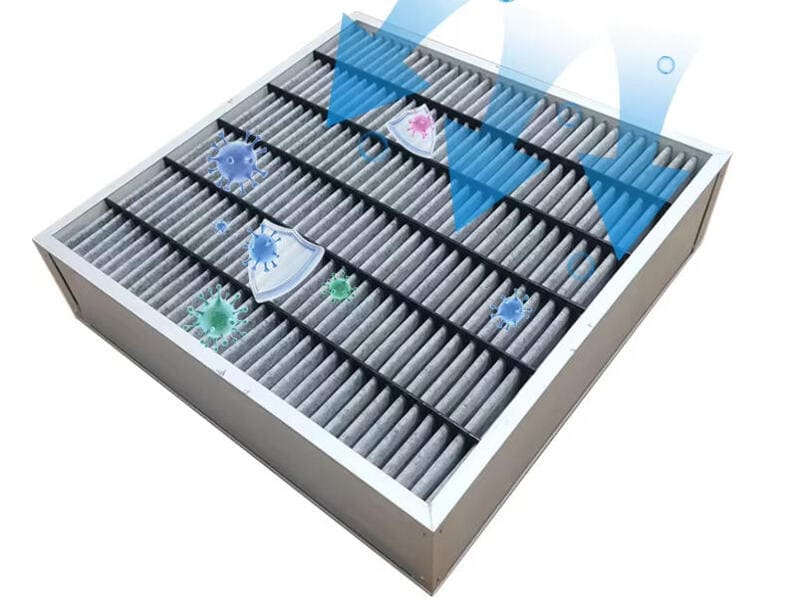
High-quality air handling unit filters serve as the primary defense against airborne contaminants in any building. By effectively capturing particulate matter, allergens, and pathogens, these filters ensure the air circulating through your ventilation system is safe to breathe. We prioritize high-efficiency media because it directly impacts the health of occupants by reducing respiratory triggers. While many rely on these for general cleanliness, understanding the air filter vs air purifier differences can help you decide if your AHU setup needs additional localized support for maximum air purification.
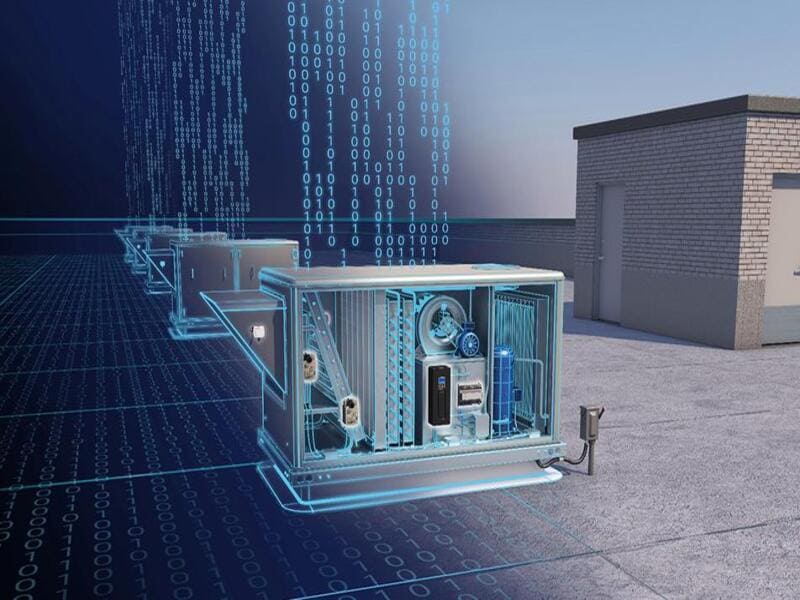
Dust and debris are the leading causes of mechanical failure in climate control systems. Our premium hvac filters act as a shield for internal ahu components, preventing buildup on sensitive parts.
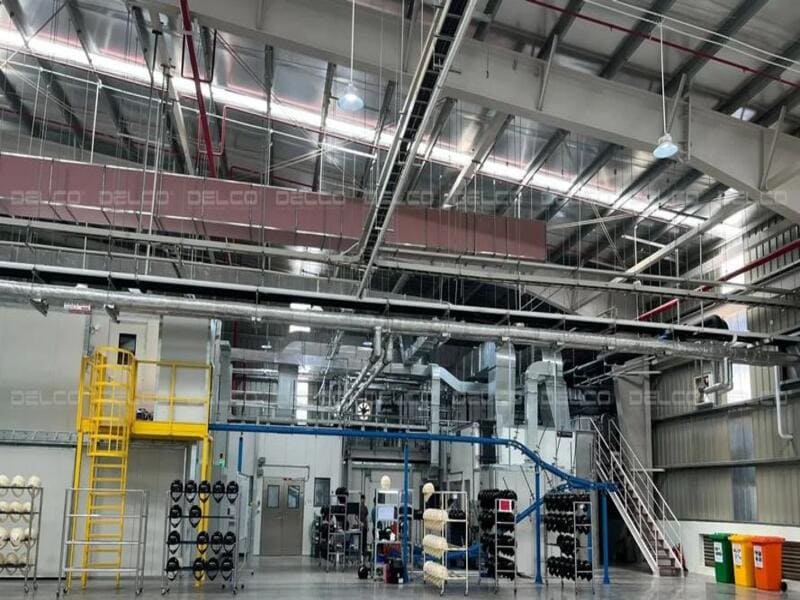
A common misconception is that all high-efficiency filters restrict airflow and raise costs. In reality, a well-designed filter provides superior filtration efficiency while maintaining a low pressure drop. When air moves freely through the system, the fans don’t have to work overtime, which directly lowers energy consumption.
| Benefit Category | Impact of High-Quality Filters |
|---|---|
| Energy Use | Optimized airflow leads to lower monthly utility bills. |
| System Longevity | Reduces wear and tear, delaying expensive system replacements. |
| Cleaning Costs | Keeps ductwork and interiors cleaner, reducing professional cleaning frequency. |
| Productivity | Better air quality leads to fewer sick days and higher occupant comfort. |
Investing in top-tier filtration is not just about clean air; it is a strategic move to protect your mechanical assets and keep operational overhead as low as possible.
Selecting the right air handling unit filters isn’t just about picking the highest rating; it’s about finding the sweet spot for your specific HVAC setup. As a manufacturer, we see many systems struggle because the filter doesn’t match the environment or the machine’s capacity.
Your choice depends entirely on what you are trying to keep out of your air. A standard office might only need to trap dust, while a food processing plant or a hospital requires much higher filtration efficiency.
Every filter creates a pressure drop. If you choose a filter with a high MERV rating that your fan isn’t designed to handle, you’ll choke the airflow. This forces the system to work harder, spiking energy costs and risking motor failure. We recommend checking your system’s static pressure limits before upgrading to a denser media.
| Environment Type | Recommended MERV | Primary Target |
|---|---|---|
| Storage/Warehouse | MERV 6-8 | Large particles, lint, debris |
| Commercial Offices | MERV 11-13 | Dust mites, fine dust, mold spores |
| Cleanrooms/Hospitals | MERV 14-16+ | Bacteria, microscopic allergens, virus carriers |
Always check your AHU manual for the maximum allowable pressure drop. We produce replacement filters designed to meet or exceed OEM specifications for all major ventilation brands. Ensure the filter depth matches your tracks perfectly; a loose fit allows “bypass,” where unfiltered air leaks around the edges, defeating the purpose of the filtration system. Working with the best air filter manufacturers ensures you get a product that fits your frame and handles the required air volume without buckling under pressure.
Under normal circumstances, the first-stage filter needs to be replaced about every 3 months, and the second/third-stage filters can be replaced in 3-6 months.
If AHU filters are not replaced on time, they will become clogged with various dust particles, losing their previous filtration efficiency and becoming inoperable. This will significantly increase system resistance and energy costs. More importantly, some particles can pass through the filters and enter the AHU, damaging critical components and contaminating the indoor air, creating further potential risks.
MERV (Minimum Efficiency Reporting Value) is a rating system used by the American Society of Heating, Refrigerating, and Air-Conditioning Engineers (ASHRAE) to rank air filter efficiency. It has 20 ratings, ranging from 1 to 20. The higher the rating, the more efficient the AHU filter. It also applies to air filters in other applications, such as HVAC and furnaces.
This usually depends on your surrounding environment and the system's air volume, wind speed and other parameters. As a professional air handling unit filters manufacturer, we can give you expert advice.
Yes, the function of the filter is to remove dust, pollen, particles, and unwanted debris to protect the core components of the air handlers and keep the air clean and healthy.