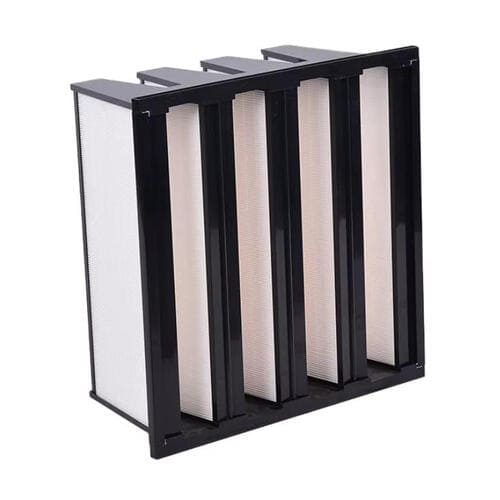
Komtfil gas turbine filters are of robust construction with a high filtration level, which can bring clean inlet air to your turbomachinery, allowing it to reach its peak performance.
Komtfil is a leading gas turbine air intake filter manufacturer that offers a full line of intake filters for gas turbines. With best-in-class quality and burst strength, our turbomachinery filters perform optimally in both static and pulse conditions under the harshest environments. They can remove dust, airborne particles, and other contaminants from the air, providing necessary protection to your gas turbine and compressors. You can benefit from low fuel usage, high output power, and extended Gas Turbine life by using our gas turbine inlet air filters.
As a professional gas turbine air filter manufacturer, we understand that the quality of intake air is crucial for gas turbines, as it helps prevent fouling, corrosion, and erosion in your systems. We design and manufacture turbine air filters with low pressure drop and long service life to enhance your overall air inlet filtration system, thereby maximizing your turbine performance while minimizing total cost.
Atmospheric air carries an array of particulate contaminants, ranging from microscopic dust and sand to salt crystals and industrial soot. Without high-efficiency gas turbine filters, these contaminants enter the compressor and turbine stages, causing severe internal degradation. Premium multi-stage filtration systems act as the frontline defense, safeguarding critical components, maintaining optimal air quality, and preventing catastrophic engine failures.
When airborne debris bypasses inferior air inlet systems, it adheres to the compressor blades. This accumulation leads to compressor fouling, which alters aerodynamic properties and restricts airflow.
Environmental moisture introduces unique threats, particularly in coastal or humid environments. Liquid water, brine, and high humidity carry dissolved salts that trigger accelerated corrosion prevention challenges.
| Threat Factor | Mechanism | Operational Impact |
|---|---|---|
| Water Ingress | Moisture carries dissolved ambient salts into the machinery. | Ruptures oil films, degrades lubrication oil purity, and causes chemical pitting. |
| Corrosion | Salt reacts with high-temperature turbine alloys. | Promotes hot corrosion, leading to structural weakness and premature component failure. |
By integrating high-velocity coalescers and moisture-resistant static panel filters, operators can successfully trap liquid droplets and dry salt particles. This multi-stage approach ensures complete compressor protection and isolates the combustion chamber from corrosive elements.
When designing an intake system, selecting the right mix of gas turbine filters directly impacts your engine’s lifespan and output. Different environments require different structural designs to handle dust, moisture, and debris effectively.
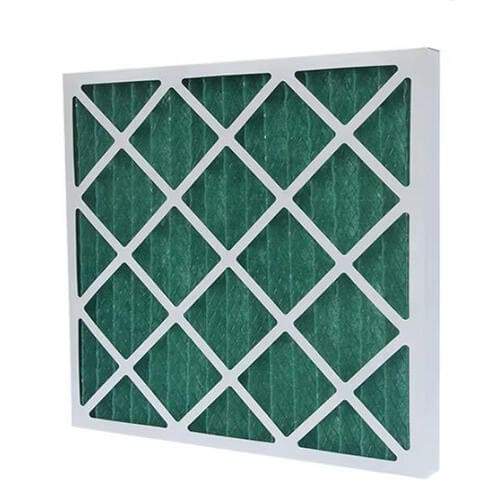
These utilize pleated media to capture large particulate contaminants before they reach higher-efficiency stages. They are inexpensive, easy to replace, and protect down-stream filters from premature loading.
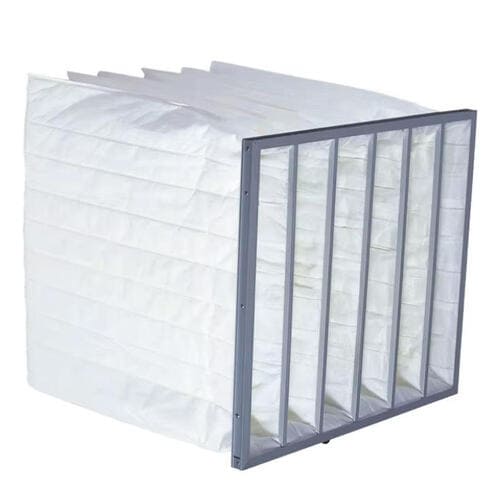
Built with deep synthetic pockets, these filters offer a high dust-holding capacity and a low clean pressure drop. They excel in capturing standard atmospheric dust without restricting airflow.
Our compact and cassette filters are heavy-duty, mini-pleat V-bank cells designed for high-velocity systems where space is limited.
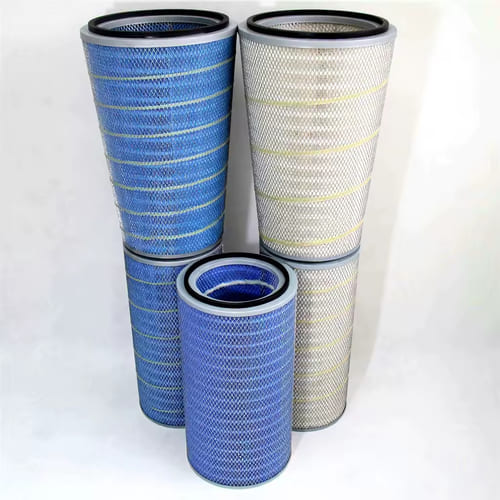
For environments prone to heavy dust storms, desert sand, or high ambient dust loads, pulse-jet cartridge systems are the industry standard.

When it comes to safeguarding heavy-duty turbomachinery, relying on guesswork isn’t an option. We classify our gas turbine filters using rigorous international standards like ISO 16890 and EN 1822 to ensure predictable particulate contaminants capture.
Filter efficiency ratings dictate how well an intake air system stops everything from coarse sand to sub-micron ambient dust. For standard industrial settings, fine dust filters (e.g., ePM1 or ePM2.5) keep the compressor blades clean. In harsher environment setups or coastal regions, upgrading to true HEPA filtration stages prevents the tiniest sub-micron salts from entering the combustion chamber. Much like high-performance air handling unit filters, these systems must maintain strict structural integrity under massive airflow volumes to prevent catastrophic engine bypass.

Standard air filter ratings don’t fully cover the unique operational pressures of a rotating gas turbine. That is why we evaluate system performance against specialized ISO T-ratings (ISO 29461-1).
| ISO T-Rating Class | Primary Focus Area | Typical Application |
|---|---|---|
| T1 – T4 (Coarse) | Large particulate extraction | Prefiltration stage / Desert areas |
| T5 – T7 (Fine) | Sub-micron dust capturing | Standard industrial / Inland power plants |
| T8 – T9 (EPA/HEPA) | Ultra-fine salt & smoke removal | Coastal / High-humidity environments |
These specific classifications give operators a clear benchmark for how a filter manages pressure drop growth, mass loading capacity, and stable efficiency over thousands of operating hours.
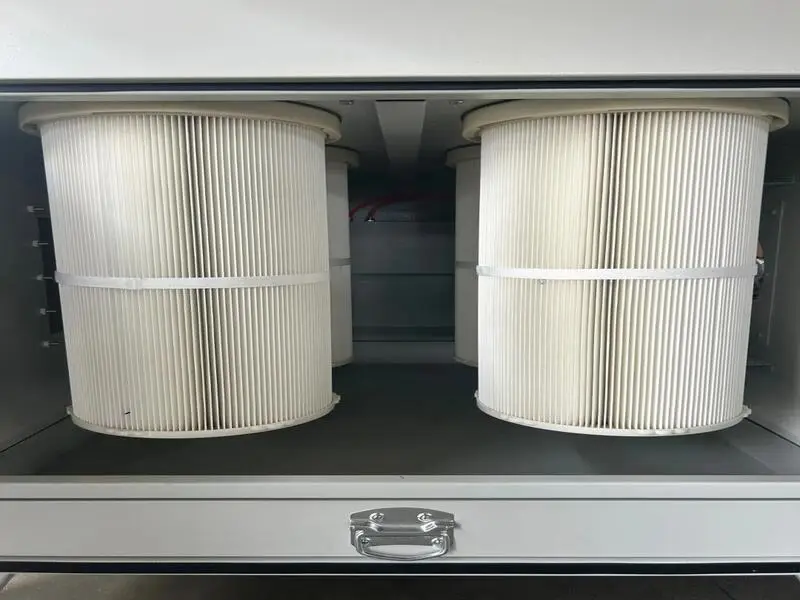
Air quality isn’t just about dry dust; moisture management is a critical pillar of compressor protection.
No single filter can handle every environmental challenge. That is why we design multi-stage filtration systems. By combining different filter types, we capture larger particulate contaminants early on, allowing high-efficiency stages to focus on sub-micron particles. This smart layering extends the lifespan of your core filters and keeps your turbomachinery running at peak performance. For a broader look at heavy-duty air protection, you can explore our complete range of industrial air filters.
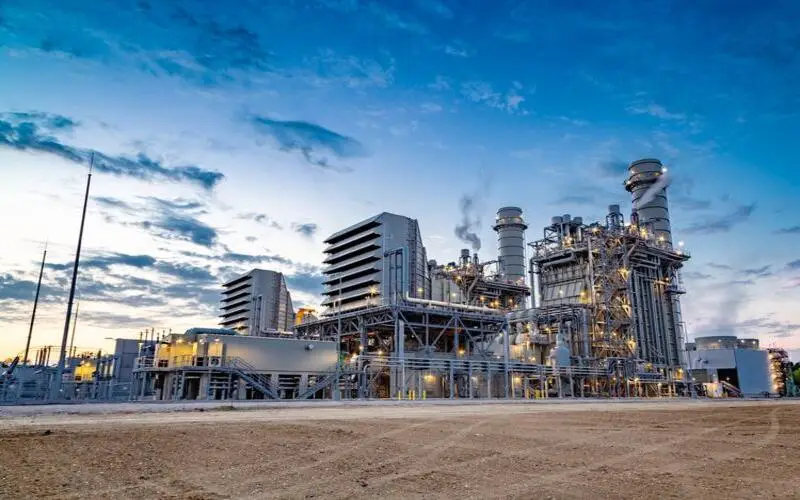
Base-load power plants need continuous, reliable output. Airborne dust and contaminants cause fouling, which quickly degrades turbine efficiency. We implement multi-stage systems here to maintain consistent mass flow and prevent costly, unscheduled wash downs.
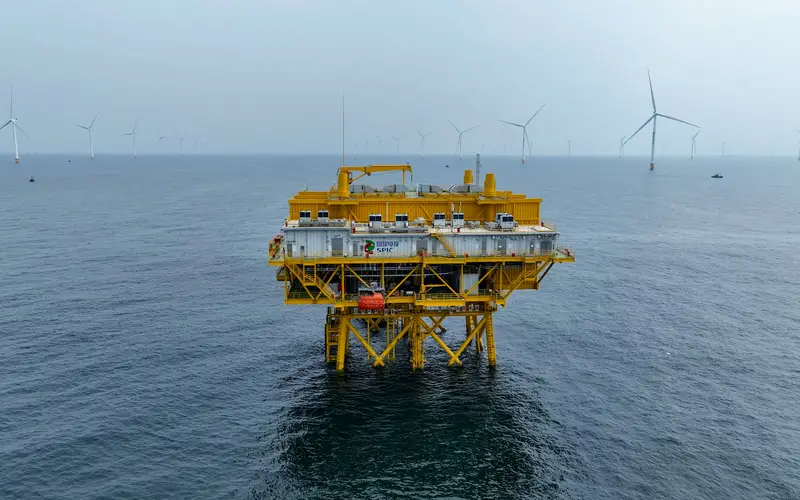
Offshore platforms and coastal refineries face some of the harshest environments on earth. Salt spray, high humidity, and corrosive gasses will destroy turbine blades if left unchecked.
Remote pipeline compressor stations often battle unpredictable weather, from desert dust storms to heavy snow. These unmanned sites require predictable, low-maintenance gas turbine filters that can handle high dust loads without spiking the pressure drop.
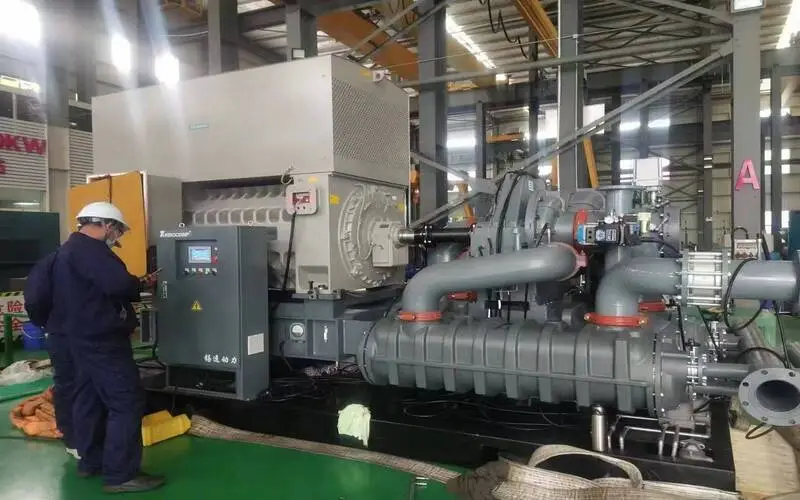
Every power plant and industrial site faces a unique environment. A coastal facility battles high salt and moisture, while a desert installation deals with heavy dust loads. As a manufacturer of gas turbine filters, we know that choosing the right system starts with analyzing your local air quality.
If your intake air carries sticky hydrocarbons or high moisture, standard filters will plug up fast. Matching your specific environmental threats to the right filter setup prevents unscheduled shutdowns and keeps your turbomachinery running at peak efficiency.
To get the most out of your investment, you need to look closely at filter specifications. The right combination of pressure drop, efficiency rating, and dust holding capacity determines your overall performance.
Here is a quick breakdown of how these key properties impact your operation:
| Filter Property | Impact on Gas Turbine Performance | What to Look For |
|---|---|---|
| Initial Pressure Drop | Lower initial resistance means more immediate power output. | Low restrictive designs that save fuel. |
| Efficiency Rating | Higher ratings (like HEPA) block fine particulate contaminants. | E10 to H13 classes for maximum compressor protection. |
| Dust Holding Capacity | Determines how long the filter lasts before needing a replacement. | High-capacity pocket filters or matrix designs. |
| Burst Pressure | Ensures the filter won’t collapse under extreme weather or high loads. | Robust structural frames and high wet-burst strength. |
Upfront cost is only a small fraction of your total expenditure. Cheap filters often result in a high pressure drop, frequent change-outs, and accelerated compressor fouling. High-efficiency multi-stage filtration systems cost more initially, but they deliver a massive return on investment by maintaining stable power output and cutting fuel consumption.
When balancing your budget, consider these three cost factors:
Investing in premium pulse cleaning cartridges or high-capacity compact filters stabilizes your operating resistance and extends the lifespan of your heavy machinery.
There are some leading manufacturers in the world. They are Komtfil, AAF, Camfil, Donaldson, and Freudenberg.
Our gas turbine filter's efficiency covers all your needs from MERV 11 to 16. We can also make a HEPA type. Just let us know your needs, and we will get it done.
Please send your inquiries to us, and our expert will talk to you with the best price.