
Komtfil air purifier filter can effectively remove smoke, odour, smells, and pollen from the air, empowering your air purifier to get you fresh and healthy air.
Superior indoor air quality relies on a engineered, multi-stage filtration system. As a dedicated Air Purifier Filter manufacturer, we build integrated filtration solutions designed to tackle pollutants at every level—from coarse physical debris to invisible chemical vapors and microscopic toxins.
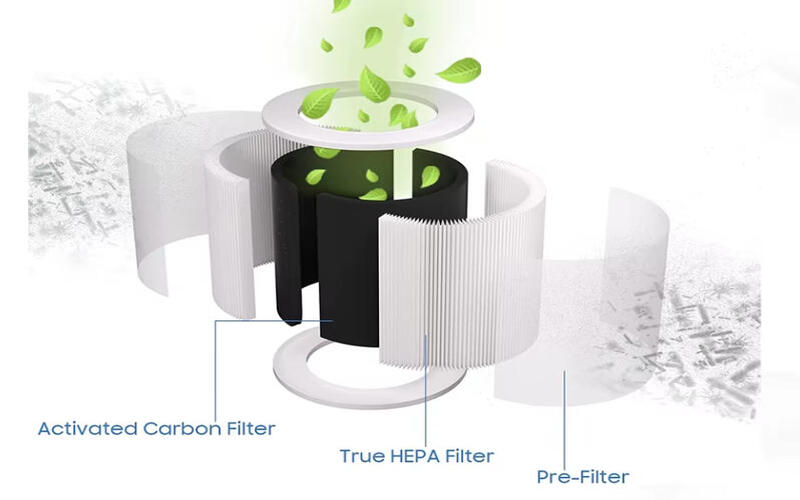
The pre-filter serves as the crucial first line of defense in any modern air purifier system. By trapping physical pollutants before they reach delicate inner layers, it optimizes total airflow and protects downstream components.
High-Efficiency Particulate Air (True HEPA) media provides critical protection against microscopic health hazards. Premium H13 HEPA filters remove up to 99.97% of airborne particles as small as 0.3 microns.
| Contaminant Category | Target Pollutants | Performance Impact |
|---|---|---|
| Allergens | Pollen, pet dander, dust mite debris | Essential allergen removal for sensitive individuals |
| Pathogens & Fine PM | Mold spores, fine dust (PM2.5), bacteria | Traps hazardous particles deeply suspended in indoor air |
While mechanical filters capture solid particles, gaseous pollutants require chemical adsorption. High-grade activated carbon filters utilize microporous carbon beds to trap vapor molecules on a molecular level.
Choosing the right replacement filter keeps your machine running efficiently and guarantees cleaner indoor air. As an air purifier filter manufacturer, we engineer different filter media to target specific air quality challenges in your home.
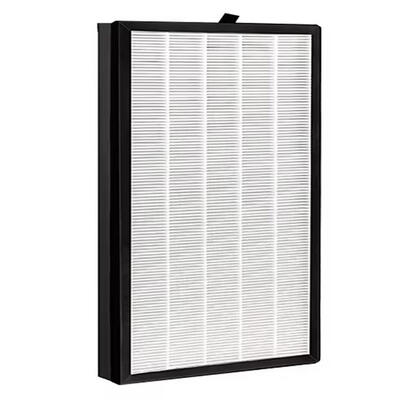
Not all filters deliver the same level of protection. Understanding the distinction between certified standards and generic marketing terms is essential for effective filtration:
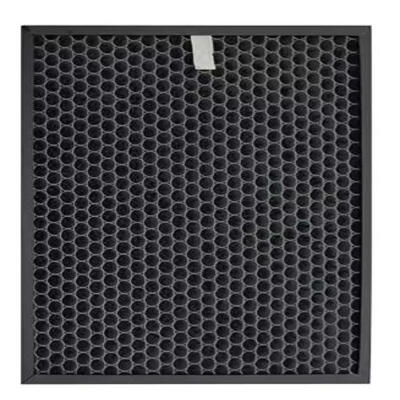
While HEPA filters handle solids, activated carbon is essential for neutralizing gaseous pollutants. This layer utilizes a process called adsorption to trap molecules within a porous carbon lattice, providing effective smoke removal and eliminating persistent cooking odors. It is your primary defense against household VOCs (Volatile Organic Compounds) and chemical vapors.
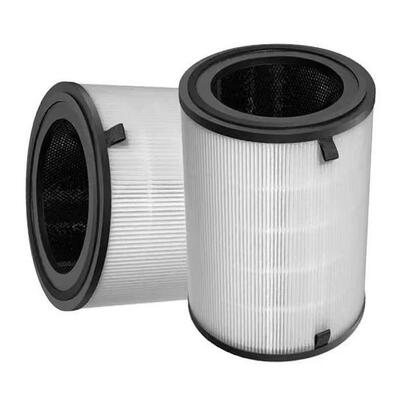
Modern replacement parts often utilize an integrated 3-in-1 design. This system combines the pre-filter, True HEPA, and activated carbon into a single, sealed unit.
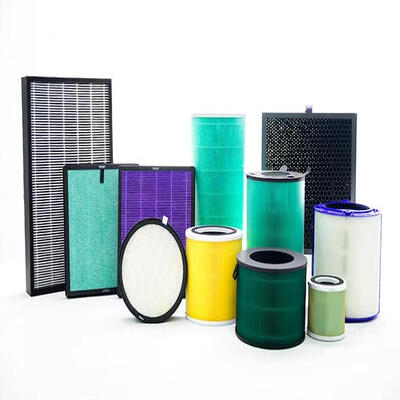
With a BPA-free plastic frame, advanced filtration, Komtfil is your ideal air purifier replacement filter supplier.
Choosing the right replacement filter for your unit usually comes down to two choices: buying directly from the original brand (OEM) or selecting a high-quality generic compatible replacement filter. As a direct air purifier filter manufacturer, we build solutions that deliver optimal indoor air quality without forcing you to overpay for a brand logo.
Original OEM filters are made directly by the air purifier brand. They offer exact factory dimensions and guaranteed material specs.
| Brand | Popular Series | Filter Type |
|---|---|---|
| Dyson | Pure Cool, Pure Hot+Cool | Combi HEPA & Carbon |
| Blueair | Blue Pure, Classic, HealthProtect | Particle + Gas Shield |
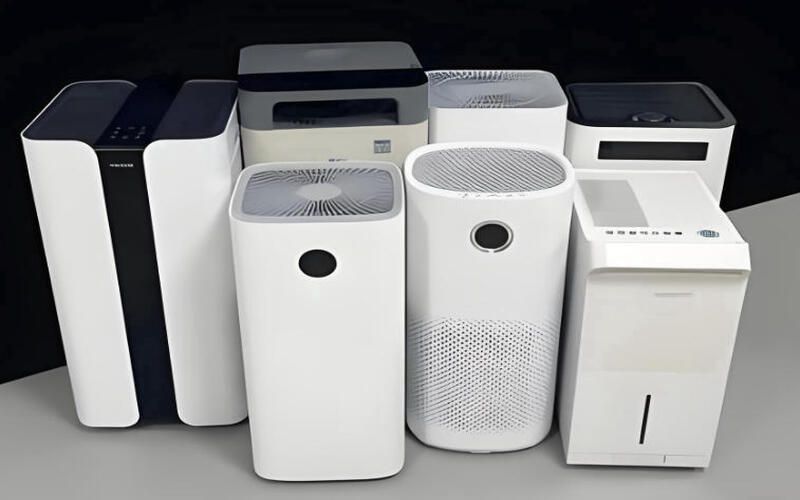
Generic replacement filters provide the same level of allergen removal and smoke reduction while saving you significant money—especially when buying multi-packs.
| Feature | OEM Filters | Quality Generic Filters |
|---|---|---|
| Cost | Premium Pricing | Budget-Friendly |
| Filtration Efficiency | Standard Factory Grade | Equal (H13 HEPA Grade) |
| Fit & Seal | Perfect | Precision Engineered |
| Best For | Maintenance Under Warranty | Long-Term Cost Savings |
To make sure you get a reliable aftermarket replacement filter that fits properly, follow these simple checks:
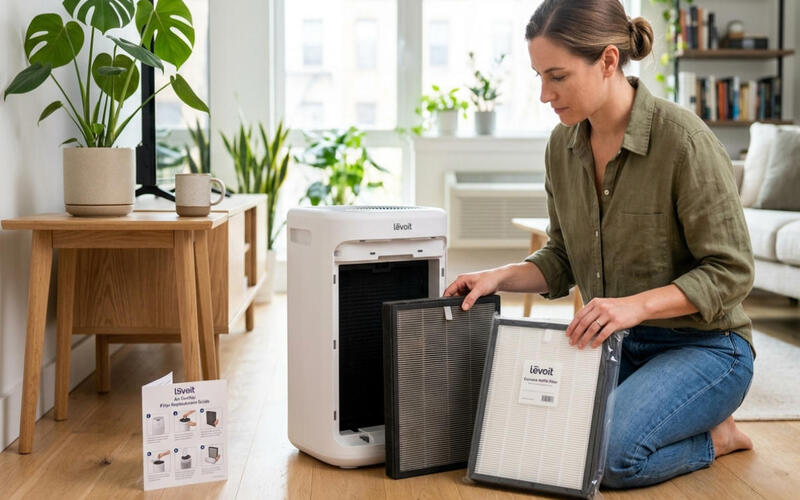
As an air purifier filter manufacturer, we know that swapping out your replacement filter at the right time is essential for maintaining high indoor air quality. Running an oversaturated filter restricts airflow, strains your machine’s motor, and prevents effective allergen removal.
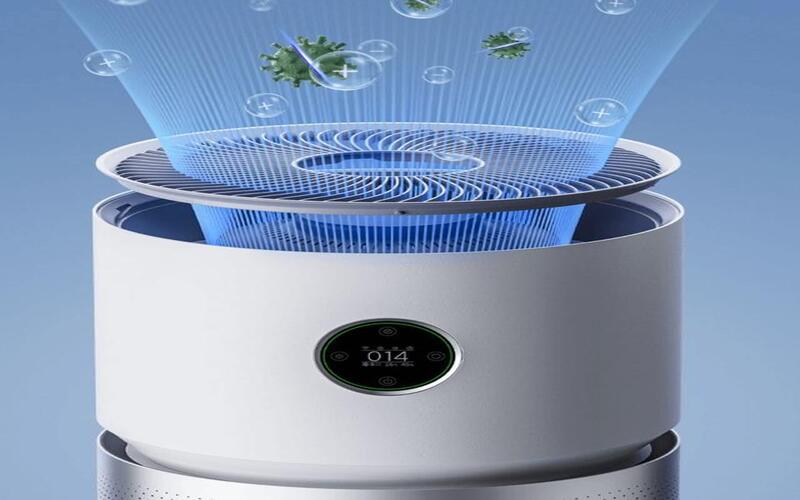
Watch for these clear warning signs that your filter has reached capacity:
Different filter materials wear out at different rates. Understanding how often to change your air purifier filter based on its specific layer ensures your system always operates at peak efficiency.
| Filter Type | Typical Lifespan | Primary Function |
|---|---|---|
| Pre-Filter | 6 – 12 months (wash/vacuum monthly) | Traps large dust, lint, and pet hair |
| Activated Carbon | 3 – 6 months | Absorbs VOCs, smoke, and odors |
| True HEPA (H13) | 6 – 12 months | Captures 99.97% of fine pollutants and pet dander |
Your environment directly dictates your filter replacement frequency:
Proper maintenance ensures your unit continues to capture airborne particles efficiently while keeping your indoor air quality at its best. Replacing your air purifier filter on schedule protects the motor from strain and guarantees clean airflow throughout your space.
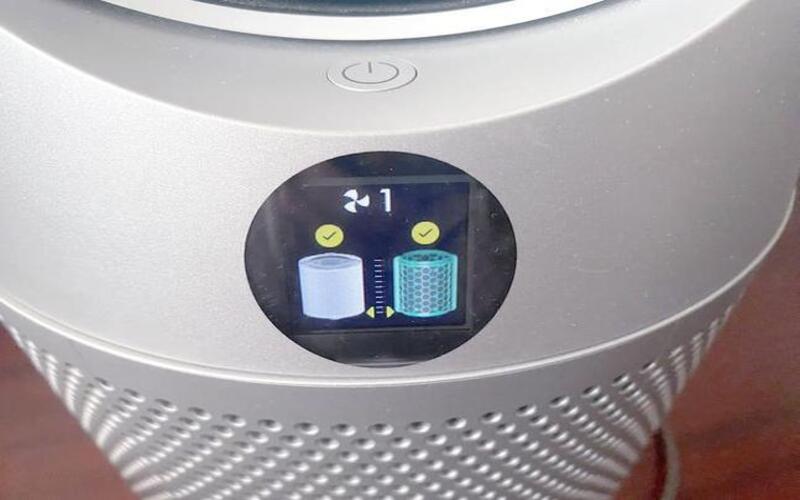
Swapping out an old unit for a fresh replacement filter takes only a few minutes when following these simple steps:
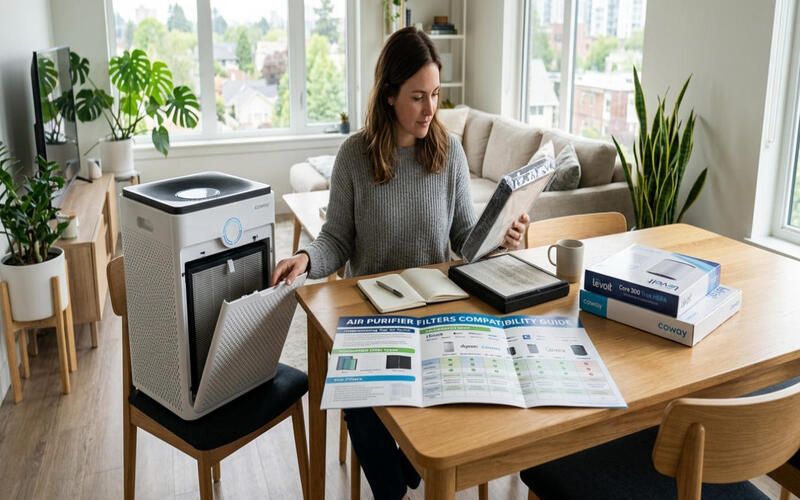
Installing a new filter is only part of the process—you also need to reset the system timer so the machine tracks filter lifespan accurately.
For most units, press and hold the “Filter Reset” or “Power” button for 3 to 5 seconds until the unit beeps or the warning light turns off. If you are servicing specific branded units, check our detailed guide on how to reset Blueair filter light models for exact button combinations and steps.
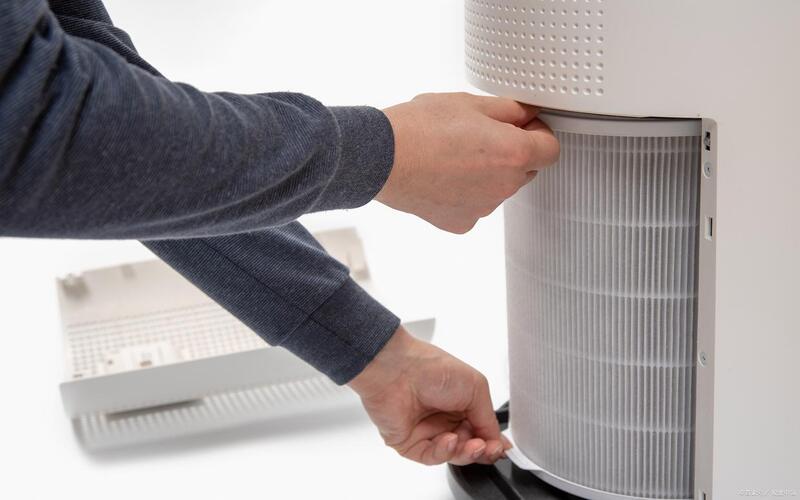
While cleaning filters sounds cost-effective, water can permanently destroy the delicate media of high-efficiency filters:
Before trying to clean any part of your filtration system, learn whether you can clean air purifier filters safely without destroying their ability to capture fine pollutants.
Finding the correct replacement filter keeps your unit running at peak efficiency and protects your indoor air quality. As a direct air purifier filter manufacturer, we design precision-fit filters that match original factory specifications without the high markups.
Never buy based on visual estimation. Always check the exact model number printed on the sticker at the bottom or back of your air purifier.
We manufacture direct replacement filter options for leading industry units:
| Brand & Model | Recommended Filter Type | Target Contaminants |
|---|---|---|
| Levoit Core 300 | Cylindrical H13 HEPA + Carbon | Fine Dust, Pollen, Pet Dander |
| Coway Airmega | Dual-Sided True HEPA Sets | Airborne Particles, Smoke |
| Honeywell Replacement | HRF-R Series / HRF-A Carbon | Dust Particles, Household Odors |
| Medify Air | High-Capacity H13 HEPA | Bacteria, Mold, Microscopic Toxins |
Match your replacement filter media directly to your home environment. Understanding the micron rating for air filters ensures you choose media capable of trapping microscopic particles down to 0.3 microns with 99.97% efficiency.
Choosing between a single replacement filter or a multi-pack bundle comes down to overall value and maintenance convenience:
The most reliable way is to look for the model number printed on the bottom or back of your device. You can also find the specific part number on the frame of your old air purifier filters. Since even a small gap can let dirty air bypass the system, I always recommend double-checking the dimensions (length, width, and thickness) against our product specifications before you buy.
In most cases, no. True HEPA filters are designed to trap microscopic particles deep within their fibers. Vacuuming or washing them usually damages these fibers or clogs the pores, significantly dropping your air-cleaning performance. If you want to know more about the risks of DIY cleaning, you can read our detailed breakdown on whether you can clean air purifier filters without ruining them.
Yes, they are highly effective for this. True HEPA technology is rated to capture 99.97% of particles as small as 0.3 microns. This includes:
The difference lies in the certification and efficiency. True HEPA is a strict industry standard that guarantees a specific level of filtration for indoor air quality. Terms like “HEPAtech,” “HEPA-type,” or “HEPA-like” generally refer to filters that look similar but don’t meet the rigorous 99.97% efficiency requirement. For the best results in removing household allergens, I always suggest sticking with True HEPA replacement filters.