Learn how to clean air filter step-by-step for HVAC car and purifier with safe easy tips to improve air quality and save energy costs.
Understanding Air Filters Types and When to Clean Not Replace
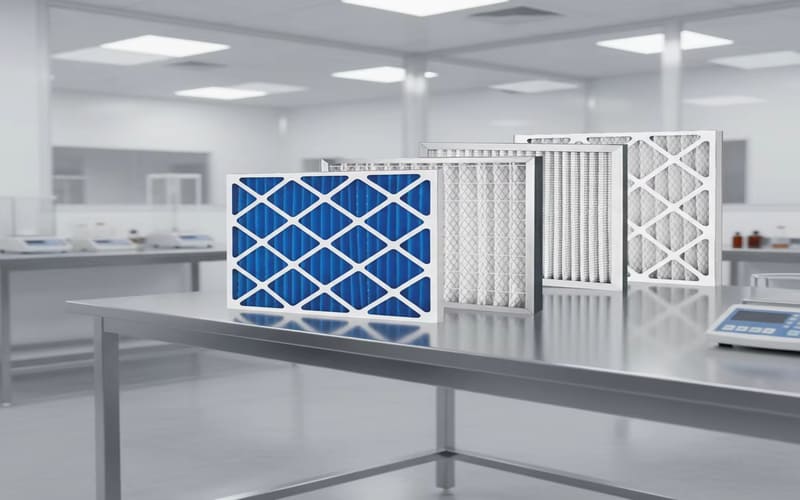
Air filters come in various types, each designed to trap dirt, dust, and allergens to improve air quality. Knowing when to clean versus replace your air filter can save you money and keep your system running efficiently.
Common Types of Air Filters You Can Clean
- Washable HVAC filters: Made from durable materials like metal or synthetic fibers, these filters can be rinsed and reused multiple times.
- Oiled foam air filters: Often used in automotive or outdoor equipment, these can be cleaned with special solutions and reoiled.
- Reusable air filters: Found in some home HVAC systems, designed for periodic cleaning instead of regular replacement.
When to Clean Instead of Replace
- If your filter is labeled washable or reusable, regular cleaning is usually enough.
- When dust buildup is visible but the filter material isn’t damaged.
- If performance drops (like reduced airflow) but the filter structure is intact.
When to Replace Instead of Clean
- Disposable filters designed for single use, such as many HVAC fiberglass or paper filters.
- HEPA filters that are heavily clogged or show signs of wear.
- Filters with persistent odors or mold growth.
Understanding your filter type is the first step towards effective maintenance and improving indoor air quality. This knowledge helps prevent unnecessary replacements while ensuring your system stays healthy and efficient. Ready to gather your supplies? Let’s dive into the next step!
Gathering Your Supplies: What You’ll Need for a Hassle Free Clean
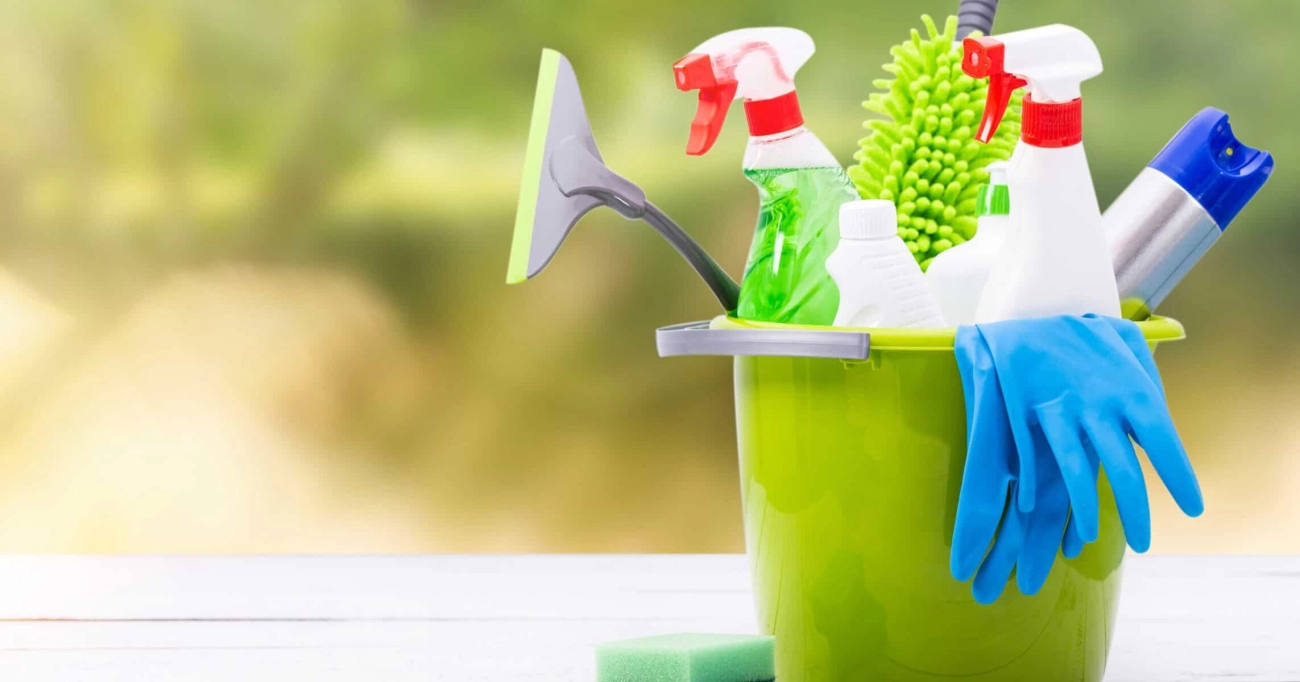
Before you start cleaning your air filter, it’s important to have everything ready. This saves time and makes the process smooth. Here’s what you’ll need for most washable HVAC filters, car cabin filters, and even air purifier filters:
- Soft brush or vacuum cleaner with a brush attachment – Great for removing loose dust without damaging the filter.
- Mild detergent or dish soap – Helps break down dirt without harsh chemicals.
- Water source – A sink, hose, or bucket with warm water works well for rinsing washable air filters.
- Spray bottle with vinegar solution (optional) – Useful for soaking and disinfecting filters, especially reusable ones.
- Clean cloth or microfiber towel – Handy for patting the filter dry after washing.
- Rubber gloves – Protect your hands if you use cleaning solutions or vinegar.
- Replacement oil (if applicable) – For oiled foam air filters, you’ll need filter oil to restore proper function after cleaning.
Having these supplies ready makes cleaning your HVAC, car, or air purifier filters hassle free. This way, you can improve indoor air quality and keep your filters reusable without stress.
Step by Step Guide How to Clean Different Types of Air Filters- Cleaning HVAC AC Filters Most Common Home Task
Cleaning your HVAC or AC air filter is one of the easiest ways to improve your home’s indoor air quality and keep your system running smoothly. Here’s how to do it right:
1. Turn off your HVAC system
Before you start, always switch off the unit to avoid any damage or dust blowing around.
2. Locate and remove the filter
Most filters slide out from the front of the furnace or air handler. Check your manual if you’re unsure where it hides.
3. Inspect the filter type
If it’s a washable HVAC filter or reusable air filter, great! If it’s disposable, you’ll need to replace it instead of cleaning.
4. Vacuum off dust and debris
Use a vacuum with a soft brush attachment to gently remove loose dirt from both sides of the filter.
5. Wash with water and mild detergent
For washable filters, rinse with warm water. Use a soft brush and some mild soap if needed. Avoid harsh chemicals.
6. Optional vinegar soak
If the filter still feels grimy, soak it in a vinegar solution for 30 minutes to loosen stubborn dirt and kill bacteria.
7. Rinse thoroughly and dry completely
Make sure no soap or dirt remains. Let the filter air dry fully before reinstalling to prevent mold.
8. Put the filter back in place and turn the system back on
Regular cleaning every 1-3 months, depending on your environment, helps extend your filter’s life, saves on energy bills, and keeps your HVAC system working efficiently.
Cleaning your AC or furnace filter is a common home task that doesn’t take much time but makes a big difference in indoor air quality.
Step by Step Guide How to Clean Different Types of Air Filters- Cleaning Automotive Engine or Cabin Air Filters
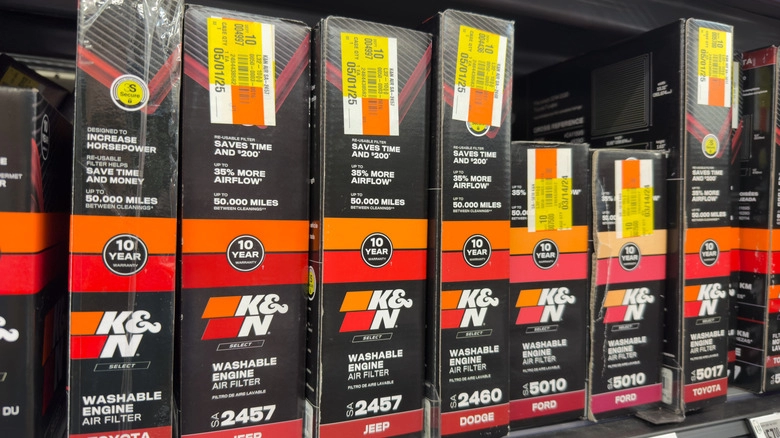
Cleaning your car’s engine or cabin air filter is a simple way to keep your vehicle running smoothly and ensure fresh air inside. Here’s how to do it right:
Engine Air Filter Cleaning
- Locate the filter: Open your car’s hood and find the engine air filter housing—usually a black plastic box.
- Remove the filter: Open the housing and take out the air filter carefully.
- Inspect the filter: If it’s a reusable air filter, like an oiled foam air filter, you can clean it. Otherwise, replacement might be best.
- Clean the filter:
- For foam or washable filters, gently tap to remove debris.
- Use a soft brush or vacuum to clean the filter surface.
- Wash it with warm water and mild soap if it’s very dirty, then rinse.
- Let it air dry completely.
- Apply air filter oil if it’s an oiled foam type. Follow the manufacturer’s directions for an even coat.
- Reinstall the filter into the housing and close the cover securely.
Cabin Air Filter Cleaning
- Find the cabin filter: Usually behind the glove box or under the dashboard.
- Remove the filter: Open the filter slot and gently pull the filter out.
- Check if washable: Most cabin filters should be replaced, but some washable types can be cleaned.
- Clean:
- Use a vacuum or hose off washable filters.
- For stubborn dirt, a vinegar air filter soak helps break down grime. Soak for about 30 minutes, rinse, and dry.
- Dry completely before putting it back.
- Reinstall the filter and close the compartment.
Regular cleaning or replacing of these filters improves airflow, keeps your engine efficient, and ensures better air quality inside your car. If you want to dig deeper into filter maintenance, our guide on washable HVAC filter care has useful tips for reusable air filter maintenance you might want to check out.
Step by Step Guide How to Clean Different Types of Air Filters- Cleaning Air Purifier or HEPA Filters
Cleaning air purifier or HEPA filters takes a bit of care since these filters are delicate and crucial for improving indoor air quality. Here’s a simple way to keep them working well without damaging them:
- Turn off and unplug the air purifier to stay safe while cleaning.
- Open the unit and remove the HEPA filter or pre-filter, depending on what your model has.
- Check the manufacturer’s instructions—many HEPA filters aren’t washable but can be vacuumed gently. Use a soft brush attachment on your vacuum cleaner to remove dust from the surface.
- If your air purifier has a washable pre-filter, rinse it under lukewarm water and let it dry completely before putting it back.
- For a deeper clean, some people try a vinegar air filter soak for pre-filters, but avoid soaking HEPA filters unless the guide says it’s OK. Vinegar helps break down stubborn grime and odors.
- After cleaning, let all filters air dry fully—never put wet filters back in the unit.
- Replace the HEPA filter regularly as recommended, usually every 6 to 12 months, because vacuuming won’t restore its full filtering ability.
- Put everything back in place, plug in your purifier, and enjoy cleaner air.
By following these steps, you maintain your air purifier’s efficiency while saving money and reducing waste. Keeping your HEPA filter vacuumed and pre-filters cleaned regularly is key to cleaner, healthier air inside your home.
Common Mistakes to Avoid: Dont Let a Quick Clean Cause Big Problems
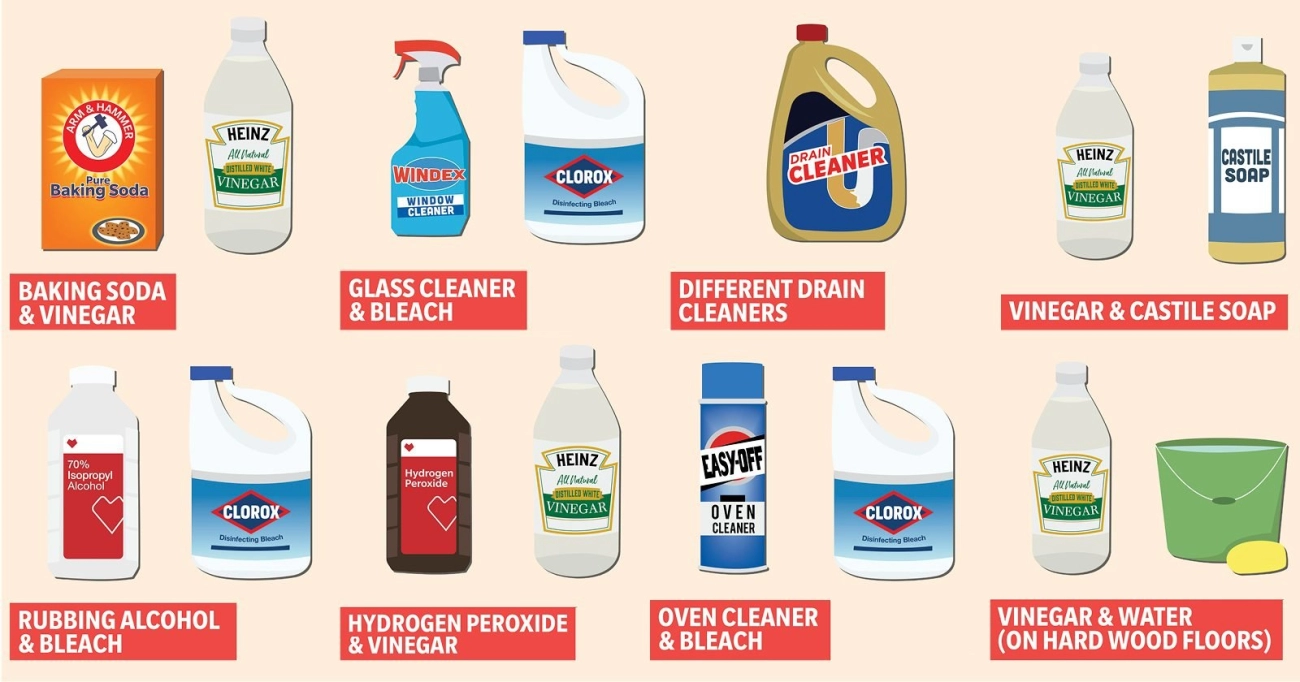
When cleaning your air filter, skipping steps or rushing can cause more harm than good. Here are some common mistakes to watch out for:
- Using harsh chemicals – Avoid strong detergents or cleaners that can damage the filter material. A gentle soap or vinegar soak is usually enough for washable HVAC filters or reusable air filters.
- Over-soaking oiled foam air filters – If you have an oiled air filter (common in automotive use), soaking it too long or using detergent can wash away the oil. That oil is crucial for trapping dirt, so you’ll need to reapply air filter oil after cleaning.
- Not fully drying the filter – Never put a wet filter back in your HVAC system, car, or air purifier. Moisture can cause mold growth or even damage the unit. Let the filter dry completely before reinstalling.
- Ignoring filter condition – Some filters are designed to be replaced after a certain point. Trying to clean a heavily clogged or damaged HEPA filter or disposable car cabin filter won’t help and can reduce air quality.
- Vacuuming HEPA filters aggressively – While light HEPA filter vacuuming can help, using high suction or brushes can break apart the delicate fibers. Use a soft brush attachment and gentle strokes.
Avoiding these mistakes helps keep your air filters in good shape, improving indoor air quality and extending their life. Remember, regular cleaning is great, but knowing when to replace is just as important.
Benefits of Regular Cleaning: Healthier Air, Lower Bills and Peace of Mind
Keeping your air filters clean regularly has big payoffs. First, it improves indoor air quality by trapping dust, pollen, and other allergens better. This means you and your family can breathe easier, which is especially important if anyone has allergies or asthma.
Cleaning reusable air filters or washable HVAC filters also helps your system run more efficiently. When air flows freely, your HVAC or car engine doesn’t have to work as hard. This can lower your energy bills or gas costs, saving you money over time.
Plus, regular maintenance reduces the chance of costly repairs or premature filter replacement. It’s a simple step that gives you peace of mind, knowing your air filter is doing its job well and protecting your home or vehicle.
In short, clean filters mean healthier air, lower bills, and fewer headaches. It’s a small effort with big benefits that every homeowner or driver should not overlook.
FAQs Quick Answers to Your Air Filter Cleaning Questions
How often should I clean my air filter?
For washable HVAC filters, clean them every 1 to 3 months depending on usage. Car cabin and engine air filters usually need cleaning every 12,000 to 15,000 miles. Air purifier HEPA filters require gentle vacuuming monthly or as recommended by the manufacturer.
Can I just replace the filter instead of cleaning it?
Sometimes replacing is necessary, especially with disposable filters or heavily damaged ones. But many washable or reusable air filters can be cleaned and reused, saving you money and reducing waste.
Is vinegar safe for soaking air filters?
Yes, a diluted vinegar solution can help kill bacteria on washable filters but avoid soaking delicate HEPA or oiled foam filters in vinegar. Always check your filter type before using vinegar.
How do I clean a HEPA filter without damaging it?
Use a vacuum on low suction to remove dust and debris. Avoid water or harsh chemicals that can harm the filter. If it’s too dirty, replacement is a safer option.
Can I use water to clean car engine or cabin air filters?
For reusable cabin filters, a light rinse and drying are fine. Oiled foam air filters need cleaning with specific cleaner and reapplying air filter oil afterward. Paper filters should never be washed.
Will cleaning my air filter improve my indoor air quality?
Absolutely. Regular cleaning keeps airflow smooth, removes trapped dust, pollen, and allergens, which helps improve indoor air quality and HVAC efficiency.
What common mistakes should I avoid when cleaning filters?
- Using harsh chemicals or soaking filters not meant for water
- Forgetting to dry filters completely before reinstalling
- Skipping the oil application on oiled foam filters
- Overcleaning or damaging delicate filter media
If you follow the right cleaning methods, your air filters will work better and last longer, keeping your home and car air fresh and healthy.