Air Filter vs. Air Purifier: Understanding the Core Differences
Maintaining high-standard indoor air quality requires a clear understanding of the tools available. While often used interchangeably, an air filter and an air purifier serve distinct roles in a modern filtration strategy. One acts as a gatekeeper for your mechanical systems, while the other functions as an active treatment system for the air you breathe.
What is an Air Filter?
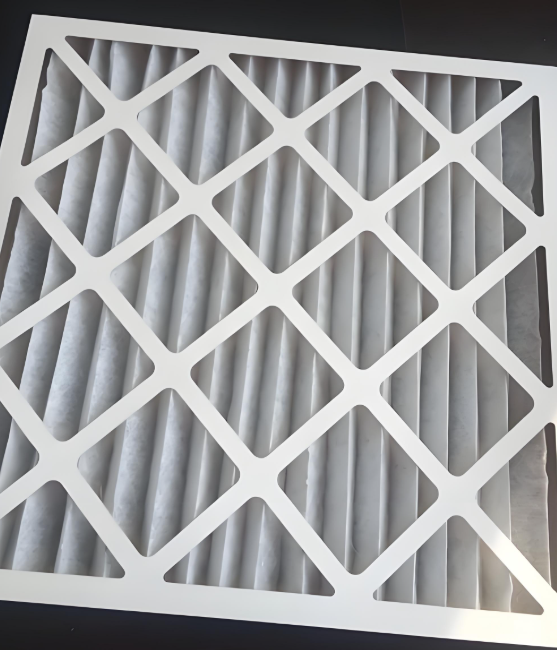
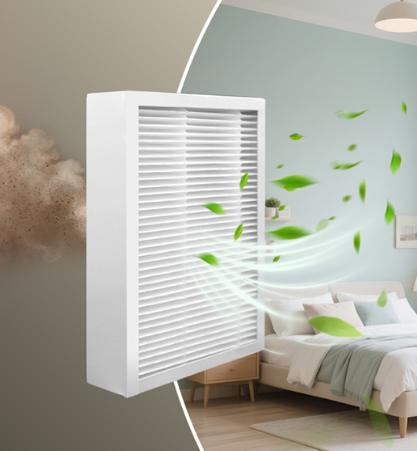
An air filter is a passive component, typically constructed from spun fiberglass, pleated paper, or synthetic cloth. As a specialized air filter manufacturer, we design these to be installed directly within HVAC systems or furnace returns. Their primary job is to “sieve” the air, trapping particulates and contaminants as the air flows through the material.
- Mechanism: Mechanical filtration.
- Installation: Integrated into existing ductwork or equipment.
- Primary Focus: Removing dust, pollen, and debris to protect both the machinery and the occupants.
What is an Air Purifier?
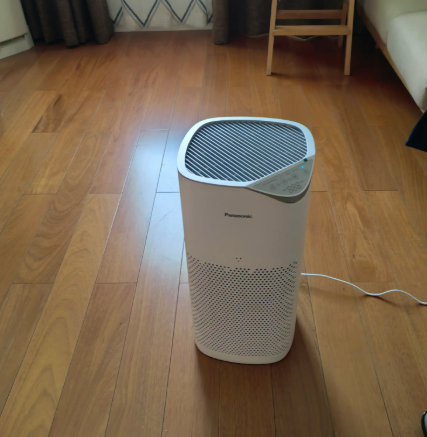
An air purifier is an active, often standalone device designed to sanitize the air within a specific room. Beyond just trapping particles, many purifiers utilize advanced technologies to neutralize microorganisms, odors, and viruses that a standard filter might miss.
- Mechanism: Multi-stage cleaning (often combining HEPA, UV light, or Ionization).
- Installation: Portable, plug-and-play units for room-specific use.
- Primary Focus: Improving total air purity by targeting microscopic threats and volatile gases.
Key Differences in Function and Purpose
The choice between a filter and a purifier depends on your specific environmental goals. While a filter is essential for system health and basic allergen control, a purifier provides a secondary layer of defense against invisible biological threats.
| Feature | Air Filter (HVAC) | Air Purifier (Portable) |
|---|---|---|
| Operation | Passive (Air must pass through) | Active (Circulates and treats air) |
| Primary Goal | Protects HVAC & removes large allergens | Sanitizes air & removes chemical odors |
| Technology | Pleated media / Electrostatic filters | HEPA filter, Carbon, UV, Ions |
| Maintenance | Regular replacement (30-90 days) | Filter changes + sensor maintenance |
| Scope | Whole-house (via ductwork) | Targeted (single room or zone) |
How Air Filters Work and What They Capture
The Role of HVAC and Furnace Filters
In my years of manufacturing filtration solutions, I’ve seen how the HVAC filter serves as the primary gateway for your indoor air. These filters are installed directly into your heating and cooling system’s return air duct. Their main job is two-fold: protecting the sensitive internal components of your furnace from debris and cleaning the air as it cycles through your home. While the air filter vs air purifier debate often focuses on high-tech gadgets, the standard HVAC filter is your first and most important line of defense against large-scale indoor air quality issues.
Understanding MERV Ratings and Efficiency
To get the most out of your filtration system, you have to understand the MERV (Minimum Efficiency Reporting Value) scale. This rating tells you exactly how effective a filter is at trapping particles of specific sizes. A low MERV rating might only catch large dust bunnies, while a higher rating can stop microscopic allergens. Finding the sweet spot is critical because a filter that is too restrictive can strain your blower motor. For a deeper dive into these numbers, you can refer to this complete guide to MERV air filter ratings to ensure you choose a mesh density that matches your system’s capacity.
Common Contaminants Removed by Standard Filtration
Standard air filters are designed to capture physical particulates that circulate through your vents. By trapping these pollutants, they prevent them from settling on your furniture or being inhaled. The most common contaminants removed include:
Mold Spores: Airborne fungi that can take root in damp areas of the home.
Dust and Lint: The bulk of household debris that can clog HVAC coils.
Pollen: Large allergens that enter through open windows and doors.
Pet Dander: Skin flakes and hair from cats and dogs.
Dust Mites: Microscopic pests that thrive in carpets and bedding.
Types of Air Filters for Residential Use
Choosing the right media for your home is the first step in the “Air Filter vs Air Purifier” debate. As a manufacturer, I’ve seen how the right material impacts both your HVAC health and your lungs. Not every filter is built the same, and picking the wrong one can either leave your air dirty or strain your system’s motor.
Pleated vs. Electrostatic Filters
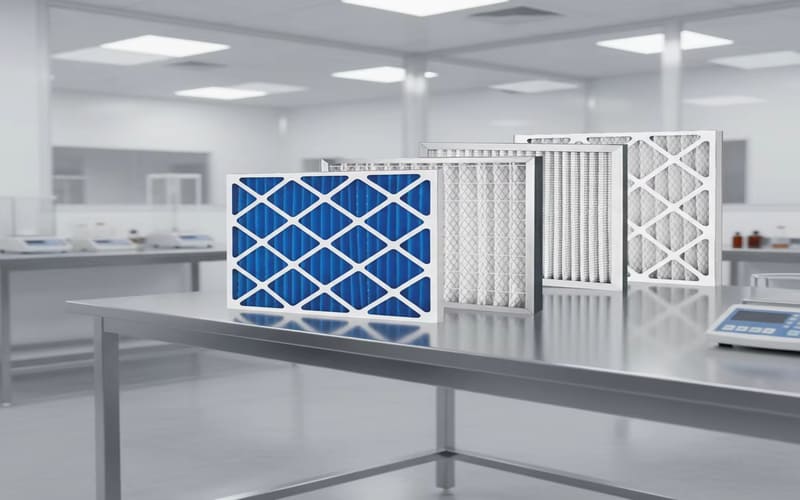
Pleated filters are the industry standard because their folded design increases surface area, allowing them to trap more pollutants without immediately choking your airflow. On the other hand, an electrostatic air filter uses self-charging fibers to attract dust and allergens like a magnet. These are excellent for capturing light particulates that might otherwise pass through standard fiberglass mesh.
| Filter Type | Best For | Primary Benefit |
|---|---|---|
| Pleated | High-efficiency filtration | Great for allergens and fine dust |
| Electrostatic | Long-term value | Uses static electricity to pull in small particles |
High-Efficiency Particulate Air (HEPA) Filters
HEPA filters are the heavy hitters of indoor air quality. They are designed to trap 99.97% of particles as small as 0.3 microns, including bacteria and some viruses. While they are the gold standard for portable air purifiers, you must be careful when considering them for a standard HVAC system. Their high density can significantly restrict airflow, which might damage a residential furnace or AC unit not specifically rated for HEPA-level resistance.
Washable vs. Disposable Filter Options
The choice between washable vs disposable air filters usually comes down to your maintenance habits and air quality goals.
- Disposable Filters: These are “set it and forget it” for 90 days. They generally offer higher MERV ratings, making them superior for capturing microscopic contaminants like smoke and pet dander.
- Washable Filters: These are eco-friendly and save money over time because you simply rinse and reuse them. However, they require 100% drying before re-installation to prevent mold growth and typically offer lower filtration efficiency than high-end pleated disposables.
How Air Purifiers Work: Advanced Cleaning Technologies
While a standard HVAC filter waits for air to pass through the vents, an air purifier is a proactive, standalone device designed to scrub the air in specific rooms. When comparing an air filter vs air purifier, the main difference lies in the active technology used to sanitize the environment rather than just trapping large dust particles.
HEPA Filtration Systems in Portable Units
We equip our portable air cleaners with HEPA filters to capture microscopic particulates as small as 0.3 microns. This includes allergens like pollen and fine dust that often bypass lower-rated HVAC filters. Because these units work constantly to circulate indoor air, maintaining the integrity of the media is vital. If you are using these systems heavily, it is important to know if you can clean air purifier filters or if they require a full replacement to maintain high airflow and efficiency.
UV Light and Ionic Purification Technology
To go beyond simple mechanical filtration, we integrate advanced sanitization methods that target biological threats:
- UV-C Light: This technology targets the DNA of microorganisms, effectively neutralizing bacteria and viruses that pass through the unit.
- Ionic Purification: These systems release negatively charged ions that attach to airborne pollutants, causing them to clump together and fall out of the air or stick to collection plates.
Activated Carbon for Smoke and Odor Neutralization
Standard filters are generally ineffective against gases and smells. We use thick layers of activated carbon to chemically bond with and soak up volatile organic compounds (VOCs) and persistent smells. For those dealing with heavy smoke or chemical vapors, using the best weed air filter technology ensures that even the most stubborn odors are neutralized at a molecular level before they can settle into your living space.
Air Filter vs. Air Purifier: Performance Comparison
When comparing the performance of an air filter versus an air purifier, we have to look at how they handle different types of indoor air quality issues. One is a physical barrier, while the other is an active treatment system. To get the best results, you need to understand where each one excels.
Filtration vs. Sanitization: Which is More Effective?
Filtration is a mechanical process. We use a medium, like pleated fabric or fiberglass, to physically trap particles as air passes through. It is highly effective for dust, lint, and pollen. Sanitization, however, goes a step further by neutralizing or killing living organisms. While a standard HVAC filter stops debris from entering your system, specialized air purifier filters are often designed to destroy the DNA of bacteria or trap microscopic gases that a regular filter would miss.
| Feature | Air Filter (HVAC) | Air Purifier (Portable) |
|---|---|---|
| Primary Action | Traps particles (Passive) | Neutralizes/Traps (Active) |
| Best For | Dust, Pet Hair, Large Allergens | Smoke, Odors, Viruses, VOCs |
| Maintenance | Replace every 1-3 months | Replace filters & clean sensors |
| System Load | Can restrict airflow if too thick | Independent of HVAC system |
Coverage Area and Air Exchange Rates
The performance of these two solutions depends heavily on the volume of air they can process.
- Air Filters: Since these are integrated into your HVAC system, they treat the air for the entire house. However, they only work when the fan is running.
- Air Purifiers: These are typically room-specific. They offer a high air exchange rate for a single area (like a bedroom or office), cleaning the air in that specific space multiple times per hour.
Impact on Bacteria, Viruses, and Volatile Organic Compounds (VOCs)
Standard filters usually struggle with the smallest threats. When looking at the micron rating for air filters, you can see that standard residential filters often miss gaseous pollutants and tiny viral particles.
- Bacteria & Viruses: Most standard filters (MERV 8-11) aren’t tight enough to catch viruses. You need an air purifier with UV-C light or a HEPA-rated filter to effectively sanitize the air.
- VOCs: These are chemicals from paints, cleaners, or new furniture. A physical air filter cannot stop a gas. Only air purifiers equipped with activated carbon layers can adsorb these chemicals and eliminate the “new house” smell or chemical fumes.
- Particulates: For heavy dust and pet dander, a high-quality pleated air filter in your return vent is often more cost-effective for whole-home management.
Choosing the Right Solution for Your Home
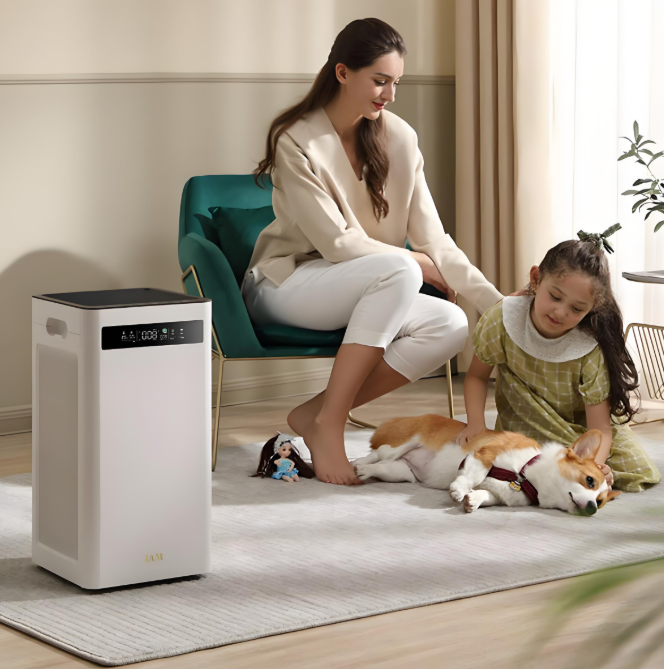
Selecting between an air filter and an air purifier depends entirely on your specific indoor air quality goals. While a high-quality HVAC filter protects your furnace and cleans the air circulating through your vents, a standalone air purifier provides localized, intensive cleaning for specific rooms. We recommend evaluating your environment to determine if you need basic filtration or advanced sanitization.
Best Options for Allergy and Asthma Sufferers
For those dealing with respiratory sensitivities, capturing microscopic allergens is the priority. Standard filters often let tiny triggers pass through, so upgrading your equipment is essential.
- HEPA Filtration: This is the gold standard for removing 99.97% of particles like pollen, mold spores, and dust mites.
- High MERV Ratings: Upgrading your system to MERV 8 vs MERV 11 air filters can significantly reduce the concentration of airborne triggers throughout your entire home.
- Continuous Air Exchange: Running your HVAC fan or a portable purifier consistently ensures that pollutants are trapped before they settle on surfaces.
Solutions for Pet Owners: Dander and Hair Control
Pets introduce a constant stream of hair and dander into the environment, which can quickly clog standard filtration systems. We suggest a multi-layered approach to keep your air clean and your HVAC system running efficiently.
| Feature | Recommended Solution | Benefit |
|---|---|---|
| Large Debris | Pleated HVAC Filters | Traps fur and heavy dust before it hits the coils |
| Microscopic Dander | Portable HEPA Purifier | Captures tiny skin flakes in specific “pet zones” |
| Maintenance | Monthly Filter Checks | Prevents system strain caused by rapid hair buildup |
Addressing Persistent Odors and Smoke
Standard air filters are designed to catch solids, not gases. If you are dealing with cooking smells, tobacco smoke, or wildfire haze, you need specialized media that can handle volatile organic compounds (VOCs).
- Activated Carbon: This is the only effective way to neutralize odors and smoke. Look for purifiers or specialized HVAC filters that include a thick layer of carbon.
- Smoke Mitigation: For heavy smoke, a dedicated air purifier with a high Clean Air Delivery Rate (CADR) is more effective than a central air filter alone.
- Dual-Stage Strategy: Use a high-efficiency pleated filter for particulates and a carbon-based purifier for chemical contaminants and smells.
Do You Need Both an Air Filter and an Air Purifier?
I often see homeowners struggling to choose between an air filter and an air purifier, but the truth is they work best as a team. Using both creates a multi-layered defense that significantly boosts indoor air quality. While your furnace or AC unit relies on a filter to catch large debris, a portable purifier focuses on the microscopic pollutants that often bypass standard systems.
The Benefits of a Multi-Layered Air Quality Strategy
A single solution rarely handles every type of contaminant. By combining these technologies, you address the full spectrum of air quality issues. Your HVAC filter acts as the first line of defense, capturing heavy dust, lint, and pet hair. Meanwhile, a standalone air purifier targets the “invisible” threats like smoke, chemicals, and airborne pathogens. This dual approach ensures that even if one system misses a particle, the other is there to catch it.
Integrating Portable Purifiers with HVAC Systems
Integrating these two systems is straightforward. Your central system circulates air throughout the entire house, but it might not cycle fast enough to clear a specific room of localized pollutants. Placing a portable purifier in high-traffic areas or bedrooms provides localized cleaning where you need it most. We’ve found that using high-quality hvac air intake filters save money and improve efficiency by keeping the internal components clean, allowing your portable units to run less frequently and last longer.
Maintenance Requirements and Long-Term Costs
Managing both systems requires a consistent schedule, but it pays off in equipment longevity and health. As an air filter manufacturer, I recommend tracking your replacement dates closely to avoid restricted airflow or motor strain.
| Maintenance Item | Frequency | Primary Benefit |
|---|---|---|
| HVAC Air Filter | Every 30–90 days | Protects equipment & reduces dust |
| Purifier HEPA Filter | Every 6–12 months | Removes 99.97% of fine particulates |
| Activated Carbon | Every 3–6 months | Neutralizes persistent household odors |
| UV Lamp/Ionizer | Every 12–24 months | Kills bacteria and viruses |
System Synergy: A clean HVAC filter prevents the portable purifier from getting “clogged” with large dust, extending the life of its expensive HEPA media.
Filter Costs: Standard pleated filters are inexpensive and easy to swap.
Purifier Costs: These involve higher upfront prices and electricity usage, but offer specialized sanitization.