What Is a Carbon Filter?
Definition and Key Concepts
A carbon filter is an advanced purification system designed to eliminate impurities, organic chemicals, and unpleasant odors from air and liquid streams. Utilizing raw material with a high carbon content, these filters leverage a porous matrix to trap pollutants, ensuring cleaner, safer, and better-tasting water alongside healthier indoor air quality globally.
- Primary Function: Removal of volatile organic compounds (VOCs), chlorine, sediment, and odors.
- Core Mechanism: Surface physical adsorption driven by intermolecular forces.
- Key Advantage: Highly effective, cost-efficient, and eco-friendly fluid and air purification.
The Difference Between Carbon and Activated Carbon
While standard carbon exists in everyday forms like coal and charcoal, activated carbon undergoes a specialized thermal or chemical treatment. This activation process drastically increases its surface area and micro-porosity, maximizing its capacity for contaminant capture.
| Feature | Standard Carbon | Activated Carbon |
|---|---|---|
| Porosity | Low, dense molecular structure | Extremely high, micro-porous network |
| Surface Area | Minimal (a few square meters per gram) | Exceptional (500 to 1,500+ m²/g) |
| Adsorption Power | Poor, limited chemical affinity | Superior, ideal for precise filtration |
| Primary Uses | Fuel, metallurgy, raw manufacturing | Water purification, air filtration, gas separation |
How Carbon Filters Work: The Science of Adsorption
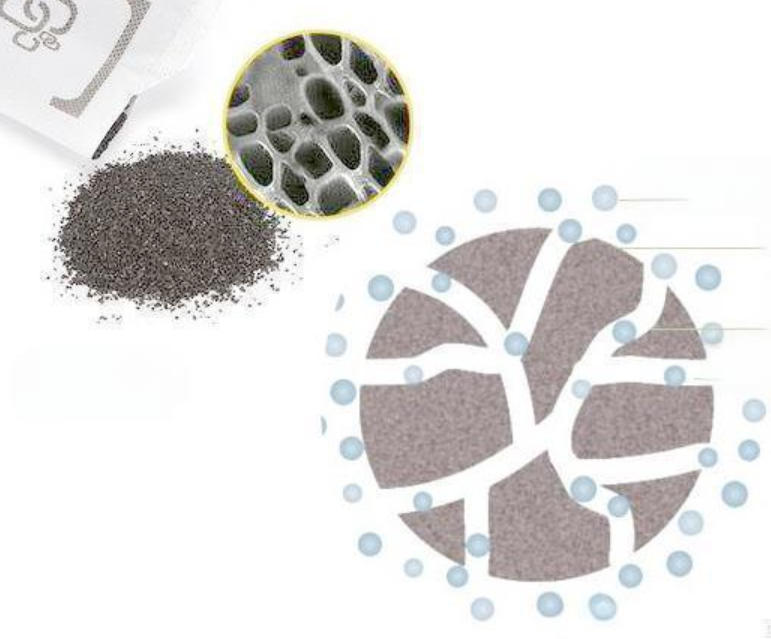
Understanding how a carbon filter works comes down to one core scientific process: adsorption. It is the engine behind both air and water purification, allowing carbon media to capture invisible contaminants before they ever reach your lungs or drinking glass.
What Is Adsorption?
People often confuse absorption with adsorption, but they are completely different processes:
- Absorption: Works like a sponge soaking up water—the liquid or gas enters into the center of the absorbing material.
- Adsorption: Causes molecules to stick directly to the surface of a material.
Activated carbon features millions of micro-pores created during heat treatment. This unique structure provides a massive surface area where weak chemical forces—known as van der Waals forces—pull volatile compounds, gases, and chemicals out of the air or liquid and lock them onto the carbon surface.
How Carbon Filters Trap Contaminants and Odors
As contaminated fluid or air flows through the filter, molecular traps go to work:
- Fluid Flow: Air or water passes through the dense network of carbon media.
- Contact Time: Contaminants make direct contact with the porous carbon surface.
- Molecular Attraction: Chemical compounds, chlorine, and organic molecules are pulled in by physical attraction.
- Trapping: Odors and harmful pollutants remain trapped inside the microscopic pore network, leaving clean air or purified water to pass through.
To get a clearer picture of how these media perform across different setups, check out our guide on what is a carbon filter and how it works for a deep dive into media structures.
Gaseous Absorption vs. Water Filtration
While the core mechanics remain rooted in adsorption, carbon media handles gaseous pollutants and liquid contaminants slightly differently based on the medium:
| Filtration Medium | Main Targets | Primary Mechanism | Key Result |
|---|---|---|---|
| Gaseous Filtration (Air) | Volatile Organic Compounds (VOCs), smoke, chemical fumes, bad odors | Gas molecules stick to open carbon pores during air circulation. | Clean, odor-free indoor air |
| Liquid Filtration (Water) | Chlorine, pesticides, herbicides, industrial solvents, bad tastes | Dissolved organic chemicals adhere to carbon surfaces while water flows through. | Fresh-tasting, clear drinking water |
Whether treating air or water, high-grade activated carbon remains the gold standard for trapping chemical impurities efficiently.
What Do Carbon Filters Remove (and What Do They Leave Behind)?
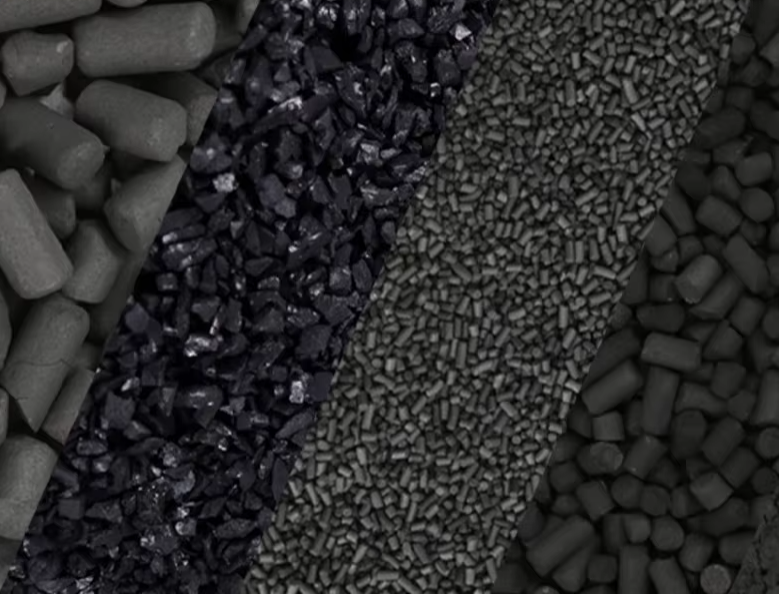
Contaminants Removed from Air and Water
As a carbon filter manufacturer, we design our systems to tackle a broad spectrum of pollutants across both air and water applications. Carbon filters excel at pulling harmful chemicals out of your environment before you breathe or drink them in.
- In Air Systems: They scrub out volatile organic compounds (VOCs), formaldehyde, smoke particles, cooking smells, and chemical fumes. If you want to protect your system and keep indoor air fresh, integrating activated carbon with the best furnace filters for indoor air quality creates a strong defense against both gases and dust.
- In Water Systems: They aggressively pull out chlorine, chloramines, pesticides, herbicides, industrial solvents, and synthetic chemicals. They also remove hydrogen sulfide, which causes that notorious “rotten egg” smell.
Essential Minerals Retained in Water
One of the biggest advantages of carbon water filtration is its selective nature. While it strips away harsh chemicals and foul odors, it leaves healthy, naturally occurring minerals intact.
- Calcium: Keeps your water tasting crisp while supporting bone health.
- Magnesium: Helps maintain natural water balance and contributes to cardiovascular health.
- Potassium: Essential for daily hydration and metabolic function.
Because carbon filters do not remove dissolved natural minerals, your drinking water retains a clean, fresh taste without feeling flat or stripped.
What Carbon Filters Cannot Remove
While carbon filters are incredibly versatile, no single filter handles everything. Knowing their limits ensures you choose the right setup for your space.
| Contaminant Category | Examples | Why Carbon Can’t Catch It | Recommended Solution |
|---|---|---|---|
| Heavy Metals | Lead, Arsenic, Mercury | Too small/dissolved for standard physical adsorption | KDF media, specialized resin, or RO |
| Dissolved Minerals | Calcium, Magnesium (Hardness) | Inorganic ions do not bond to carbon surface area | Water softeners |
| Microorganisms | Bacteria, Viruses, Cysts | Biological pathogens pass through porous structures | UV purifiers or sub-micron membranes |
| Inorganic Salts | Nitrates, Fluoride, Sodium | Low affinity for carbon’s non-polar structure | Reverse Osmosis (RO) systems |
Types of Carbon Filters
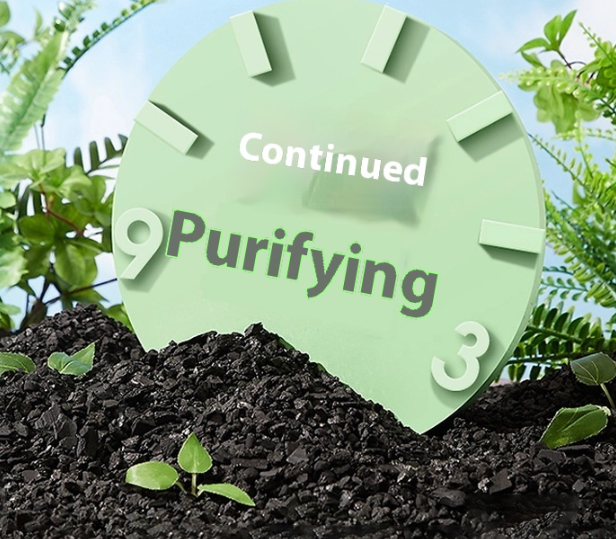
Granular Activated Carbon (GAC) vs. Carbon Block
Choosing the right filter setup depends on how you plan to use it. At our manufacturing facility, we focus on two primary designs: Granular Activated Carbon (GAC) and Carbon Block.
- Granular Activated Carbon (GAC): Made from loose, highly porous carbon grains. Water or air flows quickly through these granules, making GAC ideal for high-flow applications where rapid filtration is required.
- Carbon Block Filters: Formed by pressing fine carbon powder into a solid, dense block. The tighter structure forces air or water through microscopic pores, offering superior contaminant removal, longer contact time, and higher efficiency against ultrafine particles.
For specialized air systems, pairing these designs with high-performance activated carbon air filters ensures maximum odor absorption and chemical containment.
| Filter Type | Pore Size & Density | Primary Benefit | Best For |
|---|---|---|---|
| GAC | Loose granules, high flow | Low resistance, high speed | High-volume water/air systems |
| Carbon Block | Solid, dense matrix | Maximum filtration precision | Target chemical & fine particle removal |
Pre-Carbon and Post-Carbon Filters
Multi-stage purification systems use a strategic sequence of carbon stages to protect equipment and maximize purity.
- Pre-Carbon Filters: Positioned before sensitive components (like Reverse Osmosis membranes or fine HEPA filters). They trap chlorine, harsh chemicals, and sediment to prevent downstream damage.
- Post-Carbon Filters: Installed as the final polishing stage. They sweep up any lingering odors or trace organic compounds, ensuring crystal-clear air or fresh, clean-tasting drinking water.
Key Benefits and Advantages of Carbon Filtration
At our core as a carbon filter manufacturer, we design filtration solutions that tackle everyday contamination directly. Carbon filtration delivers powerful performance without complex mechanics, making it one of the most reliable methods for clean air and water.
Improves Water Taste and Eliminates Odors
Bad smells and off-tasting water usually come from residual chlorine, sulfur compounds, or organic matter. Carbon filters pull these compounds out instantly, restoring a crisp, clean taste to drinking water and neutralizing stubborn air odors.
| Problem Area | Common Cause | Carbon Filter Solution |
|---|---|---|
| Tap Water | Chlorine disinfectant, sulfur | Traps chemicals, restores natural taste |
| Indoor Air | Cooking, pets, smoke | Adsorbs volatile gases, clears odors |
Removes Harmful VOCs and Chemicals
Gases and chemicals easily pass through basic particle filters. Carbon filters excel at capturing volatile organic compounds (VOCs), herbicides, pesticides, and industrial solvents before they circulate through your home or office. Pair this with a high-efficiency media to handle both physical dust and invisible chemical fumes—similar to how a top-tier MERV 16 furnace HVAC air filter captures fine microscopic pollutants.
Key chemicals carbon filters trap: Volatile Organic Compounds (VOCs) like benzene and formaldehyde Chlorine and Chloramines used in municipal water treatment Pesticides and Herbicides from agricultural runoff Synthetic Chemicals and trihalomethanes (THMs)
Eco-Friendly and Energy-Efficient Operation
Carbon filtration works passively through natural adsorption. It requires no electricity to operate in water systems and creates zero wastewater, making it an environmentally friendly choice for any setup.
- Zero Electricity Needed: Works purely on fluid or airflow pressure.
- No Waste Streams: Unlike reverse osmosis, every drop of water that enters gets filtered and used.
- Natural Materials: Made primarily from renewable coconut shells or coal.
Applications and Common Uses
At our manufacturing facility, we design carbon filters to tackle everyday contamination issues across two major environments: the water you drink and the air you breathe.
Home Water Purification Systems
In residential water treatment, activated carbon is the undisputed standard. We build these filters into point-of-use systems like countertop pitchers, under-sink units, and whole-house filtration setups.
- Taste and Odor Improvement: Tap water often carries a harsh chemical smell. Carbon filters scrub out residual chlorine and chloramines to deliver crisp, fresh-tasting drinking water.
- Chemical Reduction: They capture pesticides, herbicides, industrial solvents, and disinfection byproducts (THMs) before they reach your glass.
- Equipment Protection: Serving as an essential pre-filter in reverse osmosis units, carbon prevents raw chlorine from destroying delicate synthetic membranes.
Air Quality and HVAC Filtration
Particulates like dust and pollen are easily caught by standard media, but gaseous pollutants require carbon’s porous structure. Integrating carbon into indoor air purification systems and HVAC units creates a healthier indoor environment.
- Odor Elimination: Carbon excels at absorbing tough household smells from cooking, trash, and pets. For heavy-duty needs, specialized setups like a weed air filter for indoor smoke and odor control rely on dense carbon beds to capture lingering organic compounds.
- VOC Trapping: Paints, carpets, cleaning supplies, and furniture off-gas volatile organic compounds (VOCs). Carbon air filters adsorb these airborne toxins, preventing long-term inhalation risks.
- HVAC Enhancements: Dual-stage HVAC filters combine standard particulate traps with an activated carbon layer to manage both physical dust and unseen chemical fumes simultaneously.
Carbon Filters vs. Reverse Osmosis (RO)
When choosing between a carbon filter and a Reverse Osmosis (RO) system, understanding their core differences helps you pick the right solution for your specific needs. While both improve water quality, they target completely different types of contaminants.
Comparison of Filtration Efficiency
Carbon filters excel at removing chemical compounds, bad tastes, and unpleasant odors while preserving essential minerals. RO systems provide deep, ultra-fine membrane purification that strips almost everything from water, including dissolved solids.
| Feature | Carbon Filter | Reverse Osmosis (RO) |
|---|---|---|
| Primary Method | Adsorption via porous structure | Semi-permeable membrane filtration |
| VOCs & Chlorine | Excellent removal (95%+ efficiency) | Good, but relies on pre-carbon stages |
| Dissolved Solids (TDS) | Leaves minerals intact | Removes up to 99% of all TDS |
| Water Waste | Zero water wasted | Generates wastewater during processing |
| Flow Rate | Fast, direct flow | Slower, often requires a storage tank |
Pros and Cons of Each System
Carbon Filters
- Pros: Highly cost-effective, easy to install, retains healthy minerals, operates without wasting water or requiring electricity.
- Cons: Cannot remove dissolved heavy metals, nitrates, or microscopic pathogens on its own.
Reverse Osmosis Systems
- Pros: Delivers exceptionally pure water by stripping out heavy metals, fluoride, arsenic, and dissolved salts.
- Cons: Higher initial cost, requires frequent maintenance, creates wastewater, and strips away beneficial minerals like calcium and magnesium.
For many homes and facilities looking to improve indoor environment quality, pairing solid fluid filtration with proper ventilation—such as choosing the best air filters for dust control—ensures a comprehensive clean living space.
Maintenance and Frequently Asked Questions
How Often Should You Replace a Carbon Filter?
As a dedicated carbon filter manufacturer, we recommend replacing your filters regularly to maintain peak performance. For standard household drinking water systems and air purification units, a filter replacement is typically required every 6 to 12 months.
However, the exact lifespan depends entirely on your usage volume and the initial pollutant levels. Over time, the porous structure of the activated carbon becomes completely saturated with trapped contaminants, reducing its efficiency. For HVAC systems, you can easily check the manufacturer’s guidelines or learn more about how sizing impacts longevity by looking into are thicker air filters better to optimize your replacement schedule.
Are Carbon Water Filters Safe for Everyday Use?
Yes, carbon water filters are completely safe and highly recommended for daily use. They utilize a natural adsorption process to strip away harsh chemicals without adding any synthetic additives to your drinking water.
- Chemical-Free Filtration: Uses natural charcoal filter media.
- Retains Good Minerals: Targets toxins while leaving healthy minerals untouched.
- Prevents Bacterial Growth: Most modern carbon blocks are designed to prevent structural degradation during regular fluid filtration.
Do Carbon Filters Work for Hard Water?
No, carbon filters do not soften hard water. While a carbon block or Granular Activated Carbon (GAC) filter excels at chlorine removal, odor removal, and eliminating volatile organic compounds (VOCs), it cannot capture dissolved minerals like calcium and magnesium.
To tackle hard water scale, you need a dedicated water softener or a specialized reverse osmosis system. The carbon filter serves as an excellent pre-filter or post-filter in those setups, but it will not alter the hardness of your water on its own.