Understanding the Basics
When it comes to improving your indoor air quality, choosing the right air filter is crucial. Two popular options are fiberglass air filters and pleated air filters. Each serves a unique purpose depending on your needs and budget.
Fiberglass Air Filters – The Budget-Friendly Basics
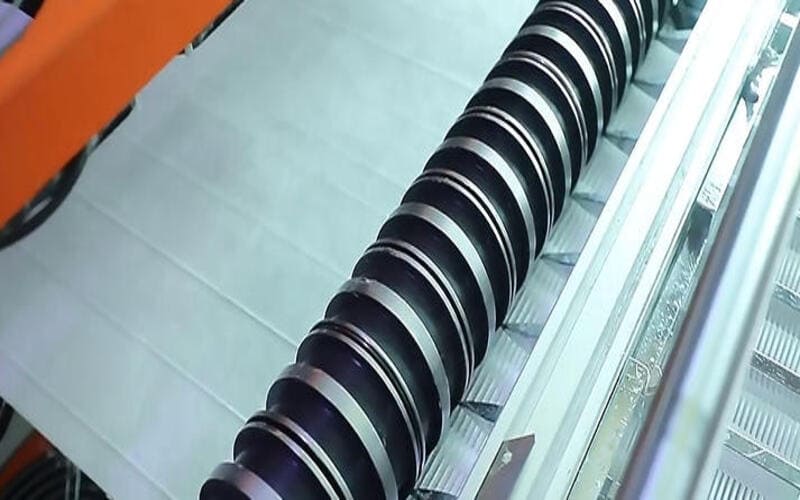
Fiberglass air filters are the most basic type of HVAC filters. They consist of layered fiberglass fibers designed to catch larger dust particles and debris. These filters are affordable and widely available, making them a common choice for homeowners who want a simple, cost-effective way to protect their HVAC system. However, they don’t offer the highest filtration efficiency and typically have a lower MERV rating.
Pleated Air Filters – The High Performance Upgrade
Pleated air filters are engineered with folded fabric that increases the surface area and traps smaller particles like allergens, pollen, and pet dander. These filters deliver improved indoor air quality and better protect your HVAC system from buildup. Although pleated filters cost more upfront, their higher MERV ratings mean they can remove a wider range of airborne contaminants, making them the preferred option for allergy sufferers and anyone focused on cleaner air.
Quick Visual Comparison Table
| Feature | Fiberglass Air Filters | Pleated Air Filters |
|---|---|---|
| Cost | Low | Moderate to High |
| Filtration Efficiency | Basic (MERV 1-4) | High (MERV 8-13) |
| Particle Capture | Large particles | Small particles and allergens |
| Airflow Restriction | Minimal | Slightly higher |
| Lifespan | Short (1 month) | Longer (3 months or more) |
By understanding these basics, you can start to see which filter fits your home’s needs—whether it’s the budget-friendly fiberglass filter or the high-performance pleated option.
Head-to-Head Comparison: Pros, Cons, and Key Differences
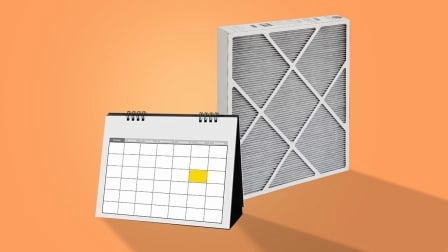
When choosing between pleated vs fiberglass air filters, it helps to break down the key differences across several important areas.
Filtration Efficiency and Air Quality Impact
- Pleated Air Filters: These have a higher MERV rating, meaning they trap smaller particles like dust, pollen, and pet dander effectively. They are great for improving indoor air quality and are often recommended as the best air filters for allergies.
- Fiberglass Air Filters: These have a lower MERV rating and mainly capture larger particles. They don’t improve air quality as much, but still protect your HVAC system from big debris.
Airflow and HVAC System Compatibility
- Pleated Filters: Because of denser material, they can restrict airflow slightly, so not all HVAC systems are designed for high MERV pleated filters. Check compatibility before upgrading.
- Fiberglass Filters: Known for low airflow restriction, making them a safe choice for older or less powerful systems.
Cost and Long-Term Value
- Fiberglass Filters: Budget-friendly upfront, with regular replacement needed (often every month).
- Pleated Filters: Higher initial cost but last longer (up to 3 months or more), which can save money over time through fewer replacements and better HVAC system protection.
Durability Maintenance and Environmental Footprint
- Pleated Filters: More durable and maintain filtration efficiency longer. Many come in custom sizes and are available in eco-friendly materials to reduce waste.
- Fiberglass Filters: Less durable, tend to degrade faster, and need more frequent changes, leading to more waste.
Overall, pleated filters are the high-performance upgrade if you’re focused on cleaner air and long-term savings. Fiberglass filters remain a solid, budget-minded option for basic, short-term filtration needs.
Which Filter is Right for You: Decision-Making Guide
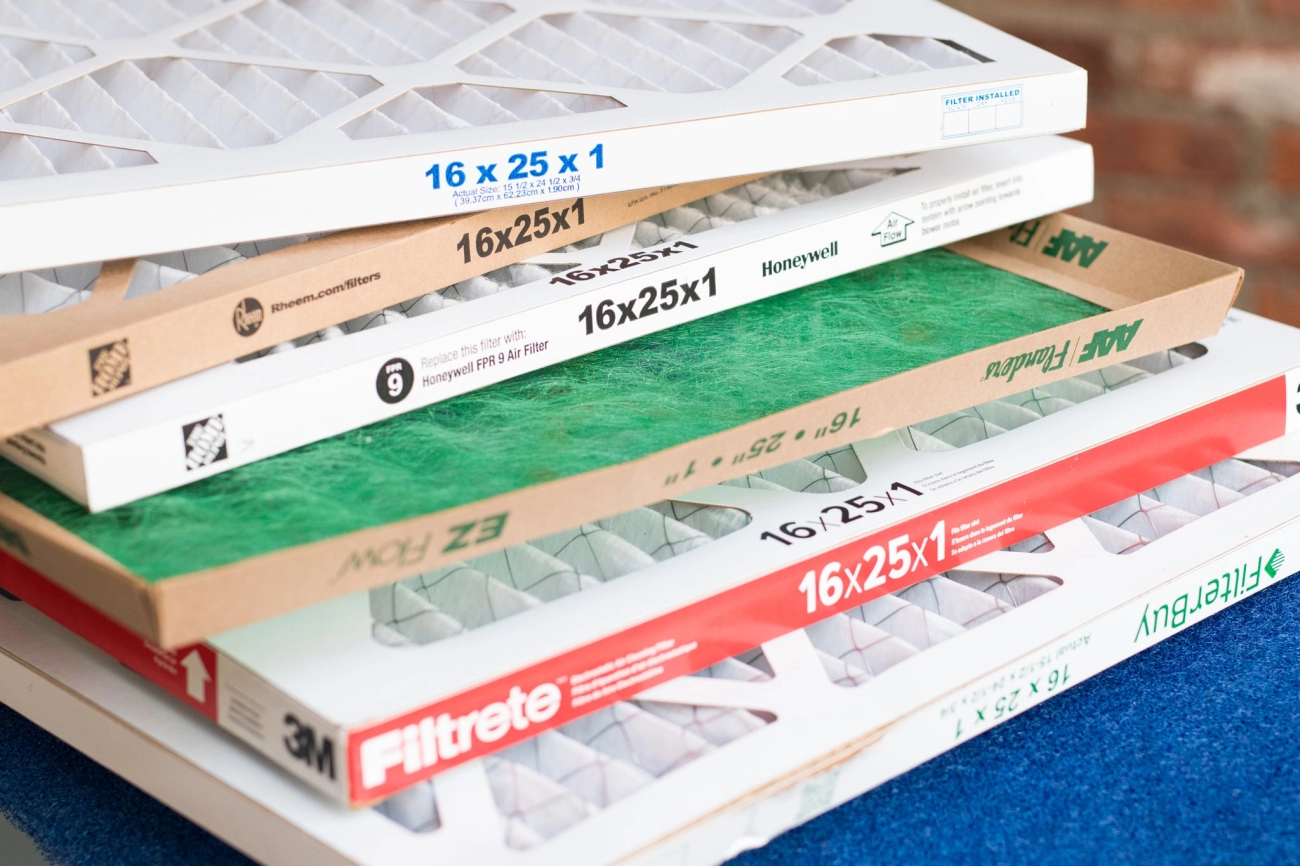
Choosing between pleated vs. fiberglass air filters depends on your home’s needs and priorities. Here’s a simple guide to help you decide.
Ideal Scenarios for Fiberglass Filters
- Budget-friendly option: If you need a basic filter and want to keep costs low, fiberglass filters are a solid choice.
- Low dust environments: Perfect for homes where air quality isn’t a big concern, such as seasonal use or places with less pollution.
- Short-term use: Great for quick furnace filter replacement schedules without worrying about long-term maintenance.
- Minimal airflow restriction: Fiberglass filters offer less airflow resistance, which can be good for older HVAC systems with limited power.
When to Choose Pleated Filters
- Improved indoor air quality: Pleated filters trap allergens and fine dust better, making them the best air filters for allergies.
- Longer lifespan: These filters last longer, so you replace them less often, saving money over time despite a higher upfront cost.
- Higher MERV rating: If you want superior filtration to catch smaller particles, pleated filters are your go-to.
- Custom sizing available: If your HVAC needs non-standard dimensions, custom-sized pleated air filters fit perfectly.
- Eco-friendly options: Many pleated filters are made with recyclable or sustainable materials, reducing your environmental footprint.
Factors to Consider in Your Home
- Allergy and asthma concerns: If family members suffer from respiratory issues, pleated air filters deliver better allergen trapping HVAC filters.
- HVAC system type: Older systems may benefit from fiberglass filters due to less airflow restriction, but modern systems handle pleated filters well.
- Budget and maintenance: Fiberglass is cheaper but needs more frequent replacement. Pleated filters cost more upfront but provide cost savings long term.
- Air quality goals: For improving overall indoor air quality, pleated filters are the better option.
Common Myths Debunked
- Myth: Fiberglass filters protect your system better because of less airflow restriction.
Fact: Pleated filters usually improve system performance by keeping dust out longer, which reduces wear. - Myth: Pleated filters are always too restrictive for standard HVAC systems.
Fact: Most modern HVAC units are designed to work smoothly with pleated filters. - Myth: Fiberglass filters are disposable and better for short-term use only.
Fact: They can be used longer, but don’t offer the same filtration efficiency.
By considering these points, you can pick the right air filter that fits your home’s needs while balancing cost, efficiency, and air quality.
Expert Tips for Installation, Maintenance, and Maximizing Performance
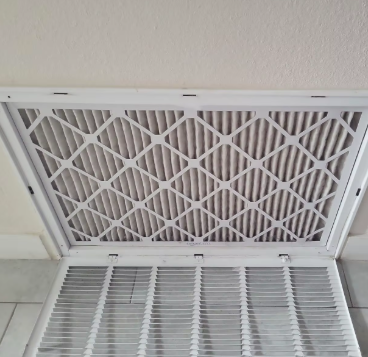
Getting the most out of your fiberglass or pleated air filters starts with proper installation and maintenance. Here are some easy tips to keep your HVAC system running smoothly and your indoor air clean:
- Check Fit Before Installing: Always ensure your filter fits perfectly. A snug fit prevents air from bypassing the filter, which helps maintain filtration efficiency. For custom-sized pleated air filters, measure twice and order once.
- Follow the Airflow Direction: Most filters have arrows indicating airflow direction. Install the filter with these arrows pointing toward the blower to ensure proper performance.
- Replace Filters Regularly: Stick to a regular furnace filter replacement schedule—typically every 1 to 3 months, depending on your usage, pets, and indoor air quality needs. Pleated air filters usually last longer than fiberglass, but both need timely changes.
- Keep the Area Around Your HVAC Clean: Dust and debris around your air handling unit can quickly dirty filters. Wipe down vents and keep your system free of dust buildup.
- Consider Your Home Environment: Homes with pets, smokers, or residents with allergies may require more frequent filter changes or upgraded pleated filters with higher MERV ratings.
- Avoid Overloading Filters: Don’t let filters get overly dirty; this restricts airflow and puts extra strain on your HVAC system. Clean air means better energy efficiency and longer system life.
- Store Extra Filters Properly: Keep unused filters in a dry, clean place to prevent damage before installation.
By following these simple steps, you’ll maximize your HVAC efficiency, improve indoor air quality, and extend the life of your filters. For reliable, high-performance pleated filters designed with these benefits in mind, explore our range at Komtfil pleated filters. For budget-friendly fiberglass options, check out our fiberglass air filters.
Why Komtfil Pleated Filters Are Your Best Bet for Superior Air
When it comes to improving your indoor air quality, Komtfil pleated filters stand out as a top choice. Unlike standard fiberglass air filters, our pleated filters offer higher MERV ratings, which means they trap smaller particles like dust, pollen, and allergens more effectively. This helps keep your home’s air cleaner and healthier, especially if you or your family deal with allergies or respiratory issues.
Komtfil pleated filters are designed for durability and a longer HVAC air filter lifespan. They maintain good airflow without putting too much strain on your HVAC system, balancing efficient filtration with smooth operation. Plus, their custom-sized pleated air filters fit a wide range of systems, so you get precise protection tailored to your home.
Another big advantage is cost savings over time. Though pleated filters may have a higher upfront price than fiberglass filters, their extended lifespan and better filtration reduce the frequency of replacement. This leads to fewer purchases and less waste overall.
Choosing Komtfil also means you’re working with a supplier and manufacturer committed to high-quality, eco-friendly air filtration options. We back our filters with solid craftsmanship so you can trust your indoor air stays fresh without compromising the environment.
For detailed info on our other advanced filtration solutions, check out our panel filters and fiberglass air filter options to see how Komtfil can meet all your air quality needs.