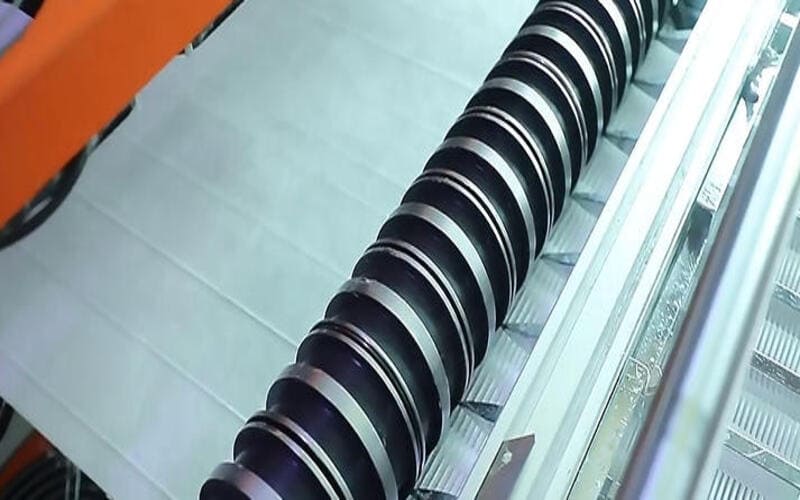
Discover what a cabin air filter does to trap dust pollen and pollutants for cleaner healthier car air with Komtfil premium filters
What Is a Cabin Air Filter and Where Is It Located?
A cabin air filter is a small but mighty part of your vehicle’s HVAC system. It cleans the air coming into your car’s interior by trapping dust, pollen, pollutants, and other particles. Think of it as your car’s personal air purifier, helping you breathe fresher air on every drive.
Unlike the engine air filter, which protects the engine from dirt and debris, the cabin air filter focuses solely on the air inside the vehicle’s passenger compartment. While both filters are crucial, they serve very different roles.
Where exactly is this filter? Most cabin air filters are tucked behind the glove box, under the dashboard, or under the hood near the windshield. Its location varies by vehicle make and model but finding it is pretty straightforward.
For hassle-free maintenance, Komtfil universal-fit cabin air filters are designed for easy access and quick replacement across a wide range of vehicles. This saves you time and keeps your ride comfortable without fuss.
How Does a Cabin Air Filter Work to Protect Your Drive?
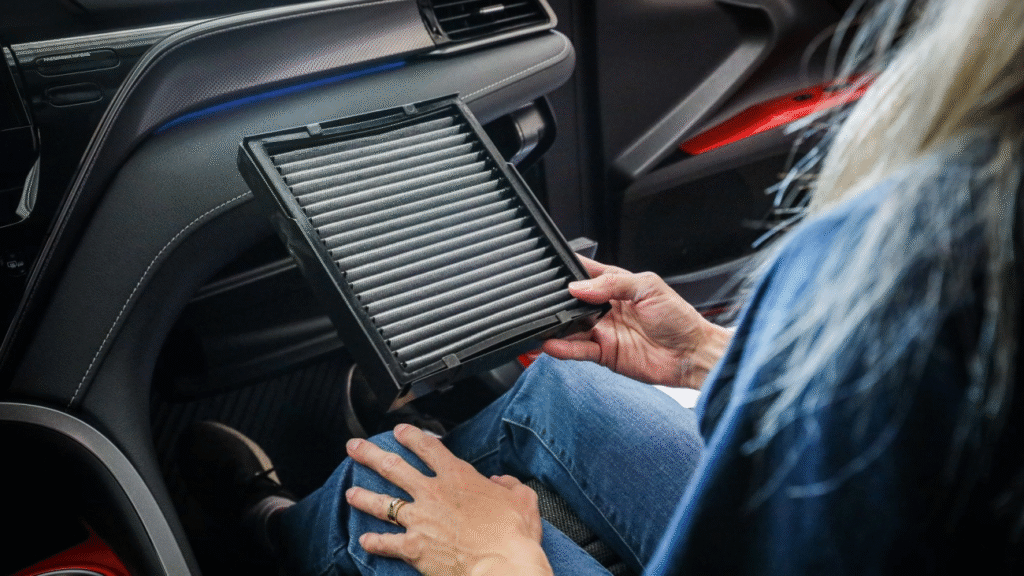
A cabin air filter cleans the air before it enters your vehicle’s interior, protecting you and your passengers from unwanted pollutants. Here’s how the air filtration process works step-by-step:
- Air Intake: Outside air is pulled into your car through vents.
- Initial Filtering: The cabin air filter catches large particles like dust, leaves, and dirt.
- Fine Filtration: Smaller allergens such as pollen, mold spores, and exhaust pollutants get trapped in the filter’s fine fibers.
- Odor Control: Many cabin air filters, including activated carbon filters, neutralize common odors from pollution, smoke, and road grime.
- Clean Air Delivery: Fresh, cleaner air flows through your HVAC system into the cabin for breathing and comfort.
This filtration is essential because it reduces allergens and harmful pollutants, making your drive healthier and more enjoyable. Plus, a clean cabin air filter helps your HVAC system run more efficiently. When the filter is clogged, airflow gets blocked, forcing the system to work harder and potentially driving up energy use and repair costs.
Choosing a high-quality cabin air filter, like Komtfil with activated carbon, ensures you get the best protection and odor control all year round.
Why Your Cabin Air Filter Matters for Health Comfort and Savings?
A clean cabin air filter makes a big difference inside your vehicle. First off, it helps keep your health in check by filtering out pollen, dust, and other allergens that can cause sneezing, congestion, or worse—especially if you live in areas with high pollen or pollution. For allergy sufferers or anyone sensitive to air quality, this means relief every time you drive.
Comfort-wise, a good cabin air filter ensures the air inside your car feels fresh. It also helps reduce window fogging by improving airflow, which keeps your windshield clearer and your drive safer, especially on cold or humid days. Nobody likes breathing stale or smelly air, and that’s where filters with activated carbon layers, like Komtfil’s, really shine by neutralizing odors.
Beyond health and comfort, a clean filter contributes to your vehicle’s longevity and better fuel efficiency. When airflow isn’t blocked, your HVAC system works more efficiently, using less energy and putting less strain on your engine. That translates to savings over time on fuel and repairs.
Komtfil’s HEPA-grade filters take these benefits further by capturing even smaller particles. These high-performance filters are perfect for customers concerned about fine dust, smoke, or urban pollution, ensuring top-notch interior air quality no matter the local environment.
Keeping your cabin air filter fresh isn’t just a good idea—it’s key to a healthier, more comfortable, and cost-effective driving experience.
Signs of a Clogged Cabin Air Filter: Dont Ignore These Red Flags
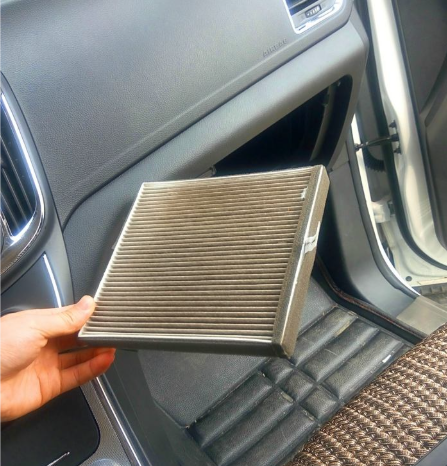
A dirty or clogged cabin air filter can cause a few noticeable problems while driving. Watch out for these common symptoms:
- Weak airflow from your vents, even when the fan is on high.
- Unpleasant odors or musty smells inside the car.
- Increased dust or pollen inside the cabin.
- Fogged-up windows that don’t clear easily.
- Allergy or respiratory irritation becoming worse during drives.
To check your cabin air filter, grab a flashlight and take a look inside the filter housing. If the filter looks dark, packed with dirt, leaves, or debris, it’s time for a replacement.
Replacing your cabin air filter promptly helps avoid:
- Extra strain on your HVAC system
- Higher repair costs
- Poor air quality impacting your health
Quick Self-Check Checklist
- Is the airflow weaker than usual through your vents?
- Do you smell a bad odor when the A/C or heat is on?
- Are your windows fogging up quickly inside?
- Notice more dust or allergy symptoms in the car?
- Has it been over 12,000 to 15,000 miles since your last cabin air filter replacement?
If you answered yes to any of these, don’t wait. Changing your cabin air filter keeps your drive healthier, fresher, and more comfortable.
How Often Should You Replace Your Cabin Air Filter and Maintenance Schedule
Most vehicle makers suggest replacing the cabin air filter every 12,000 to 15,000 miles or about once a year. But this can vary depending on where you drive and the air quality in your area. If you live in a city with lots of pollution or high pollen levels, you might need to change it more often to keep your air fresh.
Several factors affect how often you should replace your cabin air filter:
- Driving conditions: Dusty roads, heavy traffic, and smog increase buildup.
- Seasonal allergies: Higher pollen seasons mean filters work harder.
- Use of HVAC system: Frequent heating or AC use clogs filters faster.
To make maintenance easier, try syncing your cabin air filter replacement with other regular car services like oil changes or tire rotations. This keeps your schedule simple and ensures you don’t forget.
Komtfil also offers a convenient reminder service that alerts you when it’s time for a cabin air filter replacement. This helps keep your vehicle’s air quality in top shape without the guesswork.
DIY vs Professional Replacement: Step-by-Step Guide with Komtfil
Replacing your cabin air filter is a straightforward job, especially with Komtfil’s easy-to-install filters. Here’s what you need and how to do it yourself, plus when to get a pro involved.
Tools Needed for Replacement
- Screwdriver or socket wrench (depends on vehicle)
- Flashlight (to inspect the filter housing)
- Clean cloth (to wipe the filter area)
Komtfil universal-fit filters make access easier, so most drivers won’t need extra tools beyond these basics.
Stepwise DIY Instructions
- Locate the cabin air filter compartment (usually behind the glove box or under the hood).
- Open or remove the glove box or cover panel.
- Slide out the old filter carefully to avoid dust spilling inside.
- Inspect the compartment for dirt and wipe if needed.
- Insert the new Komtfil cabin air filter following airflow arrows marked on the filter.
- Reassemble the compartment and glove box.
- Start your vehicle and enjoy fresher air.
When to Consider Professional Help
- If you’re unsure of your vehicle’s filter location.
- When access requires removing major dash components.
- If you notice damage to the filter housing or HVAC system.
- For those who want the job done quickly and hassle-free.
Cost Comparison and Savings
Doing it yourself with Komtfil filters typically costs $20 to $40 for the filter alone—saving $50 or more compared to professional service fees. Plus, frequent DIY replacements help avoid costly HVAC repairs down the road.
Choosing the Right Cabin Air Filter Types and Komtfil Recommendations
When it comes to choosing the right cabin air filter, understanding the different types available is key. Most filters fall into three categories: basic particulate filters, activated carbon filters, and HEPA filters. Basic filters catch dust and pollen, activated carbon filters go a step further by neutralizing odors and harmful gases, while HEPA filters offer the highest level of protection by capturing tiny allergens and pollutants that other filters might miss.
Fit and compatibility matter a lot. Not every filter works with every vehicle, so make sure you pick one designed for your car’s make and model. Komtfil offers universal-fit options that make installation easy, plus model-specific filters to guarantee a perfect fit.
Komtfil filters stand out for their high performance and use of eco-friendly materials. Their HEPA-grade filters, for example, deliver superior air quality by filtering out up to 99.97% of airborne particles, which is a big win for health and comfort, especially for drivers in high pollen or urban pollution areas. Plus, Komtfil is committed to sustainability, using recyclable components wherever possible to reduce environmental impact.
Choosing a Komtfil cabin air filter means you get reliable protection, easy installation, and peace of mind knowing you’re breathing cleaner air during every drive.