Find out what size air filter you need with easy measurement tips common sizes and expert advice for better HVAC performance and air quality.
Understanding Air Filter Sizes
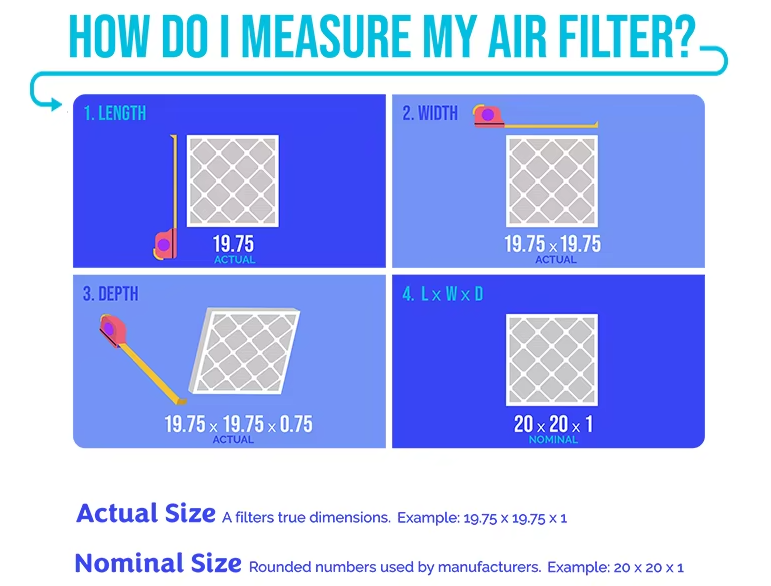
When it comes to choosing the right air filter, knowing the correct size is your first and most important step. Air filter sizes are usually given in three dimensions: Length x Width x Thickness. These measurements are typically in inches and describe the physical size of the filter that fits into your HVAC system or furnace.
How Air Filter Dimensions Work
- Length: The longest side of the filter
- Width: The shorter side perpendicular to the length
- Thickness: The depth of the filter, usually 1, 2, or even 4 inches
Understanding these dimensions helps you match the filter precisely to your unit’s requirements.
Nominal vs Actual Sizes
Be careful about nominal sizes versus actual sizes. The nominal size is the size labeled on the filter box (like 16x20x1), but the actual size inside the frame is often about 1/2 inch less in length and width. This is normal and designed for easy installation. Avoid confusion by always measuring your existing filter or slot before ordering.
Common Air Filter Sizes for Homes
Most homes use filters in these popular sizes:
| Nominal Size (inches) | Actual Size (inches) |
|---|---|
| 16 x 20 x 1 | 15.5 x 19.5 x 0.75 |
| 20 x 20 x 1 | 19.5 x 19.5 x 0.75 |
| 20 x 25 x 1 | 19.5 x 24.5 x 0.75 |
| 16 x 25 x 1 | 15.5 x 24.5 x 0.75 |
This quick reference helps you double-check your measurements easily. If your filter size isn’t listed here, don’t worry – there are custom solutions available.
Getting the right size means better fit, higher filtration efficiency, and no air bypass, all key to keeping your home’s indoor air quality at its best. For details on choosing the right filter material, check out our guide on pleated vs fiberglass filters, and for cleaning tips, visit how to clean air filter step by step.
Step-by-Step Guide: How to Find Your Exact Air Filter Size

Finding the right air filter size is easier than you think. Here are three simple methods to get your exact HVAC filter dimensions:
Method 1: Check Your Existing Filter
This is the quickest and easiest way. Just take out your current air filter and look for the size printed on the edge. It usually shows length x width x thickness in inches (for example, 16 x 20 x 1). If it’s readable, you’re all set to order the same size.
Method 2: Measure the Filter Slot Yourself
If your old filter isn’t labeled or you want to double-check, measure the filter slot inside your HVAC unit or furnace. Use a tape measure and record the length, width, and thickness. Always measure from inside edge to inside edge of the slot to get the actual size. Round up any fractions to the nearest whole inch for ease of ordering.
Method 3: Consult Your HVAC Manual or Manufacturer
If you don’t have an old filter and you’re unsure about the size, check your HVAC system manual—most list recommended filter sizes. Alternatively, contact your system’s manufacturer or installer for the correct dimensions. This method is especially helpful when dealing with uncommon or custom air filter sizes.
Using any of these three methods, you can confidently find the filter size your home needs.
Factors Beyond Size: Choosing the Right Filter Type and Rating for Your Needs
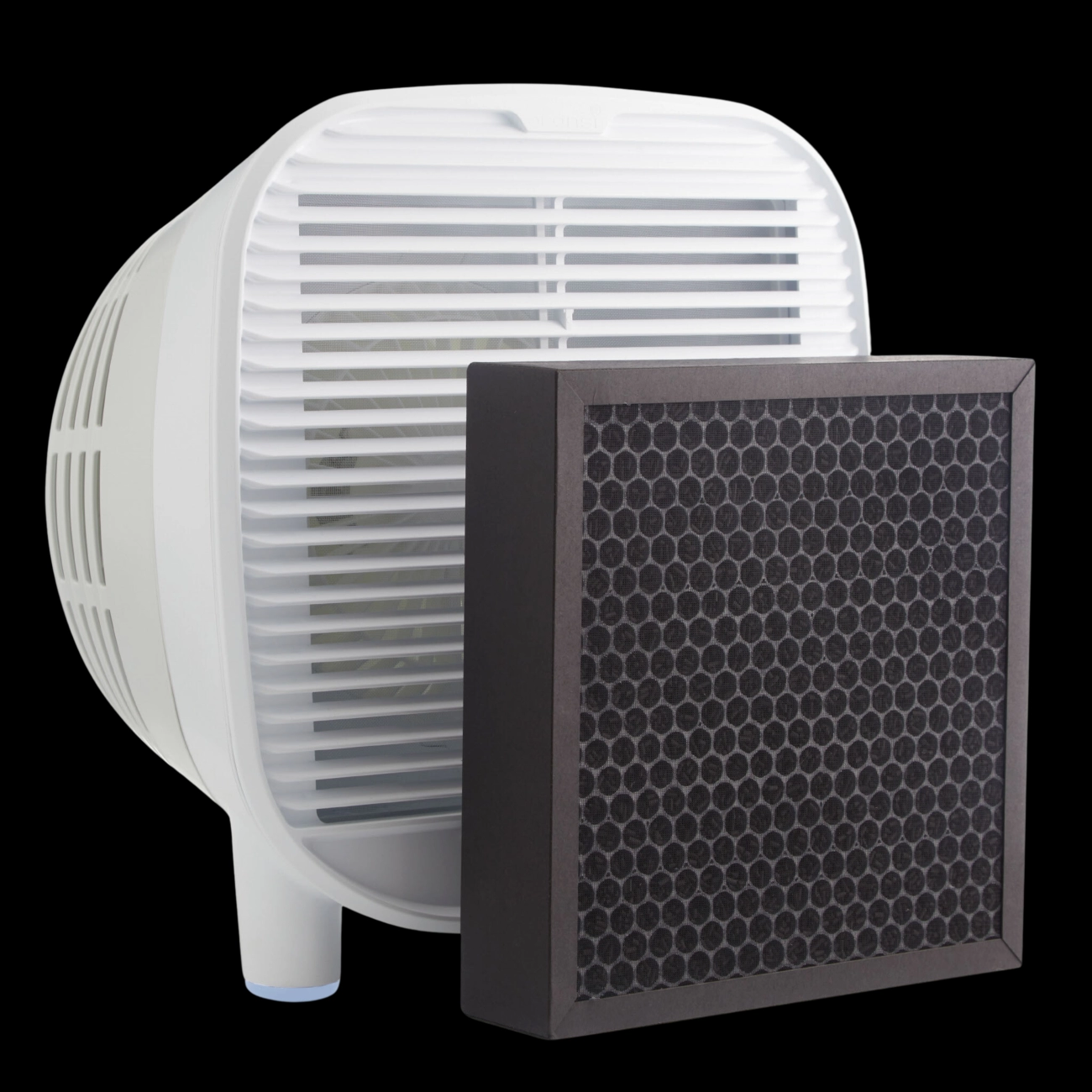
Knowing the size of your air filter is just the start. Picking the right filter type and MERV rating is equally important to keep your home’s air clean without sacrificing airflow.
MERV Ratings Explained: Balance Filtration and Airflow
MERV (Minimum Efficiency Reporting Value) rates how well a filter captures particles. The higher the MERV rating, the more particles the filter traps—from dust and pollen to bacteria. But higher ratings can also reduce airflow, which might stress your HVAC system. Most homes do well with a MERV 8 to 13 filter, offering a good balance of clean air and proper airflow.
Filter Types: Pleated Fiberglass, Washable, and More
- Pleated Filters: Popular for their efficiency and longer life, pleated filters trap more dirt than flat filters.
- Fiberglass Filters: Affordable but less efficient, these are best for basic dust protection.
- Washable Filters: Reusable and eco-friendly, but need regular cleaning to stay effective.
- Other options, like HEPA filters, work great if you have allergies, but may not fit all HVAC systems.
Replacement Frequency: How Often to Swap Based on Your Lifestyle
How often you change your filter depends on usage and living conditions:
- For average families, replace every 90 days.
- If you have pets or allergies, swap every 30-60 days.
- Homes in dusty or high-pollution areas may need changes even more often.
Regular replacement keeps your system efficient and your indoor air quality high.
Choosing the right combination of size, filter type, and MERV rating ensures your home stays comfortable and your air stays fresh all year round.
What If Your Size Isn’t Standard? Custom Solutions and Troubleshooting

Sometimes your air filter size won’t match the common measurements you find in stores or charts. When that happens, don’t worry—there are ways to handle odd or non-standard sizes without messing up your HVAC system.
Handling Odd or Non-Standard Sizes
- Custom air filter sizes are available from many suppliers, including us, to fit unique slots exactly.
- Measure the exact dimensions (length x width x thickness) of your filter slot carefully before ordering.
- Consider adjustable frames or DIY solutions if you’re in a pinch, but make sure the filter fits snugly to avoid air leaks.
Common Mistakes and How to Fix Them
- Using the wrong size filter is the most common error. It can cause poor air quality, strain your HVAC, and reduce efficiency.
- Avoid filters that are even a little too loose or too thick. They won’t seal properly or might not fit at all.
- If you get the wrong size, most suppliers will offer exchanges or custom cuts—just check their policies.
Vehicle or Portable AC Filters Quick Sizing Tips
- Vehicle air filters usually have specific part numbers and sizes. Check your owner’s manual or the old filter for exact measurements.
- Portable AC units often use small or less common sizes. Measure the slot and thickness before buying, and look for filters designed for portable units.
If you’re unsure, reach out! We specialize in custom sizes and can help you pick the right filter for your home, car, or portable unit so you stay comfortable and your air stays clean.
Why Choose Komfil Premium Filters Tailored for Effortless Home Maintenance
When it comes to air filters, Komfil premium filters stand out because they’re designed with your convenience and your home’s air quality in mind. We know how important it is to keep your HVAC system running smoothly without the hassle, and that’s exactly what our filters deliver.
Here’s why Komfil filters make sense for you:
- Accurate HVAC Filter Dimensions: Our filters are made to fit standard and custom sizes perfectly, so you never have to worry about gaps or forcing a filter that doesn’t fit.
- Reliable Air Quality: With a range of MERV ratings, Komfil filters balance great filtration with good airflow, helping improve your indoor air quality without slowing down your HVAC system.
- Durable and Efficient Materials: We use pleated and fiberglass construction options that trap dust, allergens, and other particles effectively, making your home healthier.
- Easy Replacement: Komfil filters are built for repeated use, often lasting longer than cheap filters, which means fewer replacements and less hassle on your air filter replacement schedule.
- Made for American Homes: Manufactured with U.S. standards in mind, Komfil filters suit the diverse climates and HVAC setups found across the country.
Choosing Komfil means reliable filtration that fits right, protects your system, and keeps your home comfortable—all without the guesswork or guesswork fixes. It’s the simple choice for lasting home maintenance and clean air year-round.