Learn which way the air filter arrow points for proper HVAC installation to boost airflow efficiency air quality and energy savings.
Why Air Filter Direction Matters The Impact on Your Home’s Airflow and Efficiency
Ever wonder which way does the air filter go in your HVAC system? Getting the direction right isn’t just a picky detail—it’s key to your home’s airflow and energy efficiency. Most air filters come with an HVAC air filter arrow direction printed on the side, and that arrow points the way air should flow through the filter. Installing the filter backward can block airflow, strain your system, and reduce indoor air quality.
Think of it like a one-way street for air: if you go the wrong way, you get traffic jams. When air passes through the filter as designed, it traps dust and allergens efficiently while letting your HVAC work smoothly. This keeps your system running longer and your energy bills lower. In short, the right proper air filter orientation makes your home more comfortable, healthier, and saves you money on maintenance and energy costs.
So, before you slide that filter in, double-check the arrow. It’s a little step that makes a big difference!
Step-by-Step How to Determine and Install Your Air Filter the Right Way
Locating the Airflow Arrow on Your Filter
The first thing to do is find the HVAC air filter arrow direction printed on the edge of the filter. This arrow shows which way the air flows through the filter. Most filters have it clearly marked—look for words like “Airflow” or an arrow pointing in one direction. It’s important because the filter media inside is designed to catch dust best when air moves in this direction.
Identifying Your HVAC Airflow Direction
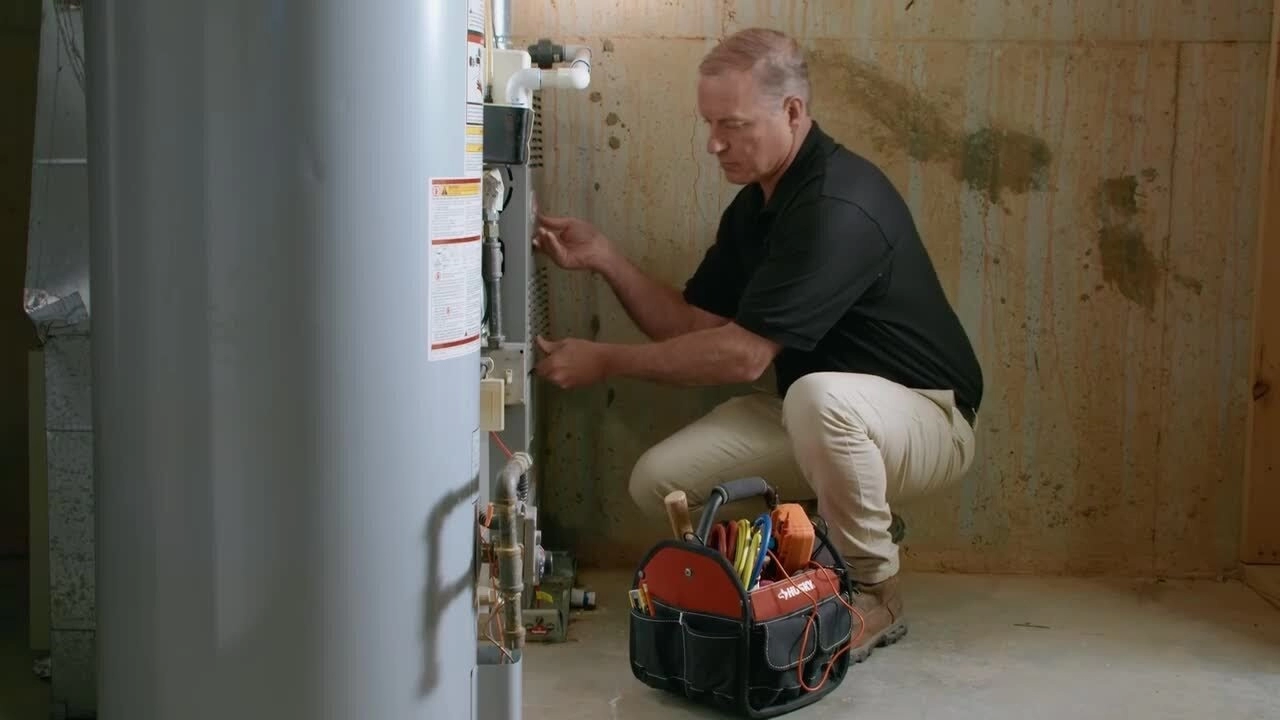
Next, figure out which way the air flows in your system. In most HVAC setups, air moves from the return duct toward the furnace or air handler unit. Here’s how to spot it:
- Look inside your HVAC cabinet near the filter slot.
- The air usually flows toward the unit (for example, the furnace or AC coil).
- Many filters come with the note “AC airflow arrow pointing toward unit”—this means install the filter so the arrow points at the furnace or air handler.
Easy Installation Guide Numbered Steps
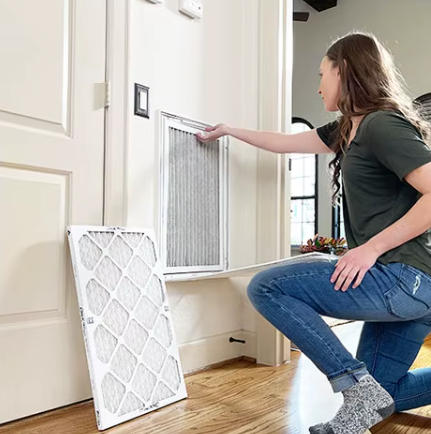
- Turn off your HVAC system to avoid dust or debris blowing around.
- Find the filter slot or return air duct where your old filter was located.
- Remove the old filter carefully.
- Check the arrow on your new filter—it must align with your system’s airflow direction (arrow pointing toward the furnace or air handler).
- Slide the filter into the slot, making sure it fits snugly without gaps.
- Turn your HVAC system back on.
Following these steps ensures proper filter installation, improving airflow and your HVAC’s efficiency while keeping your indoor air quality high.
Common Mistakes and Quick Fixes for Air Filter Installation
Getting your air filter direction wrong is a common issue that can hurt your HVAC system’s performance and indoor air quality. Here are some frequent mistakes and how to fix them quickly:
- Installing the Filter BackwardThe HVAC air filter arrow direction always points toward the furnace or AC unit. Putting the filter in backward blocks airflow, reducing efficiency and stressing your system. Fix: Look for the airflow arrow on the filter frame and make sure it points toward the unit, not away from it.
- Ignoring the Size and FitUsing the wrong filter size lets dust bypass the filter and into your system. Always measure your filter slot and use the recommended size. Fix: Swap out filters that are too loose or too tight with the right dimensions for a proper seal.
- Skipping Filter Replacement SchedulesOverused filters become clogged and less effective, increasing energy costs and reducing indoor air quality. Fix: Replace your filters regularly based on your home’s usage and local air quality—for most, every 30 to 90 days works well.
- Not Checking HVAC Airflow DirectionEvery system can have a different airflow path. Installing the filter without knowing your HVAC airflow direction can cause issues. Fix: Identify your system’s airflow by checking inside the return air vents or consulting your furnace manual.
By avoiding these common mistakes, your filter will work better, improve your home’s air, and keep energy bills in check. If you want more tips on furnace maintenance, check out our detailed Furnace filter installation guide.
When to Replace Your Air Filter Schedules Tailored to Local Habits
Knowing when to replace your air filter is just as important as installing it the right way. Changing your filter on time keeps your HVAC system running smoothly, improves indoor air quality, and saves energy. Here’s a simple guide based on typical local habits and conditions common across the U.S.:
- Every 1 to 3 months for standard fiberglass or pleated filters in most homes.
- More often during high-use seasons like summer for AC or winter for heating, when your system runs nonstop.
- If you have pets, allergies, or smokers in the house, check and replace filters monthly or every 30-45 days.
- In dusty or windy areas, or if you live near construction sites, inspect the filter every month and replace as needed.
Don’t wait until your filter looks dirty—old or clogged filters reduce airflow, strain your HVAC, and can cause backward air filter consequences like higher energy bills or poor air quality. Setting reminders with your local weather changes or using a DIY furnace maintenance schedule can help keep you on track.
For the best results, pair timely replacement with premium filters like Komtfil’s line, designed for lasting performance and improved indoor air quality. This way, you’ll avoid frequent changes and improve your home’s comfort.
Regularly updating your HVAC air filter and paying attention to your home’s specific needs ensures efficiency all year round.
Enhance Your Setup with Komtfil Premium Filters for Lasting Performance
Using the right air filter makes all the difference, and Komtfil premium filters are designed to do just that. They offer better filtration that traps more dust, pollen, and allergens without slowing down your HVAC system. This means your home’s indoor air quality improves, and your system runs more efficiently.
Here’s why Komtfil filters stand out:
- High MERV ratings that balance filtration and airflow
- Durable materials that hold up longer than standard filters
- Designed for easy installation with clear airflow arrows for proper orientation
- Help reduce energy bills by keeping your system clean and efficient
Upgrading to Komtfil filters means fewer filter changes, better air quality, and a more comfortable home year-round. For U.S. homeowners looking for reliable, energy-efficient solutions, these filters are a smart choice to keep your system running its best.
FAQs Answering Your Top Air Filter Direction Questions
Which way does the air filter go?
Always install your air filter with the airflow arrow pointing toward your HVAC unit (furnace or AC). This ensures proper filtration and airflow.
How do I find the airflow direction in my HVAC system?
Look for the arrow on your current filter or check your HVAC system’s blower fan direction. Air flows from the return vent toward the furnace or air handler.
What happens if I install the air filter backward?
A backward air filter can block airflow, reduce system efficiency, and cause your HVAC to work harder. It may also shorten filter life and harm indoor air quality.
How often should I replace my air filter?
Typically, replace every 1 to 3 months. Homes with pets, allergies, or heavy dust may need more frequent changes. Check your furnace filter installation guide for details specific to your system.
Can I install any type of filter in any direction?
No. Proper air filter orientation is essential. High MERV rating filters need correct airflow direction to work effectively without damaging your HVAC.
Where can I find premium filters that last longer?
Consider upgrading to Komtfil Premium Filters for better performance and energy efficiency. These are designed for U.S. homes and help improve indoor air quality.
If you want tips on maintaining your HVAC or more details about proper filter installation, check out our Furnace Filter Installation Guide and DIY furnace maintenance schedule for local homeowners.