
Komtfil is a leading cabin air filter manufacturer providing a diverse range of cabin air filters for your car and light trucks with premium-quality, OEM fit, and custom service.
A cabin air filter is an essential, yet often overlooked, component of your vehicle’s overall HVAC system. Positioned between the outside environment and your car interior, this mechanical filter serves as the front line of defense against poor exterior air quality. As air is pulled into the vehicle, it is forced through the filter media, which physically traps unwanted particles, ensuring that the air circulating inside the cabin remains clean and safe to breathe.
The primary role of a cabin air filter is to purify the air entering through your vehicle’s ventilation system, air conditioning, and heating vents. As a dedicated cabin air filter manufacturer, we engineer these components to act as a highly efficient barrier. The core functions include:
While cabin air filters are a staple of modern vehicle maintenance, they are not universally present in every vehicle on the road.
Checking your vehicle’s manual or consulting a trusted mechanic will quickly confirm your specific fitment and filter location.
The effectiveness of a cabin air filter depends entirely on the density and quality of the filter media. High-performance filters are rigorously tested to handle everything from large debris to microscopic pollutants.
As a cabin air filter manufacturer, we design different types of filters to handle specific environmental challenges. Understanding your options is crucial for maintaining excellent interior air quality and protecting your vehicle’s HVAC system.
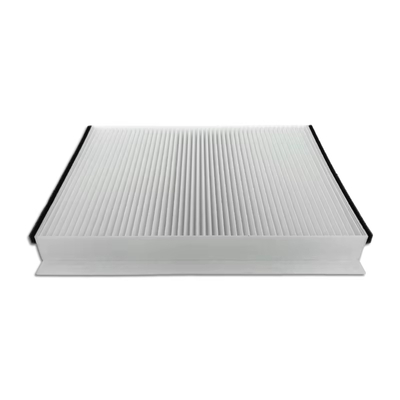
Standard particulate filters are the most common mechanical filter found in a vehicle’s ventilation system. They use basic, porous filter media to trap larger airborne contaminants before they enter your car interior.
Primary targets: Dust, pollen, and road debris.
Best for: Drivers in areas with good outside air quality who need basic protection.
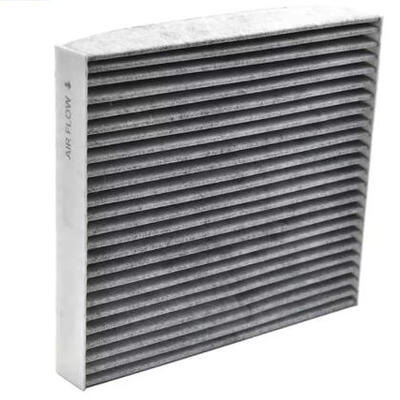
If you frequently drive in heavy traffic, upgrading to an activated carbon air filter makes a noticeable difference. These filters feature an additional layer of treated charcoal designed to absorb harmful gases.
Primary targets: Exhaust fumes, smog, and unpleasant odors.
Best for: Urban commuters wanting to block outside smells and chemical pollutants from entering the cabin.
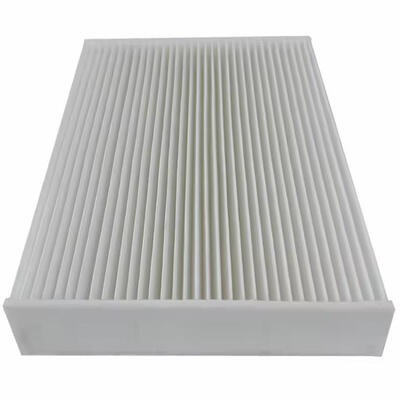
For maximum protection, a HEPA filter is the ultimate choice. Utilizing advanced N95-grade filter media, these auto parts capture up to 99.97% of airborne particles.
Primary targets: Microscopic pollutants, severe allergens, and fine particulate matter.
Best for: Drivers with asthma, severe allergies, or those living in areas with heavy wildfire smoke.
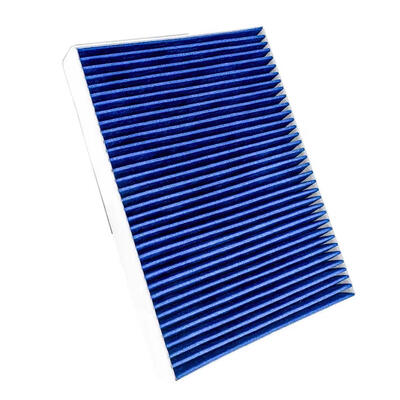
With some pre-treatment and coating, our car cabin air filter can effectively remove mold and bacteria.
Captures 99.97% of dust, pollen, mold spores, and other tiny particles for cleaner air inside your vehicle.
Activated carbon layer tackles smells and volatile organic compounds, keeping your cabin fresh.
Designed precisely for your vehicle to ensure easy installation and optimal performance.
By filtering air effectively, it reduces strain on your heating and cooling systems, potentially saving on repairs.
Choosing the right cabin air filters depends entirely on your driving environment and personal health needs. Routine vehicle maintenance should always include checking which filter fits your lifestyle best.
| Filter Type | Best Use Case | Key Benefit |
|---|---|---|
| Standard Particulate | Rural driving, basic maintenance | Cost-effective defense against dust and pollen |
| Activated Carbon | City driving, heavy traffic | Neutralizes strong odors and harmful smog |
| HEPA Filter | High-pollution areas, allergy sufferers | Traps microscopic pollutants and allergens |
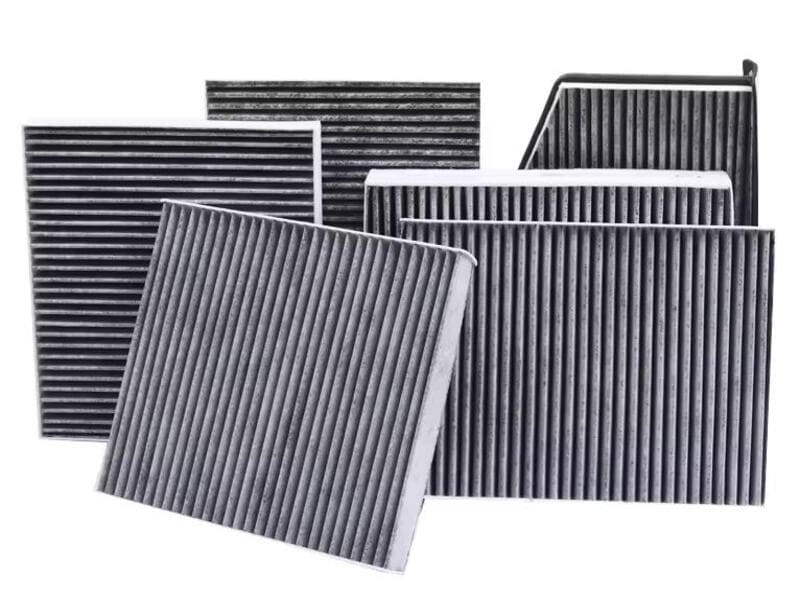
Komtfil cabin air filters work with a wide range of vehicles, including popular makes and models across the world. Whether you drive a sedan, SUV, or light truck, Komtfil offers filters designed to fit your specific vehicle year and model.
Compatible Brands Include:
Keeping your vehicle’s ventilation system running smoothly requires a solid maintenance routine. As a cabin air filter manufacturer, we know that a clean filter is the frontline defense for your car interior, ensuring you breathe clean air on every drive.
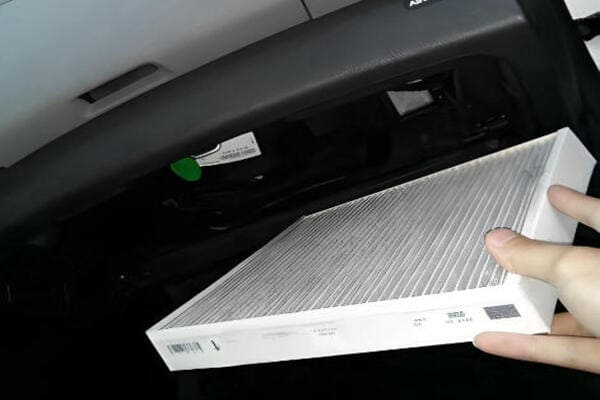
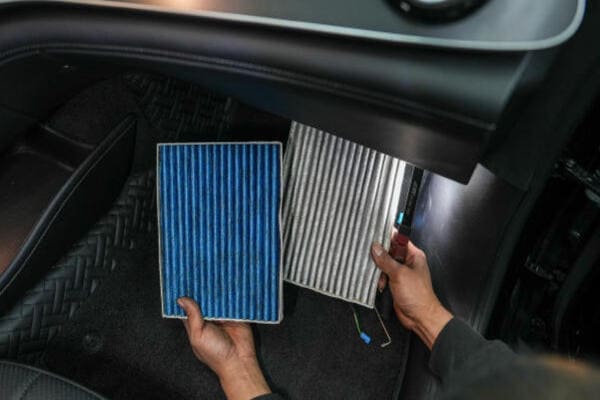
The standard replacement interval for most cabin air filters is every 15,000 to 30,000 miles. However, this timeline shifts based on your driving environment. If you regularly commute through heavy smog, navigate dusty rural roads, or live in areas with high pollen counts, you will need to swap the filter out sooner.
Sticking to a strict vehicle maintenance schedule is crucial for your interior air quality. A fresh mechanical filter actively blocks airborne contaminants, dust, and microscopic pollutants from entering the cabin.
Here is why regular replacements matter:
Yes, they generally do. Because a HEPA filter or one utilizing N95 grade filter media traps significantly smaller microscopic pollutants than standard options, the filter media reaches its capacity faster. While these advanced filters provide unmatched protection against fine dust and severe smog, you should plan to check and replace them more frequently to keep your ventilation system operating at peak performance.
As a cabin air filter manufacturer, we always emphasize that swapping out your filter is a vital part of routine vehicle maintenance. Taking care of this simple task directly improves your interior air quality and ensures your air conditioning and heating systems operate smoothly without strain.
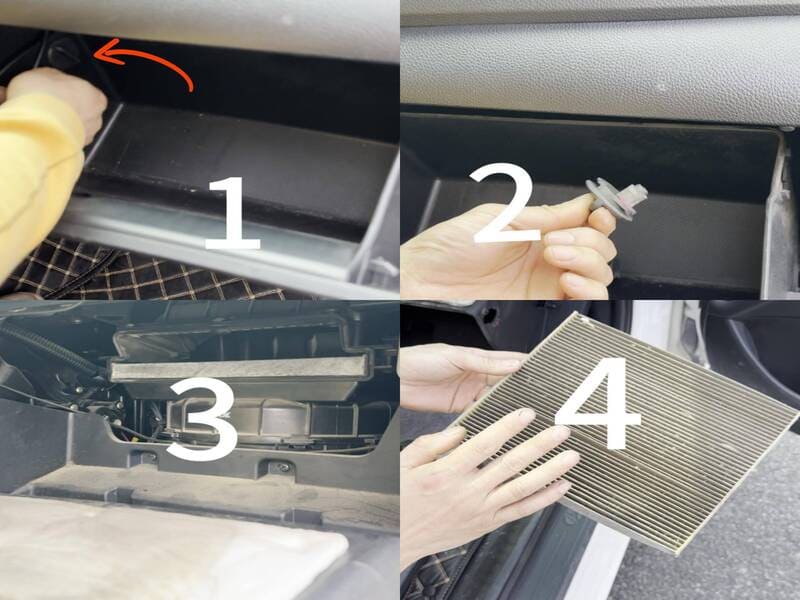
Before you can replace it, you need to find it. In the vast majority of modern vehicles, the filter is highly accessible.
Always check your owner’s manual to confirm the exact location and the correct fitment for your specific car model.
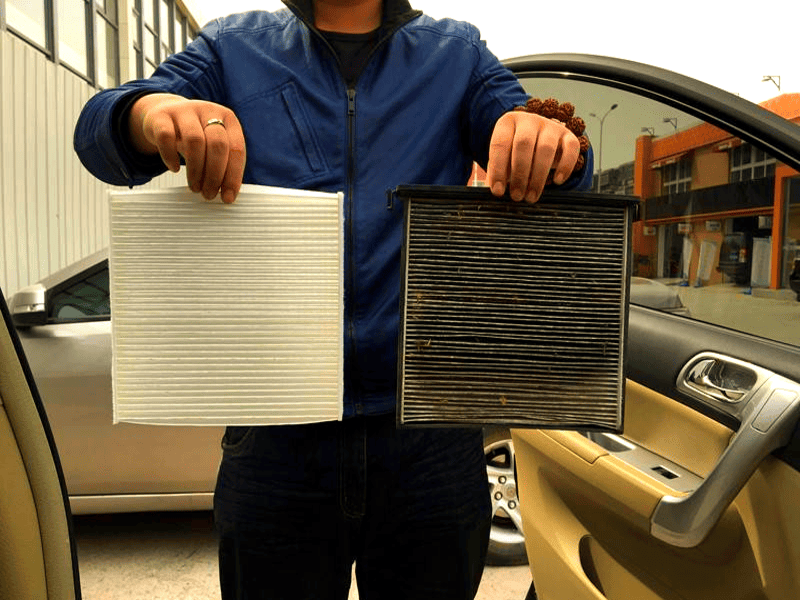
Yes, replacing cabin air filters is one of the easiest DIY auto jobs. You rarely need special tools, and the whole process usually takes less than 15 minutes.
Here is a quick breakdown of the process:
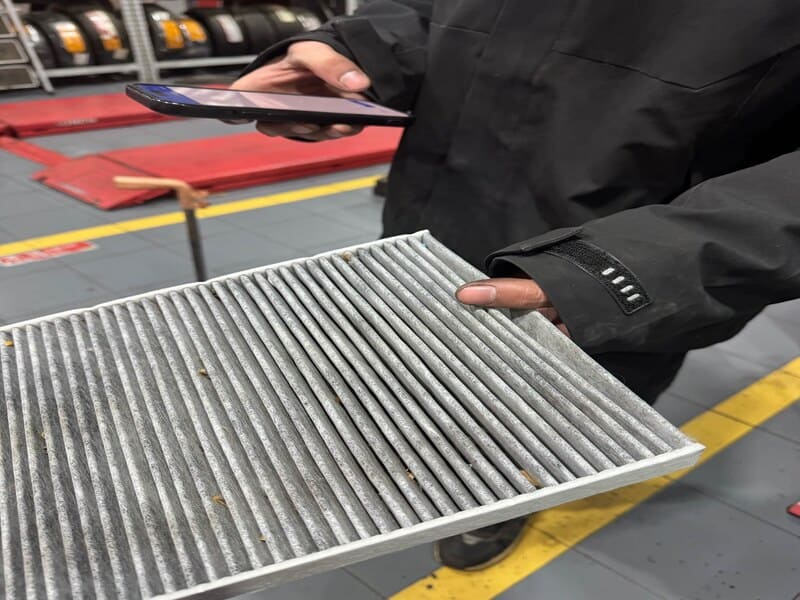
While most replacements are straightforward, some vehicle designs make it incredibly frustrating. If your car requires the removal of complex auto parts, hidden screws, or delicate interior trim panels, it is best not to force it.
If you lack the right tools or simply do not want to risk breaking plastic clips, taking your car to a trusted mechanic is the smartest move. They can handle your regular replacement interval quickly, ensuring your ventilation system remains completely sealed against airborne contaminants.
Choosing the correct cabin air filters is the final step in taking control of your interior air quality. With so many options on the market, narrowing down the best choice for your specific HVAC system requires a little bit of research, but it pays off in cleaner, fresher air.
You cannot simply buy a universal filter and expect it to work. Every car has specific dimensions for its ventilation system. If a filter is too small, unfiltered air will bypass the filter media, allowing dust, pollen, and smog straight into your car interior.
To get it right the first time:
When it comes time for vehicle maintenance, you will face the choice between Original Equipment Manufacturer (OEM) parts and aftermarket alternatives. As a cabin air filter manufacturer, we see the benefits of both sides, but aftermarket options often provide more flexibility.
Finding a reliable brand means looking beyond the packaging and focusing on the quality of the materials used to trap airborne contaminants.
When evaluating brands, look for these key indicators of quality:
Whether you buy directly from a trusted manufacturer or pick one up from your local auto parts store, prioritizing high-grade filter media ensures your vehicle’s cabin remains a safe, clean environment for every drive.
A dirty or clogged cabin air filter reduces airflow, making your HVAC system work harder. This can lower air quality inside your car, cause unpleasant odors, and aggravate allergies or respiratory issues.
Komtfil cabin air filters are designed for single use and can’t be cleaned effectively. For optimal filtration, it’s best to replace the filter rather than try to wash or reuse it.
Yes, Komtfil cabin air filters are compatible with most hybrids and electric vehicles. Please refer to the fitment guide to confirm the specific fit for your car make and model.
You can buy authentic Komtfil replacement cabin air filters directly from our factory. Simply send your inquiry to us, and we will handle everything. We offer bundles and subscription options to keep your vehicle’s air fresh all year.