Which Way Does an Air Filter Go? The Simple Answer
Installing your furnace filter in the correct direction is one of the simplest yet most critical aspects of routine HVAC maintenance. A properly oriented filter ensures optimal airflow, protects your heating and cooling system from debris, and maintains high indoor air quality. Getting it right takes only a few seconds when you know exactly what to look for.
The Universal Rule: Follow the Airflow Arrow
The absolute easiest way to determine the correct orientation is to look at the cardboard frame of your disposable filter. Manufacturers print one or more arrows pointing in the direction that the air should flow.
- The Rule: The air flow arrow must always point in the exact same direction that the air travels through your system.
- The Reason: Air filters are engineered with a specific front and back. The filter media is structurally reinforced on the back side to prevent it from collapsing into the blower motor when under pressure.
Does the Arrow Point Toward or Away From the Unit?
As a general standard for home maintenance, the arrow printed on your AC filter should always point toward the HVAC unit itself (the furnace or the air handler) and away from the return air duct.
| Installation Location | Where the Arrow Should Point |
|---|---|
| Furnace / Air Handler Slot | Point toward the inside of the main unit. |
| Wall or Ceiling Return Vent | Point inside the ductwork (away from the room). |
Pro Tip: Air is drawn from your living spaces, through the return vent, through the filter, and into the air conditioning unit or house furnace. Therefore, the arrow always points inward, following that exact path toward the system’s blower motor.
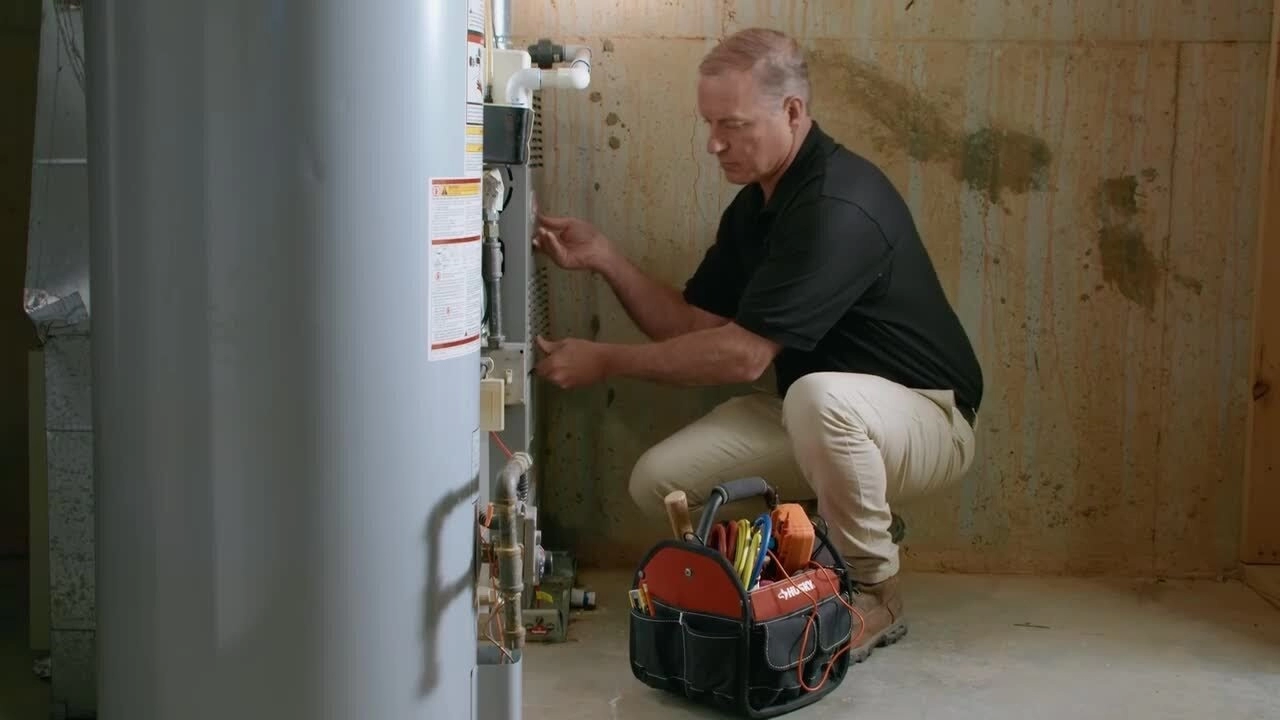
How to Determine Airflow Direction (Even Without an Arrow)
If your current filter is missing its markings or if you are staring at an empty slot, you can still figure out the correct airflow direction. Understanding how your HVAC system moves air ensures you get the best performance out of your equipment.
Locate the Return Air Duct and Blower Motor
Air always flows from your living spaces, through the return air duct, past the air filter, and into the blower motor. To find the direction of the air, locate the large return duct where unfiltered air enters the system. The air filter must face so that the air passes through it before reaching the furnace or air handler fan.
Check the Orientation of the Old Filter Before Removal
Before pulling out an old disposable filter, take a close look at how it sits in the housing.
- Look for any existing airflow arrows drawn by a previous HVAC technician.
- Note which side accumulated the most dust and debris—that dirty side is always the upstream side where air enters.
- Take a quick photo with your phone for easy reference during future home maintenance.
Identify the Wire Mesh Reinforcement on the Filter
Standard filters use a cardboard frame, but the filter media itself requires support to keep from collapsing under pressure.
- The wire mesh or cardboard grid side is the reinforced back of the filter.
- The smooth, unreinforced side is the front where air enters.
- The rule of thumb: The wire mesh reinforcement must always face the blower motor to prevent the filter from being sucked into the HVAC unit.
Step-by-Step Guide to Installing Your Air Filter Correctly
Installing a new air filter is one of the easiest ways to keep your heating and cooling system running smoothly. However, doing it wrong can restrict airflow and strain your equipment. Follow this straightforward guide to get it right every time.
Step 1: Turn Off the HVAC System Power
Before touching your air handler or ductwork, safety comes first. Always turn off the power to your HVAC system at the thermostat or the main breaker panel. > Important: Never change a disposable filter while the blower motor is actively running. A running system creates powerful suction that can pull loose debris, dust, or even the new filter media directly into the fan, causing immediate mechanical damage.
Step 2: Remove the Old Filter and Check Its Condition
Slide the old furnace filter out of its slot carefully to avoid shaking dust into your indoor air. Take a close look at the buildup on the cardboard frame and pleats. If it is caked in a thick layer of grey dust, you likely left it in too long.
This is also the perfect time to check your system requirements. If your household suffers from severe allergies, upgrading to a high-efficiency MERV 13 air filter can capture much smaller airborne particles than a standard fiberglass model.
Step 3: Insert the New Filter in the Correct Direction
Now, look at the edges of your new filter to find the air flow arrow.
- Match the Direction: Slide the new filter into the slot with the arrows pointing directly toward the blower motor and away from the return air duct.
- Check the Fit: Ensure the cardboard frame sits snug inside the housing without bending or buckling. A loose fit allows unfiltered air to bypass the filter completely.
- Secure the Cover: Secure the access panel or grille, and turn the system power back on.
Air Filter Direction for Specific Unit Types
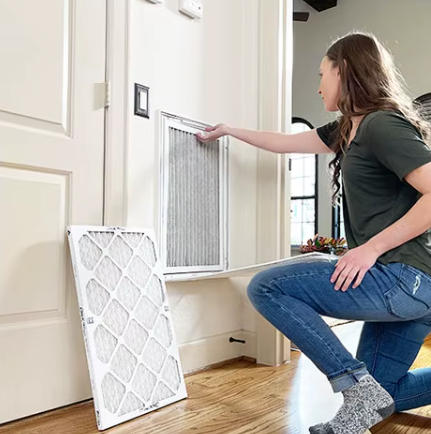
The correct airflow direction depends heavily on where your filter slot is located. Because different homes use different heating and cooling setups, you need to know exactly how air moves through your specific configuration to avoid installing a filter backwards.
Ceiling Return Vents and Wall Grilles
For systems where the return vent is located on a wall or high in the ceiling, the air is being sucked out of the room and into the ductwork.
- Ceiling Vents: The air flow arrow must point up toward the ceiling and away from the room.
- Wall Grilles: The arrow must point inward toward the wall duct, away from the living space.
- Pro Tip: The clean, unreinforced side of the cardboard frame faces you when you open the grille, while the mesh side faces inside the wall or ceiling.
Horizontal Furnace Filter Slots
In a horizontal house furnace or air handler setup—often found in attics, crawlspaces, or basements—the air moves sideways through the system.
To ensure proper HVAC maintenance, locate the return air duct (the large intake pipe bringing air in) and the blower motor (the main unit pushing air out). The arrow on your furnace filter must point away from the return duct and directly toward the blower motor unit.
Vertical HVAC Systems (Upflow and Downflow)
Vertical systems move air either up or down, and mixing these up is a common home maintenance mistake. To get the which way does air filter go step right, determine your system’s flow type:
| System Type | Airflow Direction | Arrow Placement |
|---|---|---|
| Upflow System | Air enters from the bottom and moves upward. | Point the arrow UP toward the unit. |
| Downflow System | Air enters from the top and moves downward. | Point the arrow DOWN toward the floor. |
Note: If you are unsure about your system’s flow direction, check our comprehensive guide on air handling unit filters to match your exact equipment configuration.
What Happens If You Install an Air Filter Backwards?
Putting a furnace filter in backward is an easy mistake, but it causes real problems for your heating and cooling system. Air filters are engineered to trap dust and debris from one specific direction. When flipped, the filter cannot do its job properly, forcing your entire HVAC system to work much harder than it should.
Restricted Airflow and Decreased System Efficiency
Airflow direction matters because filter media is built with a dense side and a porous side. When installed backward:
- The dense layer faces the incoming air first, clogging up almost instantly.
- Your system suffers from choked, restricted airflow.
- The climate control drops, leaving you with hot or cold spots around the house.
To prevent this drop in performance, keeping up with regular hvac maintenance and checking your airflow arrow during installation is vital.
Increased Strain on the Blower Motor and Furnace Components
An air conditioning unit or house furnace needs a steady stream of air to regulate its internal temperature.
- Blower Motor Burnout: Restricting the air forces the blower motor to pull harder, leading to overheating and premature failure.
- System Short-Cycling: Without enough air passing over the heat exchanger or cooling coils, the system will overheat or freeze up, causing it to shut down and restart constantly.
Higher Energy Bills and Reduced Indoor Air Quality
When a disposable filter is backward, it stops filtering efficiently. Large particles bypass the cardboard frame edges, pushing dust, pet dander, and allergens right back into your ductwork and living spaces. Because the air handler has to run longer cycles to reach your thermostat settings, your monthly energy bills will spike noticeably.
Common Air Filter Installation Mistakes to Avoid
Even with the right airflow direction, a few simple missteps can compromise your entire HVAC system. As an air filter manufacturer, we see these three common blunders happen all the time.
Buying and Using the Wrong Filter Size
Using a filter that does not fit perfectly is a recipe for system inefficiency.
- Too Small: If the filter is even a fraction of an inch too small, gaps will form around the cardboard frame. Unfiltered air will bypass the filter entirely, pulling dust, pet dander, and debris directly into your blower motor and ductwork.
- Too Large: Forcing a disposable filter into a slot that is too small will crush the filter media, restrict airflow, and buckle the frame.
Always check the exact dimensions printed on the side of your old filter before buying a replacement, or measure the actual filter slot with a tape measure.
Leaving the Filter in Past Its Recommended Lifespan
An air filter is not a “set it and forget it” component. Leaving a dirty filter in your house furnace or air conditioning unit forces the system to work twice as hard to pull air through the clogged pleats.
| Filter Type | Recommended Replacement Lifespan |
|---|---|
| Standard 1-inch Filters | Every 30 to 90 days |
| 3- to 4-inch Media Filters | Every 6 to 9 months |
| 5-inch Deep Pleat Filters | Every 9 to 12 months |
Note: If you have pets, allergies, or smoke in the home, you need to change your filters much more frequently to maintain optimal heating and cooling performance.
Overlooking the MERV Rating Compatibility
Many homeowners assume that a higher MERV rating is always better for their home maintenance routine. However, choosing a rating that is too high for your specific system can severely restrict airflow, mimicking the effects of a completely clogged filter.
Before upgrading your filtration level, it is crucial to understand which MERV rating filter should you use for home air quality to ensure your system can handle the resistance. If you are debating between top-tier filtration levels for better allergen control, comparing the airflow impacts of a MERV 11 vs MERV 13 air filter will help you find the perfect balance between clean air and HVAC equipment safety. Always cross-reference your system’s manual or consult an HVAC technician to ensure your unit can handle tighter filter pleats.
Frequently Asked Questions About Air Filter Placement
How often should I replace my home air filter?
As a general rule, standard 1-inch disposable filters need to be changed every 90 days. However, if you have pets, allergies, or a busy household, you should check the filter every 30 to 60 days. Staying on top of this routine ensures your furnace filter doesn’t become clogged, which restricts airflow and strains your HVAC system. For a deeper dive into optimal replacement schedules based on your specific household needs, check out our complete guide on how often to change an air filter.
Are pleated air filters bad for older HVAC systems?
Not inherently, but high-efficiency pleated filters can restrict airflow in older systems with weaker blower motors. Standard fiberglass filters allow air to pass easily but trap very little dust. Pleated alternatives offer much better filtration, though you must balance air quality with your system’s capabilities. If you are debating between different filtration levels for your home maintenance, read our comparison on MERV 8 vs MERV 11 air filters to find the right match for your equipment.
What should I do if my filter slot has no visible arrows or markings?
If the HVAC technician or installer left no markings on the housing, you can determine the correct airflow direction by looking at the system layout. Air always flows from your living spaces, through the return air duct, through the filter, and then into the heating and cooling unit.
- Look at the old filter: Note its orientation before pulling it out.
- Turn on the fan: Hold a light piece of paper near the slot to see which way the suction pulls.
- Mark it yourself: Once you confirm the direction, draw a permanent arrow on the outside of the ductwork or cardboard frame for next time.