Understanding Washable and Disposable Air Filters
Maintaining optimal indoor air quality starts with selecting the right defense for your HVAC systems. As a dedicated air filter manufacturer, we see property owners constantly weighing the benefits of washable vs. disposable air filters. Both options serve the primary goal of protecting your heating and cooling equipment while improving the air you breathe, but their designs, materials, and maintenance requirements differ significantly.
What are Disposable Pleated Filters?
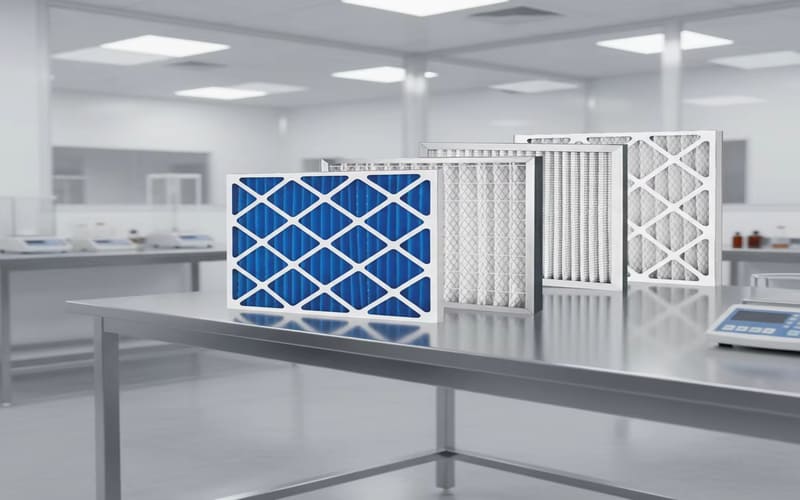
Disposable pleated filters are the industry standard for residential and commercial HVAC systems. Constructed from synthetic materials like polyester or cotton blends, these filters are folded into pleats to maximize the surface area for efficient particle removal.
- High Filtration Efficiency: Capable of achieving high MERV ratings to trap microscopic allergens and dust mites.
- Physical Barrier: Relies on dense fiber weaves to physically block dust, pollen, and pet dander.
- Single-Use Design: Engineered to be discarded and replaced every 1 to 3 months to maintain optimal home comfort.
What are Washable (Electrostatic) Filters?
Washable filters, often referred to as electrostatic filters or permanent filters, are reusable alternatives designed to last for years. Instead of relying solely on a dense physical barrier, they use self-charging materials to attract and hold airborne indoor air pollutants.
- Electrostatic Charge: Generates static electricity as air flows through, acting like a magnet for dust and dirt.
- Durable Construction: Built with sturdy aluminum frames and woven polypropylene to withstand repeated washing.
- Eco-Friendly: Eliminates the cycle of buying and throwing away replacement filters, reducing environmental impact.
Key Differences in How They Work
The fundamental difference between these two filter types lies in their filtration mechanics and lifecycle. Disposable filters act as a physical net, catching particles as air pushes through the tight fibers. In contrast, washable filters use static electricity to draw particles out of the air stream, allowing for a more open weave that minimizes airflow resistance.
Comparison of Filtration Mechanisms
| Feature | Disposable Pleated Filters | Washable (Electrostatic) Filters |
|---|---|---|
| Primary Mechanism | Physical barrier (dense synthetic fibers) | Electrostatic attraction (magnetic-like charge) |
| Airflow Resistance | Higher (increases as the filter fills with dirt) | Lower (open weave design maintains steady airflow) |
| Lifespan | 1 to 3 months | 5 to 10 years (with proper care) |
| Maintenance | Throw away and replace | Remove, wash thoroughly, dry, and reinstall |
Pros and Cons of Disposable Air Filters
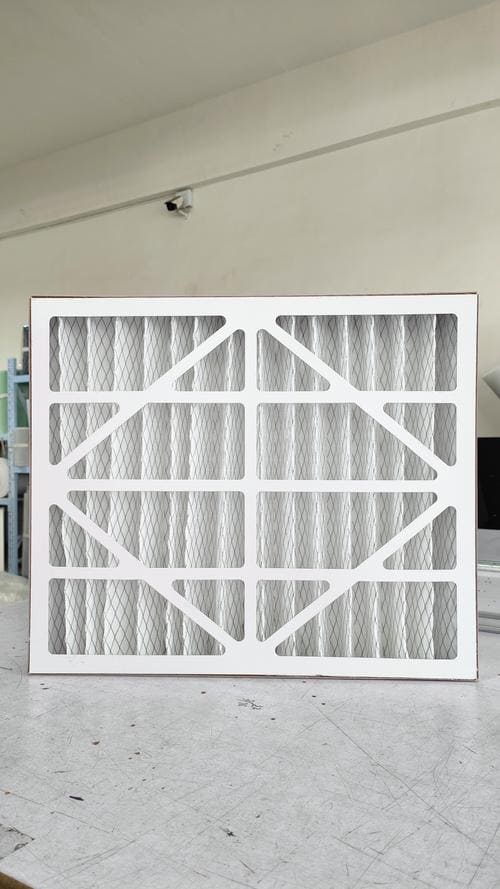
Disposable pleated filters are the industry standard for a reason. They offer a straightforward way to maintain high indoor air quality without the hassle of deep cleaning. In our experience, these filters provide the most consistent protection for your HVAC systems by trapping debris before it can settle on sensitive internal components.
High Filtration Efficiency and MERV Ratings
The biggest advantage of disposable filters is their superior filtration efficiency. Unlike basic washable versions, pleated filters are designed to capture microscopic particles. They come with specific ratings that tell you exactly what they can handle. Choosing the right MERV rating is essential for targeting specific issues like:
- Pet dander and fur
- Pollen and outdoor allergens
- Dust mites and fine lint
- Smoke and smog particles
Convenience and Ease of Replacement
For most homeowners, convenience is the deciding factor. Disposable filters require zero maintenance beyond a simple swap every 90 days.
- No Mess: You simply pull out the old, dirty filter and slide in a fresh one.
- Time-Saving: There is no need to wash, scrub, or wait for the filter to dry.
- Reliability: You get a brand-new, sterile filter every time, ensuring no mold or bacteria from previous use remains in the system.
Ongoing Costs and Environmental Impact
While the performance is top-tier, there are trade-offs regarding long-term expenses and sustainability. Because these filters are not reusable, they represent a recurring replacement cost that adds up over the years.
- Financial Commitment: You must purchase 3 to 4 filters annually to keep up with a standard maintenance schedule.
- Waste Generation: Used filters eventually end up in landfills, which may be a concern if you are prioritizing a zero-waste lifestyle.
- Inventory Management: You need to keep spares on hand to ensure your furnace maintenance stays on track without delays.
Understanding which MERV rating filter should you use for your specific home environment helps balance these costs against the benefit of cleaner air and a more efficient HVAC system.
Pros and Cons of Washable Air Filters
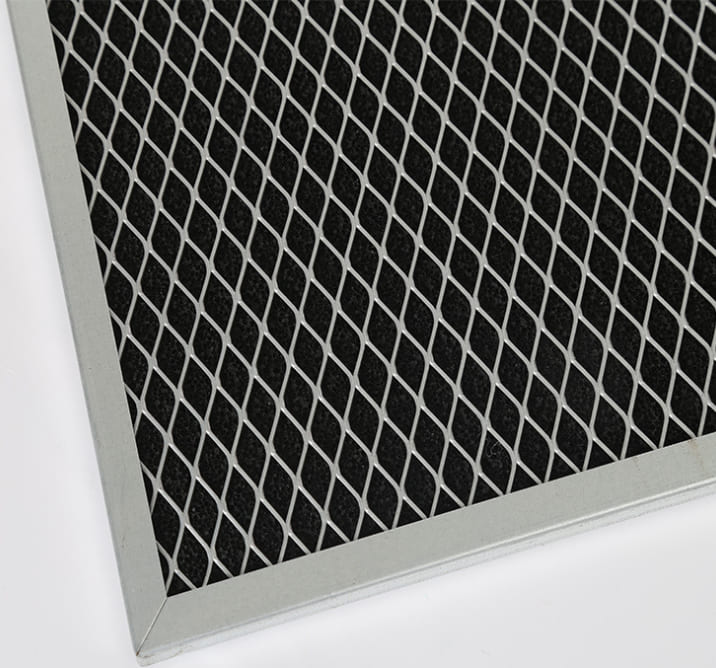
Long-Term Cost Savings and Sustainability
We find that the biggest draw for washable filters is the financial “break-even” point. Instead of buying a new pack of filters every few months, you make a one-time investment in a permanent filter that can last five to ten years. This approach eliminates recurring replacement costs and significantly reduces your environmental impact. By choosing a reusable option, you keep dozens of non-biodegradable pleated filters out of local landfills, making it the most eco-friendly choice for home climate control.
Maintenance Requirements and Cleaning Effort
The primary trade-off for those long-term savings is the labor involved. Unlike disposables that you simply swap out, these filters require a hands-on approach. You must commit to a monthly schedule of rinsing, vacuuming, and—most importantly—drying. We cannot stress enough that a damp filter reinstalled too early is a breeding ground for mildew. To maintain system health, you should follow a specific cleaning process for air filters to ensure no debris remains trapped in the mesh.
Lower Particle Removal for Allergens
While washable filters are excellent at catching large dust particles and lint, they generally offer lower filtration efficiency for microscopic pollutants. Most electrostatic washable filters carry a lower MERV rating than high-end disposables. If your household suffers from severe seasonal allergies or asthma, the lower particle removal rate for fine pollen and smoke might be a dealbreaker.
| Feature | Washable (Permanent) Filters |
|---|---|
| Lifespan | 5 to 10 years with proper care |
| Upfront Cost | Higher ($50 – $120 average) |
| Effort Level | High (Requires washing and 100% drying) |
| Waste Production | Minimal to zero |
| Best For | Budget-conscious and eco-friendly homes |
Filtration Performance and Air Quality Comparison
When evaluating washable vs. disposable air filters, the most critical factor is how well they actually clean the air. We need to look closely at their filtration efficiency and how they handle common indoor air pollutants.
Comparing MERV Ratings and Airflow Impact
The MERV rating measures how effectively a filter traps airborne particles. Disposable pleated filters offer a wide range of MERV ratings, easily reaching MERV 13 or higher to capture microscopic pollutants. Washable electrostatic filters typically max out between MERV 4 and MERV 8.
While high-efficiency filters trap more debris, they can also increase airflow resistance. Finding the right balance is key to maintaining home comfort without overworking your heating and cooling equipment. Understanding the difference often comes down to comparing options like MERV 8 vs MERV 11 air filters to see how they balance particle removal and HVAC airflow.
Effectiveness Against Dust, Pet Dander, and Smoke
Your choice directly impacts your indoor air quality, especially if you deal with specific allergens.
- Washable Filters: Great for capturing large particles like heavy household dust and lint. They use static electricity to attract debris, but struggle with microscopic threats.
- Disposable Filters: Highly effective at trapping fine particles, including pet dander, dust mites, and smoke.
For homes dealing with heavy smoke, smog, or fine allergens, upgrading to a high-efficiency MERV 13 air filter provides the necessary protection that standard washable permanent filters simply cannot match.
Risk of Mold and Bacteria Growth in Reusable Filters
One hidden danger of reusable filters is moisture. When you clean a washable filter, it must be completely bone-dry before you put it back into your system.
If even a small amount of moisture remains, the dark, warm environment of your HVAC system turns the filter into a breeding ground for mold and bacteria. Once mold spores develop, your system will actively blow these harmful indoor air pollutants through your air ducts and into your living space. Disposable filters completely eliminate this risk because they are always installed dry and discarded when dirty.
Performance Comparison Table
| Feature | Washable Filters | Disposable Pleated Filters |
|---|---|---|
| Max MERV Rating | Typically MERV 4 – 8 | Up to MERV 13+ |
| Particle Removal | Large dust, lint | Fine dust, pet dander, smoke |
| Airflow Resistance | Low to Moderate | Moderate to High (depends on MERV) |
| Mold Risk | High (if installed damp) | Zero |
| Best For | Basic dust control | Allergens and high air quality |
Cost Analysis: Short-Term vs. Long-Term Investment
When choosing between washable vs. disposable air filters, the financial impact goes beyond the price tag on the shelf. We need to look at both immediate expenses and long-term savings to make the smartest choice for your heating and cooling system.
Upfront Purchase Price Comparison
The initial cost difference is obvious. Disposable pleated filters are cheap to buy today, but you have to keep buying them. Reusable permanent filters require a larger upfront investment but eliminate recurring replacement costs.
| Filter Type | Average Upfront Cost | Replacement Frequency | 5-Year Estimated Cost |
|---|---|---|---|
| Disposable | $10 – $20 | Every 1-3 months | $200 – $400 |
| Washable | $40 – $100 | Every 5-10 years | $40 – $100 |
Calculating the Break-Even Point for Washable Filters
If you buy a washable filter for $60 and you previously spent $15 every two months on disposables, your break-even point is just eight months. After that, you are generating pure long-term savings. For households that run their HVAC systems constantly, a permanent filter pays for itself incredibly fast.
Hidden Costs: Cleaning Supplies and HVAC Wear
While washable filters save money on replacements, they come with hidden expenses. You spend time and water washing them. Some require specific cleaning sprays to maintain their static charge. If you want to understand how this charge works, learning what is an electrostatic air filter helps clarify why proper maintenance is non-negotiable.
More importantly, if reusable filters are not cleaned thoroughly, dirt buildup causes severe airflow resistance. This forces your system to work harder, driving up your monthly energy bills. Over time, restricted airflow can lead to frozen coils or an overheated furnace, resulting in an expensive call to an HVAC technician.
Maintenance Guide for Washable Filters
Maintaining a washable filter is straightforward but requires discipline to ensure your system runs efficiently. Unlike disposable options, these require a hands-on approach to keep your indoor air quality at its peak.
Step-by-Step Cleaning Process
To begin the cleaning process, I always recommend turning off your HVAC systems first to prevent any unfiltered air from entering the ducts. Once the unit is off, follow these steps:
- Remove the filter: Carefully slide it out of the housing. Before you start, ensure you know what size air filter do i need so you can handle the frame without causing damage.
- Rinse: Use a low-pressure garden hose or a sink sprayer. Always spray in the opposite direction of the airflow arrows to flush out trapped particles.
- Deep Clean: If there is heavy grease or smoke residue, use a mild detergent or a specialized filter cleaner. Avoid harsh chemicals that can degrade the electrostatic fibers.
- Final Rinse: Wash away all soap suds thoroughly with clean water.
The Importance of Thorough Drying
I cannot stress this enough: the filter must be 100% dry before it goes back into your furnace. Reinstalling a damp filter is a recipe for disaster. Moisture trapped in the mesh creates a breeding ground for mold and bacteria, which will eventually be blown throughout your home. Furthermore, water droplets increase airflow resistance, forcing your blower motor to work harder than necessary. I suggest letting the filter air dry in a well-ventilated spot for at least 12 to 24 hours.
Recommended Cleaning Schedule for Peak Efficiency
For the best results, I recommend a monthly inspection of your filter. While some manufacturers claim these can go several months, real-world conditions like pet hair and high traffic often demand more frequent attention.
- Monthly: Visual inspection and a quick rinse if dust is visible.
- Every 3 Months: A deep clean with mild soap to maintain the electrostatic charge.
- Seasonal: Perform a full cleaning as part of your regular furnace maintenance before the peak heating or cooling seasons begin.
While these are reusable, if you eventually decide to switch back to high-efficiency disposables, check our disposal guide and tips to understand the environmental impact of different filter types. Consistent cleaning ensures your investment pays off through lower energy bills and a longer lifespan for your equipment.
Which Filter Type is Best for Your Needs?
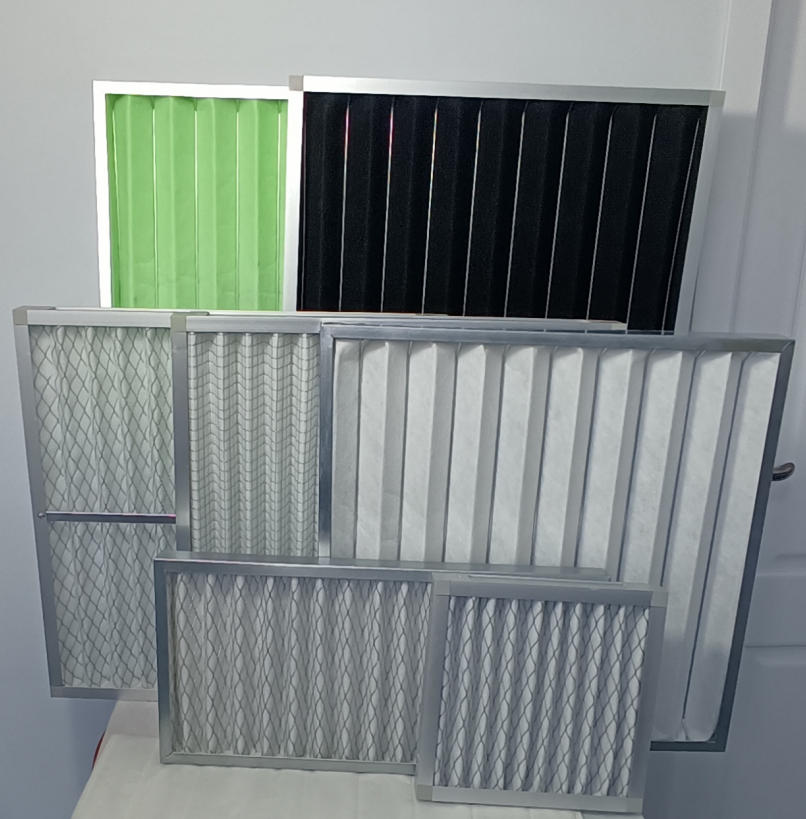
As an air filter manufacturer, we know that choosing between washable vs. disposable air filters comes down to your specific home environment, budget, and health requirements. There is no one-size-fits-all answer, but aligning the filter type with your lifestyle makes the decision easy.
Best Options for Allergy and Asthma Sufferers
If you battle allergies or asthma, pristine indoor air quality is non-negotiable. Disposable pleated filters are the clear winner in this category.
- Higher MERV Rating: They capture microscopic indoor air pollutants like dust mites, pollen, and mold spores.
- Better Particle Removal: Washable electrostatic filters typically max out at lower MERV ratings, meaning they allow too many fine allergens to pass through into your air ducts.
The Best Choice for High-Traffic or Pet-Friendly Homes
Homes with kids, frequent guests, and pets generate a massive amount of dust and pet dander. Your choice here depends on your priority:
- For maximum filtration: High-quality disposable filters trap heavy pet dander effectively but will need frequent replacing to prevent high airflow resistance.
- For budget control: Reusable filters handle large particles well. If you are willing to stick to a strict maintenance schedule, permanent filters will save you significant replacement costs over time.
When to Prioritize Convenience Over Cost
Let’s be real: the cleaning process for washable filters takes time. You must wash them, wait for them to dry completely to prevent mold, and then reinstall them.
If you prefer a quick, hassle-free routine, stick to disposable filters. You simply pull the old one out and slide a new one in. While it is important to track how often to change your air purifier filter or HVAC filter, swapping a disposable unit takes seconds compared to the hours needed to wash and dry a reusable one. When your time is limited, the convenience of disposables easily outweighs the long-term savings of washable options.
Quick Decision Guide:
| Your Priority | Best Filter Choice | Key Benefit |
|---|---|---|
| Severe Allergies | Disposable Pleated | Superior particle removal for fine allergens. |
| Budget & Sustainability | Washable (Electrostatic) | Eliminates ongoing replacement costs. |
| Pets & High Traffic | Mid-to-High MERV Disposable | Traps heavy pet dander without clogging quickly. |
| Zero Maintenance | Standard Disposable | Swap and toss in under a minute. |
Frequently Asked Questions
Can you wash a disposable pleated air filter?
Absolutely not. Disposable pleated filters are constructed from synthetic blends, fiberglass, or paper materials that break down when exposed to water. Washing them destroys their structural integrity, ruins their filtration efficiency, and creates a damp breeding ground for mold inside your air ducts. When a disposable filter is dirty, you must replace it.
Are washable filters as effective as disposable ones?
This depends entirely on your specific indoor air quality goals. Electrostatic filters (the washable kind) are excellent at trapping larger particles like heavy dust and pollen. However, if your goal is maximum particle removal for microscopic threats like fine pet dander, smoke, or severe allergens, high MERV rating disposable filters perform significantly better.
How long does a permanent air filter actually last?
A well-made permanent air filter can easily last 5 to 10 years before needing replacement. The key to this longevity is a strict maintenance schedule. To maximize your long-term savings and protect your equipment from dust buildup, knowing exactly how often to change air filters or clean your reusable ones is essential.
Will a high-efficiency filter restrict my HVAC airflow?
It certainly can. High-efficiency filters use tightly woven materials to trap tiny indoor air pollutants, which naturally increases airflow resistance. If your heating and cooling setup isn’t built to push air through such dense material, it can overwork the blower motor and increase your energy bills. As an air filter manufacturer, we always advise checking with an HVAC technician to ensure your HVAC systems can handle high-MERV filters without sacrificing your home comfort.