


MERV 14 Filters

MERV 14 Filters

Komtfil merv 14 filters act as the ultimate line of defense for robust HVAC systems, bridging the gap between standard air conditioning filters and hospital-grade air purifiers.

Komtfil MERV 14 Air Filters for higher filtration

As a dedicated supplier and manufacturer of MERV 14 filters, we engineer high-efficiency filtration solutions designed to eliminate severe airborne contaminants. 

What Does a MERV 14 Rating Mean?

The Minimum Efficiency Reporting Value (MERV) rating system, developed by ASHRAE, measures a filter’s ability to capture airborne particles. A MERV 14 rating signifies a premium, high-efficiency filter capable of trapping microscopic pollutants that standard filters leave behind.

  • Top-Tier Performance: Ranks at the upper end of the standard ASHRAE filter scale.
  • Optimal Balance: Delivers near-HEPA filter performance while actively working to prevent issues that restrict airflow.
  • System Safety: Engineered to provide maximum filtration without causing catastrophic blower damage to your HVAC equipment.

How MERV 14 Filters Improve Indoor Air Quality

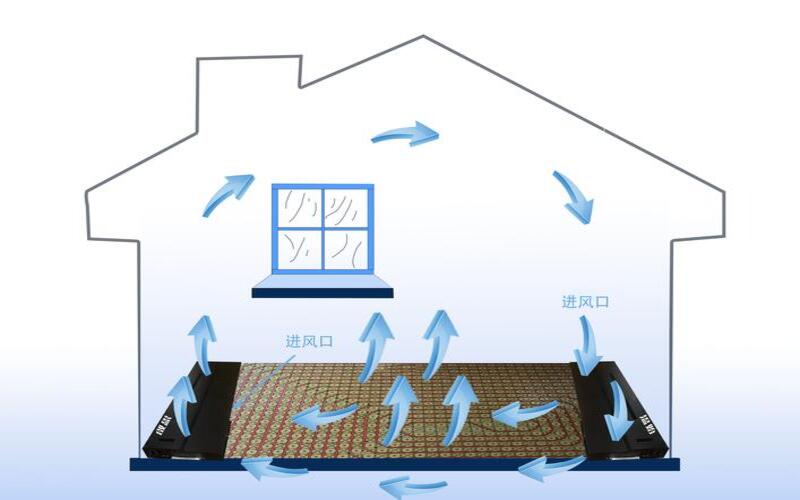
Integrating MERV 14 filters into your ventilation setup drastically elevates indoor air quality. By pulling air through densely packed, high-quality media, these filters remove hazardous elements from your home air circulation and commercial workspaces.

  • Allergen Eradication: Actively strips pollen, severe pet dander, and dust mites from the environment.
  • Pathogen Control: Captures airborne bacteria and droplet nuclei, significantly reducing illness transmission.
  • Odor and Smoke Reduction: Highly effective at minimizing smog, vehicle exhaust, and tobacco smoke indoors.

Particle Capture Efficiency Explained

The core engineering strength of MERV 14 filters lies in their precise particle capture efficiency. They are specifically designed to target and trap pollutants ranging from 0.3 to 10 microns with remarkable consistency.

Particle Size RangeCapture EfficiencyCommon Contaminants Targeted
3.0 to 10.0 Microns≥ 90%Heavy dust, pollen, mold spores, textile fibers
1.0 to 3.0 Microns≥ 90%Lead dust, auto emissions, humidifier dust
0.3 to 1.0 Microns75% – 84%Bacteria, droplet nuclei, smoke, fine particles

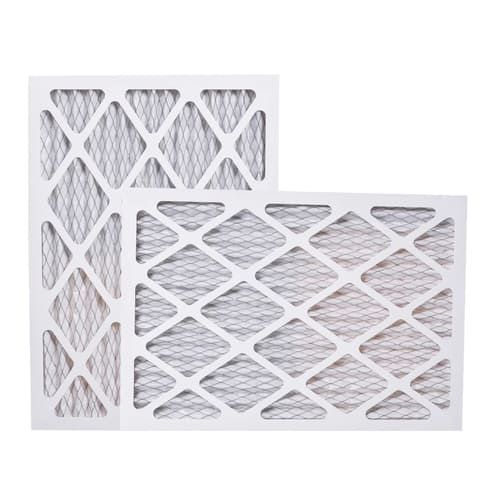
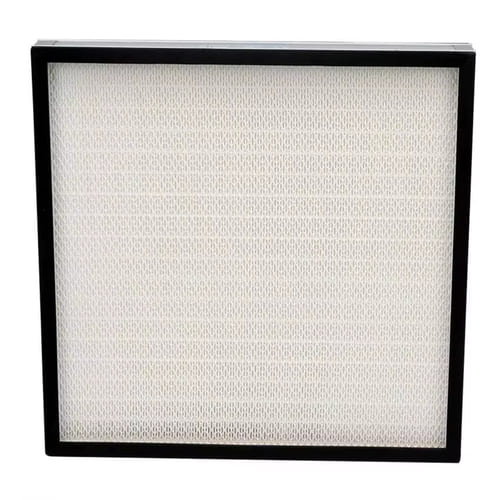
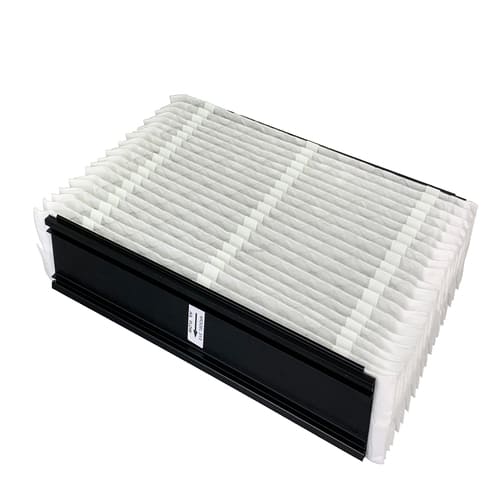
Whether utilizing a mini pleat filter or a standard pleated filter design, these units excel at capturing the finest, most dangerous particles, ensuring your breathing environment remains exceptionally clean and protected.

Common Types and Design Specifications of merv 14 filters

As a dedicated supplier and manufacturer of MERV 14 filters, we know that getting the right structural design is just as critical as the filter rating itself. A poorly matched filter can restrict airflow, drive up energy costs, or even cause severe blower damage in standard HVAC systems. Here is a breakdown of the common configurations built to handle airborne particles efficiently.

High-Efficiency Commercial vs. Residential Designs

You cannot simply drop a commercial ASHRAE filter into a standard residential unit. Doing so can completely disrupt home air circulation. Here is how the designs differ:

SpecificationCommercial MERV 14 FiltersResidential MERV 14 Designs
Primary GoalMaximum capacity for heavy dust loadsHigh filtration without causing blower damage
Frame BuildGalvanized metal or rigid plastic boxMoisture-resistant, die-cut beverage board
AirflowBuilt for heavy-duty industrial blowersLow pressure-drop media to not restrict airflow
ApplicationHospitals, cleanrooms, large officesHomes acting as a whole-house air purifier

Selecting the correct design type ensures your HVAC system operates smoothly while delivering top-tier air purification.

The MERV Rating Chart: Where MERV 14 Stands

On the standard minimum efficiency reporting values scale, MERV 14 filters sit near the top. As a trusted supplier and manufacturer of MERV 14 filters, we know these are serious high-efficiency filters. They consistently capture airborne particles ranging from 0.3 to 10 microns with incredible precision. If you want a full breakdown of how the scale works from top to bottom, check out our complete guide to MERV ratings.

Comparing MERV 14 vs. MERV 13 Filters

Choosing the right filter depends on your specific indoor air quality goals. Here is how MERV 14 compares to the widely used MERV 13 air filters:

  • MERV 13: The perfect upgrade for everyday home air circulation. It easily traps smog, smoke, and fine dust without overworking standard HVAC systems.
  • MERV 14: Delivers superior capture of fine particles. It traps up to 80-90% of airborne contaminants in the tiny 0.3 to 1.0 micron range, making it the standard for commercial buildings and homes dealing with severe asthma.

Comparing MERV 14 vs. HEPA Filters

A true HEPA filter captures 99.97% of particles, which is technically more efficient than a MERV 14 rating. However, HEPA media is incredibly dense. In standard residential or commercial HVAC systems, a HEPA filter will drastically restrict airflow. This severe pressure drop can quickly lead to permanent blower damage. MERV 14 filters act as the perfect middle ground, providing near-HEPA air purification without suffocating your air conditioner.

Is a Higher MERV Rating Right for Your System?

A higher rating isn’t automatically better if your system cannot handle the pressure. Before you upgrade to a dense, high-efficiency pleated filter, keep these guidelines in mind:

  • Verify Compatibility: Check your system specs to ensure the blower motor can push air through dense filtration media.
  • Monitor Airflow: If you install a MERV 14 filter and immediately notice weak airflow from your vents, it is too restrictive for your setup.
  • Protect Your Equipment: Never sacrifice your HVAC system’s lifespan for better filtration. If your AC struggles, step down to a lower MERV rating to maintain a healthy balance.

Key Benefits and Features of MERV 14 Filters

As a manufacturer and supplier of high-efficiency filters, we design our products to deliver superior indoor air quality without sacrificing system performance.

Capturing Microscopic Allergens and Bacteria

Our MERV 14 filters are engineered to trap airborne contaminants that standard air conditioning filters simply let slip through.

  • Precise Filtration: Effectively captures fine particles ranging from 0.3 to 10 microns.
  • Allergen Defense: Blocks microscopic allergens, bacteria, and viruses from continuously cycling through your home air circulation.
Reducing Smoke, Smog, and Fine Dust (1)

Reducing Smoke, Smog, and Fine Dust

When outdoor air quality drops, your indoor air needs a strong defense. Our tightly woven pleated filter acts much like a whole-house air purifier, aggressively pulling harmful elements out of the environment.

  • Heavy Duty: Filters out wildfire smoke, urban smog, and stubborn fine dust.
  • Continuous Clean: Stops airborne particles before they settle on your surfaces or enter your lungs.

Managing Impact on HVAC System Airflow

Higher minimum efficiency reporting values sometimes require thicker media, which can restrict airflow and potentially cause blower damage over time. We solve this problem directly with advanced engineering.

  • Optimized Surface Area: Our custom size filters and mini pleat filter designs reduce air resistance while maintaining maximum capture rates.
  • System Safe: Protects your HVAC systems from unnecessary strain, provided you understand exactly which way your air filter goes during routine installation.

MERV 14 Filter Performance Breakdown

FeaturePerformance Benefit
Target Particle SizeBlocks contaminants from 0.3 to 10 microns
Airflow ManagementLow air resistance to prevent HVAC blower damage
Contaminant FocusEliminates smoke, bacteria, fine dust, and smog

Ideal Application Scenarios for MERV 14

As a direct manufacturer of MERV 14 filters, we often guide customers on where these specialized filters work best. Because they offer intense filtration, they are designed for environments where pristine indoor air quality is an absolute necessity rather than just a preference.

Hospitals and Healthcare Facilities 1

Hospitals and Healthcare Facilities

In medical settings, controlling airborne contaminants is critical for patient recovery and staff safety. MERV 14 filters are the go-to standard for many clinical spaces because they effectively capture fine particles in the 0.3 to 10 microns range. Infection Control: Highly effective at trapping bacteria and virus carriers floating in the air. Clean Environments: Keeps surgical centers and intensive care units sanitized. Waiting Rooms: Protects vulnerable patients from incoming airborne particles and seasonal allergens.

Commercial Office Buildings and Workspaces

Commercial Office Buildings and Workspaces

Modern commercial HVAC systems require high-efficiency filters to keep large workforces healthy and productive. Urban Pollution Control: Blocks smog, fine dust, and exhaust fumes from entering the building’s air supply. Shared Workspaces: Reduces the circulation of dust and germs among employees. Reliable Filtration: While some facilities might explore options like electrostatic air filters for general maintenance, a pleated MERV 14 filter provides a highly reliable, mechanical barrier that consistently meets strict commercial air quality standards.

Homes with Severe Asthma or Allergies

Homes with Severe Asthma or Allergies

Standard air conditioning filters are usually enough for average homes, but they often fall short for residents with severe respiratory issues. Upgrading to a MERV 14 filter turns your central system into a whole-house air purifier. Ultimate Allergen Relief: Traps microscopic pet dander, mold spores, and heavy pollen. Better Home Air Circulation: Provides hospital-grade air cleaning directly in your living room. HVAC Compatibility Check: Before installing, you must verify your system’s capacity. Because they are so dense, these filters can naturally restrict airflow. If your residential blower motor isn’t strong enough, it could lead to poor performance or costly blower damage.

FAQ's

Most Popular Questions

When comparing high-efficiency filters, you must look beyond the label. The best brands consistently deliver reliable filtration for fine particles without causing blower damage to your HVAC systems.

What to look for in customer reviews:

  • Airflow Performance: Ensure users don’t report system strain. Badly designed filters restrict airflow.
  • Build Quality: Look for positive feedback on durable frames and reliable media, such as a sturdy mini pleat filter design.
  • Capture Efficiency: Pay attention to reviews mentioning effective reduction of airborne contaminants ranging from 0.3 to 10 microns.

To see how the best in the business stack up against each other, reviewing the top air filter manufacturers can give you a solid baseline for industry standards and brand reliability.

Higher minimum efficiency reporting values mean a higher initial price tag, but the long-term protection for your lungs and HVAC equipment justifies the cost. While a standard pleated filter is cheap, it simply cannot capture the same level of microscopic threats.

Here is a quick breakdown of what to expect regarding costs and maintenance:

Filter CategoryInitial CostReplacement FrequencyLong-Term Value
Basic (MERV 8)LowEvery 1-3 MonthsLow (Allows dust buildup in system)
Mid-Tier (MERV 11-13)MediumEvery 3-6 MonthsGood (Balances cost and air quality)
Premium (MERV 14)HigherEvery 6-12 Months for 4+ inches thickExcellent (Hospital-grade protection)

Note: Maintenance costs drop over time because a clean HVAC system runs more efficiently, lowering your monthly energy bills.

Buying the best air conditioning filters won’t help if they do not fit perfectly. Even a half-inch gap allows dirty air to bypass the filter entirely.

Steps to get the perfect fit:

  1. Check the Current Filter: Look at the side of your existing filter for the nominal size (e.g., 20x25x4).
  2. Measure the Actual Dimensions: Use a tape measure to get the exact length, width, and depth.
  3. Consider Custom Options: If your system requires unique dimensions, we provide custom size filters to guarantee a tight seal.

If you are unsure about the exact measurements your system requires, our complete guide on what size air filter you need will walk you through the process step-by-step. Getting the size right the first time prevents air leaks and keeps your system running smoothly.

Send Your Inquire

Let’s Have A Chat