Can You Put A HEPA Filter In Any Vacuum
We all want cleaner indoor air and better allergy management, especially when dealing with pet dander and dust mites. It is completely natural to look at your current vacuum and wonder: Can you put a HEPA filter in any vacuum?
The direct answer is no. You cannot just pop a true HEPA filter into any standard vacuum cleaner and expect it to work.
While the urge to upgrade your fine particle filtration is smart, true particulate matter capture efficiency requires precision engineering. Here is why cross-compatibility fails:
- Airflow Resistance: HEPA filters are incredibly dense. Standard vacuum motors lack the power to pull air through them, leading to a massive suction power reduction or motor burnout.
- System Leaks: A filter is only as good as the housing around it. If air can bypass the filter through tiny gaps in the casing, the upgrade is useless.
Upgrading your vacuum isn’t as simple as swapping a part. True filtration requires a machine designed from the ground up to handle it.
The Anatomy of a True HEPA Filter vs. Standard Filters
What Does HEPA Actually Mean?
HEPA stands for High-Efficiency Particulate Air. To earn this title, a filter must meet a strict global standard: it must trap at least 99.97% of fine particles as small as 0.3 microns. This specific size is the most difficult to catch, making true HEPA filters the ultimate standard for indoor air quality improvement. While some standard filters perform similarly to a MERV 6 filter, which only catches large dust clumps, true HEPA targets the invisible threats floating in your living space.
Microscopic Threats: What Standard Filters Miss
Standard vacuum filters act like a wide net. They easily catch hair and large debris, but let microscopic irritants blast right back out through the exhaust air. A true HEPA filter acts as an advanced allergy management tool, capturing the tiny particles that trigger sneezing and asthma attacks.
Standard vacuum filters completely miss these microscopic threats:
- Pet dander and dust mites
- Pollen and mold spores
- Fine particulate matter and toxic lead dust from old paint
- Soot and ultra-fine ash
The Physical Difference: Thin Foam vs. Dense Fibers
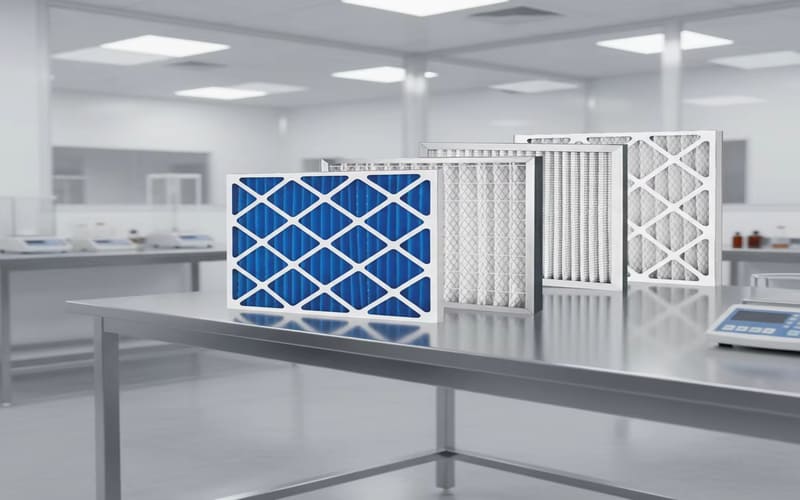
The difference between a basic filter and a HEPA filter comes down to the materials used and how they are made.
| Filter Feature | Standard Vacuum Filter | True HEPA Filter |
|---|---|---|
| Material Composition | Porous foam, thin felt, or basic pleated paper | Densely packed, complex fiber matting |
| Airflow Path | Straight through, large open gaps | Tortuous, microscopic maze |
| Capture Mechanism | Simple straining (blocks large dirt only) | Diffusion, interception, and inertial impaction |
| Target Particle Size | Visible dust and large debris (> 10 microns) | Microscopic particles down to 0.3 microns |
Standard filters rely on cheap, thin foam that lets tiny particles slide right through the gaps. HEPA filters use a dense, web-like mat of fiberglass/synthetic fibers. As air forces its way through this maze, the particles are trapped through a combination of mechanisms, ensuring a massive leap in capture efficiency compared to standard mesh.
3 Reasons Why Retrofitting a Standard Vacuum with a HEPA Filter Fails
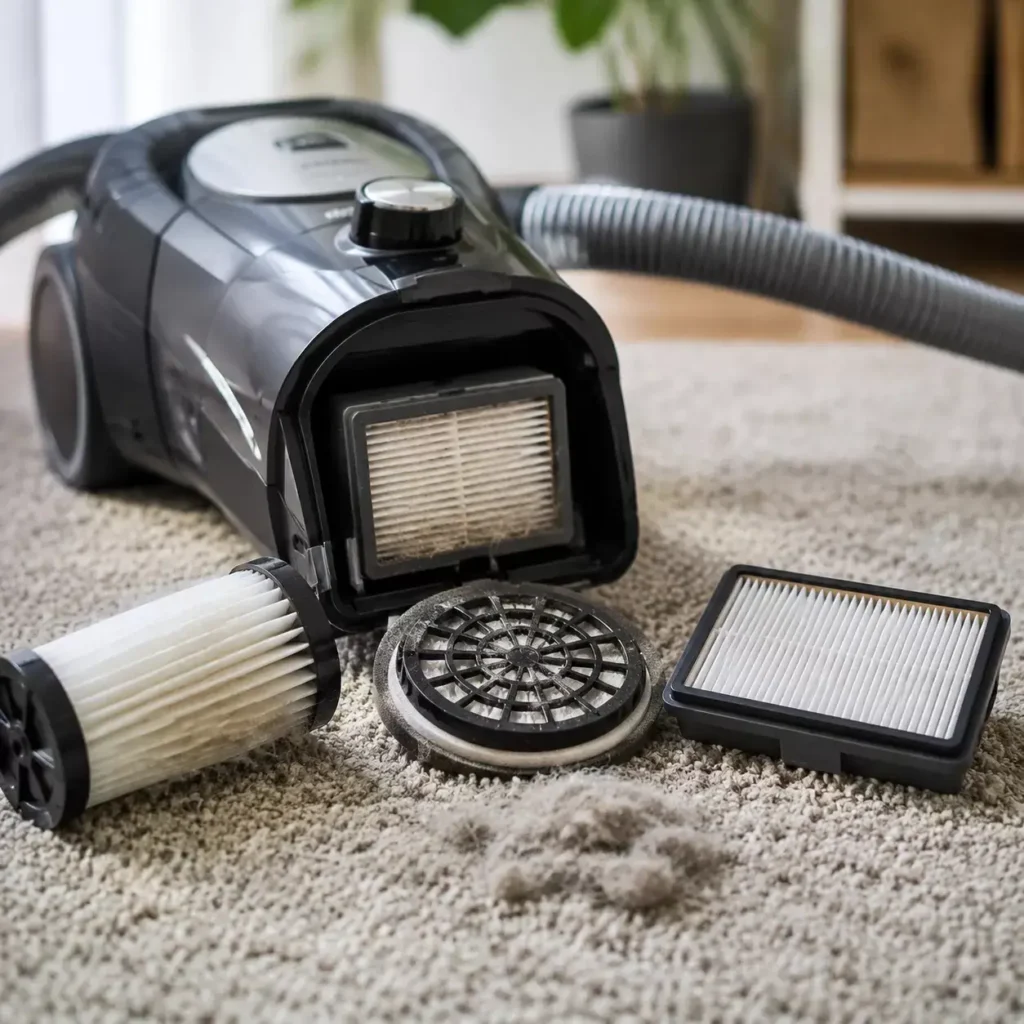
It is a common question in the indoor air quality industry: Can you put a HEPA filter in any vacuum? While the idea of upgrading a cheap machine to capture fine particles sounds great, retrofitting a standard vacuum cleaner with a HEPA filter simply does not work.
As a dedicated filtration manufacturer, we see firsthand why forcing these advanced filters into unrated machines fails to deliver true allergy management. Here are the three main reasons why a DIY upgrade falls short.
1. Air Leakage in an Unsealed System
A true HEPA filtration system requires a completely sealed system vacuum. In a standard vacuum cleaner, the housing, gaskets, and joints are not airtight.
- The Bypass Effect: Because a HEPA filter is incredibly dense, air will always take the path of least resistance.
- Dirty Exhaust: Instead of forcing air through the filter, the high pressure causes dirty air to leak out of the microscopic gaps in the vacuum body.
- Secondary Pollution: This air leakage blows pet dander, dust mites, and fine particulate matter right back into your living space, ruining your indoor air quality improvement goals.
2. Severe Suction Power Reduction and Motor Strain
HEPA filters are engineered from tightly woven fiberglass mats to maximize particulate matter capture efficiency. This density creates immense resistance against airflow.
- Massive Suction Drop: Standard upright models and stick vacs lack the motor calibration to pull air through a true HEPA barrier, resulting in an immediate suction power reduction.
- Motor Overheating: The vacuum motor must work twice as hard to pull air, causing rapid overheating.
- Premature Failure: Forcing your vacuum to struggle against an incompatible filter significantly increases your long-term vacuum replacement costs.
3. Physical Fit Compromises and Voided Warranties
Vacuum cleaner brand compatibility is highly specific. You cannot simply cut a dense HEPA sheet to fit a standard foam or fabric filter compartment.
- Improper Sealing: Even a gap of less than a millimeter around the edge of the filter allows thousands of fine particles to escape.
- Structural Damage: Forcing a thicker filter into a small compartment can bend the plastic housing or break the latches.
- Voided Warranty: Most manufacturers will immediately void your warranty if damage occurs from using unauthorized, third-party filtration modifications.
Trying to alter a standard machine for intensive tasks like lead dust removal or renovation cleanup is ineffective and risks burning out your equipment. To truly trap microscopic allergens, you must invest in a factory-engineered, sealed system vacuum.
The Critical Distinction: “Vacuum with a HEPA Filter” vs. “Sealed HEPA Vacuum System”
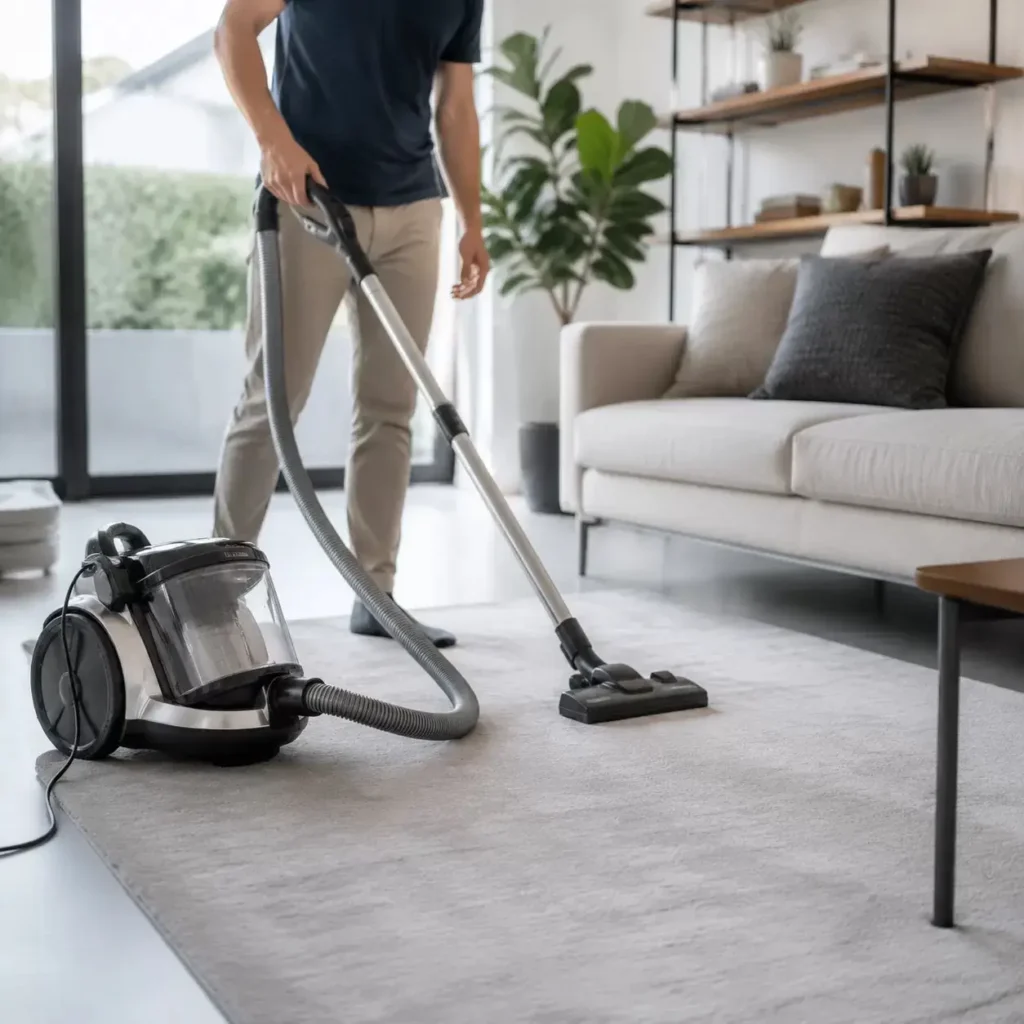
Many homeowners looking for indoor air quality improvement fall into a common marketing trap: buying a machine simply because the box says “HEPA.” There is a massive technical difference between a cheap vacuum that happens to house a HEPA filter and a true, certified sealed system vacuum. If you want to protect your home from fine particles, understanding this distinction is vital.
The Marketing Trap of “HEPA-Type” Labels
When shopping for vacuum cleaners, you will often see terms like “HEPA-type,” “HEPA-like,” or “99% filtration.” These are marketing buzzwords, not certifications.
- True HEPA filters must capture 99.97% of particles as small as 0.3 microns.
- HEPA-type filters are often just ordinary paper or thin synthetic materials that let pet dander, dust mites, and microscopic tire dust slip right through.
- The construction matters: Genuine high-efficiency filters rely on dense, specialized material structures. For instance, understanding the manufacturing differences in high-grade filtration, such as a mini-pleat HEPA filter, shows how true efficiency requires precision design to maximize surface area without completely destroying airflow.
What is a Sealed System Vacuum?
A sealed system vacuum ensures that 100% of the air sucked into the machine passes directly through the filtration system before it exits. Every housing joint, motor compartment edge, and filter housing interface is locked down with airtight rubber gaskets.
If a vacuum is unsealed, air takes the path of least resistance. It leaks out of tiny cracks in the plastic body before it ever reaches the filter. This results in exhaust air pollution, where the vacuum acts as a dust blower, shooting microscopic triggers back into your breathing zone.
[Dirty Air In] —> [Unsealed Gaps] —> [Dirty Exhaust Air Leaks Out]
—> [HEPA Filter] —> [Clean Air Out (Only Fraction of Total Air)]
When Do You Absolutely Need a Certified Sealed HEPA Vacuum?
While standard vacuums work fine for basic debris, a certified sealed HEPA vacuum is non-negotiable for specific allergy management and heavy-duty remediation tasks:
- Asthma Relief: Eliminates invisible triggers like mold spores, pollen, and dust mite feces.
- Pet Owners: Traps microscopic pet dander proteins that stick to carpets and upholstery.
- Renovation Cleanup: Safely collects drywall dust and fine concrete particulates without destroying the motor.
- Lead Dust & Hazardous Materials: Required by law during historical renovations to prevent dangerous heavy metal exposure.
Can You Safely Upgrade Your Current Vacuum?
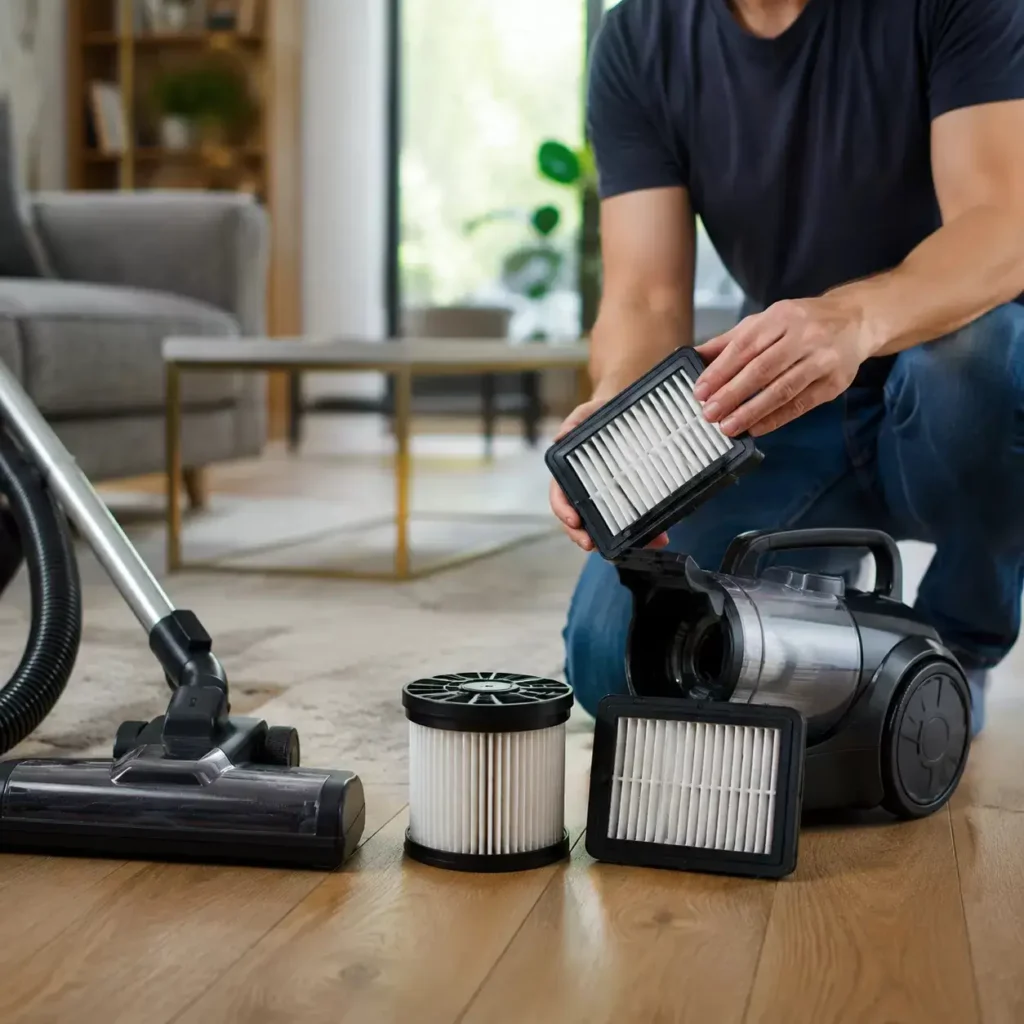
If you are looking to improve your indoor air quality without buying a brand-new machine, there are a few safe ways to upgrade your setup. However, you must work within the limits of your specific machine to avoid damaging the motor or ruining its suction power.
Manufacturer-Approved Upgrades and Vacuum Cleaner Brands Compatibility
Your best option is to check with your specific brand. Some vacuum cleaner brands design their upright models or stick vac lines with a standardized body but ship lower-end trims with basic foam filters. In these specific cases, the manufacturer sells an official, drop-in HEPA replacement that fits perfectly into the filter housing. If the brand’s official compatibility chart explicitly states that a HEPA upgrade is supported for your model number, you can safely make the switch.
The Bagged Upgrade Hack
If you own a bagged vacuum cleaner, you can bypass the unsealed filter compartment problem entirely by upgrading your dust bag. Switching from standard paper bags to high-filtration synthetic vacuum bags (often rated as HEPA-material bags) dramatically boosts your fine particle filtration. Because the bag acts as the first and largest line of defense, trapping pet dander, dust mites, and pollen inside its thick synthetic layers, it stops the debris before it ever hits the internal chambers.
The Danger of Cheap Third-Party Filter Knockoffs
When shopping for replacements, avoid cheap, unbranded third-party knockoffs. These generic aftermarket filters often fail in two critical areas:
- Poor Physical Fit: Even a millimeter gap allows air leakage, meaning dirty exhaust air bypasses the filter completely.
- Incorrect Density: Low-quality replicas often restrict airflow too much, causing immediate motor strain, or they use loose fibers that fail to provide true particulate matter capture efficiency.
Pro Tip: Investing in high-quality, verified filters ensures your machine maintains its original performance. If you also use air purifiers at home to manage allergies, knowing how to clean air purifier filters correctly can save you money while keeping your overall home filtration system running at peak efficiency. Always stick to certified components to protect both your vacuum motor and your lungs.
Long-Term Maintenance: Keeping Your Filtration System Efficient
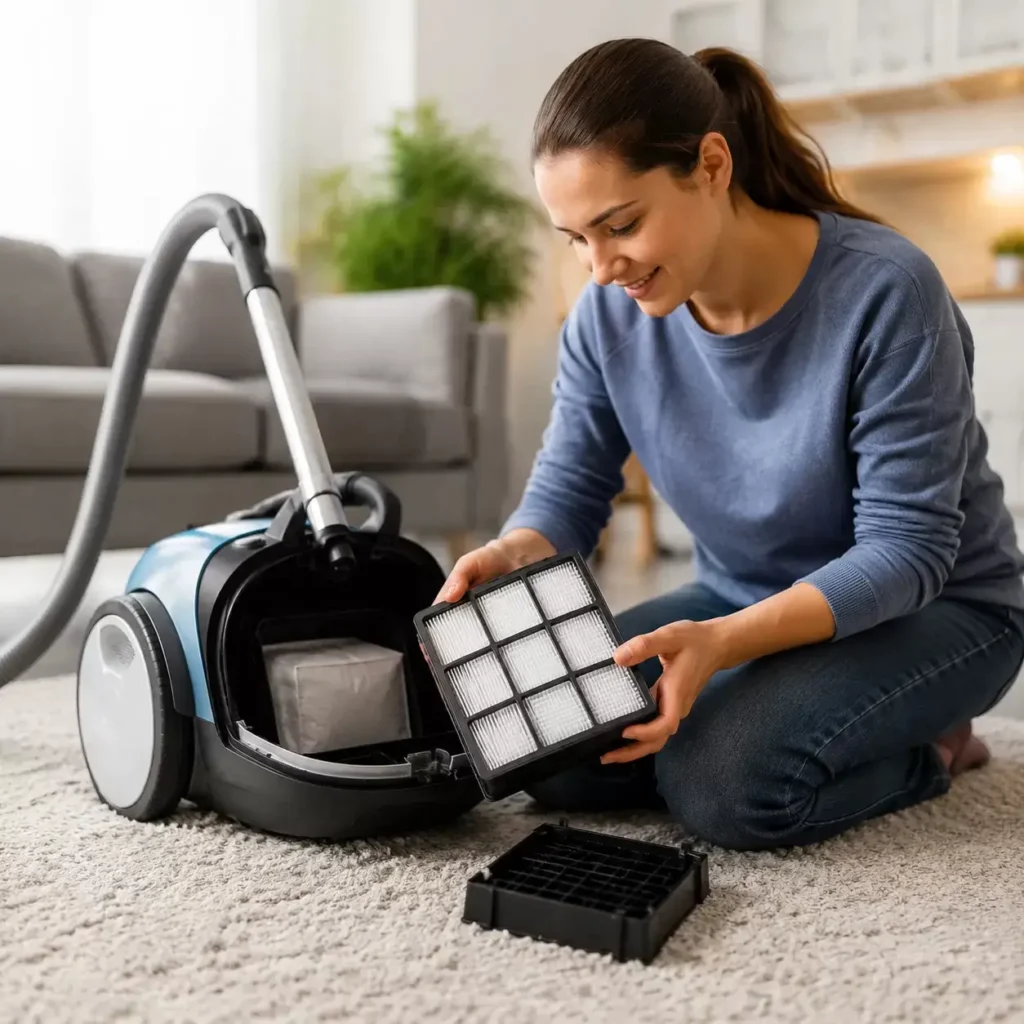
Maintaining your vacuum’s filtration system is the only way to ensure high capture efficiency of fine particles over time. Neglecting maintenance directly destroys the machine’s ability to protect indoor air quality.
Washable vs. Replaceable: Demystifying Lifetime Filters
The idea of a permanent “lifetime filter” is largely a marketing myth. While some pre-motor foam layers can be washed, true high-efficiency filters eventually degrade.
- Washable Filters: Can be rinsed with cold water, but must dry completely for 24 hours. Washing degrades the fiber matrix over time.
- Replaceable Filters: Cannot be washed. Exposing them to water permanently ruins the dense fiberglass matting, destroying its ability to trap dust mites and pet dander.
Just like managing your home’s HVAC system or tracking how often to change your air purifier filter, vacuum filters require strict replacement schedules to remain effective.
The Clog Equation: How Dirty Filters Lower Performance
A clogged filter restricts airflow, which triggers a severe suction power reduction. When particulate matter packs tightly into the filter media, the motor has to work twice as hard to pull air through. This restriction causes the motor to overheat, increases air pollution by forcing micro-particles through gaps, and significantly shortens the lifespan of your stick vac or upright models.
Weighing the Financials: Initial Investments vs. Ongoing Vacuum Replacement Costs
Skimping on maintenance is a fast track to high vacuum replacement costs. Buying a premium sealed system vacuum involves a higher initial machine investment, but it protects the motor from dust exposure. Replacing filters on time costs far less than burning out a motor and being forced to buy a completely new vacuum cleaner.
| Maintenance Approach | Initial Cost | Long-Term Impact | Motor Lifespan |
|---|---|---|---|
| Regular Filter Changes | Low (Ongoing) | Maximum suction, clean exhaust air | Extended (5+ Years) |
| Neglected Filters | zero (Short-term) | Clogged airflow, poor allergy management | Shortened (1-2 Years) |
Frequently Asked Questions (FAQs)
Can I wash a HEPA filter to save on replacement costs?
No, you should never wash a standard HEPA filter unless the manufacturer explicitly labels it as “washable.” True HEPA filters are made from a dense, delicate web of fiberglass/synthetic fibers. Washing them ruins this intricate structure, stretching out the microscopic gaps and destroying their fine particle filtration capabilities. While it might look clean to the naked eye, a washed non-washable filter will allow pet dander and dust mites to blow right back into your living space. To maintain peak capture efficiency, stick to the recommended replacement schedule or upgrade to a durable HEPA filter cassette designed for your specific machine.
What happens if I put a filter that is too dense into my stick vac?
Forcing an overly dense filter into a lightweight stick vac causes immediate suction power reduction. Standard stick vacs and some upright models lack the robust motor power required to push air through thick, medical-grade fiberglass or synthetic fibers. This restriction chokes the airflow, forcing the motor to work twice as hard. Over time, this increased motor strain leads to overheating, poor debris pickup, and can permanently burn out your vacuum cleaner.
Does a HEPA filter vacuum remove household odors or smoke?
A standard HEPA filter is designed to trap solid particulate matter like pollen and dust, not gases. It cannot trap volatile organic compounds (VOCs), chemical fumes, or tobacco smoke on its own. For effective household odor and smoke control, you need a specialized filtration setup—such as a panel HEPA filter combined with an activated carbon layer—to absorb the gas molecules that standard filters miss.
How often should I replace my vacuum filters for optimal allergy management?
For effective allergy management and genuine asthma relief, you should replace your vacuum’s HEPA filter every 6 to 12 months, depending on your usage and household size. If you have multiple pets shedding pet dander, or if you are tackling heavy dust exposure from a renovation cleanup, you may need to swap them out every 3 to 4 months. Timely replacements eliminate exhaust air pollution and prevent skyrocketing vacuum replacement costs caused by motor neglect.