Average Cost of Bag Filters: Price Ranges Explained
Understanding how much do bag filters cost depends on whether you are sourcing individual consumable replacement bags, single-vessel housings, or complete industrial baghouse setups. Overall market pricing spans from $2 for standard replacement filter bags up to $100,000+ for large-scale turnkey industrial filtration systems.
Replacement Liquid and Air Filter Bags Cost
Consumable filter bags represent the main ongoing operational expenditure. Pricing is dictated by filter media type, micron rating, and manufacturing style:
- Standard Liquid Filter Bags (Polypropylene / Polyester Felt): $2 – $15 per bag
- High-Efficiency & High-Flow Filter Bags: $20 – $80 per bag
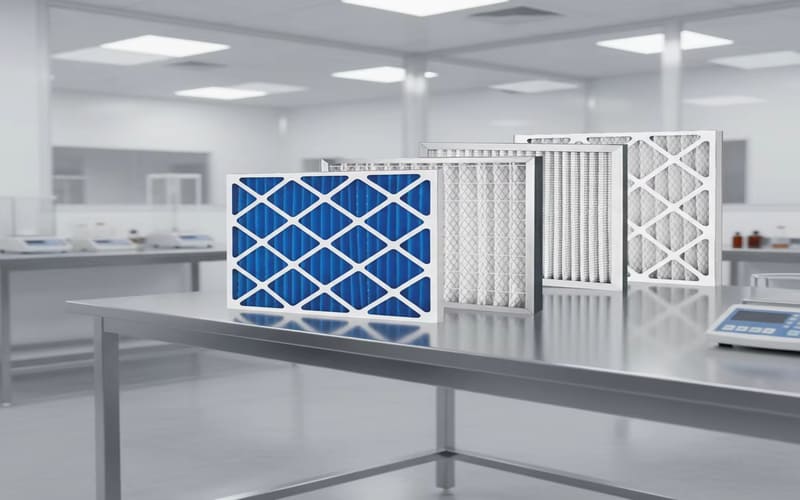
- HVAC Synthetic Pocket Filter Bags: $10 – $45 per bag
- Dust Collector & Baghouse Filter Bags: $5 – $30 per bag
Ordering replacement filter bags in bulk lots unlocks direct wholesale pricing, significantly reducing cost per unit.
Bag Filter Housing Unit Pricing
Bag filter housings hold the media in place under pressure. Costs scale based on housing capacity, pressure ratings, and material grade:
| Housing Type | Construction Material | Average Price Range |
|---|---|---|
| Single-Bag Housing | 304 / 316 Stainless Steel | $300 – $1,500 |
| Multi-Bag Housing (2 to 6 Bags) | Carbon / Stainless Steel | $2,000 – $8,000 |
| High-Capacity Multi-Bag (8+ Bags) | Heavy-Duty Stainless Steel | $8,000 – $20,000+ |
Industrial Baghouse System Investment Costs
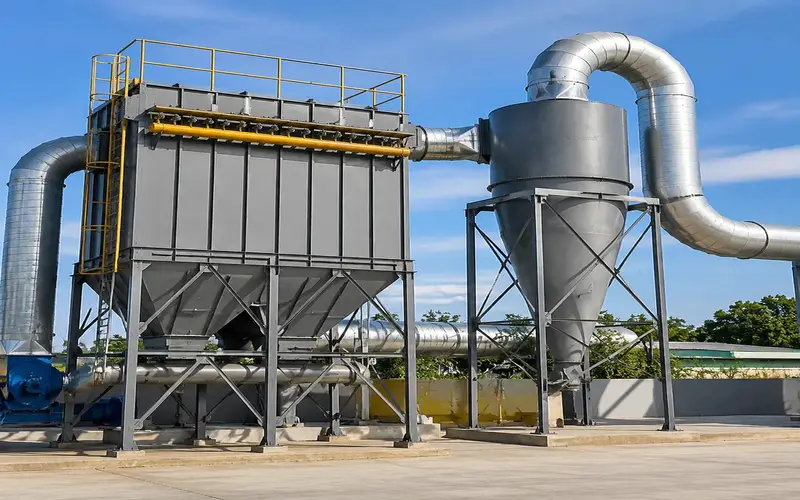
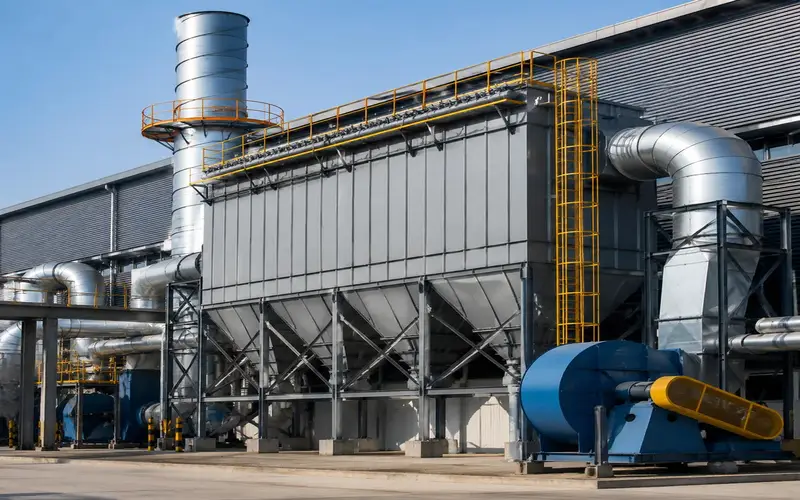
Complete industrial dust collector and air filtration systems involve higher initial capital equipment investments. Total cost factors in automated pulse-jet cleaning mechanisms, ductwork, and blowers:
- Compact Standalone Dust Collectors: $3,000 – $12,000
- Mid-Sized Commercial Baghouse Systems: $15,000 – $45,000
- Large Industrial Turnkey Systems: $50,000 – $150,000+
Key Factors Influencing Bag Filter Costs

When evaluating bag filter costs, pricing varies significantly based on material composition, design complexity, and performance specs. Understanding these critical cost drivers helps you balance initial production expenses with long-term operational efficiency.
Filter Bag Media and Construction Material
The raw material chosen for the filter media is the primary cost driver. Standard commodity fabrics like polyester felt and polypropylene filter bags are mass-produced and economical, making them the default choice for general liquid filtration and dust control.
- Standard Media (Polyester / Polypropylene): $2 – $10 per bag
- Specialty / High-Temp Media (Nomex / PTFE / Fiberglass): $25 – $90+ per bag
- Woven Mesh Media (Nylon / Stainless): $15 – $45 per bag
Higher-grade synthetic media and chemical-resistant fabrics cost more upfront, but they are necessary for handling aggressive solvents, extreme pH levels, or high-temperature gases.
Micron Rating and Filtration Efficiency
Filtration efficiency directly dictates manufacturing complexity. Bags engineered for sub-micron or fine particle capture require multi-layered, gradient-density constructions or specialized microfiber layers.
A coarse 100-micron nominal bag uses less complex media than a 1-micron absolute-rated bag. When comparing filters for resistance and efficiency, tighter ratings increase differential pressure, demanding reinforced seam welds (like ultrasonic welding) that raise manufacturing costs over simple stitched seams.
Filter Size and Airflow Capacity (CFM)
Physical dimensions dictate total fabric consumption and labor assembly time. Standard filter bag sizing keeps costs down, whereas custom dimensions drive up unit costs.
- Standard Industry Sizes (#1, #2, #3, #4): Highly cost-effective due to high-volume production.
- High Flow Filter Bag Designs: Feature pleated geometry or oversized dimensions to maximize volumetric throughput and airflow capacity (CFM). While priced higher per bag, they replace multiple standard bags to lower total housing costs.
Properly balancing vessel size and understanding how the velocity of bag filters impacts media wear ensures you do not overpay for oversized capacity you do not need.
Ring Material and Top Style Variations
The top sealing ring design dictates how cleanly the bag seals into the housing vessel to prevent bypass.
- Steel Wire Rings: Most budget-friendly choice; flexible for basic snap-ring housings.
- Molded Plastic Collars (Polypropylene / Polyester): Slightly higher price point, but provides a bypass-free compression seal for high-purity applications.
- Drawstring & Machined Flanges: Custom top fittings add extra machining and hand-assembly fees.
Bag Filter Price Comparison by Type and Application
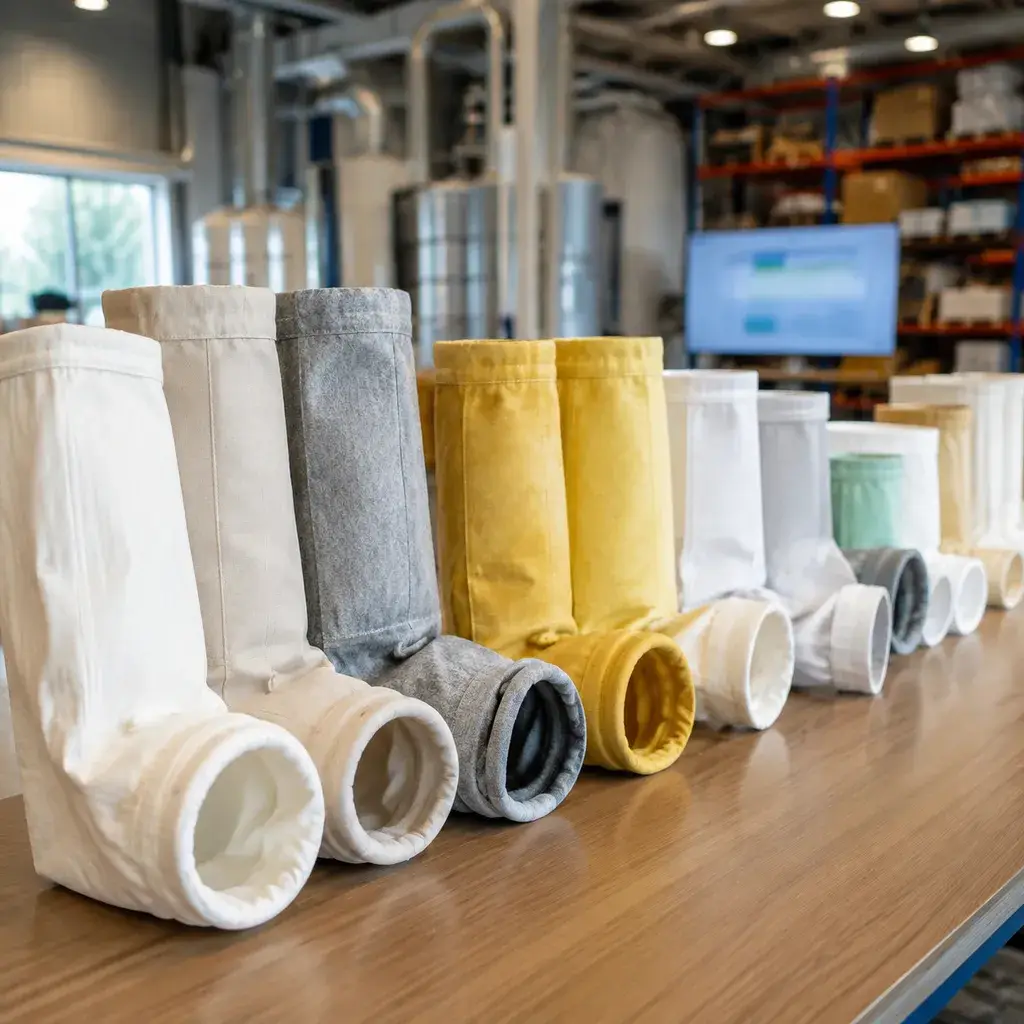
Filter pricing varies widely based on media construction, target efficiency, and airflow volume. Understanding what bag filters are used for helps you match the right filter material to your budget and operational demands.
| Filter Category | Average Unit Price | Key Application |
|---|---|---|
| Liquid Felt Bags | $2.00 – $8.00 | Process water, chemicals, oils |
| Liquid Mesh Bags | $3.00 – $25.00 | Coarse liquid strainers, paints |
| HVAC Pocket Filters | $20.00 – $65.00 | Commercial air handlers, cleanrooms |
| Dust Collector Bags | $5.00 – $50.00+ | Industrial baghouses, woodworking |
Liquid Filter Bags (Felt vs. Mesh Media)
In liquid filtration, media type directly dictates cost:
- Polyester Felt & Polypropylene Filter Bags: Run between $2.00 and $8.00 per bag. Needle felt provides depth filtration, catching a range of particle sizes affordably.
- Nylon Monofilament Mesh Bags: Range from $3.00 to $25.00 per bag. Woven mesh provides surface filtration with precise micron openings. They are easily washable and reusable, lowering total cost per batch.
- High-Performance / Specialty Media: Specialty options made from Nomex or PTFE felt cost $40.00 to $75.00+ each due to extreme temperature or chemical resistance requirements.
HVAC Pocket Bag Filters
Designed for commercial ventilation systems, pocket-type bag filters capture high volumes of airborne dust with minimal airflow resistance:
- Standard Synthetic Pocket Filters (MERV 11 – 13): Typically cost $20.00 to $40.00 per filter.
- High-Efficiency Pocket Filters (MERV 14 – 15): Range from $45.00 to $65.00 per unit due to denser multi-layer media and reinforced headers.
- Cost Efficiency: Choosing the correct depth and pocket count maximizes dust holding capacity. Upgrading your HVAC air intake filters saves money and improves efficiency by preventing premature blower wear and keeping energy consumption down.
Dust Collector and Oil Mist Baghouse Filters
Industrial baghouse dust collector systems require heavy-duty bags built to withstand pulse-jet cleaning and high dust loads:
- Standard Polyester Pulse-Jet Bags: Priced affordably at $5.00 to $15.00 per bag.
- Coated & Treated Media: Bags with water-repellent or PTFE-laminated membranes cost $18.00 to $35.00 per bag to ensure easy dust cake discharge.
- High-Temperature Baghouse Filters: Materials like Aramid (Nomex), Fiberglass, or PPS range from $30.00 to $80.00+ per bag, essential for high-heat industrial exhausts like asphalt, cement, or steel operations.
Initial Purchase Price vs. Long-Term Operating Costs
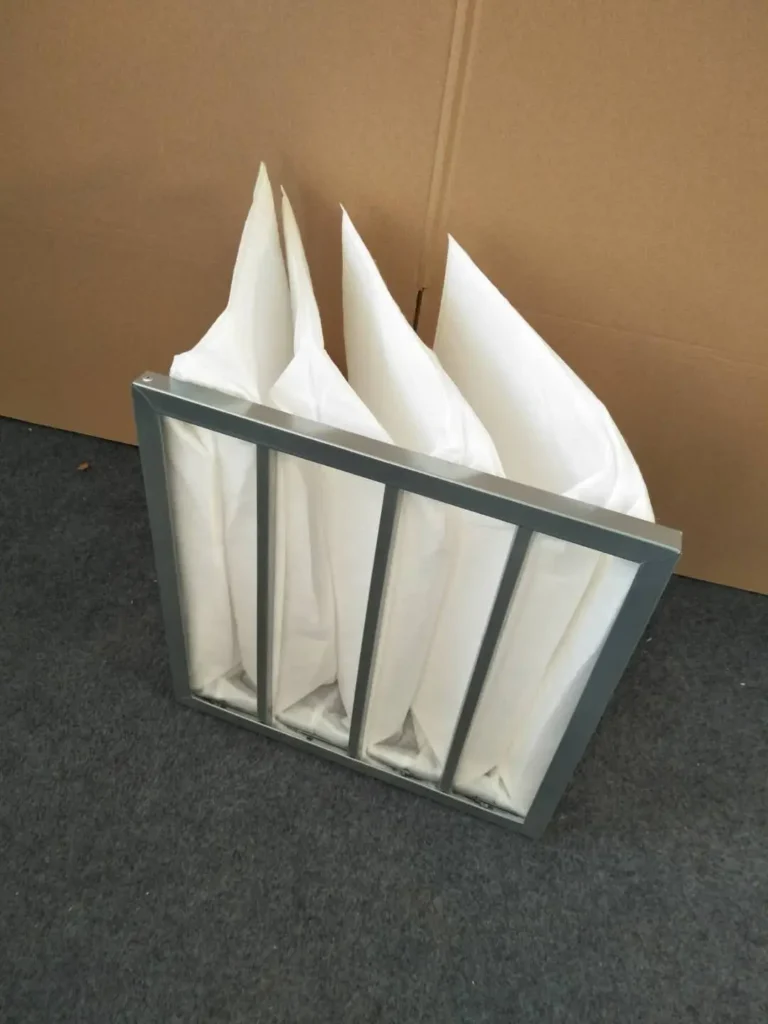
When evaluating how much bag filters cost, looking only at the price tag on individual bags gives an incomplete picture. The true financial commitment balances your upfront capital equipment with long-term operating expenses.
Equipment and Installation Costs
Your initial setup requires investing in core hardware and integration before filtering a single gallon or cubic foot of media:
- Bag Filter Housings: Single-bag liquid vessels range from $200 to $800, while multi-bag stainless steel housings and industrial dust collectors start around $3,000 and can exceed $25,000.
- System Integration: Connecting vessels to existing process piping or ventilation lines typically adds $500 to $3,500 in labor, valves, and hardware.
- Startup Media & Accessories: Initial orders for restraint baskets, pressure gauges, and spare replacement filter bags are essential upfront baseline costs.
Replacement Frequency and Maintenance Expenses
Ongoing maintenance and consumables account for a major portion of your recurring operating expenses:
- Consumable Costs: Standard filter bags cost between $2 and $15 each. Replacing bags daily across multiple housing units can result in annual media expenses of $2,000 to $10,000+.
- Labor & Downtime: Frequent filter swaps require dedicated maintenance technician hours and brief process shutdowns, driving up indirect labor costs.
- Waste Disposal: Hazardous or regulated waste captured in liquid filtration systems requires specialized disposal services, adding to operational overhead.
Energy Consumption and Pressure Drop Impact
Energy consumption is frequently the highest hidden cost in any filtration process. As dirt builds up on the media, differential pressure rises, forcing pumps or blowers to pull more electricity.
- Pump and Blower Overhead: Running clogged filter bags past their optimal change-out point forces equipment to work harder, spiking electrical utility bills.
- System Resistance: Checking a pressure drop chart allows you to balance micron efficiency against overall energy efficiency.
- Optimal Change-out Timing: Replacing bags once differential pressure reaches 12 to 15 PSI minimizes overall power consumption and prevents premature strain on your pumps.
How to Choose a Cost-Effective Bag Filter System
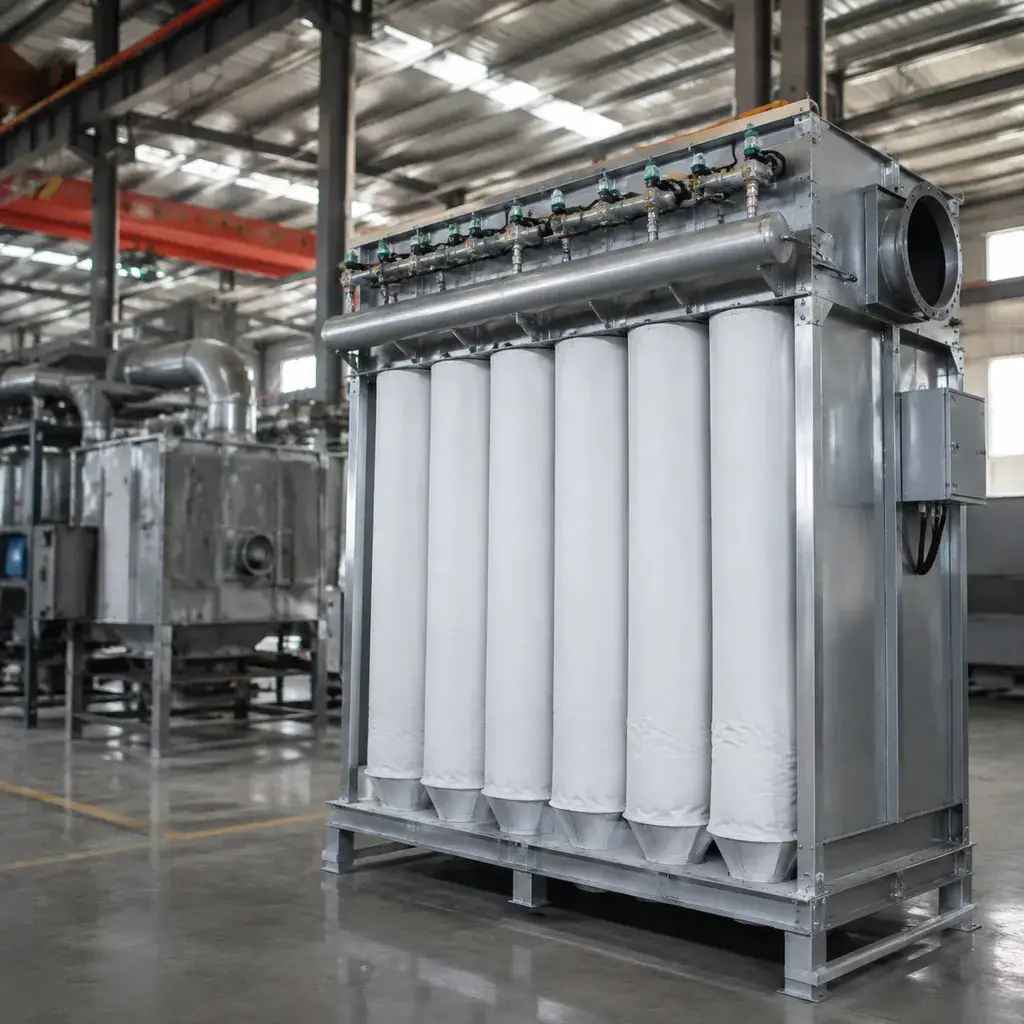
Choosing the right system requires balancing upfront purchase price with ongoing operating expenses. Buying the cheapest option often leads to higher maintenance costs and frequent replacements.
Determining Sizing and Micron Requirements
Proper filter bag sizing and micron rating selection directly impact how much bag filters cost over their operational lifespan.
- Airflow & Flow Rate Sizing: Oversizing housing slightly reduces pressure drop and extends bag life, lowering overall replacement frequency.
- Micron Rating Accuracy: Selecting too fine a micron rating blinds the filter prematurely. Match the micron rating strictly to your process solids to avoid unnecessary filter changes.
- Media Selection: Standard felt works for general particle retention, while high-capacity pleated media handles heavy dirt loads at a lower cost per gallon processed.
Standard vs. Custom Filter Pricing
Off-the-shelf bag filter sizes cost significantly less than custom configurations.
| Feature | Standard Bag Filters | Custom Filter Bags |
|---|---|---|
| Average Cost | $2 – $15 per bag | $25 – $100+ per bag |
| Lead Time | Immediate (In stock) | 2 to 6 weeks |
| Compatibility | Standard commercial housings | Specialized equipment, extreme temps |
| Min. Order Quantity | Low or none | High volume minimums |
Evaluating Initial Price vs. Filter Lifespan
Evaluating initial price against service life prevents unexpected budget overruns. Cheap media that clogs twice as fast doubles your hardware, disposal, and labor expenses.
- Dirt-Holding Capacity: Premium multi-layer synthetic media holds up to four times more dirt than standard felt, drastically reducing changeout labor.
- Downtime & Labor Costs: Factoring in labor shows that high-capacity filters cost less long-term despite a higher initial price tag.
- Replacement Cycles: Tracking system differential pressure helps you determine how often to change air filter elements and liquid bags without wasting functional filter capacity.
Tips to Reduce and Optimize Bag Filter Costs
Managing ongoing operating expenses requires strategic purchasing and proactive system care. Here is how we help operators minimize lifetime filtration expenses without sacrificing performance.
Purchasing Bag Filters in Bulk Lots
Buying replacement filter bags in larger quantities drastically cuts unit costs and long-term operating budgets.
- Wholesale Pricing: Ordering bulk volume yields direct per-unit discounts, maximizing your purchasing budget.
- Consolidated Freight: Single, high-volume shipments reduce overall transport fees and eliminate expensive emergency shipping.
- Zero Downtime: Maintaining backup inventory ensures seamless filter changes without process interruptions.
When sourcing commercial bag filters directly from us as a manufacturer, scheduled bulk supply orders provide the highest profit margins for your plant.
Using Washable and Reusable Bag Filters
In specific processes, switching from single-use felt to washable filter bags dramatically decreases ongoing supply costs.
- Cleanable Media: Woven nylon mesh, polypropylene mesh, and stainless steel strainers can be washed and reinstalled multiple times.
- Target Applications: Reusable media performs best in coarse liquid filtration, heavy particulate recovery, or primary straining stages.
- Waste Minimization: Reusing bags slashes waste disposal volume and associated hazardous disposal fees.
Implementing Proper Maintenance to Extend Bag Life
Proactive maintenance protects bag integrity and prevents early failure.
- Track Differential Pressure: Replace bags based on real-time gauge readings rather than timed intervals to utilize the full holding capacity.
- Tune Pulse-Jet Cleaning: On dust collectors, adjust pulse frequency and air pressure to prevent fabric degradation.
- Inspect Housing Seating: Ensure proper bag ring seating inside bag filter housings to prevent bypass and localized wear.