Understanding Furnace Filter Costs
The cost of maintaining a comfortable home environment often starts with the furnace filter. While it may seem like a simple mesh of material, the furnace filter cost is influenced by engineering, material science, and the specific requirements of your HVAC system. Investing in the right filter is not just about meeting a maintenance requirement; it is about protecting your home’s mechanical heart and ensuring the air your family breathes is free of contaminants.
Average Price Ranges for Replacement Filters
Prices vary significantly based on the technology and protection level required. Understanding these brackets helps in budgeting for annual maintenance:
- Economy Filters ($2 – $10): Typically basic fiberglass or low-grade pleated options designed for high airflow but minimal filtration.
- Standard Performance ($15 – $30): High-quality pleated filters that balance filter media density with airflow, usually falling in the mid-range MERV categories.
- High-Efficiency/Specialty ($50 – $100+): Includes HEPA-grade filters, deep-pleated media (4-5 inches thick), and specialized electrostatic versions.
Why Filter Quality Matters for Your HVAC System
Selecting a filter based solely on the lowest price can lead to expensive consequences. High-quality filters serve two critical functions:
- System Protection: They prevent dust, pet hair, and debris from accumulating on sensitive components like the evaporator coil and blower motor. This reduces the risk of mechanical failure.
- Air Purification: Superior filter material captures microscopic allergens, mold spores, and fine dust, directly impacting the health of the occupants.
- Energy Efficiency: A well-constructed filter maintains the ideal pressure drop, ensuring the system doesn’t work overtime to pull air through a clogged or poorly designed medium.
By choosing a filter that matches your specific filter size and MERV rating needs, you optimize the lifespan of your HVAC unit while managing long-term operational costs.
Key Factors That Determine Furnace Filter Cost
When I look at what drives the price of a filter, it usually comes down to how much material is used and how much technology is packed into the mesh. The furnace filter cost isn’t just a random number; it reflects the engineering required to keep your HVAC system running smoothly while cleaning your air.
Filter Size and Thickness
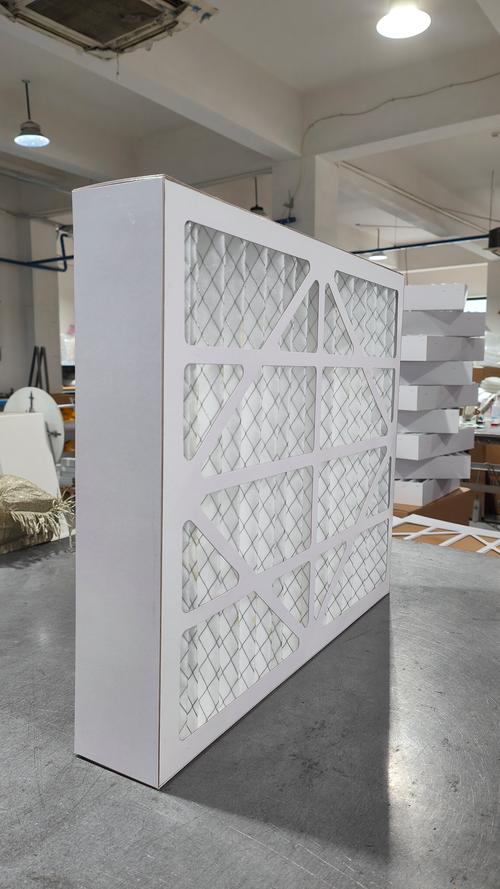
The physical dimensions of the filter are the first thing that impacts the price. Standard 1-inch filters are mass-produced and cheap, but if your system requires a 4-inch or 5-inch deep-pleated filter, you will pay more. These thicker filters contain significantly more filter media, allowing them to last longer and trap more debris.
| Filter Thickness | Common Application | Price Impact |
|---|---|---|
| 1-Inch | Standard residential furnace | Budget-friendly |
| 2-Inch | High-capacity residential/Commercial | Moderate |
| 4 to 5-Inch | Whole-house media cleaners | Premium |
Custom sizes are another factor. If your intake vent isn’t a standard size, I have to manufacture a one-off version, which always costs more than the common sizes found on a retail shelf.
MERV Ratings and Filtration Efficiency
The MERV rating (Minimum Efficiency Reporting Value) is a direct indicator of performance. As the rating goes up, the price follows. A higher MERV rating means the filter can trap smaller particles like pollen, mold spores, and even bacteria.
- MERV 1-4: Basic protection against large dust; very inexpensive.
- MERV 8-11: The “sweet spot” for most homes, balancing cost and air quality.
- MERV 13-16: High-efficiency filters designed for superior air filtration; these carry the highest price tags.
Filter Material and Construction
The filter material itself dictates the manufacturing cost. I see a massive difference in price between simple fiberglass and advanced synthetic blends.
- Fiberglass: Minimal material cost, but offers the lowest protection.
- Pleated Polyester/Cotton: Increased surface area means better filtration and a higher price.
- High-Density Synthetic: Used in high-MERV filters to capture microscopic allergens without restricting too much airflow.
Brand Reputation and Smart Features
Finally, brand and quality play a role. Established brands often have stricter quality control and better frame construction, which prevents the filter from collapsing under pressure. Recently, we’ve seen the rise of “smart” filters. These include Bluetooth sensors that alert your phone when the pressure drops, adding a high-tech premium to the standard furnace filter cost. While these features are convenient, they definitely push the price toward the top of the scale.
Types of Furnace Filters and Their Price Points
The market offers a wide variety of options, and understanding the price-to-performance ratio is essential for managing your HVAC budget. As a furnace filter manufacturer, I see firsthand how different materials and construction methods directly impact the final sticker price.
Budget-Friendly Fiberglass Filters
These are the most basic options available. Made from spun glass reinforced by a metal grate, they are designed primarily to protect your furnace from large debris rather than to clean the air you breathe.
- Price Range: $1 to $5 per filter.
- Best For: Renters on a tight budget or systems that require maximum airflow with minimal resistance.
- Downside: They have a very low MERV rating and need to be replaced every 30 days.
Mid-Range Pleated Paper Filters
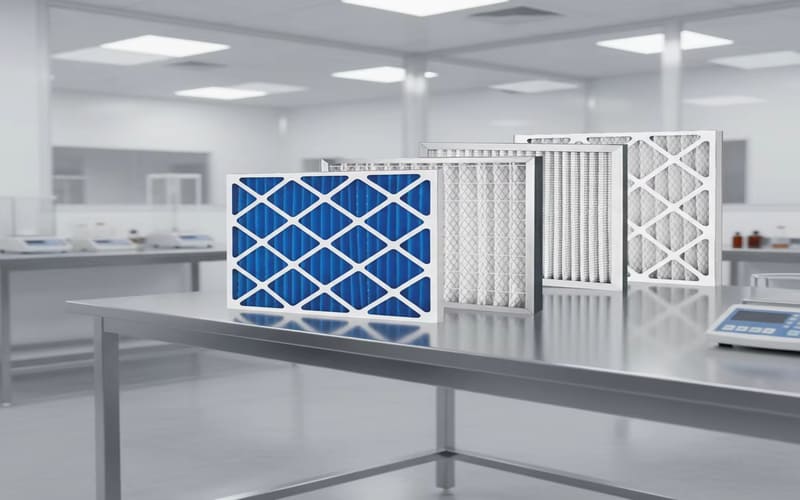
Pleated filters are the industry standard for most residential homes. We use a filter media made of cotton or polyester folds to increase the surface area, which traps significantly more dust, mold, and pet dander.
- Price Range: $10 to $25 per filter.
- Best For: Average households wanting a balance between filter quality and cost.
- Benefit: These typically last 90 days and offer MERV ratings between 8 and 11, providing much better indoor air quality than fiberglass.
Premium HEPA and Electrostatic Filters
If you suffer from severe allergies or asthma, premium filters are the way to go. HEPA filters are the gold standard, capable of trapping 99.97% of particles, while electrostatic versions use self-charging fibers to attract pollutants like a magnet.
- Price Range: $30 to $100+ per filter.
- Best For: Homes with pets, smokers, or residents with respiratory issues.
- Note: High-efficiency filters are thicker (often 4 to 5 inches), so ensure your filter size and cabinet can accommodate them before purchasing.
Washable and Reusable Filters
For those looking to reduce waste, washable filters offer a permanent solution. Instead of buying new ones, you simply spray them down with a hose and let them dry.
- Price Range: $50 to $120 (Initial investment).
- Best For: Eco-conscious homeowners who don’t mind the monthly chore of cleaning.
- Long-term Savings: While the upfront furnace filter cost is high, these can last 5 to 10 years, eventually paying for themselves.
| Filter Type | Average Cost | Replacement Interval | Filtration Level |
|---|---|---|---|
| Fiberglass | $1 – $5 | 30 Days | Low |
| Pleated | $10 – $25 | 90 Days | Medium to High |
| HEPA | $30 – $100 | 6 – 12 Months | Maximum |
| Washable | $50 – $120 | Clean Monthly | Medium |
The Hidden Costs of Cheap HVAC Filters
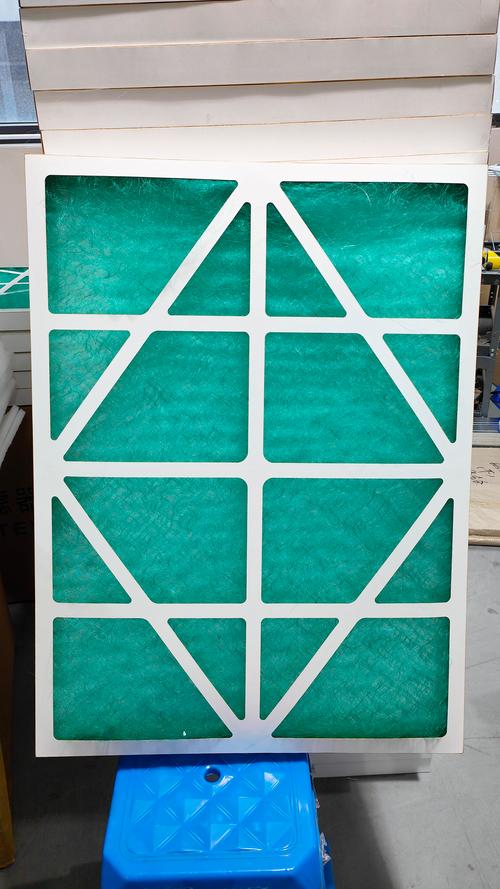
Choosing the lowest-priced option might seem like a win for your wallet, but as a manufacturer, I’ve seen how cheap filters often lead to “sticker shock” elsewhere. Saving five dollars on a filter can easily result in spending hundreds on utility bills and mechanical failures. When you calculate the true furnace filter cost, you have to look beyond the checkout price.
Increased Monthly Energy Bills
Low-quality filters often use inferior filter media that lack the surface area of premium pleated versions. These filters clog quickly and unevenly, forcing your HVAC blower motor to work twice as hard to pull air through the system.
- Restricted Airflow: Your system runs longer cycles to reach the desired temperature.
- Efficiency Drop: Even a slightly clogged, cheap filter can increase energy consumption by 5% to 15%.
- Waste: You end up paying the power company what you thought you were saving on the filter.
Frequent HVAC Repairs and Shorter Lifespan
The primary job of a filter is to protect the HVAC equipment. Cheap fiberglass filters have a very low MERV rating, meaning they act as a sieve rather than a barrier.
- Component Grime: Dust and hair bypass the filter and coat the evaporator coils and motor.
- System Strain: This buildup causes the system to overheat or the coils to freeze.
- Repair Costs: A single service call to clean a dirty coil can cost more than five years’ worth of high-quality filters. Over time, this unnecessary stress shortens the life of your furnace by years.
Compromised Indoor Air Quality
A bargain filter is usually made of thin filter material designed only to catch large “carpet fuzz.” It does almost nothing to improve the air you breathe.
- Circulating Pollutants: Fine dust, pet dander, and pollen pass straight through and stay in your living space.
- Health Impact: For families with allergies or asthma, a cheap filter provides zero protection against triggers.
- Cleaning Burden: You’ll find yourself dusting furniture and vacuuming more often because the filter isn’t doing its job of trapping airborne particles.
Professional vs. DIY Filter Replacement Costs
Deciding between handling the swap yourself or calling in a pro is a major factor in the total furnace filter cost. While the task is simple, the price difference between these two approaches is often substantial due to labor markups and service fees.
Expenses Associated with DIY Replacement
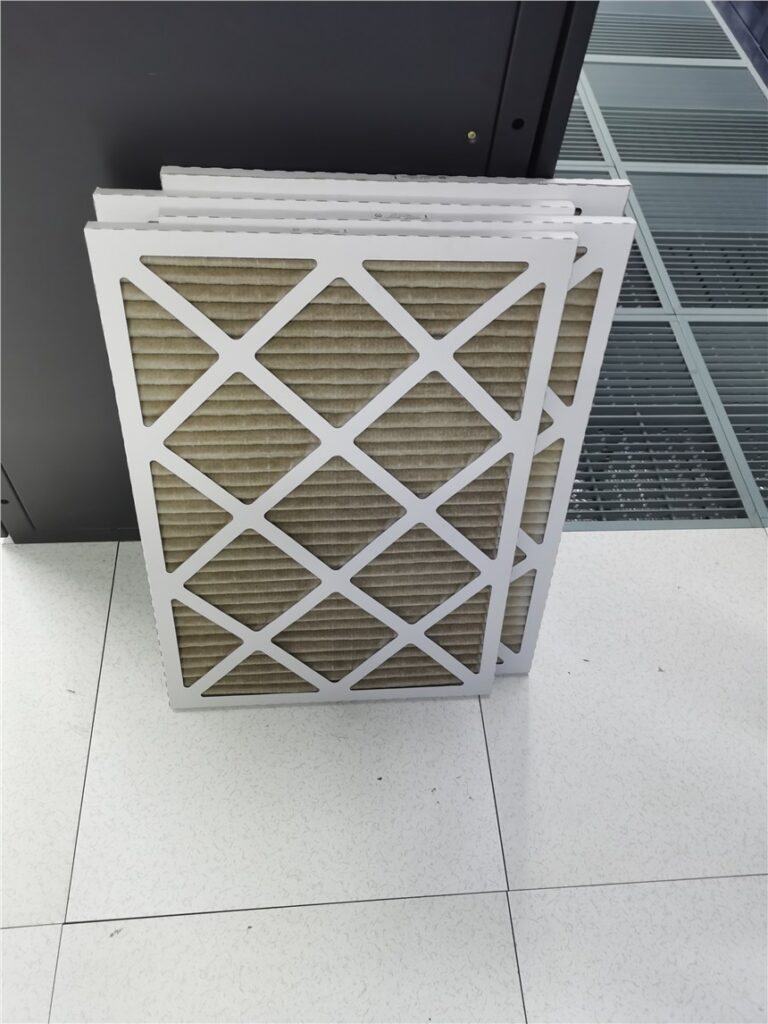
For the vast majority of our customers, DIY is the most cost-effective way to maintain an HVAC system. When you manage the replacement, you bypass the middleman and only pay for the physical product.
- Direct Product Cost: You only pay for the filter media, which typically ranges from $10 to $50, depending on the MERV rating.
- Bulk Savings: DIYers can take advantage of subscription services or bulk buys, significantly lowering the price per unit compared to one-off emergency purchases.
- Zero Labor Fees: Since swapping a filter takes less than five minutes, the “labor cost” is essentially zero, making it the most budget-friendly path.
Labor Costs for Professional HVAC Maintenance
Hiring a technician to change a filter is rarely done as a standalone service because the labor costs far outweigh the value of the filter itself. Usually, this happens during a seasonal tune-up.
- Service Call Fees: Most HVAC companies charge a base fee between $75 and $200 just to arrive at your home.
- Retail Markup: Professionals often charge a premium for the specific filter size and brand they carry on their truck, sometimes marking up the price by 50% or more over MSRP.
- Bundled Value: The only time professional replacement is cost-effective is when it is bundled into a comprehensive maintenance contract. In these cases, the technician ensures the filter material is installed correctly and checks for other system issues that could lead to more expensive repairs later.
How to Maximize Your Furnace Filter Investment
We want you to get the most value out of every dollar spent on HVAC maintenance. Maximizing your investment isn’t just about finding the lowest sticker price; it’s about ensuring the brand and quality of the filter match your home’s specific environment to prevent system strain.
Determining the Right Replacement Frequency
How often you swap your filter depends heavily on the filter material and your lifestyle. While a general rule is every 90 days, certain factors require a faster rotation:
- Standard 1-inch Filters: Usually need replacing every 30 to 60 days.
- High MERV Rating: Filters with higher efficiency trap more particles and may clog faster, requiring more frequent checks.
- Household Factors: If you have pets, smokers, or live in a dusty area, plan on a fresh filter every month.
Signs Your Filter Needs Immediate Changing
Don’t wait for a calendar reminder if you notice these performance red flags:
- Visual Buildup: If the filter media looks grey, ashy, or covered in visible lint.
- Weak Airflow: Vents blowing less air than usual often point to a clogged filter.
- Rising Energy Bills: A dirty filter forces the motor to work harder, spiking your monthly costs.
Saving Money with Bulk Purchases and Subscriptions
The most effective way to manage the Factors That Determine Furnace Filter Cost is to change how you shop. Buying one-off filters at a retail store is the most expensive way to maintain your system.
- Bulk Buying: Ordering a year’s supply of your specific filter size (usually 6 or 12 packs) significantly lowers the price per unit.
- Subscription Services: We provide automated subscription services that deliver the exact filter you need right to your door. This not only locks in a lower “subscriber” price but also ensures you never forget a replacement, protecting your HVAC system from long-term damage.
Frequently Asked Questions About Furnace Filter Pricing
Are expensive furnace filters worth the money?
Investing in a higher-priced filter is usually worth it if you want to protect your HVAC system and improve indoor air quality. As a manufacturer, I’ve seen how premium filter media captures significantly more allergens and dust than cheap alternatives. While the initial furnace filter cost is higher, these filters prevent debris from coating your evaporator coils, which saves you from expensive repair bills and high energy consumption in the long run.
Does a higher MERV rating always cost more?
In most cases, yes. A higher MERV rating requires more advanced filter material and a denser weave to trap smaller particles like smoke and bacteria. Manufacturing these high-efficiency filters involves more specialized processes to ensure they catch pollutants without putting undue strain on your blower motor. Because of the superior brand and quality of the materials used, you will see a price increase as you move up the MERV scale.
Where can I find the best deals on replacement filters?
The best way to lower your costs is to avoid big-box retail markups. Buying directly from the source or using subscription services ensures you get the right filter size at a wholesale price point.
- Bulk Buying: Purchasing a 6-pack or 12-pack significantly reduces the price per filter.
- Factory Direct: Ordering from a manufacturer eliminates middleman fees.
- Scheduled Deliveries: Many services offer a 10-15% discount when you sign up for recurring shipments.