What Causes Dust: The Microscopic Breakdown
Ever wonder what is actually floating around in your air and settling on your furniture? To solve the problem, we first have to understand what indoor dust is actually made of. Dust isn’t just one thing—it is a complex, microscopic cocktail of biological waste, disintegrating materials, and outdoor pollutants that constantly settles inside your home.
The Biological Load
The call is coming from inside the house. A massive portion of indoor dust is purely biological. As we live and move through our spaces, our bodies and pets constantly shed debris into the environment.
- Dead Skin Cells: Human skin cells are shedding continuously. We lose millions of skin cells every single day, providing the primary fuel for indoor debris.
- Pet Dander Accumulation: If you have furry friends, pet shedding and dander (microscopic flecks of skin) are constantly airborne and land on every surface.
- Microscopic Dust Mites: These tiny pests thrive on the dead skin cells we drop, and their waste products are a major component of household dust and a leading trigger for indoor allergies.
The Anthropogenic and Textile Mix
Every day movement causes material shedding from the items we own. As we use our homes, our furniture and clothes slowly break down at a microscopic level.
- Textile Fibers Disintegration: Tiny fragments break off from clothing, carpets, blankets, and upholstery every time we sit down or walk around.
- Building Materials: Microscopic degradation of drywall, paint, and wood contributes to the gray powder you see on your shelves.
The Infiltrated Outdoor Fraction
A significant amount of indoor dust actually originates outside. It hitches a ride indoors through open doors, windows, and shoes.
| Outdoor Pollutant | Common Sources | How It Enters |
|---|---|---|
| Atmospheric Particulate Matter (PM) | Smoke, vehicle exhaust, industrial emissions | Air currents and open windows |
| Soil and Dust Storms | Soil erosion, construction sites | Tracked in on shoes and pets |
| Pollen | Flowering plants, trees, and grasses | Airborne infiltration |
Understanding this microscopic breakdown is the first step toward improving your indoor air quality (IAQ). Dust is a relentless mix of biology and geology, and managing it requires a heavy-duty, proactive filtration strategy.
Why Does Your House Accumulate Dust So Fast?

Ever feel like you wipe down a surface only for a new layer of gray fuzz to appear hours later? When indoor dust piles up faster than you can clean, it is rarely a cleaning problem—it is a structural and mechanical issue. Your home is essentially acting as a giant dust trap due to a few common systemic failures.
The HVAC Failure Modes
Your heating and cooling system is supposed to act as the lungs of your home. When it fails to clear the air, dust quickly takes over.
- Low Filtration Quality: Standard fiberglass filters only capture large chunks of debris to protect the equipment itself. They do nothing completely to stop fine airborne particles. Upgrading to higher-efficiency options like MERV 11 air filters helps trap the microscopic particles before they settle on your furniture.
- Leaky Ductwork: Holes, cracks, and unsealed joints in your air ducts create a vacuum effect. This pulls in raw dust, insulation fibers, and dirt directly from your attic, crawlspaces, or inside walls, blasting it straight into your living spaces every time the fan kicks on.
Structural Deficiencies
Your home’s outer shell is highly porous. Tiny, invisible openings constantly let outdoor pollutants slip inside.
- Drafty Windows and Doors: Worn-out weatherstripping and old window frames create direct entry points for outdoor dust, soot, and pollen.
- Passive Infiltration Pathways: Unsealed gaps around electrical outlets, plumbing pipes, and baseboards create a chimney effect, drawing dirty air up from the basement or foundations.
Environmental Physics Dynamics
Simple physics dictates how and where dust settles in your home.
| Factor | How It Speeds Up Dust Accumulation |
|---|---|
| Humidity Variation | Dry air allows particles to stay airborne longer and travel further. High humidity causes dust to clump together and stick heavily to surfaces. |
| Electrostatic Attraction | Modern electronics, synthetic rugs, and plastic surfaces generate static electricity, acting like high-powered magnets that pull dust out of the air. |
| Disrupted Airflow Patterns | Poor air circulation creates “dead zones” in corners and behind furniture, giving airborne particles the perfect quiet environment to settle. |
The Health Implications of Chronic Dust Exposure
Constant exposure to indoor dust is more than just a cleaning annoyance; it is a direct threat to your family’s health. When you breathe in these fine particles, they bypass your body’s natural defenses and settle deep into your respiratory system. For anyone living with chronic dust buildup, the health tax is real, constant, and completely preventable.
Respiratory Stress From Particulate Matter
Every time dust gets kicked up into the air, you inhale a mix of fine atmospheric particles, smoke, and outdoor pollutants. These tiny bits of matter irritate the linings of your lungs, causing chronic coughing, wheezing, and shortness of breath. Over time, this constant irritation strains your respiratory system, making your body work twice as hard just to get clean oxygen.
The Allergen Hub: How Dust Mite Proteins and Pet Dander Trigger Asthma
Indoor dust is a breeding ground for microscopic dust mites and pet dander. The proteins found in dust mite waste and shed pet skin are potent allergens that easily hang in the air. When inhaled, they can instantly trigger asthma attacks, severe sneezing fits, and scratchy throats. If your home has poor filtration, you are essentially breathing in these active triggers all day long.
Chemical Aggregates: How Dust Acts as a Sponge for Toxins
Warning: Dust is not just dirt—it acts like a chemical sponge.
The settled dust in your home actively absorbs airborne toxins, household cleaner residues, and outdoor exhaust that leaks inside. When it sits on your floors and furniture, it becomes a concentrated mix of chemicals.
To protect your lungs from these hazards, maintaining high indoor air quality is essential. Knowing what a bad air filter looks like can help you spot when your system is failing to trap these toxic particles, allowing you to swap it out before your health takes a hit.
The Engineering Solution: How to Break the Cycle with komtfil
To stop dust from constantly settling on your furniture and circulating in your lungs, you have to treat your home like a closed engineering system. The most effective way to intercept these microscopic particles is at the source—your central HVAC system—by upgrading the physical barrier that catches them.
Upgrading the Mechanical Barrier: Switching to Higher Filtration Quality
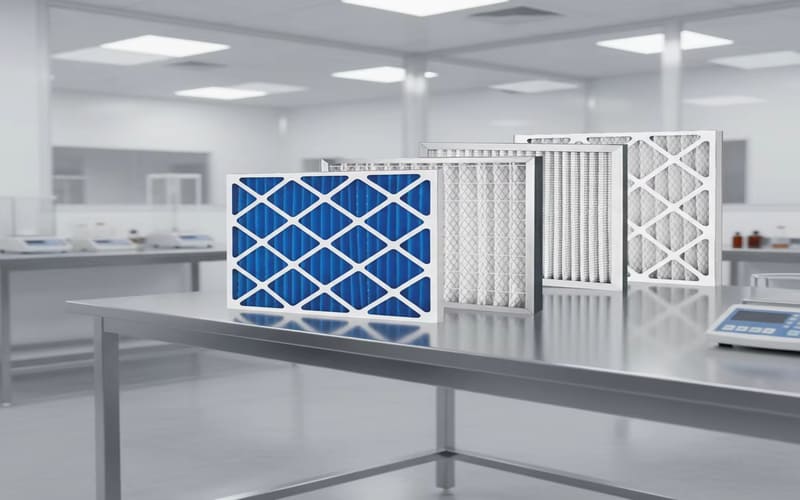
Standard fiberglass filters only catch large debris like lint or hair. To trap the true culprits of indoor dust—like skin flakes, pet dander, and microscopic dust mites—you need a higher tier of filtration quality. Upgrading to high-efficiency air filters ensures that even sub-micron particles are captured the first time they enter the return vents.
When configuring your system for better air quality, it is also important to consider system volume and capacity. You can use our guide on how to calculate air changes per hour to determine exactly how much air needs to pass through these high-efficiency barriers to keep your space clean.
The Komtfil Advantage: Halting Particle Resuspension in Dynamic Airflow
Most standard filters suffer from particle resuspension. When your HVAC fan kicks on, the sudden burst of airflow can actually blow previously trapped dust right off the filter media back into your living spaces.
Our komtfil filters are engineered specifically to prevent this failure mode.
- Advanced Fiber Geometry: We design our filter media with dense, multi-layered synthetic structures that lock particles deep inside the web, rather than just on the surface.
- Less Resuspension: Even during high-velocity airflow spikes, the captured dust stays locked down, permanently breaking the cycle of accumulation.
- Optimized Static Pressure: You get heavy-duty particle retention without suffocating your HVAC motor or reducing energy efficiency.
Actionable Mitigation Checklist: Proactive vs. Reactive Cleaning
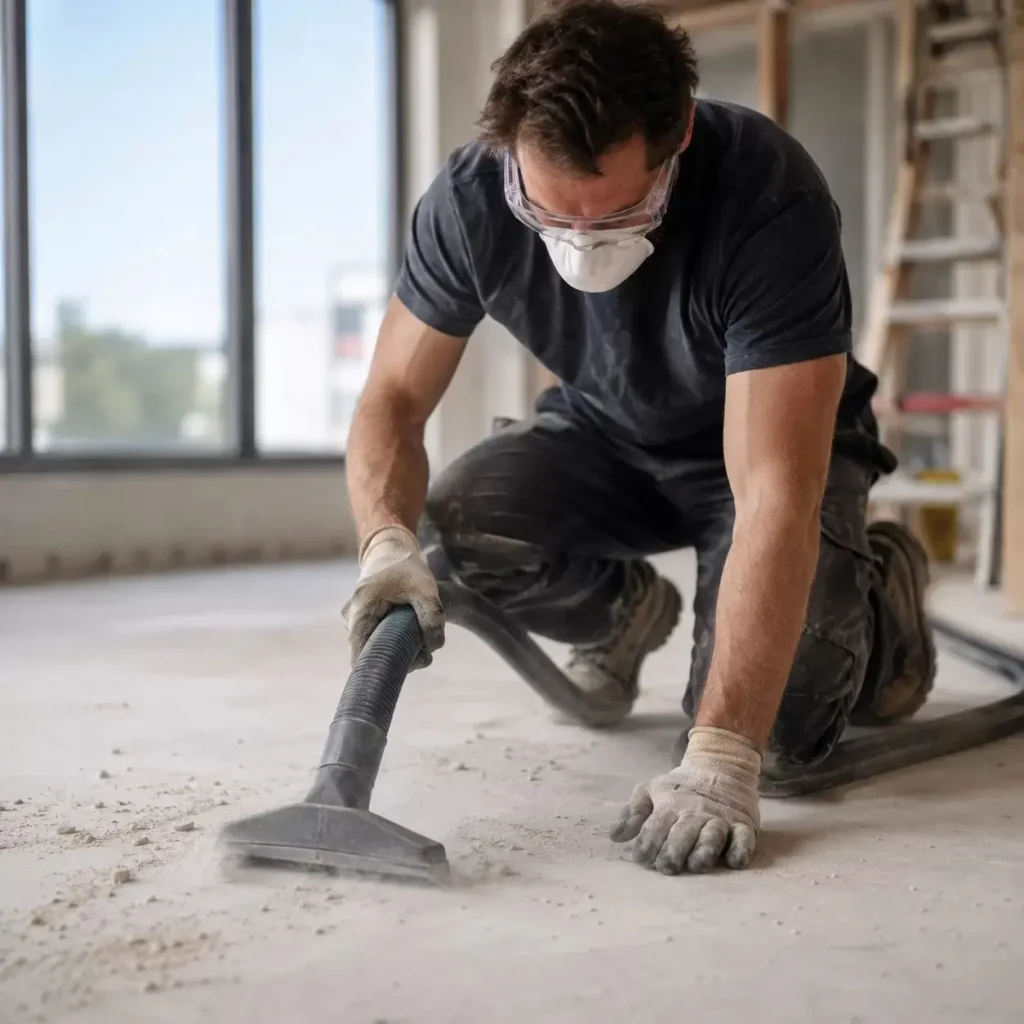
To truly improve indoor air quality (IAQ) and stop constant dust accumulation, you need a proactive defense strategy. Waiting for dust to settle on your furniture before wiping it away is a reactive approach that keeps fine particles circulating in your breathing zone. Transitioning to a proactive maintenance routine permanently lowers the baseline volume of airborne irritants in your home.
Smart Cleaning Techniques
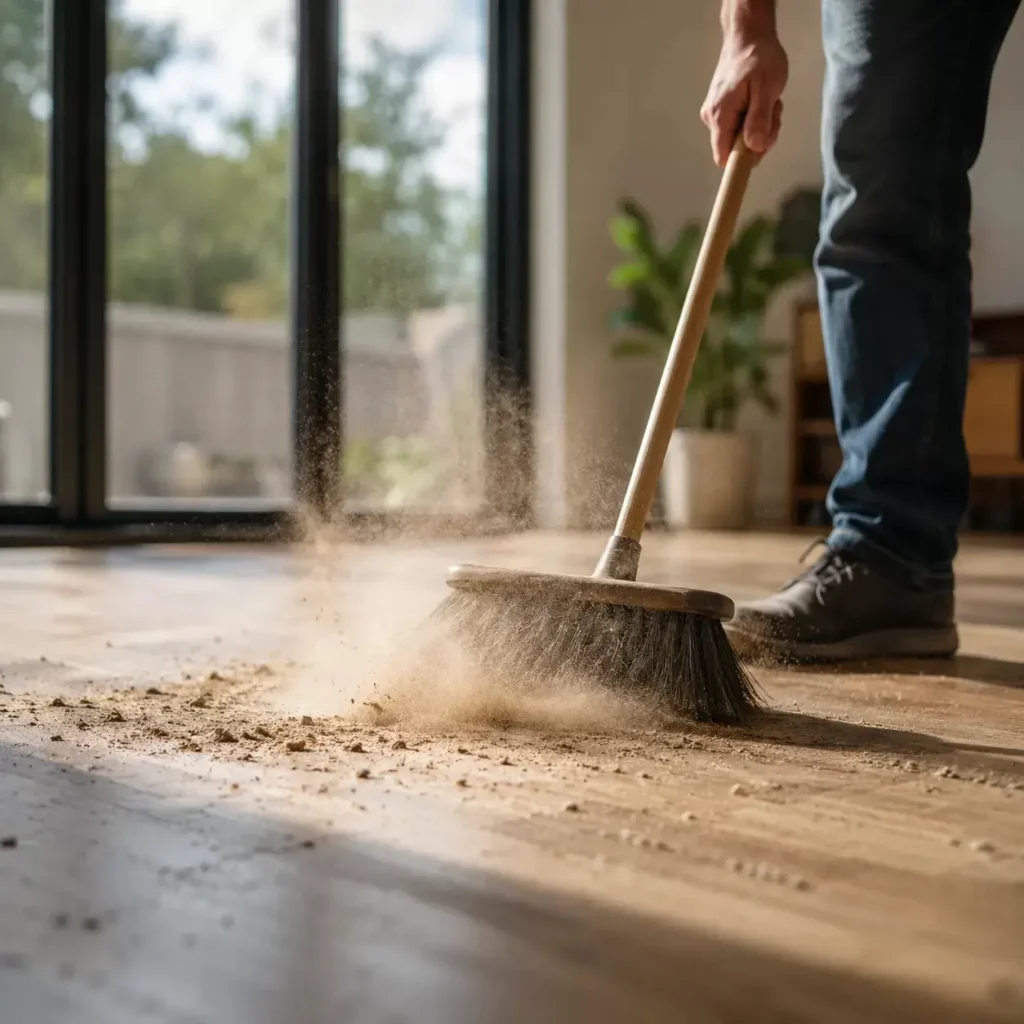
Standard dusting and basic sweeping often backfire by kicking settled particles back into the airflow. Upgrading your physical cleaning methods ensures that once dust is targeted, it is permanently removed from the space.
- Damp Mopping and Wiping: Skip the dry feather dusters. Use damp microfiber cloths and mops to trap and lift fine particles instead of sending them airborne.
- HEPA Vacuuming: Use a vacuum equipped with a true HEPA filter. Vacuum carpets, rugs, and upholstered furniture at least twice a week to capture microscopic debris that standard vacuums release back into the room.
Managing Indoor Sources
Controlling dust at the source dramatically reduces the volume of material shedding and biological pollutants generated inside your living spaces.
- Targeting Dust Mites: Wash all bedding weekly in hot water (at least 130°F) to eliminate microscopic dust mites and remove their allergenic proteins.
- Controlling Pet Dander: Groom pets frequently to minimize pet shedding. Dedicate specific zones for pets that keep them off carpets and soft fabric upholstery where dander embeds deeply.
- Proper Maintenance Airflow: Keeping your built-in filtration systems clean stops them from becoming dust distributors. Knowing how to clean air filter step-by-step prevents clogged media from reducing your overall system efficiency.
Sealing the Envelope
Securing the physical boundary of your home stops outdoor air pollutants, soil erosion, and pollen from infiltrating your indoor environment.
- Fixing Leaky Ductwork: Seal joints and cracks in your HVAC duct network. Leaky ducts pull dusty air from crawlspaces and attics straight into your living rooms.
- Closing Structural Air Leaks: Apply weatherstripping and caulk around drafty windows and exterior doors to block passive pathways for atmospheric particulate matter.
Frequently Asked Questions (FAQs) About What Causes Dust
Why is my house so dusty even after I vacuum?
Standard vacuum cleaners often lack the filtration quality required to trap fine particles. Instead of capturing the debris, they kick microscopic dust mites, pet dander, and textile fibers back into your living space through the exhaust. This process, known as particle resuspension, settles back onto your furniture hours later. To stop this cycle, use a vacuum equipped with a true HEPA filter and address underlying issues like leaky ductwork that constantly introduce outdoor air pollutants.
Can air purifiers completely get rid of indoor dust?
No air purifier can completely eliminate indoor dust, but high-efficiency systems drastically reduce it. Air purifiers excel at capturing airborne particles like dead skin cells, pet shedding, and pollen before they settle on surfaces. For the best results, running an air purifier must be paired with proactive source control and regular mechanical filtration upgrades. If you want to maximize your indoor air quality (IAQ), knowing how often to change your air purifier filter is critical to maintaining optimal airflow and trapping debris.
How often should I change my HVAC filter to reduce dust?
As a general rule, change your HVAC filter every 2 to 3 months. However, if you have multiple pets, suffer from severe allergies, or live in an area with high atmospheric particulate matter (PM), you should replace it every 30 to 60 days. Regular replacements prevent material shedding from clogging the system and slipping through gaps in drafty windows or air leaks. To keep your system running efficiently and blocking dust buildup, check our guide on how often to change air filter setups based on your specific household needs.