If you’ve ever wondered what an electrostatic air filter is and how it can help clear out dust, pollen, and allergens in your home, you’re in the right place. Millions of people struggle with indoor air quality every year, and understanding this technology could be a game-changer. Electrostatic air filters use a clever static electricity trick to trap particles, offering a reusable, cost-effective alternative to traditional disposable filters. Ready to breathe cleaner, fresher air without breaking the bank? Let’s dive into how these filters work and why they might be the perfect fit for your home.
What Exactly Is an Electrostatic Air Filter
An electrostatic air filter is a special type of reusable HVAC air filter designed to trap dust, pollen, pet dander, and other indoor allergens using static electricity. Unlike traditional filters that rely solely on physical barriers, these filters create an electric charge that attracts airborne particles like a magnet. This static electricity air purification method captures even the tiniest pollutants, helping improve your indoor air quality.
Because they are washable electrostatic precipitators, these filters are eco-friendly and cost-effective. You don’t need to replace them often—just clean and reuse them, making them a smart choice for energy-efficient home filtration. If you’re looking for a solution that goes beyond trapping visible dust and targets microscopic allergens, an electrostatic air filter might be the right fit for your home.
How Do Electrostatic Air Filters Work? A Step-by-Step Breakdown
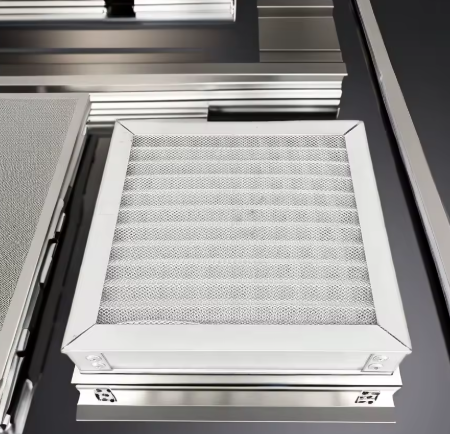
Electrostatic air filters use static electricity to capture airborne particles like dust, pet dander, and pollen. Here’s how they work in simple steps:
- Air passes through the filter – As your HVAC system runs, air moves through the electrostatic air filter.
- Static charge attracts particles – The filter’s fibers create a static electric field that pulls in tiny particles floating in the air.
- Particles stick to the filter – Dust, allergens, and other pollutants get trapped on the filter’s surface thanks to the static charge.
- Clean air flows back into your home – Once particles are caught, cleaner air circulates, helping improve indoor air quality.
- Reusable filters can be cleaned – Washable electrostatic precipitators can be rinsed and reused, making them an energy-efficient, cost-saving option.
This process makes electrostatic filters a solid choice for indoor allergen reduction without using ozone or harmful chemicals.
Types of Electrostatic Air Filters: Washable vs Disposable Hybrids
When choosing an electrostatic air filter, you’ll mainly find three types: washable, disposable, and hybrid models. Each has its own benefits depending on your needs and budget.
Washable electrostatic precipitators are reusable filters made from durable materials that you can rinse or vacuum to clean. They are ideal if you want a long-term, eco-friendly option that cuts down on replacement costs. These reusable HVAC air filters save you money over time, but do need regular cleaning to keep working efficiently.
Disposable electrostatic air filters are designed for single use and should be replaced according to the manufacturer’s schedule. They’re convenient because you don’t have to clean them, but replacing them often can add up in cost and create more waste.
Hybrid electrostatic filters combine features of both types. For example, some have a washable frame with disposable filter pads. This setup gives you flexibility and can help balance convenience with cost savings.
When choosing between these types, consider:
- How much effort do you want to spend on maintenance (DIY air filter cleaning)
- Your budget and long-term goals
- Your sensitivity to indoor allergens and pet dander (some models trap these better)
- The MERV rating for air cleaners ensures the filter meets your home’s air quality needs
Overall, washable and hybrid filters tend to be better for the environment and cost less over time, while disposable ones offer hassle-free replacement. Keep in mind that many electrostatic air filters are ozone-free air purifiers, making them a safe choice for families concerned about air quality.
Pros and Cons of Electrostatic Air Filters: Is It Right for Your Home
Electrostatic air filters come with some clear benefits and a few drawbacks. Knowing these can help you decide if they fit your home’s needs.
Pros
- Reusable and Washable: Many electrostatic air filters are washable, which means you can clean and reuse them multiple times. This helps save money compared to disposable filters.
- Energy Efficient: These filters usually create less airflow resistance, which can lower energy use in your HVAC system.
- Good at Capturing Particles: They use static electricity to trap dust, pet dander, and pollen effectively. This makes them great for reducing indoor allergens.
- Ozone-Free Performance: Unlike some air purifiers, electrostatic filters don’t produce harmful ozone, which keeps your indoor air safe.
Cons
- Regular Maintenance Required: To keep the static charge working, you need to clean the filter frequently. Skipping this can reduce performance or create a buildup of particles.
- Not as Fine as HEPA: While they trap many airborne particles, they don’t catch ultra-fine particles as well as HEPA filters do.
- Can Be Noisy: Some models may produce a slight buzzing sound when operating, which could bother sensitive users.
- Sizing Matters: If you don’t choose the right size, the filter won’t work efficiently. For help picking the perfect size, check out this complete air filter size guide.
Is It Right for Your Home?
If you want a cost-effective, energy-efficient way to cut down on dust, pet dander, and other allergens, and you don’t mind routine cleaning, an electrostatic air filter is a solid option. It fits well in homes with pets or mild allergies. However, if you need the highest level of filtration for sensitive health issues, you might want to consider a HEPA filter or look into the differences in our electrostatic air filter overview.
Weighing these pros and cons will help you pick the best air filter solution for your home and breathing comfort.
Electrostatic Air Filters vs Other Options: HEPA, Pleated and More
When comparing electrostatic air filters to other common options like HEPA and pleated filters, it’s clear each has strengths that fit different needs.
Electrostatic Air Filters use static electricity to trap airborne particles like dust, pet dander, and pollen. They’re often washable and reusable HVAC air filters, which makes them cost-effective and energy-efficient for everyday home use. They work well for basic indoor allergen reduction, especially if you want an ozone-free air purifier option.
HEPA Filters are known for their high efficiency, capturing 99.97% of particles down to 0.3 microns. That makes them ideal for allergy sufferers and homes needing deep air purification. But HEPA filters are usually disposable, need more frequent replacement, and may cause higher airflow resistance compared to electrostatic filters.
Pleated Filters sit somewhere between the two. They capture a good amount of particles and tend to have a higher MERV rating for air cleaners than standard fiberglass filters. Pleated filters often aren’t reusable but offer a balance of filtration efficiency and cost.
Here’s a quick comparison:
| Feature | Electrostatic Air Filters | HEPA Filters | Pleated Filters |
|---|---|---|---|
| Particle Capture | Good for dust, pollen, pet dander | Excellent, captures tiny particles | Moderate, better than fiberglass |
| Reusability | Washable, reusable | Disposable | Mostly disposable |
| Energy Efficiency | High, less airflow resistance | Lower, can restrict airflow | Moderate |
| Maintenance | Easy DIY cleaning | Replace regularly | Replace regularly |
| Cost Over Time | Lower due to reuse | Higher due to replacements | Moderate |
For most U.S. homes, electrostatic air filters offer a solid balance between cost, maintenance, and performance, particularly if you want an energy-efficient, reusable option. If your indoor air quality needs are very demanding or you have severe allergies, combining filters or choosing a HEPA might be better.
At Komtfil, we focus on providing reliable, ozone-free electrostatic air filters designed to maximize home air quality while keeping costs low and maintenance simple.
Installation, Maintenance, and Maximizing Performance
Installing an electrostatic air filter is pretty straightforward, but getting the best from it means paying attention to a few key steps. Most filters fit right into your existing HVAC system, usually where a standard air filter goes. Before installation, double-check the size to ensure a snug fit — you can learn more about sizes in our other articles.
To keep your washable electrostatic precipitator working efficiently, regular maintenance is a must. Unlike disposable filters, you can clean your reusable HVAC air filters rather than replace them, which is eco-friendly and cost-effective. Here’s how to keep it in top shape:
- Clean every 1-3 months: Wash the filter with warm water and mild soap to remove trapped dust, pet dander, and allergens.
- Air dry completely: Never reinstall the filter while it’s wet; moisture can damage your HVAC system.
- Inspect for damage: Replace the filter if you see rips or frayed edges, as this reduces filtration efficiency.
- Avoid harsh chemicals: Use gentle cleaners to maintain the filter’s static electricity air purification charge.
Maximizing performance also means checking that your HVAC system’s airflow isn’t blocked. Push air cleanly through the filter’s surface without cramming or bending it. For energy-efficient home filtration, a well-maintained electrostatic air filter can lower your system’s workload, helping reduce energy bills.
If you want to dive deeper into filter efficiency and ratings, understanding the MERV rating for air filters can guide your choice on filtering power versus airflow.
By installing your electrostatic air filter correctly and committing to simple, regular cleaning, you’ll enjoy cleaner indoor air and a healthier home environment.
Health and Environmental Benefits Breathing Easier with Komtfil
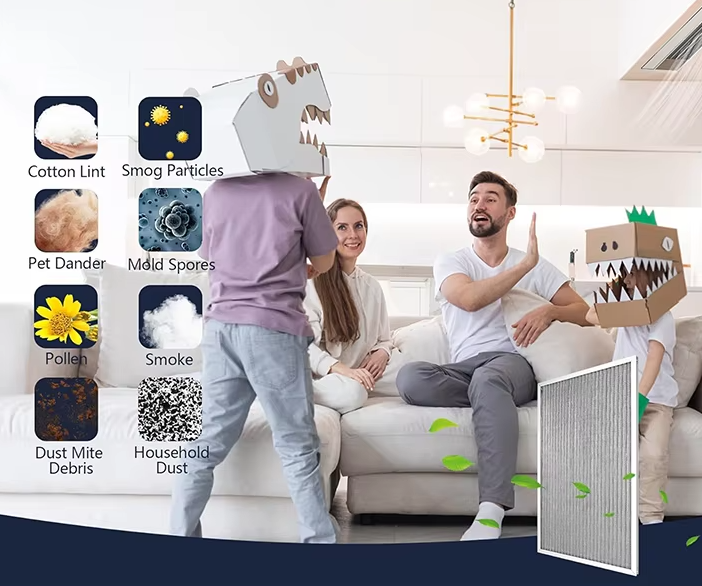
Using Komtfil electrostatic air filters means you’re investing in cleaner, healthier indoor air. These filters trap common indoor allergens like pet dander, dust, and pollen, helping reduce allergy symptoms and improve overall breathing comfort at home. Because our filters use static electricity air purification without harsh chemicals, they provide ozone-free air purification that’s safe for your family.
Komtfil’s washable electrostatic precipitators are reusable HVAC air filters, designed for long-term use. This reduces waste compared to disposable filters, making them an eco-friendly choice that also saves you money in the long run. Plus, they help improve energy-efficient home filtration by allowing better airflow, which means your HVAC system doesn’t have to work as hard, lowering your energy bills.
Choosing Komtfil means cleaner air and a healthier planet, all while keeping your home comfortable. For more tips on managing your air quality, check out our guide on how often to change air filter.
FAQ Common Questions About Electrostatic Air Filters
What is an electrostatic air filter?
It’s a reusable HVAC air filter that uses static electricity to trap dust, pet dander, and other indoor allergens. Unlike regular filters, it charges particles so they stick to the filter surface.
Are electrostatic air filters washable?
Yes, most washable electrostatic precipitators can be rinsed and reused multiple times, saving you money compared to disposable options.
How do electrostatic filters compare to HEPA filters?
The debate over electrostatic vs HEPA filters comes down to needs: HEPA filters capture smaller particles with high efficiency, but require frequent replacement. Electrostatic filters are energy-efficient and ozone-free, but might not catch the tiniest pollutants.
Do these filters reduce pet dander?
Absolutely. They’re great at trapping pet dander and other common allergens, helping improve indoor allergen reduction for homes with pets.
What about the MERV rating for electrostatic filters?
Most electrostatic filters have moderate MERV ratings. They balance good filtration with airflow, making them suitable for most residential HVAC systems without putting strain on your system.
Do electrostatic air filters produce ozone?
No, quality electrostatic air filters, like ours, are ozone-free air purifiers, so they won’t harm your indoor air quality.
How often do I need to clean or replace them?
With proper installation, clean your electrostatic filter every 1-3 months. Regular DIY air filter cleaning keeps performance high and extends filter life.
Are these filters energy efficient?
Yes, they allow good airflow and reduce energy use compared to some denser filters, helping maintain an energy-efficient home filtration system.
If you have more questions or want to learn which electrostatic air filter fits your home best, reach out to us. We’re here to help you breathe easier with Komtfil’s reliable air filtration solutions.