
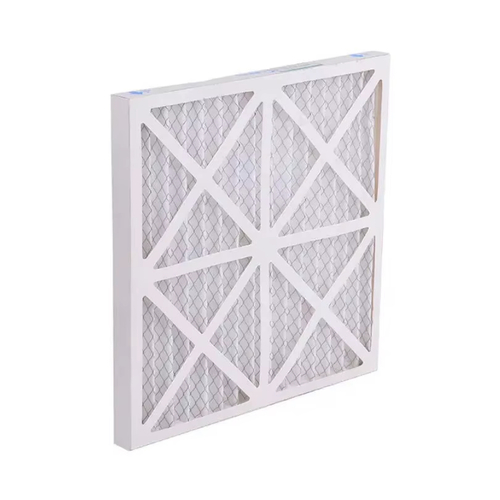
Komtfil MERV 12 Air Filters are designed to capture airborne particles, mold, spores, and other contaminants.
A MERV 12 air filter is a premium, high-efficiency filtration solution engineered to significantly improve indoor air quality across residential and commercial spaces. Designed to trap fine airborne particles, a MERV 12 filter turns standard HVAC system setups into powerful filtration units capable of intercepting microscopic pollutants before they circulate through your building.
The Minimum Efficiency Reporting Value (MERV) is the global industry standard for evaluating an air filter’s performance. The rating scale measures how effectively a filter captures particles sized between 0.3 and 10 microns.
MERV 12 filtration combines dense synthetic media with specialized structural engineering to maximize particle capture while maintaining smooth air passage.
MERV 12 filters are the preferred choice for environments requiring enhanced particle control without demanding full medical-grade equipment.
As a dedicated MERV filter manufacturer, we engineer MERV 12 filters to target microscopic airborne particles between 1.0 and 10.0 microns. They deliver a significant performance upgrade over basic filters, dramatically boosting indoor air quality throughout your home. Selecting top-performing furnace filters for airflow and indoor air quality ensures your living space stays clean without straining your HVAC system.
MERV 12 filters provide reliable allergen reduction against common daily pollutants:
| Particle Type | Capture Rate (MERV 12) | Benefit |
|---|---|---|
| Pollen & Dust Mites | >90% | Reduces sneezing and itchy eyes |
| Pet Dander | >90% | Essential for homes with cats or dogs |
| Mold Spores | 80% – 89% | Prevents mold growth in ductwork |
| Fine Dust/Smog | 80% – 89% | Keeps surfaces cleaner for longer |

MERV 12 air filters effectively bridge the gap between standard residential filters and high-efficiency commercial filtration:
Choosing the right furnace air filter comes down to balancing indoor air quality against HVAC system airflow. As a MERV filters manufacturer, we evaluate filtration efficiency across all rating tiers to help homeowners choose the optimal filter media for their specific environment.
| Rating | Target Particles | Best Used For | Airflow Resistance |
|---|---|---|---|
| MERV 8 | Large dust, lint, pollen | Basic equipment protection | Very Low |
| MERV 11 | Pet dander, auto emissions | Standard homes with pets | Low |
| MERV 12 | Fine allergens, mold spores, smoke | Severe allergy relief, smoke defense | Moderate |
| MERV 13 | Ultrafine smog, bacteria, viruses | Maximum residential air cleaning | Higher |
While MERV 11 filters manage standard household dust and pet dander well, MERV 12 provides higher efficiency against fine respirable particles.
Our direct comparison of MERV 11 vs. MERV 12 air filters shows that MERV 12 traps significantly more fine smoke, smog, and microscopic debris. MERV 12 delivers premium allergen defense without creating severe pressure drop issues in standard return grilles.
Reviewing the complete minimum efficiency reporting value scale helps ensure you select the correct rating for your home’s air quality demands and system capabilities.
Upgrading to higher filtration naturally raises questions about airflow restriction. Because MERV 12 media traps smaller airborne particles, it creates more resistance to moving air than lower-rated options. As an air filter manufacturer, we design our media to strike the ideal balance between maximum particle capture and optimal air volume for standard residential HVAC systems.
A high-efficiency filter requires your system’s blower motor to push air through dense synthetic fibers. While a MERV 12 filter does increase resistance slightly, modern residential HVAC units handle this load without issue under normal operating conditions.
Problems usually arise only when a filter stays in service too long. As dust accumulates, resistance jumps sharply, reducing heating and cooling efficiency. Knowing the 5 signs your HVAC filter is clogged helps you swap out dirty media before it strains your blower motor or raises energy bills.
Static pressure is the resistance to airflow within your ductwork and filter rack. Filter thickness plays a critical role in managing this pressure drop:
Comparing air filter pressure drop across MERV ratings shows that increasing filter depth allows you to use a MERV 12 filter without choking system performance.
Before installing a MERV 12 filter, evaluate your setup to ensure seamless operation:
Choosing the best MERV 12 filters for your system comes down to matching exact dimensions, picking the right media construction, and buying from a reliable source.
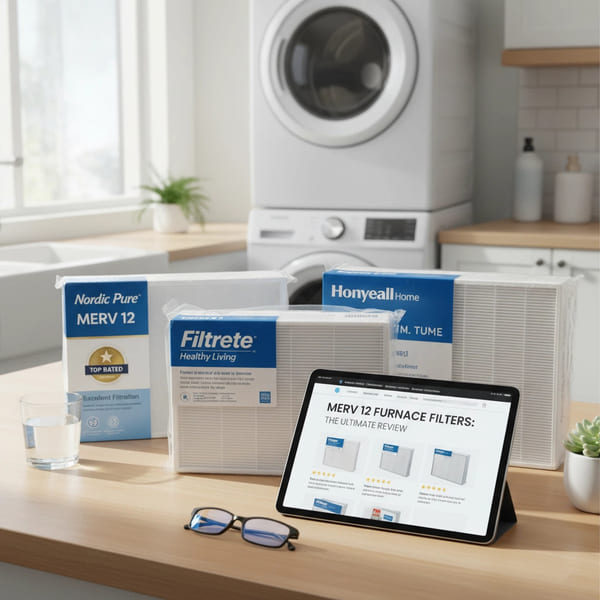
Always verify the dimensions on your existing furnace air filter or HVAC cabinet before buying a replacement.
| Filter Thickness | Typical Lifetime | Airflow Resistance |
|---|---|---|
| 1-inch | 1 to 3 months | Higher |
| 2-inch | 2 to 4 months | Moderate |
| 4-inch to 5-inch | 6 to 12 months | Lower |
Different filter designs manage dust and pressure differently. To explore more about media options, see our detailed guide to types of air filters.
As an established MERV filter manufacturer, we advise checking these key specifications before making a purchase:
The replacement schedule for a MERV 12 filter depends primarily on filter depth, household environment, and daily usage.
Understanding how often to change your air filter ensures your furnace air filter does not become clogged and restrict vital airflow.
Do not rely strictly on the calendar. Watch for these clear physical and performance indicators:
| Sign | What It Indicates |
|---|---|
| Visual Discoloration | The pleated media turned dark gray or black with heavy dirt buildup. |
| Increased Energy Bills | The HVAC system draws more power to overcome high pressure drop. |
| Excess Dust Near Vents | Trapped airborne particles are bypassing overloaded media into living areas. |
| Extended System Cycles | The HVAC blower runs longer than usual to maintain the set temperature. |