You might think all HVAC filters are pretty much the same…
But choosing between fiberglass air filters and synthetic air filters can actually make or break your home’s indoor air quality and your system’s efficiency.
One is incredibly cheap, but lets microscopic dust fly right past. The other offers massive filtration power, but could stress an older furnace if you choose wrong.
So, which is better synthetic or fiberglass air filter for your specific setup?
I’ve broken down the real-world performance, hidden costs, and MERV ratings of both to give you the definitive answer.
Understanding the Basics: What Are Fiberglass and Synthetic Air Filters?
What Is a Fiberglass Air Filter?
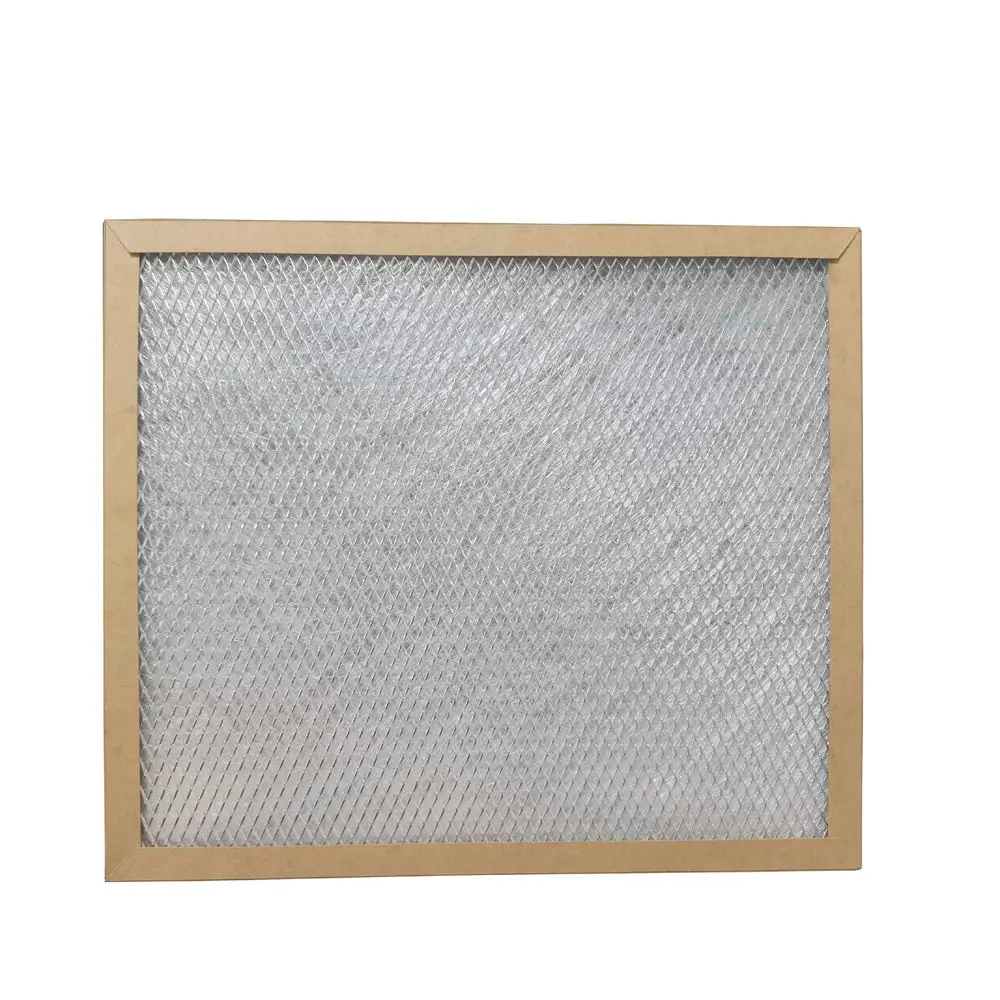
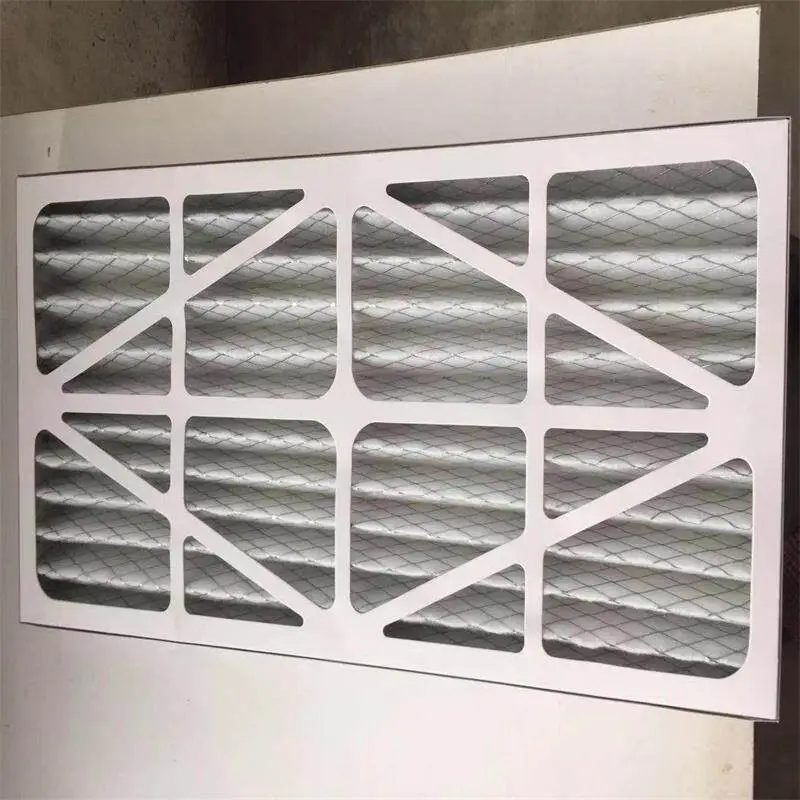
Fiberglass air filters are the traditional, entry-level option for HVAC systems. Constructed from spun glass fibers layered over a metal grid, these panel filters are designed primarily to protect the furnace equipment from large debris, such as dust bunnies or lint. Because of their loose weave and low density, they offer minimal resistance to airflow but are largely ineffective at capturing fine airborne pollutants, allergens, or bacteria.
What Is a Synthetic Air Filter?
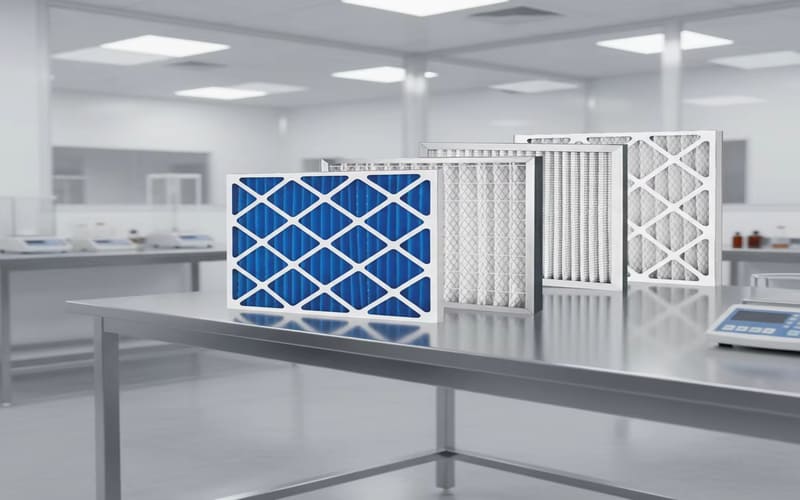
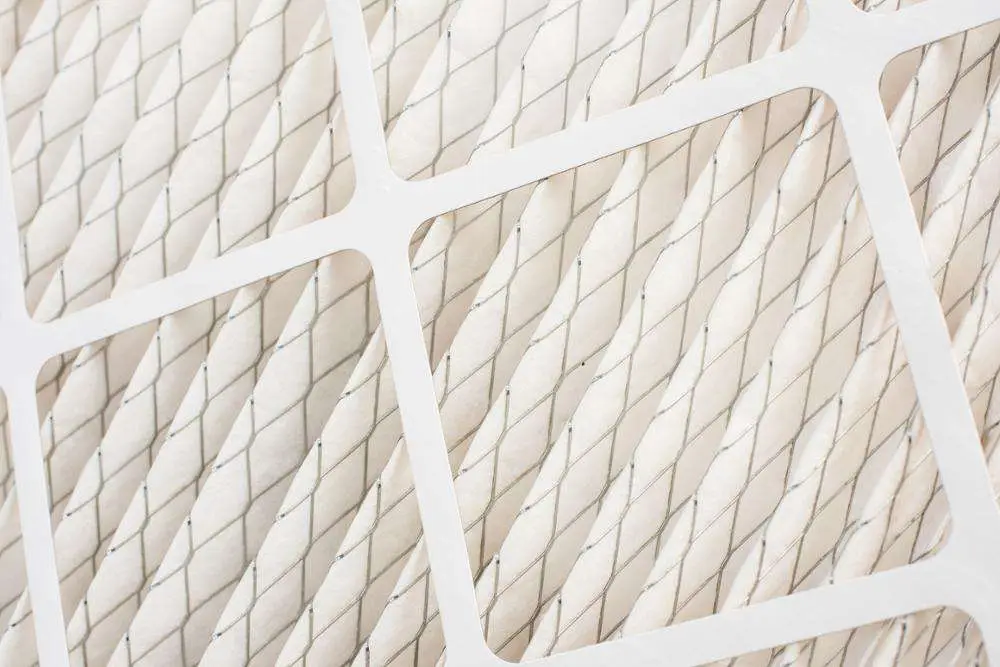
Synthetic air filters utilize advanced materials, such as polyester or polypropylene, to create a more sophisticated filtration medium. These filters are often manufactured as pleated filters, which significantly increase the surface area available to trap particles. Many synthetic models leverage an electrostatic charge to attract and hold microscopic contaminants, providing superior air filtration efficiency compared to their glass-fiber counterparts. Their construction is engineered for higher durability and better performance in modern HVAC systems.
Key Differences Between Fiberglass and Synthetic Media
When evaluating which is better, a synthetic or fiberglass air filter, looking directly at the core media tells the real story. As an air filter manufacturer, we see firsthand how the physical traits of these two materials completely change how your HVAC system breathes and cleans the air.
Material Composition and Construction
Fiberglass filters consist of layered, spun glass fibers reinforced by a metal or cardboard retainer. The media is flat, thin, and loosely woven. Synthetic filters utilize durable polyester or polyolefin polymers. These synthetic fibers are spun into a dense web and engineered into a folded, pleated design. This pleated construction drastically increases the surface area of the filter media within the exact same footprint.
Filtration Efficiency and MERV Ratings
Fiberglass panel filters target only large particles like lint and heavy dust, typically carrying a MERV 1 to MERV 4 rating. They let microscopic airborne pollutants pass right through. Synthetic pleated filters rely on mechanical filtration paired with an inherent electrostatic charge. This allows them to trap over 80% of smaller particles like pollen, mold spores, and pet dander, easily achieving a higher MERV rating ranging from MERV 8 to MERV 13.
Airflow Resistance and Pressure Drop
Because fiberglass media is so porous, it offers exceptionally low initial airflow resistance. This means a low pressure drop across the system. Synthetic mechanical filters are denser, which naturally creates slightly more resistance. However, because we manufacture synthetic filters with a pleated design, the expanded surface area spreads out the workload. This keeps airflow smooth and stable without straining your HVAC blower motor.
Dust Holding Capacity and Lifespan
The flat design of fiberglass means it runs out of surface area fast, leading to a very short lifespan before the filter clogs. Synthetic media excels in dust-holding capacity. The deep pleats trap particles throughout the entire thickness of the material rather than just on the surface.
Quick Comparison: Fiberglass vs. Synthetic Media
| Performance Metric | Fiberglass Air Filters | Synthetic Pleated Filters |
|---|---|---|
| Primary Material | Spun Glass Fibers | Polyester / Polyolefin Polymers |
| Media Design | Flat Panel | Pleated Structure |
| Typical MERV Rating | MERV 1 – MERV 4 | MERV 8 – MERV 13 |
| Particle Capture | Only Large Dust & Lint | Microscopic Pollutants, Allergens & Spores |
| Airflow Resistance | Extremely Low | Low to Moderate (Optimized by Pleats) |
| Average Lifespan | 30 Days | 60 to 90 Days |
| Moisture Resistance | Low (Can sag or degrade) | High (Resists mold and tearing) |
Pros and Cons of Fiberglass Air Filters
When choosing the right media for your HVAC system, understanding the tradeoffs of different materials is essential. As an air filter manufacturer, we look closely at how traditional options hold up against modern demands. Fiberglass remains a common choice, but it comes with distinct limitations.
Advantages of Low-Cost Panel Filters
The primary appeal of a standard fiberglass air filter is its budget-friendly price point. These flat panel filters are highly cost-effective for upfront bulk purchases, making them a go-to option for property managers or homeowners on a strict budget. Because they feature a very loose, open weave, they offer minimal airflow resistance. This high permeability keeps older HVAC systems running smoothly without putting extra strain on the fan motor.
Limitations in Capturing Small Pollutants
While they excel at maintaining high airflow, these mechanical filters offer very low air filtration efficiency.
- What they catch: Large particles like lint, household dust, and carpet fibers.
- What they miss: Microscopic airborne pollutants, including pet dander, mold spores, pollen, and smoke.
With a typical MERV rating of only 1 to 4, a fiberglass panel simply cannot trap the small debris that impacts indoor air quality. Over time, these fine particles pass right through the media and settle on your heating and cooling coils, which can eventually degrade your system’s efficiency.
Health and Safety Considerations
Beyond filtration performance, fiberglass carries specific handling risks. The fragile glass fibers can easily snap, potentially releasing tiny shards into the airstream or causing skin irritation during routine maintenance. Additionally, because these filters lack the structural integrity of modern polyester or pleated filters, they can bow or collapse under heavy dust loads, completely exposing your HVAC system to unfiltered air.
Pros and Cons of Synthetic Pleated Air Filters
Benefits of Electrostatic and High-Efficiency Media
Synthetic pleated filters offer a massive step up in air filtration efficiency compared to basic fiberglass options. Because we use advanced synthetic fibers, these pleated filters can weave a much tighter mesh without suffocating your airflow.
Many of these filters rely on a permanent electrostatic charge. This charge acts like a magnet, actively pulling in microscopic airborne pollutants that would otherwise slip right through a standard mechanical filter. If you want to dive deeper into how this charge works, check out our guide on what is an electrostatic air filter to see how it traps tiny particles.
- Higher MERV Rating: Easily captures pet dander, mold spores, pollen, and fine dust.
- Active Trapping: The electrostatic charge pulls in smaller particles without restricting air.
- Cleaner Air: Significantly improves indoor air quality for homes and offices.
Long-Term Durability and Moisture Resistance
Synthetic media is incredibly tough. Unlike fiberglass, which can become brittle and degrade, polyester and synthetic blends handle wear and tear with ease.
| Feature | Synthetic Pleated Filters | Fiberglass Panel Filters |
|---|---|---|
| Moisture Resistance | High (Does not retain moisture) | Low (Can trap moisture and sag) |
| Mold/Bacteria Growth | Inhibits growth naturally | Higher risk if wet |
| Structural Integrity | Strong (Wire-backed pleats) | Weak (Flimsy cardboard frame) |
| Lifespan | 60 to 90 days | 30 days max |
Because synthetic material doesn’t absorb moisture, these furnace filters are highly resistant to mold and bacterial growth. They won’t warp, flop, or collapse inside your HVAC system when humidity spikes.
The Impact on HVAC System Performance
There is a common myth that a higher-efficiency pleated filter will ruin your HVAC system by choking the airflow. With high-quality synthetic media, that is simply not the case.
The secret lies in the pleats. By folding the media, we vastly increase the overall surface area of the filter. This design lowers airflow resistance, creates a lower pressure drop, and delivers a much higher dust-holding capacity. Your system breathes easily while trapping significantly more dust over a longer lifespan.
Pro Tip: While synthetic pleated filters provide excellent airflow, always check your system’s recommended MERV limits to ensure peak energy efficiency and prevent unnecessary strain on your blower motor.
Head-to-Head Comparison: Cost vs. Long-Term Value
When choosing between synthetic and fiberglass media for your HVAC system, the debate usually comes down to the upfront purchase price versus the long-term value. As an experienced air filter manufacturer, we look at the data to see which option actually saves you money over time.
Upfront Purchase Price Comparison
Fiberglass panel filters are undeniably the cheapest options on the market. You can buy them in bulk for a couple of dollars per filter. On the other hand, pleated filters made from synthetic materials cost more at the register. However, looking only at the initial receipt gives an incomplete picture of your actual furnace filter cost factors, as maintenance habits quickly shift the financial balance.
Maintenance and Replacement Frequency
Fiberglass filters have a very low dust-holding capacity. They clog rapidly and require replacement every 30 days without exception. Synthetic pleated filters utilize an electrostatic charge and a larger surface area to capture more airborne pollutants without restricting airflow. This advanced construction extends their lifespan significantly, meaning you only need to change them every 60 to 90 days.
Overall Cost-Benefit Analysis
While fiberglass looks cost-effective at first glance, synthetic filters provide vastly superior mechanical filtration efficiency and durability. They protect your HVAC system from dust buildup, preventing expensive repairs and keeping your energy bills low.
| Feature | Fiberglass Filters | Synthetic Pleated Filters |
|---|---|---|
| Initial Cost | Very Low | Moderate |
| Lifespan | 30 Days | 60–90 Days |
| Annual Replacements | 12 filters per year | 4 filters per year |
| HVAC Protection | Minimal | High |
| Long-Term Value | Low | High |
The Bottom Line: Fiberglass filters require three times as many replacements per year. Investing in high-efficiency synthetic media reduces maintenance hassle and delivers better financial value over the life of your system.
Which Is Better for Your Needs? How to Choose
Choosing between synthetic and fiberglass filters comes down to your specific environment, budget, and air quality goals. As an experienced air filter manufacturer, we look at the practical performance of these media types in real-world setups.
Best Options for Residential HVAC Systems
For most standard home HVAC systems, synthetic pleated filters are the superior choice. They strike the perfect balance between high air filtration efficiency and system safety. While fiberglass panel filters are cheap, they fail to catch the fine dust, pet dander, and allergens that accumulate in a living space. Synthetic options offer a higher MERV rating without choking your airflow, keeping your home cleaner and protecting your furnace filters from heavy buildup.
Best Options for Commercial and Industrial Applications
Commercial and industrial facilities have different demands, often prioritizing equipment protection, high dust holding capacity, and cost-effective maintenance cycles.
| Application Type | Recommended Filter Media | Key Reason |
|---|---|---|
| Light Commercial (Offices, Retail) | Synthetic Pleated (MERV 8-11) | Balances indoor air quality with energy efficiency. |
| Heavy Industrial / Manufacturing | High-Efficiency Synthetic or Industrial Air Filters | Handles heavy particle loads and resists moisture. |
| Budget-Driven Facilities (High Turnover) | Fiberglass Panels | Low upfront cost for systems requiring high airflow and frequent changes. |
Factors to Consider for Allergies and Indoor Air Quality
If anyone in your building suffers from allergies, asthma, or respiratory issues, fiberglass filters are simply not enough. They only catch large particles like lint and heavy dust.
Synthetic media utilizes an electrostatic charge and dense mechanical fibers to trap tiny airborne pollutants, including pollen, mold spores, and smoke particles. When indoor air quality is the priority, investing in synthetic filters is the only way to effectively scrub the air and create a healthy breathing environment.
Frequently Asked Questions (FAQ)
Are Fiberglass Filters Safer for Older HVAC Systems?
Yes, fiberglass filters are often considered “safer” for older or weaker HVAC systems because they offer very low airflow resistance. Since they are essentially thin panel filters, they allow air to pass through easily without putting extra strain on an aging blower motor. However, this comes at a cost; they provide minimal air filtration efficiency, leaving your coils prone to dust buildup. If you have an older unit, check out our guide on air intake filters to see how proper filtration balances protection and performance.
How Often Should You Replace Synthetic vs. Fiberglass Filters?
The lifespan of these two materials differs significantly:
- Fiberglass Filters: Generally need replacement every 30 days. They are “flat” and clog quickly once they catch a thin layer of debris.
- Synthetic Pleated Filters: Typically last 90 days or more. The pleated design increases the surface area of the media, allowing it to hold more particles before affecting system pressure.
Do Synthetic Air Filters Lose Efficiency Over Time?
While most mechanical filters actually get more efficient as they load with dust, some polyester or synthetic media rely on an electrostatic charge to grab tiny airborne pollutants. Over several months, this charge can dissipate, slightly lowering the efficiency for the smallest sub-micron particles. Despite this, they still outperform fiberglass throughout their entire lifecycle. For a deeper look at choosing the right performance level for your home, see our comparison of MERV 8 vs. MERV 11 filters.