You might think your air filter is just a simple piece of mesh.
But it’s actually the most important tool you have for slashing home expenses.
As someone who has spent years troubleshooting heating and cooling systems, I know that neglecting this one component is the fastest way to drain your bank account.
In this guide, you’ll learn exactly how HVAC Air Intake Filters Actually Help You Save Money. I’m breaking down how to lower monthly energy and utility bills, avoid costly HVAC maintenance and repairs, and extend the overall lifespan of your system.
Understanding the Role of HVAC Air Intake Filters
What Do Air Filters Actually Do for Your System?
HVAC air intake filters serve as the primary barrier between your living space and the sensitive mechanical components of your heating and cooling system. While many homeowners believe filters are solely for improving indoor air quality, their most critical function is protecting the internal machinery from damage.
- Debris Shielding: They capture dust, pet dander, and lint before these particles can settle on the evaporator coils or blower motor.
- Maintaining Airflow: A clean filter ensures that the system pulls in the precise volume of air required to operate within its designed parameters.
- System Integrity: By preventing dust build-up, filters reduce the mechanical friction and overheating that lead to premature component failure.
Demystifying MERV Ratings and Filter Quality
The MERV rating (Minimum Efficiency Reporting Value) is the universal industry standard for measuring a filter’s effectiveness. Selecting the correct rating is a strategic balance between air purity and mechanical performance.
| MERV Rating | Particle Filtration | Best Use Case |
|---|---|---|
| MERV 1-4 | Large particles (lint, dust) | Basic protection; maximum airflow |
| MERV 5-8 | Mold spores, dust mites | Standard residential environments |
| MERV 11-13 | Pet dander, smoke, bacteria | High efficiency filter for superior air quality |
| MERV 14-16 | Viruses, fine tobacco smoke | Medical or high-sensitivity environments |
Investing in quality air filters means selecting a MERV rating that traps harmful contaminants without suffocating your equipment. A filter that is too restrictive for your specific unit can actually increase energy consumption by forcing the blower motor to work significantly harder to pull air through the dense material. Proper filtration is about finding the “sweet spot” where your system stays clean and your air stays breathable.
How HVAC Air Intake Filters Actually Help You Save Money
Lowering Monthly Energy and Utility Bills
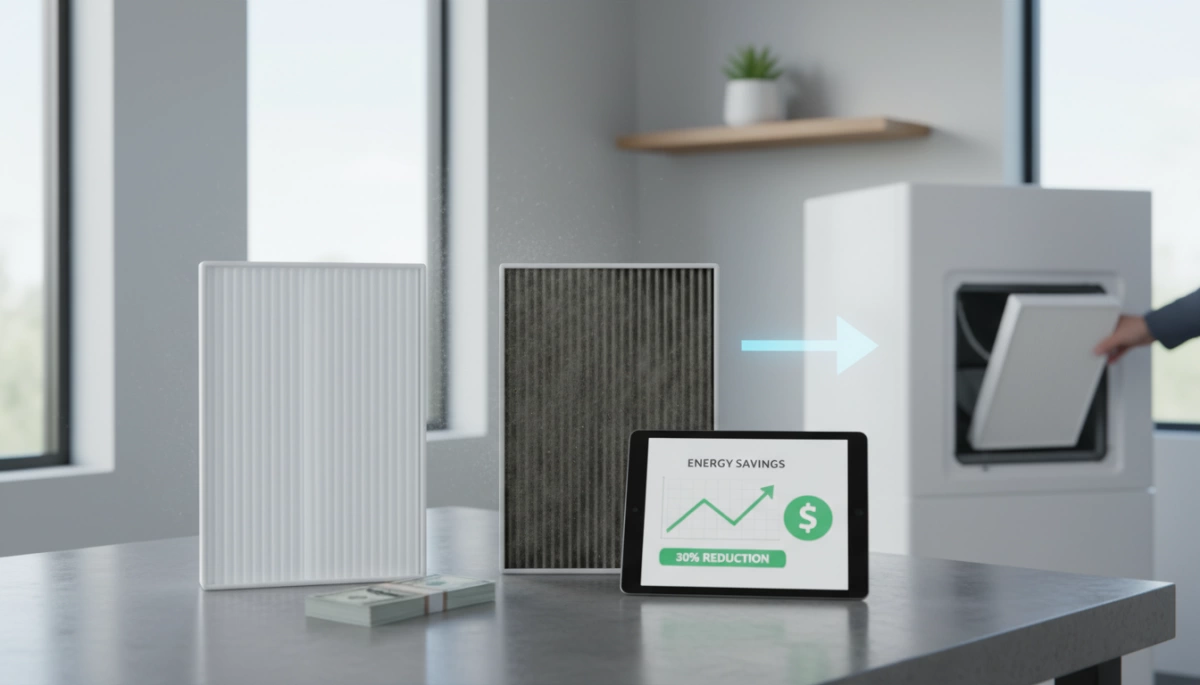
When your air intake filters are clogged with dust and debris, your HVAC system has to fight to pull in air. This extra effort translates directly to higher energy consumption. By using high-quality filters, you ensure smooth air flow, which can reduce your monthly energy bills by up to 15%. It is much cheaper to replace a filter than to pay for the wasted electricity caused by a struggling motor.
- Improved Efficiency: Clean filters allow the system to reach the target temperature faster.
- Reduced Run Time: Better airflow means the compressor runs for shorter cycles.
- Lower Costs: Small monthly savings on electricity add up to hundreds of dollars over a year.
Avoiding Costly HVAC Maintenance and Repairs
The primary cause of system failure is dirt. Dust build-up on sensitive components like the evaporator coil or the blower motor leads to overheating and mechanical breakdowns. Investing in proper filtration acts as a shield, preventing these particles from reaching the internal mechanics of your unit. Understanding the difference between pleated vs fiberglass air filters helps you choose a product that offers better protection against these expensive repair costs.
Extending the Overall Lifespan of Your System
An HVAC system is a massive investment, and the goal is to make it last 15 to 20 years. Constant wear and tear from restricted airflow and dirty components can cut that lifespan in half. Regular filter replacement keeps the internal parts clean and running at peak performance, significantly increasing the HVAC lifespan and delaying the multi-thousand-dollar cost of a full system replacement.
Reducing Hidden Health Costs and Doctor Appointments
Indoor air quality directly impacts your wallet through medical expenses. Low-quality filters allow allergens, mold spores, and fine dust to circulate, often triggering allergy symptoms or respiratory issues. By choosing the right efficiency level, such as comparing MERV 8 vs MERV 11 air filters, you can effectively trap these pollutants. This leads to:
- Fewer Doctor Visits: Reduced exposure to airborne triggers means fewer respiratory-related appointments.
- Lower Medication Costs: Cleaner air reduces the need for daily allergy relief and asthma treatments.
- Better Productivity: Improved air quality leads to better sleep and fewer sick days at work.
The True Cost of Neglecting Your Air Filters
Skipping a filter replacement might seem like an easy way to save a few dollars today, but it is a guaranteed way to lose hundreds, or even thousands, tomorrow. As an HVAC filter manufacturer, we have seen firsthand how ignoring this simple maintenance step creates a domino effect of expensive problems throughout a home.
How Poor Airflow Strains Your HVAC Equipment
A clogged, dirty filter acts like a brick wall inside your ventilation system. When air flow is severely restricted, your blower motor has to work twice as hard just to push conditioned air into your rooms.
This constant, unnecessary strain leads to massive wear and tear on your internal components. Instead of running smoothly, your system draws excess power, driving up your daily energy consumption and your monthly energy bills. Over time, this mechanical stress guarantees expensive repair costs and significantly reduces your overall HVAC lifespan.
The Hidden Dangers of Inadequate or Cheap Filters
We often see homeowners grab the cheapest fiberglass filters off the shelf, assuming any barrier is better than nothing. The reality is that these flimsy options provide zero proper filtration. They allow microscopic debris to pass right through, leading to severe dust buildup directly on your sensitive evaporator coils and blower fans.
When dirt coats these components, your system loses its energy efficiency. Worse, the pollutants circulate endlessly through your air ducts, triggering severe allergy symptoms for your family. Upgrading to a quality high-efficiency filter is the only way to stop this cycle. If you are unsure what level of protection fits your system without restricting airflow, figuring out which MERV rating filter you should use is a crucial step in protecting both your equipment and your health.
Increased Cleaning Costs and Home Damage
Neglecting your HVAC air intake filters doesn’t just destroy the machine; it actively damages your living space. When a filter is full, the excess dirt has to go somewhere, and it usually ends up settling all over your house.
Here is how a bad filter drains your wallet inside the living room:
- Constant Deep Cleaning: You will spend significantly more money on cleaning supplies and professional services just to keep surfaces and carpets free of grime.
- Stained Walls and Ceilings: Dark soot and dust build up around your vents can permanently stain paint and wallpaper.
- Premature Aging of Furnishings: Abrasive airborne particles settle into fabrics, wearing down your expensive furniture much faster than normal.
Establishing a strict filter replacement schedule is the easiest way to prevent this mess. Whether you are exploring washable vs disposable air filters, choosing quality air filters, or changing them on time, it is the ultimate defense against creeping maintenance costs and home damage.
How to Choose the Right HVAC Filter for Maximum Savings
Knowing how HVAC air intake filters actually help you save money is only half the battle. To see real drops in your utility bills and maintenance costs, you have to install the right type of filter for your specific system.
Quality vs. Quantity: Investing in High-Quality Brands
As an HVAC filter manufacturer, we see homeowners make the same mistake every season: buying the cheapest filters in bulk. Flimsy fiberglass filters might cost less upfront, but they are incredibly porous. They allow debris to pass right through, leading to rapid dust buildup inside your air ducts and on your blower motor.
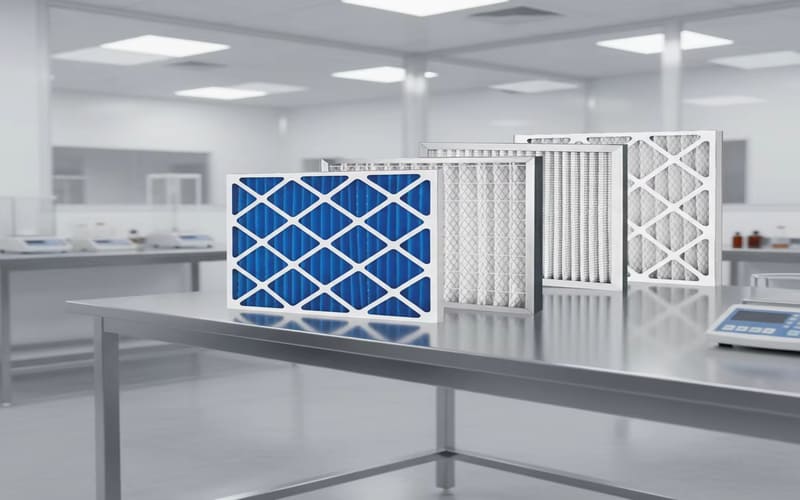
Investing in quality air filters with pleated designs captures significantly more particles. This proper filtration prevents excessive wear and tear on your internal components, drastically reducing your long-term repair costs and keeping your energy bills predictable.
Finding the Perfect Size and Fit for Your Unit
A filter only works if all the air actually passes through it.
- Too small: Unfiltered air sneaks around the gaps, pulling dirt directly into your HVAC equipment.
- Too large: The filter bends or crushes, which destroys its structural integrity and blocks air flow.
Always check the exact dimensions printed on the side of your current filter. A snug, airtight fit is non-negotiable if you want to maintain peak energy efficiency and extend your HVAC lifespan.
Balancing MERV Ratings with System Performance
It is tempting to grab the highest MERV rating on the shelf to improve your indoor air quality and reduce allergy symptoms. However, a high-efficiency filter is woven tightly. If your older HVAC system isn’t designed to push air through that dense material, the filter will severely restrict air flow.
When your system struggles to breathe, energy consumption spikes, driving up your monthly utility bills. The key is finding the sweet spot between clean air and system performance. Understanding what a MERV air filter rating means is crucial for matching the filter to your unit’s blower capacity. For many standard residential systems, sticking to reliable MERV 8 filters provides excellent everyday dust protection without straining the motor.
Quick Guide to Choosing Your Filter:
| Filter Type | Best For | Impact on Savings |
|---|---|---|
| Fiberglass Filters | Very basic dust catching | Low upfront cost, but higher long-term repair costs. |
| Pleated (MERV 6-8) | Standard homes, pet owners | Best balance of air flow and energy efficiency. |
| High Efficiency (MERV 11+) | Severe allergies, newer systems | Great air quality, but can increase energy bills if incompatible. |
Easy Maintenance Tips to Keep Your Savings on Track
How Often Should You Really Change Your Air Filter?
The timeline for swapping out your HVAC air intake filters isn’t set in stone. While the standard recommendation is every 60-90 days, high-traffic homes with pets or smokers may need a change every 30 to 60 days. We always suggest checking the filter monthly; if it looks grey or covered in a thick layer of dust, it’s already costing you money in increased energy consumption. Knowing exactly how often to change air filter based on your specific environment is the easiest way to prevent a dirty filter from spiking your utility bills.
Step-by-Step Guide to Replacing Your Filter Correctly
Replacing a filter is a simple DIY task that protects your system from unnecessary wear and tear. Follow these steps to ensure it’s done right:
- Turn off the HVAC system: Safety first; never change a filter while the fan is running.
- Locate the intake: This is usually behind a wall-mounted grille or at the furnace unit itself.
- Verify the dimensions: Ensure you have the right fit by checking what size air filter do i need before purchasing a replacement.
- Check the airflow arrow: The arrow on the filter frame must point toward the furnace or air handler, not away from it.
- Secure the cover: Make sure the grille or door is latched tightly to prevent air bypass.
Simple Habits to Maintain Optimal Airflow
Maintaining proper filtration goes beyond just the filter itself. To keep your energy efficiency high and maintenance costs low, adopt these quick habits:
- Keep vents unobstructed: Ensure furniture, rugs, or curtains are not blocking return or supply vents.
- Vacuum the intake area: Dusting the exterior of the intake grille prevents debris from clogging the new filter prematurely.
- Listen for whistling: High-pitched noises often indicate a clogged filter or a gap in the housing that restricts air flow.
- Schedule reminders: Use a smartphone alert or write the date of installation directly on the filter frame so you never miss a cycle.