Can You Clean Air Purifier Filters?
When your air cleaner starts looking dusty, your first instinct is probably to take the filters out and give them a good scrub to save a few bucks. As a specialized manufacturer, we get this question constantly. The short answer? It depends entirely on the type of layer you are dealing with.
To protect your indoor air quality, you must understand that treating all filters the same will ruin your machine and compromise the air you breathe.
1. Pre-Filters (The First Line of Defense)
- Can you clean it? Yes, absolutely.
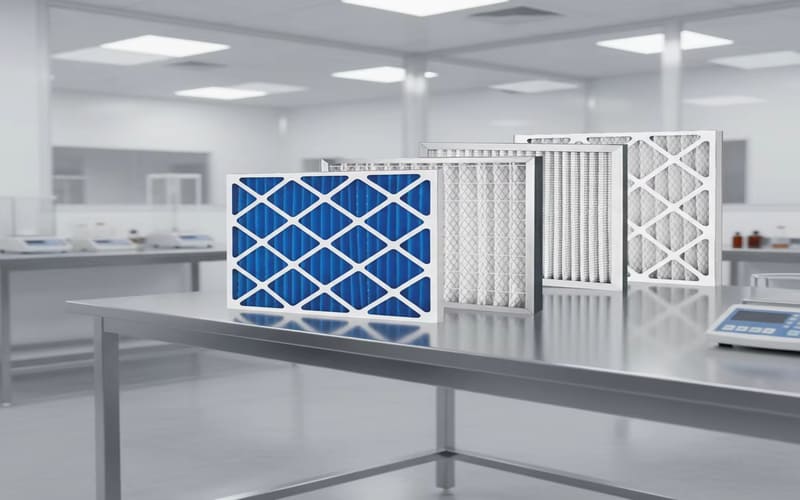
- What it does: This outer layer captures large airborne particles like hair, large dust clumps, and pet dander.
- Maintenance: This is a fully washable component. Regular cleaning keeps the rest of your system running smoothly.
2. HEPA Filters (High-Efficiency Particulate Air)
- Can you clean it? No (with very rare exceptions).
- What it does: This is the heart of your unit, trapping 99.97% of microscopic allergens, dust mites, and fine particulate matter.
- Maintenance: Washing or vacuuming a standard HEPA filter destroys its microscopic structure, permanently dropping its filtration efficiency. Unless it is explicitly labeled as a lifetime washable item, always treat this as a replaceable part.
3. Activated Carbon Filters (The Odor Absorber)
- Can you clean it? No.
- What it does: This layer uses porous carbon granules to trap gases, smoke, volatile organic compounds (VOCs), and cooking odors.
- Maintenance: Liquid will ruin the charcoal structure, and vacuuming does nothing for chemically trapped gases. Once it is saturated, a full replacement filter is required.
| Filter Type | Cleanable? | Method | Replacement Needed? |
|---|---|---|---|
| Pre-Filter | Yes | Rinse or vacuum | Rarely |
| HEPA Filter | No | None (Replace only) | Every 6–12 months |
| Carbon Filter | No | None (Replace only) | Every 3–6 months |
Why Cleaning a Standard HEPA Filter Actually Ruins It
Trying to wash or vacuum a standard, non-washable HEPA filter to save a few bucks on a replacement filter is a tempting shortcut. However, as an experienced air filter manufacturer, we can tell you plainly: it ruins the filter and compromises your indoor air quality. Standard HEPA material is engineered for one-time use, and attempting to clean it destroys its delicate structure.
Understanding how these materials work helps clarify why they differ from other options. For a breakdown of how these distinct layers function together, see our guide on HEPA vs. Carbon filters.
The Danger of Unsealed Fibers
True HEPA filters use a dense, microscopic web of fiberglass fibers to trap minuscule particles like dust mites, pet dander, and harmful allergens.
- Water Damage: Washing the filter breaks down the paper-like bindings holding these fibers together.
- Vacuum Damage: High-powered vacuuming pulls and stretches the material, creating unsealed fibers and micro-tears.
Once these invisible holes open up, the filter loses its high filtration efficiency, allowing microscopic pollutants to pass right through the air cleaner and back into your room.
Airflow Restriction and Motor Strain
When you wash a standard HEPA filter, the wet fibers mat together and dry into a dense, compressed block. Instead of restoring the unit, this creates a severe airflow restriction.
Your air purifier’s motor now has to work twice as hard to pull air through a clogged, ruined barrier. This extra strain reduces your unit’s clean air delivery rate (CADR), causes the machine to overheat, and can permanently burn out the motor long before its expected lifespan.
The Invisible Threat: Mold and Bacteria Growth
The biggest hazard of washing a non-washable filter is trapped moisture. Deep inside the tight pleats of a wet HEPA filter, moisture takes days to dry completely.
Important Note: This damp environment turns your filter into a breeding ground for mold spores and bacteria.
When you turn the air purifier back on, the fan blows millions of live mold spores directly into your living space, completely defeating the purpose of having an air cleaner.
Step-by-Step Guide: How to Safely Clean a Washable Pre-Filter
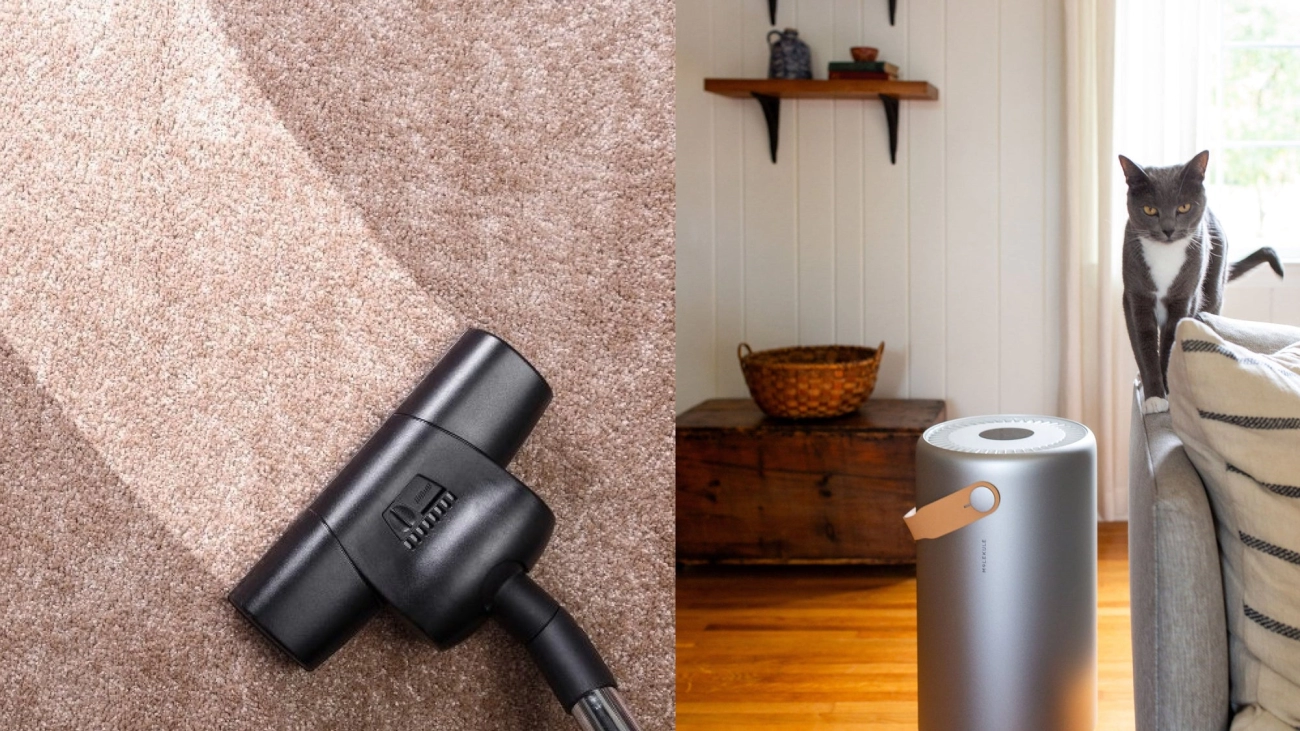
As a manufacturer dedicated to optimizing indoor air quality, we know that proper maintenance keeps your air cleaner running at peak performance. While some parts require a total replacement filter, the pre-filter is designed to capture large airborne particles like pet dander, hair, and large dust mites before they reach the main filtration stage. Keeping this layer clear prevents premature airflow restriction and extends the overall lifespan of your internal filters.
If you are maintaining a different type of filtration system altogether, you can check out our guide on how to clean air filter step-by-step for broader maintenance tips. For standard air purifier pre-filters, use these two safe methods to restore filtration efficiency.
Method A: The Deep Clean (Washing)
When heavy dust and sticky pet dander accumulate, a wet wash is the most effective way to restore your pre-filter.
- Remove: Turn off the unit, unplug it, and carefully remove the front panel to slide out the mesh pre-filter.
- Submerge: Fill a sink with lukewarm water and add a few drops of a mild detergent.
- Agitate: Gently move the filter through the water. Avoid harsh scrubbing brushes that can tear the delicate mesh fibers.
- Rinse: Thoroughly rinse with clean, running water to remove all soap residue.
- Dry completely: Shake off excess water and lay the filter flat on a clean towel. Air dry for a full 24 hours. Never reinstall a damp filter, as moisture triggers mold growth inside the machine.
Method B: The Quick Refresh (Vacuuming)
For routine bi-weekly maintenance, a quick dry clean keeps the air flowing smoothly without the long wait time for drying.
- Secure the filter: Lay the removed pre-filter flat on a clean surface.
- Use the right tool: Attach a soft brush nozzle to your vacuum cleaner to protect the material from punctures.
- Vacuum gently: Run the vacuum cleaner attachment across the surface using low suction to draw out trapped lint, hair, and allergens.
- Wipe down: Use a dry microfiber cloth to wipe away any stubborn surface dust remaining on the plastic frame before sliding the filter back into the unit.
How to Maintain an Activated Carbon Filter
Activated carbon filters are your air cleaner’s primary weapon against smoke, cooking smells, and volatile organic compounds (VOCs). While you cannot wash these filters—water will instantly ruin the porous carbon structure—you can extend their lifespan with a few simple maintenance steps.
- Remove Surface Debris: Use a dry microfiber cloth or a vacuum cleaner on its lowest suction setting to gently clear away loose surface lint, dust, and pet hair from the outer carbon layer. This restores surface exposure without damaging the media.
- Sun-Bake to Desorb Odors: Every few months, place the carbon filter in direct sunlight for two to three hours. The solar heat and UV rays help release trapped odor molecules (a process called desorption), partially refreshing its deodorizing capacity.
Regularly clearing away surface buildup ensures that the carbon layer doesn’t get choked by large particles, allowing it to focus entirely on gas and odor absorption. For optimal indoor air quality, maintaining these components is just as critical as knowing are expensive air filters worth it when planning your overall filtration strategy.
Signs Your Air Purifier Filter Has Reached the End of Its Lifespan
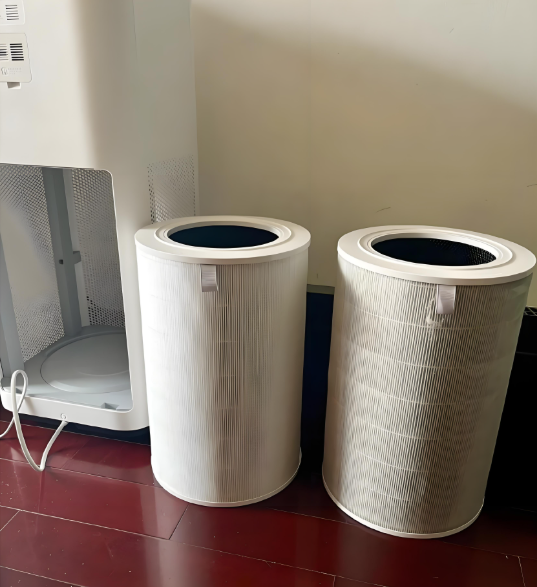
Even with regular maintenance, every filter eventually loses its ability to protect your indoor air quality. Running an exhausted filter strains your air cleaner and allows pet dander, dust mites, and harmful allergens to recirculate back into your room.
Knowing when to choose a replacement filter instead of attempting to clean it will save your machine and keep your breathing air fresh. Watch out for these four unmistakable signs that your filter is done:
- The Filter Indicator Light Activates: Most modern air cleaners feature built-in timers or sensors. When this light triggers, it is the most direct signal that the filtration efficiency has dropped below optimal levels.
- A Persistent Musty or Sour Odor: If the exhaust air from your unit smells stale, sour, or musty, the carbon layer is completely saturated and can no longer trap odors or gas molecules.
- Visible Gray or Black Discoloration: Inspect the HEPA pleats. A brand-new filter is crisp white. If you see a heavy buildup of gray or black particulate matter deeply embedded in the fibers, the filter is clogged.
- Decreased Airflow Through the Vents: When the unit runs on high but you only feel a weak breeze from the vents, severe airflow restriction has taken hold. This forces the motor to work harder, increasing your energy draw and reducing your overall clean air delivery rate.
Why Choosing High-Quality Replacement Filters Matters
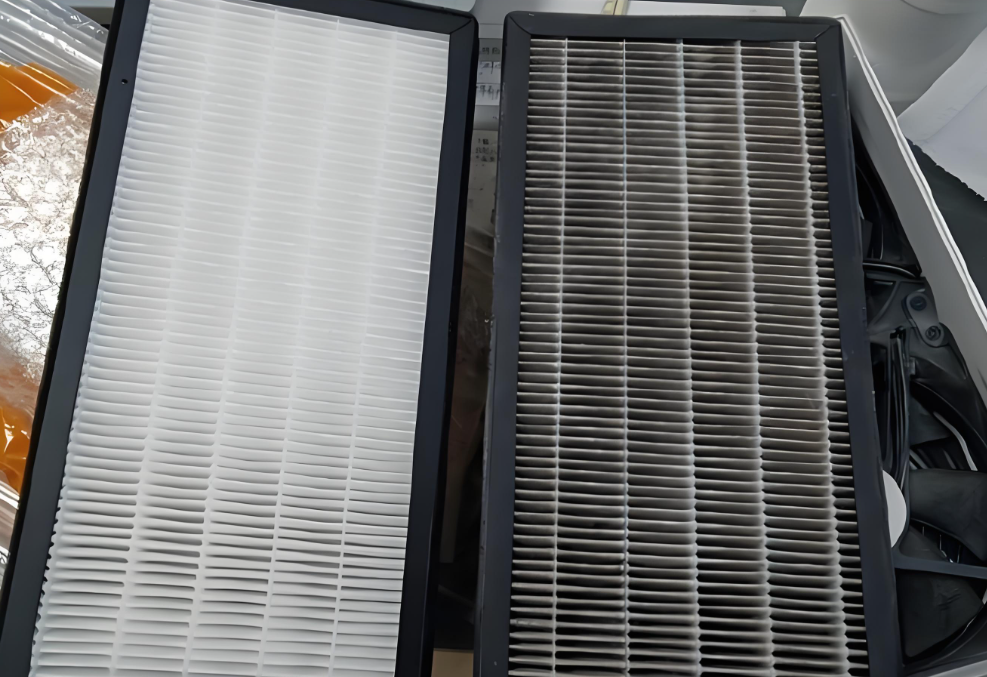
While trying to extend the life of an old filter might seem like a quick way to save a few bucks, the trade-off just isn’t worth it. Relying on a compromised, cleaned filter exposes your family to bypassed dust and microscopic irritants. Investing in a genuine replacement filter ensures you get the full long-term health benefits of clean indoor air, rather than the false security of a worn-out part.
When your air cleaner bogs down with age, you might wonder, why do my air filters get dirty so fast? The truth is, filters trap an immense volume of invisible debris over time, and only a fresh, high-quality replacement can completely restore your unit’s maximum Clean Air Delivery Rate (CADR).
The Core Benefits of Genuine Replacements:
- Restored CADR: New filters optimize airflow, allowing the machine to cycle the air in your room rapidly.
- Maximum Filtration Efficiency: Fresh media successfully traps pet dander, allergens, dust mites, and fine particulate matter.
- System Longevity: Genuine replacements prevent motor strain, lowering your energy costs and protecting your investment.
FAQs About Cleaning Air Purifier Filters
Can I vacuum a non-washable HEPA filter?
No, you should not vacuum a non-washable HEPA filter. While it might look cleaner on the surface, the powerful suction of a vacuum cleaner stretches and tears the tightly woven, unsealed fibers. This micro-damage ruins the filtration efficiency of your air purifier filters, allowing pet dander and allergens to pass right through back into your room.
What happens if I wash an activated carbon filter?
Washing a standard carbon filter completely destroys its ability to trap odors and gases. Water fills the microscopic pores of the charcoal, turning the rinse water black and washing away the active material. Once these pores are clogged with water and minerals, the filter can no longer absorb smoke, cooking smells, or volatile organic compounds (VOCs). If you need to refresh your odor control layer, check out our guide on how to properly maintain an activated carbon air filter without using water.
How often should I clean my air purifier pre-filter?
For the best indoor air quality, you should clean your pre-filter every 2 to 4 weeks. If you have pets that shed heavily or live in a dusty environment, check it bi-weekly. Regular maintenance tips like vacuuming or rinsing the pre-filter prevent airflow restriction, keeping your unit running quietly and efficiently.
How long does it take for a washed filter to dry completely?
A washed pre-filter takes a full 24 hours to air dry completely. Never reinstall a damp filter into your air cleaner. Even a tiny amount of moisture can trap dust mites, trigger mold growth inside the machine, and cause permanent damage to the motor. Always place it in a well-ventilated area out of direct heat until it is bone-dry.