Choosing the wrong filter can lead to poor indoor air quality or, even worse, a total HVAC system breakdown. You’re probably wondering: Are expensive air filters worth it? I’ve analyzed everything from MERV ratings to long-term value to give you the straight facts. In this guide, you’ll discover how to balance material quality with airflow requirements to save money and breathe easier. Let’s dive right in.
Understanding Air Filter Types: Cheap vs. Expensive
Choosing the right furnace filters for your home involves more than just picking the lowest price tag. The distinction between budget-friendly options and premium investments lies in the material composition and the specific level of protection they offer to your HVAC system and indoor air quality.
Fiberglass vs. Pleated Air Filters
The primary difference in the air filter market is between fiberglass filters and pleated filters.
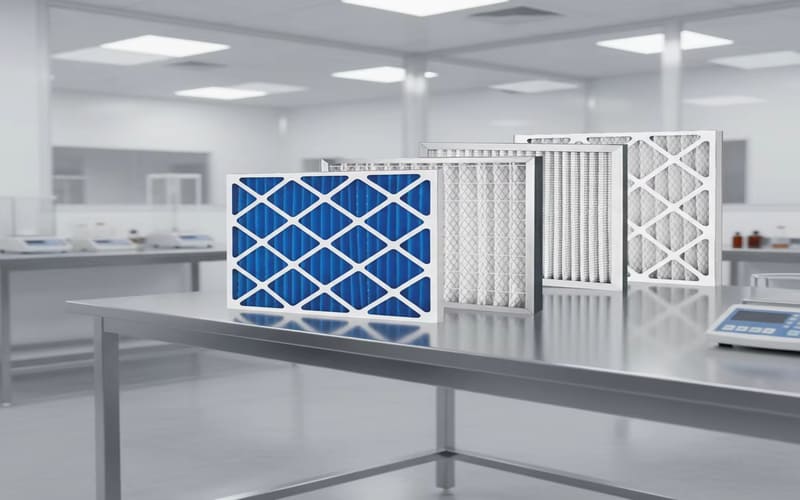
- Fiberglass Filters: These are the flat, thin, often blue-tinted filters found in hardware stores for a couple of dollars. They are designed solely to catch large lint and hair to prevent them from damaging the blower motor. They offer almost zero filtration for microscopic particles.
- Pleated Filters: These use folded layers of synthetic material or cotton polyester blends. The “pleats” significantly increase the surface area, allowing the filter to trap much smaller contaminants like dust mites, pollen, and pet dander without immediately clogging.
Material Quality and Filter Durability
Quality is dictated by the density of the media and the strength of the frame.
- Premium filters utilize electrostatically charged synthetic fibers that act like magnets for sub-micron particles.
- Structural Integrity: High-end filters feature moisture-resistant beverage board frames and wire-reinforced backing. This prevents the filter from bowing or collapsing into the ductwork under the pressure of the HVAC system’s airflow.
- Cheap alternatives often use flimsy cardboard and thin mesh that can degrade quickly, potentially allowing unfiltered air to bypass the media entirely.
Comparing Initial Cost and Long-Term Value
While a fiberglass filter may cost $2 and a high-efficiency pleated filter may cost $20, the “cheap” option often proves more expensive over time.
| Feature | Fiberglass Filters | Premium Pleated Filters |
|---|---|---|
| Upfront Cost | Very Low | Moderate to High |
| Filtration Level | Minimal (Large debris only) | High (Allergens & Fine Dust) |
| Replacement Cycle | Every 30 days | Every 60 to 90 days |
| HVAC Protection | Basic | Superior |
| Air Quality Impact | Negligible | Significant Improvement |
Investing in a higher-quality filter reduces the accumulation of dust buildup within your sensitive HVAC components, ultimately extending the lifespan of your equipment and maintaining consistent energy efficiency.
The Role of MERV Ratings in Filter Performance
What is a MERV Rating and Why Does It Matter?
I always tell my customers that understanding the MERV rating is the first step in deciding if an expensive filter is worth the investment. MERV stands for Minimum Efficiency Reporting Value, a scale from 1 to 16 that tells you exactly how well a filter traps particles. Choosing the right MERV rating filter for home air quality ensures you aren’t overpaying for a performance your system can’t handle. It is the industry standard for measuring filter efficiency, helping you balance clean air with system safety.
MERV 8 vs. MERV 11 vs. MERV 13 Comparison
The price jump between these levels reflects the filter’s ability to catch smaller particulate matter. While a basic filter stops large debris, premium options target microscopic triggers.
| MERV Rating | What It Captures | Best Use Case |
|---|---|---|
| MERV 8 | Dust, lint, pollen, and dust mites. | Standard residential homes without pets. |
| MERV 11 | Pet dander, smoke, and smog. | Homes with pets or mild allergy sufferers. |
| MERV 13 | Bacteria, virus carriers, and fine smoke. | Superior air quality and high-sensitivity needs. |
Why a Higher MERV Rating Isn’t Always Better
More expensive does not always mean better for your specific setup. High-efficiency filters are densely woven to catch tiny particles, which naturally increases airflow resistance. If your HVAC system is older or not designed for high-pressure drops, a MERV 13 filter can act like a wall rather than a sieve.
- Blower Motor Strain: Restricted airflow forces the motor to work harder, leading to premature failure.
- Reduced HVAC Performance: Poor airflow prevents your home from reaching the target temperature quickly.
- Increased Energy Costs: A struggling system stays on longer, spiking your monthly utility bills.
Before upgrading to the most expensive option, check your manufacturer’s specs to ensure your system can handle the density of a high-MERV pleated filter. For many, a mid-range MERV 11 provides the perfect balance of indoor air quality and system longevity.
Key Benefits of Investing in High-Quality Air Filters
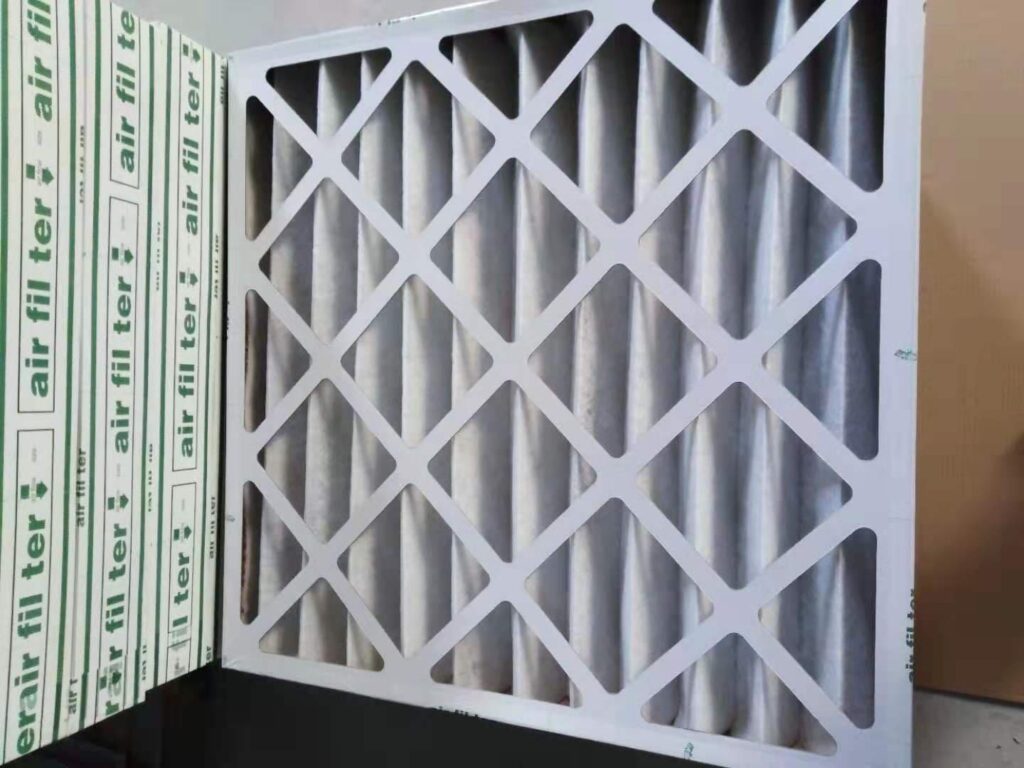
Investing in premium air filters is about more than just catching dust; it is a direct investment in your home’s environment and the longevity of your mechanical systems. High-quality filters utilize advanced synthetic materials and electrostatic charges to trap microscopic particles that standard fiberglass filters simply miss.
Improved Indoor Air Quality and Health Benefits
The air inside most homes is often more polluted than the air outside. High-quality filters significantly improve indoor air quality by capturing fine particulate matter that can trigger asthma or other respiratory issues. By upgrading your filter, you create a cleaner breathing zone, which is essential for children, the elderly, and anyone with sensitivities. Understanding the differences between air filters and air purifiers can further help you optimize your home’s air cleaning strategy.
Enhanced Protection for Your HVAC System
A premium filter acts as a robust shield for your furnace and air conditioner. While cheap filters only stop large debris from hitting the fan, high-quality pleated options prevent fine dust buildup on sensitive internal components like the evaporator coil and blower motor. This protection maintains high HVAC performance and prevents the system from overheating or failing prematurely.
Effective Removal of Allergens, Dust, and Pet Dander
For households with pets or high pollen counts, standard filters are insufficient. Premium filters are engineered to capture a wide spectrum of contaminants that settle on furniture and circulate through ducts.
| Contaminant Type | Standard Filter Capability | High-Quality Filter Capability |
|---|---|---|
| Pollen & Large Dust | High | Excellent |
| Pet Dander | Low | High |
| Mold Spores | Minimal | High |
| Smoke Particles | None | Moderate to High |
| Bacteria/Viruses | None | Effective (MERV 13+) |
By effectively trapping pet dander and mold spores, these filters reduce the frequency of house cleaning and prevent allergens from becoming embedded in your carpets and upholstery. This proactive approach to filtration ensures that your HVAC system remains a source of comfort rather than a circulator of pollutants.
Does a More Expensive Filter Actually Save You Money?
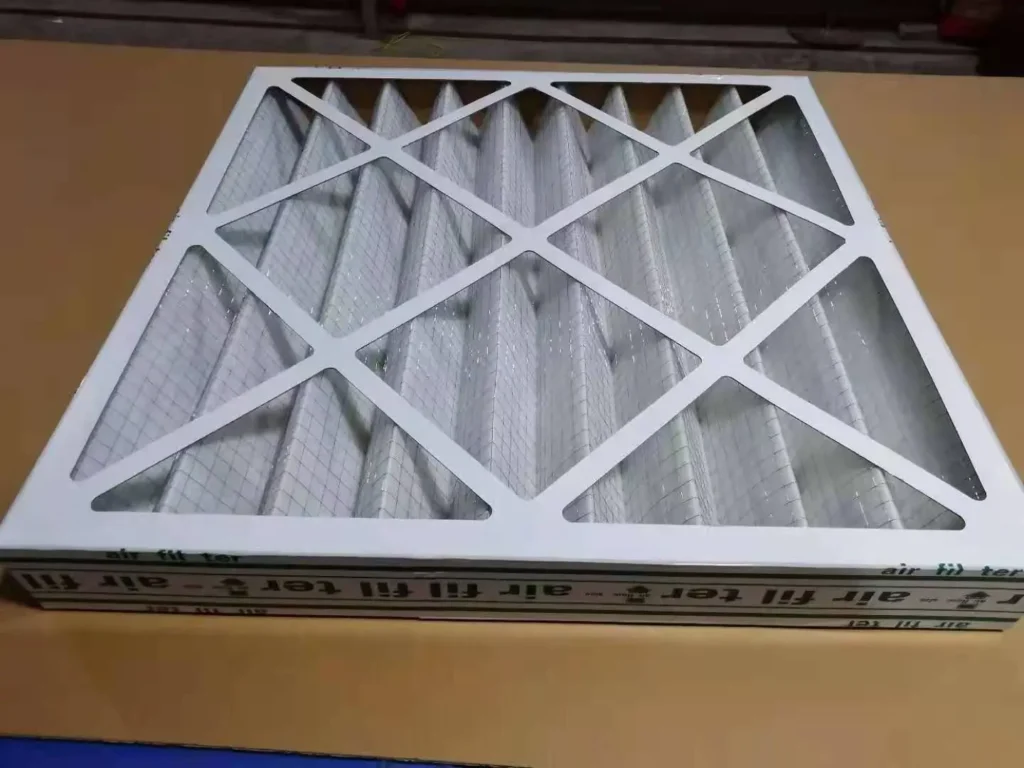
Investing in a premium air filter is a smart financial move that goes beyond just breathing cleaner air. While the upfront price is higher, the long-term savings on energy and maintenance are substantial.
Impact on Energy Efficiency and Utility Bills
A high-quality filter improves HVAC performance by providing a larger surface area for air to pass through. When you use cheap, flat filters, they clog quickly, forcing your system to work harder and consume more electricity. By maintaining steady airflow, premium filters keep your utility bills from spiking during peak heating or cooling seasons.
Reducing the Need for Costly HVAC Repairs
The highest hidden cost of cheap filters is the internal damage they allow. Low-grade options often let fine particles bypass the media, leading to dust buildup on the evaporator coils and significant blower motor strain. I’ve seen homeowners face massive emergency repair bills that could have been avoided by simply upgrading their filtration. Understanding the differences in pleated vs. fiberglass air filters is the first step in protecting your system from unnecessary wear and tear.
Replacement Frequency: Premium vs. Standard Filters
When calculating value, you have to look at the lifespan of the product rather than just the sticker price:
- Standard Fiberglass: Usually needs replacement every 30 days to remain effective.
- Premium Pleated Filters: Designed to last between 90 days and 6 months, depending on your home environment.
- Annual Cost: Because you buy fewer units per year, the price gap between “cheap” and “expensive” narrows significantly.
Using a high-efficiency filter is a preventative measure for your wallet. It is far more cost-effective to invest in a quality filter than to deal with the risks of running an AC without a filter or using one that fails to catch the debris that destroys sensitive HVAC components.
Potential Drawbacks: Can a Filter Be Too Efficient?
The Risk of Restricted Airflow and System Strain
It sounds counterintuitive, but a filter that is “too good” can actually choke your HVAC system. High-efficiency filters feature dense material that increases airflow resistance. When air cannot pass through easily, it causes significant blower motor strain. Over time, this extra work leads to overheating and mechanical failure, potentially turning a premium filter purchase into an expensive system repair. As one of the best air filter manufacturers, we have seen many instances where high-performance filters caused systems to work twice as hard as necessary.
When High-Efficiency Filters Are Overkill for Residential Use
For the average household, ultra-high MERV ratings are often unnecessary and can lead to diminishing returns. Unless you are dealing with specific medical conditions or severe respiratory issues, hospital-grade filtration is usually overkill.
- Energy Waste: Restricted airflow forces the system to run longer cycles to reach the desired temperature, spiking your utility bills.
- System Freezing: In the summer, low airflow can cause the evaporator coil to freeze, leading to a total AC shutdown.
- Increased Wear: Constant resistance shortens the overall lifespan of your HVAC components.
The Case Against Washable Air Filters
I generally advise against using permanent, washable filters for residential HVAC units. While they seem like a cost-saving measure, they rarely provide the same filter efficiency as high-quality disposable pleated filters.
- Poor Filtration: Most washable versions are only effective at catching large dust particles, letting smaller allergens pass right through.
- Mold Growth: If these filters are not 100% dry before being reinstalled, they become a breeding ground for mold and bacteria within your ductwork.
- Maintenance Burden: They require frequent, messy cleaning that most homeowners eventually neglect, leading to severe HVAC performance issues.
How to Choose the Right Air Filter for Your Home
Choosing the right filter isn’t just about grabbing the most expensive option on the shelf. It’s about matching the filter’s capabilities to your home’s environment and your HVAC system’s mechanical limits. To decide if expensive air filters are worth it for your specific situation, I recommend following a strategic approach.
Assessing Your Specific Household Air Quality Needs
Your lifestyle dictates the level of filtration required. A home with multiple pets or family members suffering from seasonal allergies needs a higher level of defense than a single-occupant home in a low-pollution area.
- Pet Owners: You need a filter that captures microscopic dander.
- Allergy Sufferers: Look for filters rated to trap pollen and mold spores.
- Budget Focused: If you have no respiratory issues, a basic fiberglass air filter might suffice for large debris, though it offers minimal protection for indoor air quality.
| Household Profile | Recommended MERV Rating | Primary Benefit |
|---|---|---|
| Basic (No pets/allergies) | MERV 6 – 8 | Protects HVAC equipment |
| Standard (Pets/Kids) | MERV 10 – 11 | Traps dander and dust |
| Premium (Asthma/Allergies) | MERV 13 | Removes smoke and bacteria |
Consulting HVAC Manufacturer Recommendations
Before upgrading to a high-efficiency filter, check your HVAC system’s manual. Every blower motor has a maximum “static pressure” limit. If you install a filter that is too thick or has a MERV rating higher than the system can handle, you will restrict airflow. This causes the motor to work harder, leading to premature failure and higher energy bills. I always advise checking the manufacturer’s maximum MERV rating to avoid damaging your furnace.
Balancing Filtration Power with Airflow Requirements
The goal is to find the “sweet spot” where you get maximum air cleaning without suffocating your HVAC unit. High-efficiency filters are denser, which naturally increases airflow resistance. To maintain this balance, you must stay on top of maintenance. Knowing how often to change air filter is critical; a premium MERV 13 filter that is clogged with dust is far more damaging to your system than a clean, cheap filter.
- High-Efficiency Pleated Filters: Best for air quality but require frequent monitoring.
- Standard Pleated Filters: The best balance of cost, filtration, and airflow for most residential homes.
- System Check: If you notice weak airflow from your vents, your filter is likely too restrictive for your current blower settings.
Frequently Asked Questions About Premium Air Filters
Is MERV 13 better than MERV 11 for home use?
Not necessarily. As an air filter manufacturer, we often see homeowners assume the highest rating is always the best choice. While a MERV 13 air filter is exceptionally effective at trapping microscopic particulate matter like smoke particles and bacteria, its dense material can create significant airflow resistance in standard residential HVAC systems. If your family struggles with severe respiratory issues or heavy allergies, the upgrade makes sense. However, for everyday indoor air quality management, controlling dust buildup, and trapping pet dander, a high-quality MERV 11 air filter provides the ideal balance of reliable filter efficiency and optimal HVAC performance.
Do expensive air filters need to be changed less often?
This is a common misconception. The replacement frequency of your furnace filters depends heavily on your home environment and the filter’s efficiency, not just the price tag. Premium high-efficiency filters actually trap more debris, meaning they can clog faster than basic fiberglass filters.
- Surface Area Matters: Expensive pleated filters have more surface area, allowing them to hold more dirt, which can sometimes extend their life up to 90 days.
- Faster Clogging: Because they catch finer allergens and mold spores, high-efficiency filters fill up with microscopic particles quickly.
- System Health: Leaving an expensive filter in too long causes severe blower motor strain, reduces energy efficiency, and increases long-term maintenance costs.
Are brand-name filters worth the extra cost over generic?
You do not always need to pay a premium for a recognizable brand logo. What truly matters is the construction quality and the certified MERV rating. Many generic or direct-from-manufacturer pleated filters offer the exact same filter efficiency and structural integrity as the expensive household names. When evaluating if expensive air filters are worth it, focus on the filter media, a sturdy moisture-resistant frame, and the specific micron rating it targets. If a generic filter meets the exact specifications your HVAC system requires, it will protect your equipment and improve your indoor air quality just as effectively without the markup.