The choice between an air purifier and a humidifier often comes down to one fundamental question: Are you trying to clean your indoor air, or are you trying to add moisture to it? While both devices dramatically improve indoor air quality and respiratory health, they operate on entirely different mechanisms to solve completely different environmental issues.
What Does an Air Purifier Do?
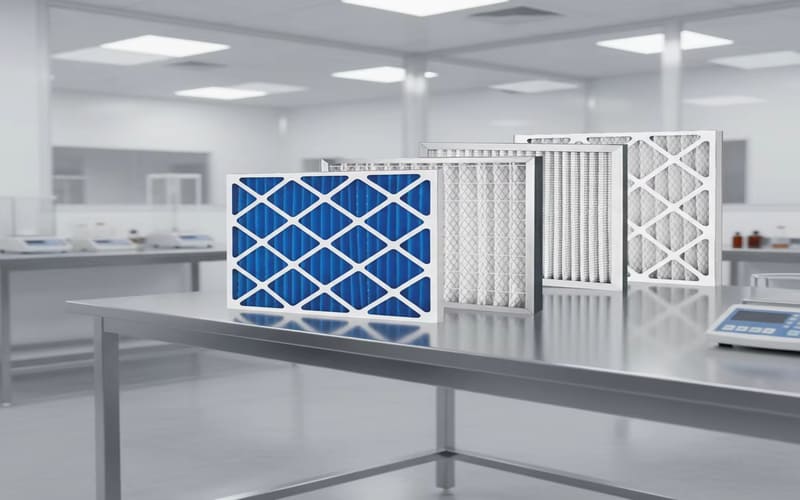
An air purifier is designed to capture and eliminate airborne particles and gaseous pollutants from your indoor environment. As an air purifier filter manufacturer, we know that the heart of any effective purification system is its filtration media.
- The Process: The device uses an internal fan to continuously draw in dirty ambient air.
- The Filtration: The air passes through a series of physical filters—typically a pre-filter for large debris, a High-Efficiency Particulate Air (HEPA) filter for microscopic particles, and an activated carbon filter for odors and volatile organic compounds (VOCs).
- The Result: The system traps up to 99.97% of airborne allergens, dust mites, pet dander, mold spores, and smoke, releasing clean air back into the room.
How Does a Humidifier Work?
A humidifier does not clean or filter the air. Instead, its sole purpose is to control relative humidity by adding moisture levels to dry indoor environments.
- The Process: The unit draws water from a built-in reservoir and disperses it into the surrounding space.
- The Delivery: Depending on the technology, it releases water vapor into the air either through ultrasonic vibration (creating a cool mist) or thermal heating (producing a warm mist).
- The Result: This process raises the moisture levels in dry climates or during winter dryness, preventing the physical discomfort associated with parched air.
Key Differences at a Glance
| Feature | Air Purifier | Humidifier |
|---|---|---|
| Primary Function | Cleans air by removing airborne particles | Adds water vapor to increase room humidity |
| Core Technology | Fan + HEPA and Carbon filtration systems | Heating element or Ultrasonic transducer + Water tank |
| Target Issues | Dust, pet dander, pollen, mold, smoke, odors | Dry skin, dry throat, nasal congestion, static electricity |
| Best Season | Year-round (especially during allergy seasons) | Winter months or year-round in dry climates |
| Output | Purified, clean air | Cool or warm moisture mist |
Air Purifier vs. Humidifier: Health and Indoor Air Quality Benefits
Improving your indoor air quality is the single best step you can take to protect your family’s respiratory health. While both air purifiers and humidifiers make your home more comfortable, they do so through entirely different mechanisms. To truly understand how these systems compare, it helps to understand the difference between an air filter and an air purifier since filtration mechanics directly dictate health benefits.
Health Benefits of Air Purifiers
Air purifiers actively clean your indoor air by pulling it through advanced multi-stage filtration systems. High-efficiency HEPA filters trap microscopic airborne particles that trigger inflammation in your airways, providing massive asthma relief and keeping your lungs clear.
- Allergen Eradication: Safely captures airborne allergens like dust mites, seasonal pollen, and pet dander.
- Pathogen Defense: Traps airborne viruses, bacteria, and mold spores to cut down on seasonal illnesses.
- Smoke and Odour Control: Equipped with an activated carbon filter, neutralizes chemical vapours, smoke, and household cooking odours.
Health Benefits of Humidifiers
Instead of cleaning the air, a humidifier adds vital moisture levels to your living space by dispersing fine water vapor. This is crucial for combatting severe winter dryness or managing a naturally dry climate, where low relative humidity parches your body’s defensive barriers.
- Soothes Respiratory Passages: Prevents dry throat, eases nasal congestion, and reduces painful sinus pressure.
- Skin Hydration: Heals cracked lips and prevents itchy, painful skin dryness.
- Protects Vocal Chords: Keeps vocal tissue lubricated, reducing morning hoarseness and dry coughs.
Which Is Better for Babies and Children?
A baby nursery benefits tremendously from both devices, but they serve different roles depending on your child’s immediate needs:
| Scenario | Recommended Device | Why It Helps |
|---|---|---|
| Newborn respiratory safety, dust prevention, and allergy control | Air Purifier | Developing lungs are highly sensitive. Keeping airborne particles out of the nursery reduces long-term asthma risks. |
| Congestion, croup, dry coughs, and dry winter skin | Humidifier | Adding clean moisture thins out mucus, making it easier for babies to breathe and sleep through the night. |
When to Choose an Air Purifier vs. a Humidifier
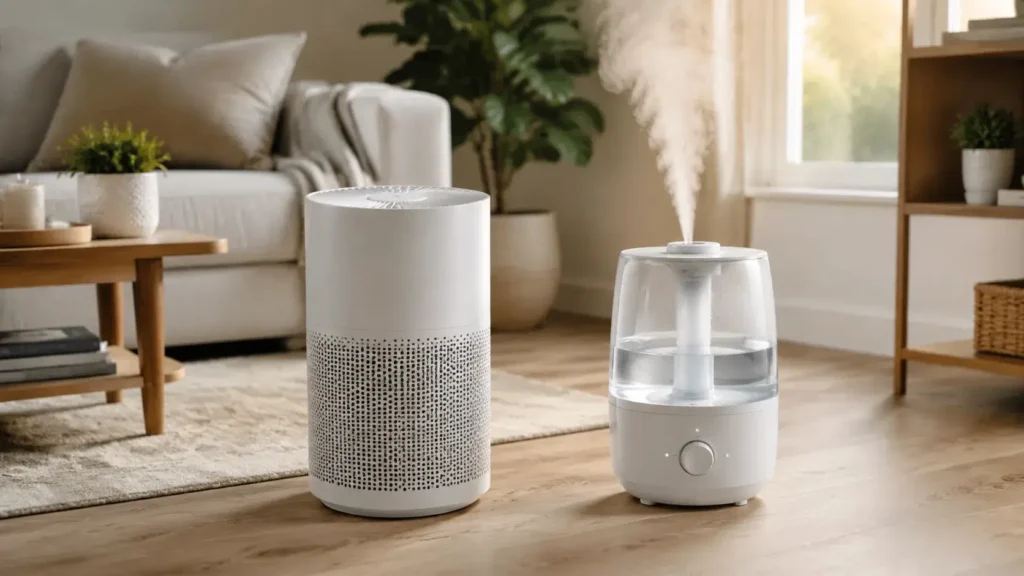
Choosing between an air purifier and a humidifier comes down to the specific air quality issues you want to fix. While one cleans the air, the other adds moisture to it.
Best Device for Allergies, Dust, and Pet Dander
If you struggle with airborne allergens, an air purifier is the clear winner. Air purifiers use a high-efficiency HEPA filter to trap invisible particles drifting through your home. This device actively removes dust mites, mold spores, pollen, and pet dander from the air before you can breathe them in, providing massive asthma relief.
For the best results against heavy debris, choosing the best air filters for dust control ensures your indoor air quality stays pristine. If you share your home with furry friends, upgrading to the best furnace filters for homes with pets works perfectly alongside your portable air purifier to capture floating pet hair and dander.
Best Device for Dry Skin, Sinus Congestion, and Coughs
When the air is bone-dry, a humidifier is your best ally. It does not clean the air, but it pushes water vapor into the room to raise the relative humidity. Increasing moisture levels in your home directly targets physical discomfort caused by dry air.
- Soothes Nasal Congestion: Keeps your nasal passages moist to relieve sinus pressure and nosebleeds.
- Calms Dry Throats & Coughs: Lubricates your airways to reduce throat irritation and dry coughs.
- Relieves Skin Dryness: Prevents itchy skin, chapped lips, and dry eyes.
Seasonal and Climate Considerations
Your local climate and the time of year play a major role in which device you should run.
| Season / Climate | Best Choice | Why It Works |
|---|---|---|
| Spring & Summer | Air Purifier | Captures seasonal allergies, pollen, and outdoor dust blowing inside. |
| Winter Dryness | Humidifier | Counters dry indoor heating that saps moisture from the air. |
| Dry Climates (Year-Round) | Humidifier | Maintains comfortable indoor moisture levels above 30%. |
| Wildfire Season / High Pollution | Air Purifier | Filters out harmful smoke, ash, and fine airborne particles. |
Can You Use an Air Purifier and Humidifier Together?
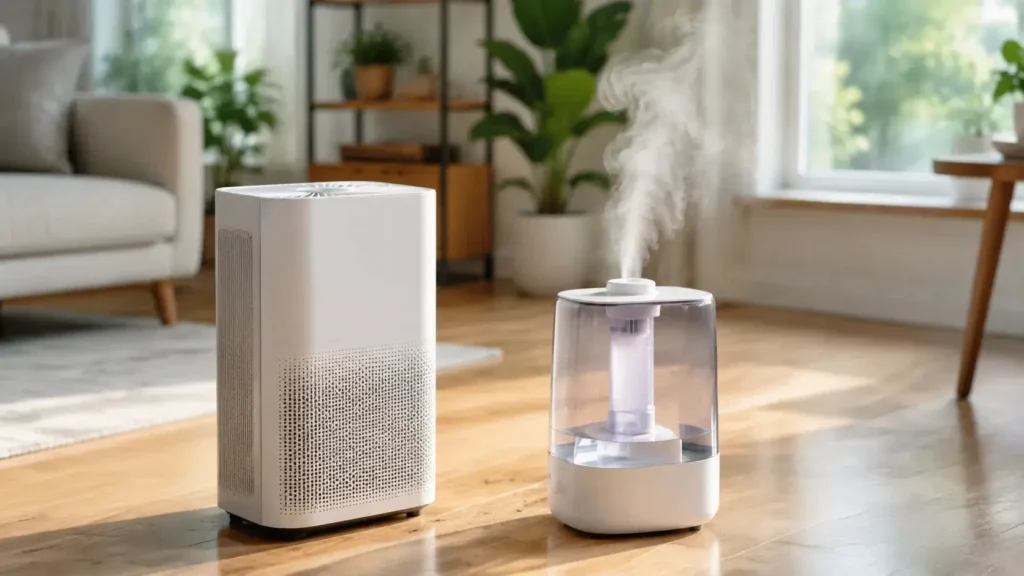
Yes, you can absolutely run an air purifier and a humidifier in the same room. In fact, they do not interfere with each other because they target completely different aspects of indoor air quality. While one cleans the air, the other adds moisture to it.
Benefits of Using Both Devices Concurrently
Using both devices together gives you the ultimate control over your indoor climate, especially during winter or in dry regions.
- Total Air Comfort: The air purifier removes airborne allergens like dust, pet dander, and mold spores, while the humidifier prevents dry throat and skin dryness.
- Enhanced Respiratory Health: Together, they offer maximum asthma relief and ease nasal congestion by keeping the air both clean and properly hydrated.
- Better Sleep: Clean air prevents nighttime allergy flare-ups, while optimal moisture levels keep your nasal passages comfortable all night.
| Feature | Air Purifier | Humidifier | Combined Effect |
|---|---|---|---|
| Primary Function | Filters airborne particles | Emits water vapor | Clean, balanced air |
| Main Benefit | Removes dust, pollen, and smoke | Relieves dry skin and sinuses | Fewer allergies + hydrated airways |
| Best Season | Year-round | Winter / Dry seasons | Year-round respiratory comfort |
Tips for Placing and Operating Both Units
To get the best performance out of both portable units, follow these simple setup rules:
- Give Them Space: Keep the units at least 3 to 6 feet apart. Placing them too close can cause the air purifier to pull in the heavy mist from the humidifier, which can saturate the HEPA filter and ruin it.
- Do Not Use Tap Water in Mist Humidifiers: Tap water contains minerals that create a fine white dust when humidified. Your air purifier will detect this dust as pollution and run at high speed constantly. Use distilled or demineralized water instead.
- Keep Up with Filter Maintenance: Regular filter changes keep your purifier running efficiently. If you are wondering about keeping your purifier in top shape, check out our guide on how to clean air purifier filters to ensure you are getting maximum airflow and particle capture.
Should You Buy a 2-in-1 Purifier-Humidifier Combo?
While a 2-in-1 hybrid machine sounds convenient and saves floor space, we generally recommend buying separate, dedicated units.
- Harder to Clean: Humidifiers require frequent washing to prevent mold, while purifiers must stay completely dry. Combining them makes deep cleaning highly complex.
- Single Point of Failure: If one part of a 2-in-1 system breaks down, you lose both functions at once while waiting for repairs.
- Compromised Performance: Multi-functional appliances rarely perform both tasks as well as dedicated, single-purpose units. Dedicated portable units allow you to place the purifier right by your bed and the humidifier closer to a heat source for optimal distribution.
How to Choose the Right Device for Your Home
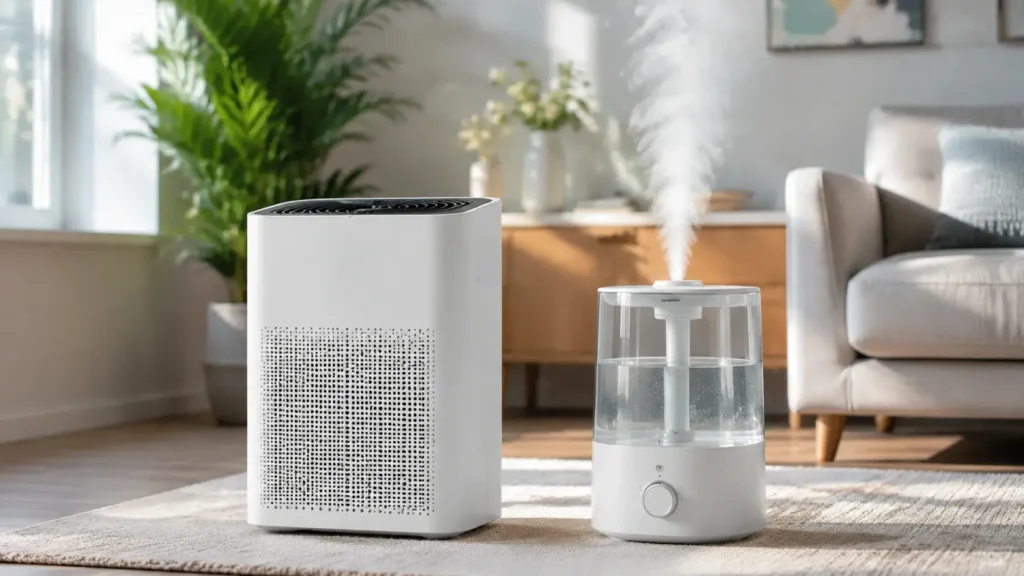
Choosing between an air purifier and a humidifier comes down to your immediate indoor air quality goals. Here is exactly what to focus on to make the right investment for your living space.
Key Features to Look for in an Air Purifier
When sourcing an air purifier, the filtration technology is everything. To ensure you are getting clean air, prioritize these key components:
- True HEPA Filtration: This is the gold standard for trapping 99.97% of airborne particles. Understanding the micron rating for air filters helps you choose a system capable of capturing microscopic allergens, dust, and smoke down to 0.3 microns.
- Activated Carbon Filter: This layer is essential for absorbing smoke, household odors, and harmful volatile organic compounds (VOCs).
- CADR Rating: Look for the Clean Air Delivery Rate (CADR). This tells you how quickly the unit can clean the air in a specific room size.
Key Features to Look for in a Humidifier
If low moisture levels, dry skin, or sinus pressure are your main concerns, look for these features in a quality humidifier:
- Cool Mist vs. Warm Mist: Cool mist (ultrasonic or evaporative) is safer for children and pets, while warm mist can feel more comforting in cold climates.
- Built-in Humidistat: This automatic sensor monitors the relative humidity in the room and shuts the device off once the ideal moisture level is reached, preventing dampness.
- Easy-to-Clean Design: Removable tanks and wide openings are vital to prevent mold, bacteria, and mineral buildup.
Device Capacity and Room Size Guide
Using a device that is too small for your space is highly inefficient. Use this quick reference table to match your room size with the correct capacity for both air purifiers and humidifiers.
| Room Type | Square Footage | Air Purifier CADR (Smoke) | Humidifier Tank Capacity |
|---|---|---|---|
| Small (Bedroom, Nursery) | Up to 150 sq. ft. | 100+ CFM | 1.5 – 2 Liters |
| Medium (Standard Living Room) | 150 – 350 sq. ft. | 220+ CFM | 3 – 4 Liters |
| Large (Open Concept Spaces) | 350 – 500+ sq. ft. | 300+ CFM | 5+ Liters |
Maintenance and Care Tips for Longevity
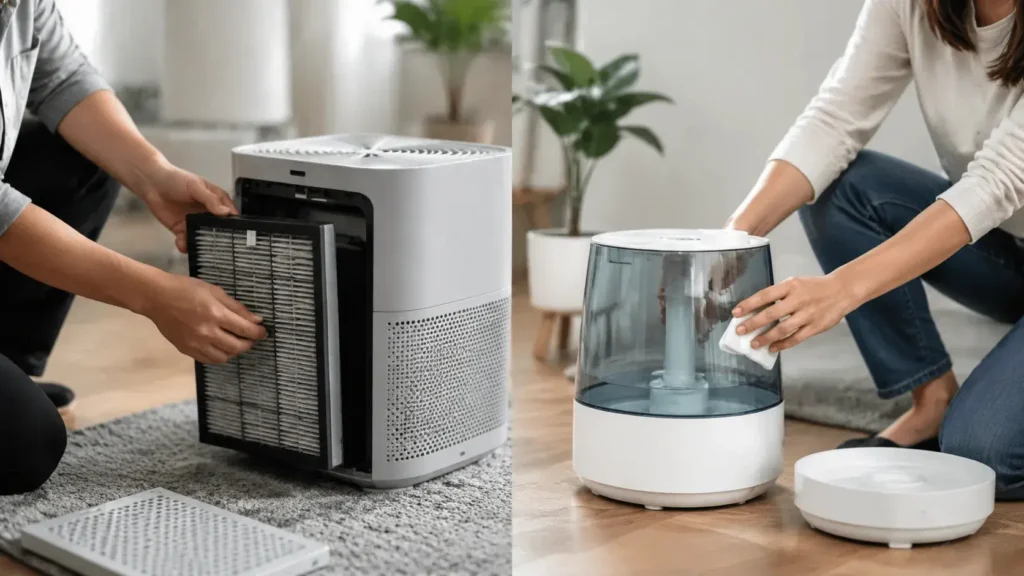
Keeping your air quality devices running smoothly is the only way to guarantee clean air and proper moisture levels in your home. Neglecting routine maintenance not only hurts your indoor air quality but also puts unnecessary strain on the equipment, cutting its lifespan short.
How to Clean and Maintain Your Air Purifier
Air purifiers are designed to trap airborne particles constantly. When filters get overloaded, airflow drops, and the motor has to work twice as hard to pull air through the system.
- Monitor the filters: Knowing how often to change your air purifier filter is critical for keeping the unit working at peak performance.
- Vacuum the pre-filter: If your device has a washable or vacuumable pre-filter, clean it every 2 to 4 weeks to remove large dust clumps and pet hair.
- Keep the housing clean: Wipe down the exterior grilles with a dry or slightly damp microfiber cloth to prevent dust buildup from blocking the intake.
- Never wash HEPA filters: Unless a filter is explicitly labeled as washable, washing a HEPA filter will ruin its microscopic fiber structure, rendering it useless. Always replace it.
How to Clean and Maintain Your Humidifier
Humidifiers constantly deal with standing water, which makes them highly prone to scale buildup, bacteria, and mold spores. If you do not clean your humidifier, it will eventually pump these contaminants directly into your breathing zone.
- Use distilled water: Tap water contains heavy minerals that cause scale buildup and leave a fine white dust on your furniture. Distilled water keeps the tank clean.
- Rinse and dry daily: Empty the water tank every day, rinse it out, and dry it completely before refilling it to prevent stagnant water issues.
- Deep clean weekly: Disinfect the tank and base with white vinegar or a weak bleach solution once a week. Let it sit for 20 minutes to break down scale, scrub gently, and rinse thoroughly until the smell is gone.
- Replace wicking filters: If you run an evaporative humidifier, swap out the paper wicking filter every 1 to 3 months to prevent mold and ensure efficient water vapor delivery.
Frequently Asked Questions About Air Purifiers and Humidifiers
Does an air purifier remove humidity from the room?
No, an air purifier does not remove humidity from the air. Its sole job is to capture airborne particles like dust, pollen, pet dander, and mold spores. It does not pull moisture out of the room, nor does it add any water vapor. If your indoor air quality suffers from excess moisture, you need a dehumidifier, not an air purifier.
Is it better to sleep with a humidifier or an air purifier?
It depends entirely on your specific nighttime struggles:
- Choose an air purifier if you suffer from seasonal allergies, asthma, or congestion triggered by dust mites and pet dander.
- Choose a humidifier if you wake up with a dry throat, sinus pressure, nosebleeds, or dry skin caused by a dry climate or winter heating.
For the ultimate sleep environment, many of our customers run both devices concurrently to get clean, perfectly humidified air.
Do these devices consume a lot of electricity?
Not at all. Standard portable units are highly energy-efficient and built to run continuously. A typical air purifier runs on roughly the same wattage as a traditional lightbulb. If you want to dive deeper into the numbers, we have analyzed exactly how much energy these systems use and whether air purifiers run up your electric bill during daily operation.