Do Air Purifiers Run Up Your Electric Bill?
If you are considering adding an air purifier to your home or office, a primary concern is how it will impact your monthly bill. With rising energy costs globally, nobody wants an appliance that spikes utility bills. Fortunately, modern air purification systems are designed with energy efficiency in mind, ensuring that maintaining clean indoor air quality does not come at a steep financial cost.
Average Wattage and Power Consumption
The power consumption of an air purifier depends heavily on its size, motor efficiency, and the speed at which it operates. On average, most residential air purifiers use between 10 to 100 watts of electricity.
- Small Room Units: 10W – 30W (Equivalent to a small LED light bulb)
- Medium Room Units: 30W – 60W (Equivalent to a standard ceiling fan)
- Large Whole-Home Units: 60W – 100W+ (Equivalent to a traditional incandescent bulb)
When evaluating an air purifier, look at its wattage rating on the lowest and highest fan speed settings to understand its minimum and maximum potential electricity usage.
Do Air Purifiers Use a Lot of Electricity?
Compared to other household appliances, air purifiers use a very small amount of electricity. They do not generate heat or use heavy compressors like air conditioners or refrigerators, which are the main culprits behind high utility bills.
| Appliance | Average Wattage | Relative Energy Impact |
|---|---|---|
| Air Purifier | 10W – 80W | Very Low |
| Box Fan | 50W – 100W | Low |
| Refrigerator | 100W – 400W | Medium |
| Central AC | 3000W – 5000W | High |
Because their mechanical workload is limited to spinning a fan to pull air through HEPA filters, their overall energy footprint remains remarkably low.
Is It Expensive to Run an Air Purifier 24/7?
No, running 24/7 is surprisingly affordable. Because air purifiers are designed for continuous operation, manufacturers optimize the internal motors for sustained, low-energy draws.
Even if a medium-sized unit runs at 50 watts around the clock, it only consumes about 1.2 kilowatt-hours (kWh) per day. In most global markets, this translates to just a few cents a day, making continuous operation a cost-effective choice for maintaining consistent air quality.
How Much Does It Cost to Run an Air Purifier?
Figuring out the exact impact on your utility bills doesn’t require guesswork. By looking at a few basic numbers, you can easily see that clean air doesn’t have to come with a hefty price tag.
Step-by-Step Electricity Cost Calculation
To find your exact electricity usage, you only need three numbers: the wattage of your device, the hours it runs, and your local utility rate per kilowatt-hour (kWh).
Here is the straightforward formula we use to calculate the cost:
Daily Cost = Device Wattage x Hours Active per Day /1000 x Local kWh Rate
- Find the wattage: Check the sticker on the bottom or back of your air purifier (usually ranges from 10W to 100W).
- Convert to kilowatts: Multiply the wattage by the daily runtime hours, then divide by 1,000.
- Multiply by your rate: Multiply that final number by your local electricity rate to get the daily cost.
Average Daily and Monthly Costs
For most homes, running an air purifier costs less than a daily cup of coffee. Assuming an average power consumption of 50 watts operating 24/7 at a standard US utility rate of $0.16 per kWh, the expenses break down roughly like this:
| Operating Period | Estimated Electricity Cost |
|---|---|
| Daily Cost | $0.19 |
| Monthly Bill | $5.76 |
| Annual Cost | $69.12 |
Cost Variation by Room Size and Unit Capacity
The overall size of your space directly impacts your monthly bill. Larger rooms require a higher clean air delivery rate (CADR), meaning a bigger motor is needed to move the air efficiently.
- Small Rooms (Up to 150 sq. ft.): These units usually draw only 10 to 20 watts. Running them continuously adds pennies to your daily utility bills.
- Medium Rooms (150 to 400 sq. ft.): Standard household units pull between 30 to 60 watts, maintaining a great balance between energy consumption and performance.
- Large Spaces (Over 400 sq. ft.): Heavy-duty purifiers designed for whole-house performance can draw 70 to 100+ watts.
If you are trying to manage whole-home air quality efficiently, strategically placing standard units often proves more cost-effective than overworking a single small machine. For better cost planning across your entire living space, it helps to evaluate whether you need an air purifier in every room to maximize filtration without driving up energy waste.
Factors That Affect Air Purifier Energy Consumption
Fan Speed and Operation Modes
The speed setting on your air purifier plays a direct role in how much electricity it draws. Running a unit on a high or “turbo” speed requires the motor to work much harder, noticeably increasing its power consumption. Conversely, switching to a low or sleep mode keeps the wattage minimal, drawing only a fraction of the power while maintaining a quiet, steady airflow.
Room Size and Clean Air Delivery Rate (CADR)
An air purifier must match the square footage of the room to work efficiently. A small unit forced to clean a massive living room will have to run constantly on high speed, spiking your electricity usage. Choosing a unit with a Clean Air Delivery Rate (CADR) tailored to your specific room size ensures the machine cleans the air quickly and switches down to lower, energy-saving speeds sooner.
Filter Condition and Maintenance
A clogged and dirty filter forces the internal motor to struggle to pull air through, which instantly drives up energy consumption. Regular filter replacement and proper upkeep prevent this unnecessary strain on the system. Keeping the filters clear not only lowers your monthly bill but also protects your indoor air quality. Knowing the right steps for maintenance, such as understanding if you can clean air purifier filters, can save you from premature replacement costs and keep the machine running efficiently.
Smart Settings and Auto Mode Efficiency
Investing in units with smart sensors dramatically optimizes utility bills. When left on “Auto Mode,” the device monitors real-time air quality and adjusts the fan speed instantly. It scales up power only when airborne pollutants are detected and drops back down to a low-wattage idle once the air is clean, eliminating any wasted electricity.
Comparing Air Purifier Energy Use vs. Other Household Appliances
When figuring out if air purifiers run up your electric bill, it helps to look at the numbers next to everyday items in your home. Many people worry that adding another device to the mix will cause their utility bills to spike. However, the energy consumption of a standard air purifier is surprisingly low when compared to typical household appliances.
Air Purifier vs. Standard Fan
An air purifier and a standard box fan or ceiling fan actually share a lot of similarities. At its core, an air purifier is essentially a fan paired with a specialized filtration system, such as high-efficiency HEPA filters.
- Standard Box Fan: Typically draws between 50 to 100 watts on medium to high settings.
- Standard Air Purifier: Generally draws between 30 to 70 watts on medium speed.
Because we design our units with highly efficient motors to pull air through dense filter media, they often use the exact same amount of electricity—or even less—than a basic household fan running on high.
Air Purifier vs. Light Bulb
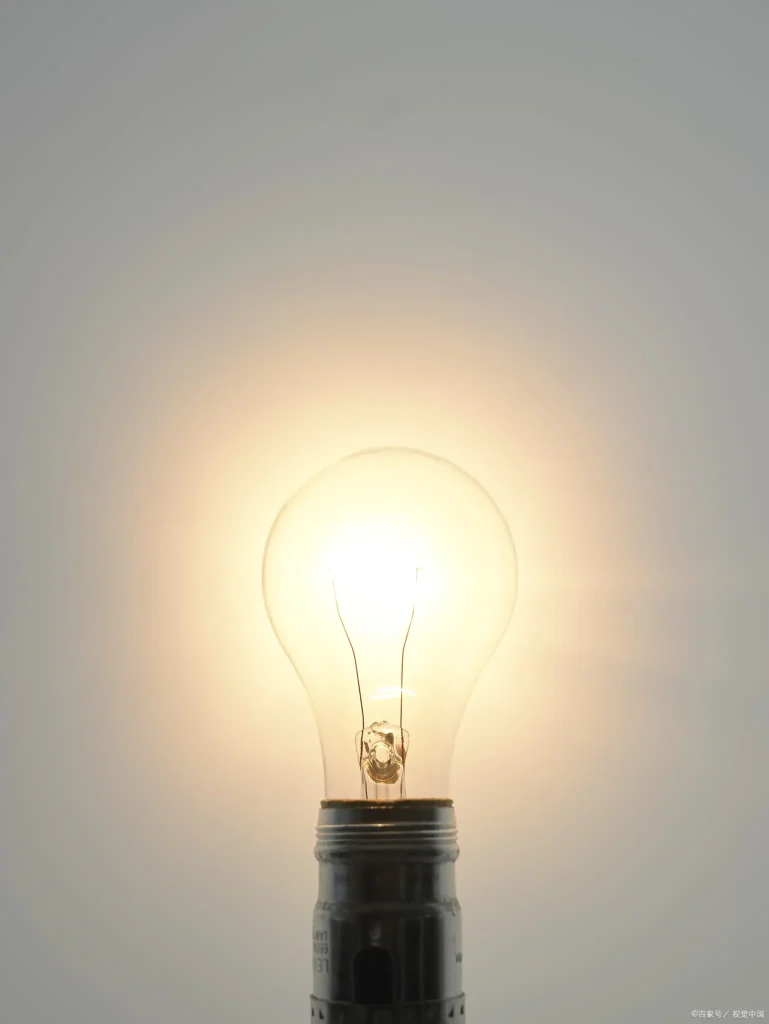
Comparing an air purifier to your home lighting is the easiest way to see how little power consumption is actually happening.
- Old Incandescent Bulb: Uses 60 watts of power.
- Modern LED Bulb: Uses about 8 to 12 watts of power.
- Air Purifier (Low/Eco Mode): Uses around 10 to 20 watts of power.
Running your air purifier on a low or auto setting uses roughly the same amount of electricity as keeping a single traditional light bulb turned on in your living room.
Air Purifier vs. Major Household Appliances
To put your monthly bill into perspective, look at how the wattage of a continuous air purifier stacks up against major household appliances that pull heavy power.
| Appliance | Average Wattage | Electricity Usage Impact |
|---|---|---|
| Air Purifier | 30W – 70W | Very Low (Continuous, steady draw) |
| Laptop Computer | 50W – 100W | Low (Intermittent use) |
| Refrigerator | 100W – 250W | Medium (Cycles on and off 24/7) |
| Plasma/Large LED TV | 150W – 300W | Medium (Only while watching) |
| Space Heater | 1,500W | Extremely High (Heavy draw on utility bills) |
| Central Air Conditioner | 3,500W | Extremely High (Seasonal cost spikes) |
As the data shows, major appliances dwarf the energy consumption of clean air technology. A space heater uses more electricity in one hour than an air purifier does in an entire day of continuous operation.
Benefits of Running Your Air Purifier Continuously
How Continuous Operation Maximizes Clean Air Delivery
Air contamination is a non-stop process. Dust, pet dander, and pollen constantly settle and recirculate in your living space. To keep your indoor air quality at peak levels, running your air purifier 24/7 is the most effective strategy. Continuous operation ensures a steady Clean Air Delivery Rate (CADR), trapping airborne particles through the HEPA filters the moment they enter the room before they can settle on your furniture or floors.
Balancing Energy Costs with Health Benefits
While keeping an appliance running constantly might raise concerns about whether air purifiers run up your electric bill, the actual power consumption is remarkably low. The trade-off between a minimal increase in your monthly bill and the massive health benefits is highly favorable.
| Benefit Category | What You Gain |
|---|---|
| Health & Wellness | Drastic reduction in allergy triggers, asthma attacks, and respiratory irritation. |
| Financial Peace of Mind | Lower medical expenses and fewer sick days outweighing pennies a day in electricity. |
| Home Cleanliness | Less dust accumulation on surfaces, meaning less time spent cleaning. |
When to Turn Off Your Air Purifier
You do not need to keep the unit blasting on high speed at all times. To optimize electricity usage without sacrificing air quality, look for specific windows to power down or lower the settings:
- Extended Travel: Turn the unit off completely when you are away from home for several days.
- Deep Cleaning Windows: While you are doing heavy maintenance, like learning how to clean air filters or swapping out old replacements, shut the power off for safety.
- High Ventilation Days: If the outdoor air quality index (AQI) is perfect and you choose to open all your windows for a natural breeze, you can turn the purifier off temporarily.
Tips to Reduce Air Purifier Electricity Costs
Saving money on your utility bills doesn’t mean you have to sacrifice air quality. By making strategic choices in how you operate your unit, you can keep your electricity usage at a minimum while maintaining a healthy home environment.
Choose ENERGY STAR Certified Models
If you are in the market for a new unit, look for the ENERGY STAR label. These models are roughly 40% more energy-efficient than standard options. They utilize high-efficiency motors and optimized fans to deliver a high clean air delivery rate (CADR) without an expensive power draw.
Optimize Placement for Maximum Airflow
Where you put your air purifier matters. To avoid overworking the motor:
- Keep the unit at least 12–18 inches away from walls or furniture.
- Ensure the intake and outlet vents are completely unobstructed.
- Place the unit in a central location within the room to maximize circulation.
Utilize Timers, Smart Plugs, and Auto Modes
You don’t always need the fan on “High.” Modern units come with features designed to slash monthly bills:
- Auto Mode: Uses built-in sensors to increase fan speed only when pollutants are detected.
- Timers: Set the unit to run only during peak allergy hours or while you are home.
- Smart Plugs: Turn older models into “smart” devices to schedule operation from your phone.
Maintain Regular Filter Replacements
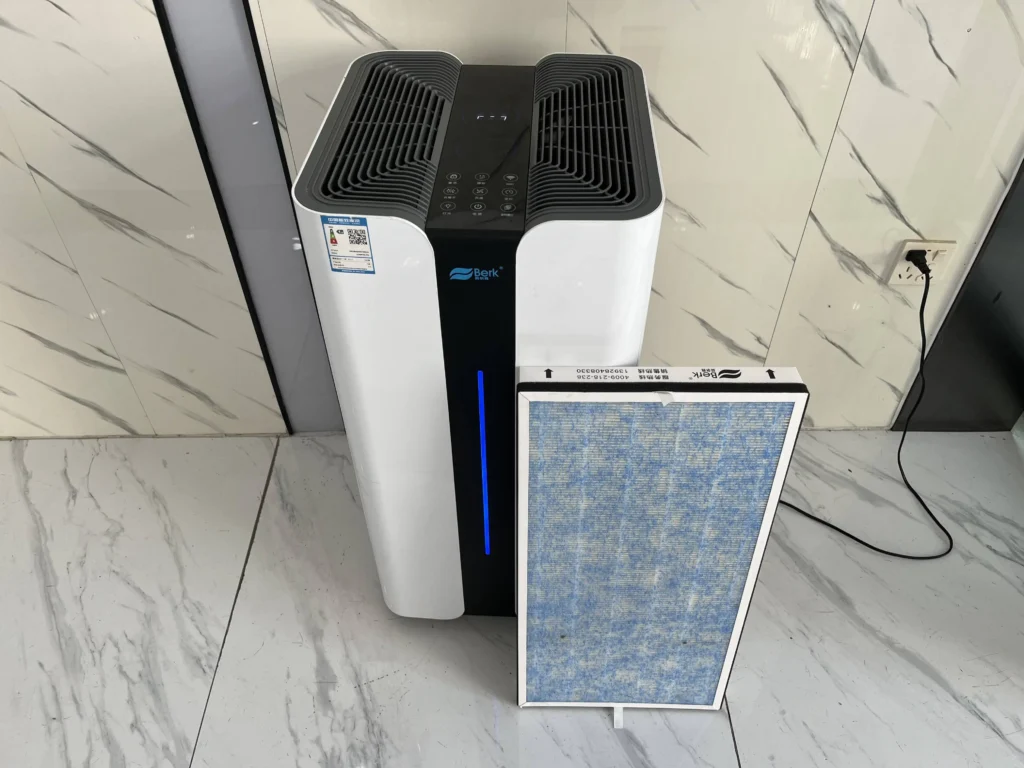
A clogged filter forces the motor to work significantly harder, spiking your power consumption. Regularly replacing your HEPA filters ensures the air flows freely, reducing the strain on the machine. Keeping an eye on the micron rating for air filters helps you choose the right balance between filtration efficiency and airflow resistance.
| Feature | Impact on Cost | Why it Works |
|---|---|---|
| Energy Star | High Reduction | Uses advanced motor technology. |
| Auto Mode | Medium Reduction | Scales power based on real-time air quality. |
| New Filters | Low-Medium Reduction | Lowers resistance, allowing the fan to spin easier. |
| Smart Timers | High Reduction | Prevents unnecessary operation when the room is empty. |
By managing these factors, we ensure our customers enjoy the benefits of continuous operation without seeing a significant jump in their kilowatt-hour usage. Clean air should be accessible, not a financial burden.
Frequently Asked Questions
Will an air purifier significantly increase my utility bill?
No, for most households, the impact is negligible. A modern air purifier usually draws between 30W and 80W, which is comparable to leaving a single traditional light bulb or a small fan running. While it does add to your electricity usage, the monthly increase is typically less than the cost of a fancy cup of coffee.
Are energy-efficient air purifiers worth the extra cost?
Absolutely. Investing in an ENERGY STAR-certified model pays off in the long run. These units are roughly 40% more energy-efficient than standard models. Over a few years, the savings on your utility bills often offset the higher initial price tag, all while providing the same Clean Air Delivery Rate (CADR).
Does running an air purifier on low speed save money?
Yes, it reduces power consumption significantly. Running a unit on its lowest setting can drop the wattage to as little as 5W to 10W. However, low-speed moves less air. To find a balance, many users keep the unit on high for an hour to scrub the room, then switch to a “silent” or low mode for continuous operation throughout the night.
What are the hidden costs of owning an air purifier?
Beyond the monthly bill, the main ongoing expense is maintenance costs. This includes:
- Filter Replacements: High-quality HEPA filters must be swapped every 6–12 months to maintain airflow.
- Sensor Cleaning: Dust on internal air quality sensors can cause “Auto Mode” to run the fan higher than necessary.
- Efficiency Loss: Using clogged filters forces the motor to work harder, increasing energy draw.
Understanding are expensive air filters worth it can help you budget for long-term ownership without overspending on unnecessary features. As an air purifier filter manufacturer, we recommend staying ahead of your replacement schedule to keep your motor running efficiently and your energy costs down.