Understanding Dust Control and Air Purification
Managing indoor air quality requires a proactive approach to dust filtration. Airborne dust is a complex mixture of fine particles, including sloughed-off skin cells, fabric fibers, tracked-in soil, and outdoor pollutants. Left unchecked, these particles continuously recirculate through your living space, settling on surfaces and degrading the air you breathe. Effective dust control relies on capturing these microscopic particles while they are still airborne, preventing them from settling altogether.
Do Air Purifiers Really Remove Airborne Dust?
Yes, high-efficiency air purifiers are highly effective at eliminating airborne dust. While they cannot remove heavy dust that has already settled on your furniture or carpets, they continuously intercept the lightweight airborne particles that float throughout your rooms.
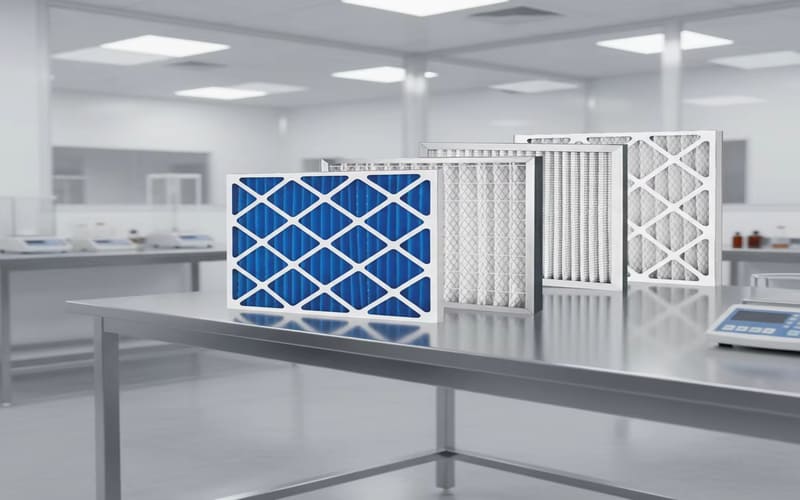
The mechanics of a high-quality dust filtration system involve three primary stages: Pre-filtration: Captures large visible debris like hair, lint, and large dust bunnies. Main Filtration: Utilizes a dense fiber network to trap fine particulate matter down to 0.3 microns. Continuous Circulation: Constantly pulls stagnant air in and pushes clean air out, preventing dust from dropping out of the air stream and onto your floors.
As an air filter manufacturer, we engineer our systems to optimize clean air delivery rate (CADR rating), ensuring that the volume of air moving through the filter exceeds the rate at which new dust enters the space.
How Air Filters Help Reduce Dust Allergies
Accumulated dust is a primary allergy trigger, housing thousands of microscopic dust mites, pet dander elements, and mold spores. When these particles are disturbed by walking or vacuuming, they launch into the breathing zone and irritate human airways.
Integrating a dedicated HEPA filter into your home ventilation setup provides targeted allergen removal by mechanically trapping these irritants.
[Airborne Dust & Allergens] ➔ [Pre-Filter: Large Lint] ➔ [True HEPA: Fine Dust & Mites] ➔ [Clean, Allergen-Free Air]
By maintaining a rigorous filtration schedule, you drastically lower the volume of particulate matter that enters your lungs. This mechanical capture system runs continuously, significantly reducing the frequency of common symptoms like sneezing, nighttime coughing, and congestion.
The Best Air Filters for Dust Control
Finding the best air filter for dust control requires matching the right filtration technology with your specific room size. Standard filters often let fine particulate matter slip through, but high-performance air purifiers designed for dust filtration capture these airborne particles before they settle on your furniture.
If you are looking to tackle dust throughout your entire home via your heating and cooling system, upgrading to high-efficiency furnace filters for airflow and indoor air quality is an excellent first step. For targeted room-by-room purification, standalone units provide the most immediate relief.
Best Overall Air Purifier for Dust Removal
The Coway Mighty (AP-1512HH) stands out as the top performer for everyday dust mitigation. It combines a clean air delivery rate (CADR rating) optimized for rapid air turnover with a multi-stage filtration system.
- Filtration Efficiency: Features a True HEPA filter that captures 99.97% of airborne particles down to 0.3 microns.
- Pre-Filter Advantage: A washable micromesh pre-filter catches heavy dust clumps and pet dander before they reach the main filters, extending the system’s lifespan.
- Smart Eco Mode: Automatically adjusts the CFM capacity based on real-time indoor air quality, saving energy when the room is clean.
Best Air Filter for Large Dusty Rooms
For open-concept spaces and large living areas, the Blueair Blue Pure 211+ is the powerhouse choice. Large rooms require massive air movement to prevent dust from settling, and this unit delivers exceptional volumetric airflow.
- High CADR Rating: Rapidly clears fine particulate matter in spaces up to 540 square feet with a high clean air delivery rate.
- HEPASilent Technology: Combines electrostatic charging with mechanical filtration, allowing the fan to run quieter while maintaining elite filtration efficiency.
- 360-Degree Intake: Draws in dusty air from all sides, making placement highly flexible.
Best Air Filter for Medium-Sized Rooms
The Levoit Core 400S offers the perfect balance of smart features and heavy-duty dust collection for bedrooms and home offices. It is highly effective at neutralizing common allergy triggers like dust mites.
- VortexAir Technology: Creates a tight aerodynamic circulation pattern to pull in distant airborne dust.
- Activated Carbon Layer: Works alongside the HEPA filter to handle light household odors and smoke, alongside physical dust particles.
- App Integration: Allows you to monitor filter life and schedule deep-cleaning cycles during peak dust hours.
Best Budget-Friendly Option for Dust Control
You do not need to break the bank to get clean air. The Levoit Core 300 provides elite particulate capture at a highly accessible price point, making it ideal for smaller rooms or targeted problem areas.
| Feature | Levoit Core 300 Performance |
|---|---|
| Best Room Size | Up to 219 sq. ft. |
| Filter Type | True HEPA + Pre-filter |
| Primary Focus | Fine dust, dander removal, pollen |
| Noise Level | Ultra-quiet sleep mode (24dB) |
This compact unit focuses heavily on mechanical filtration efficiency without expensive electronic add-ons, ensuring your budget goes directly toward stopping dust in its tracks.
Key Features to Look for When Buying
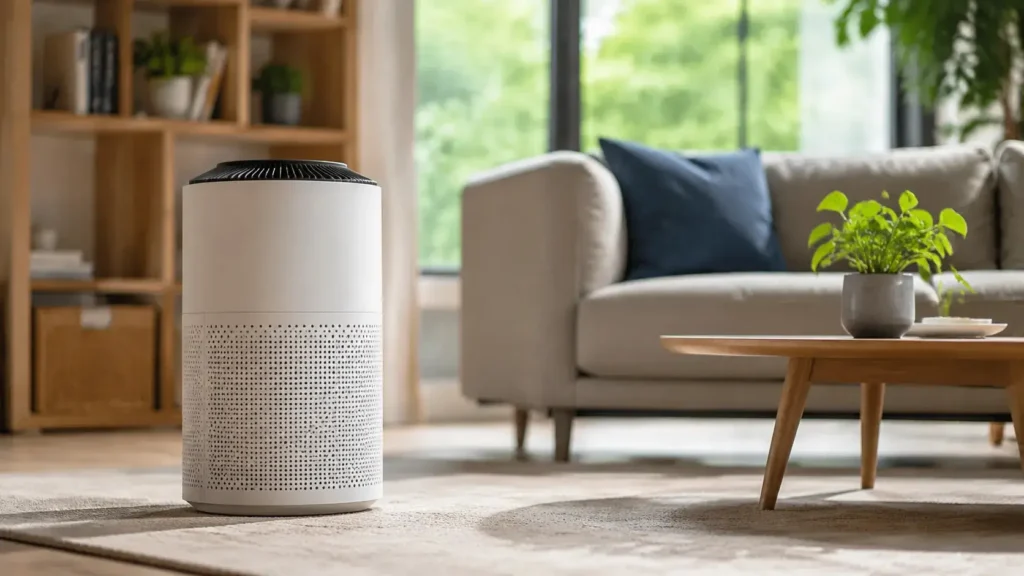
The Importance of True HEPA Filters
When choosing the best air filter for dust control, a True HEPA filter is non-negotiable. True HEPA (High-Efficiency Particulate Air) filters capture 99.97% of airborne particles down to 0.3 microns, including fine dust, dust mites, and pollen. For HVAC systems, matching this efficiency means looking closely at the micron rating for air filters to ensure tiny particulate matter is trapped before it recirculates. If you are currently using a standard filter, you should know when to upgrade from MERV 8 to MERV 13 filters to achieve a higher level of heavy-duty dust filtration across your entire home.
Understanding CADR Ratings for Dust
The Clean Air Delivery Rate (CADR) measures an air purifier’s filtration efficiency and speed. It tells you exactly how many cubic feet of clean air the unit outputs per minute (CFM capacity) for specific pollutants. Here is the example for a medium room (~225 sq. ft.):
| Pollutant Target | Ideal CADR Rating | What It Means |
|---|---|---|
| Dust | 200+ | Fast, continuous dust removal in medium rooms |
| Pollen | 200+ | Excellent allergen removal for seasonal triggers |
| Smoke | 150+ | Effective trapping of ultra-fine particulate matter |
Always choose a unit with a dust CADR rating that matches or exceeds your specific room size to keep indoor air quality high.
Assessing Performance and Noise Levels
High-performance dust control shouldn’t come with a deafening hum. Look for units that utilize high-efficiency fan motors to maximize home ventilation without sacrificing peace and quiet.
- Low Speed (Sleep Mode): Keeps noise levels around 20–25 dB for undisturbed sleep.
- High Speed (Turbo Mode): Boosts air circulation to clear airborne dust quickly after vacuuming or dusting.
- Carbon Integration: Models that pair a True HEPA filter with an activated carbon layer handle both heavy dust and unwanted odors simultaneously.
Specialized Dust Control Scenarios
Best Air Purifiers for Dust and Pet Hair
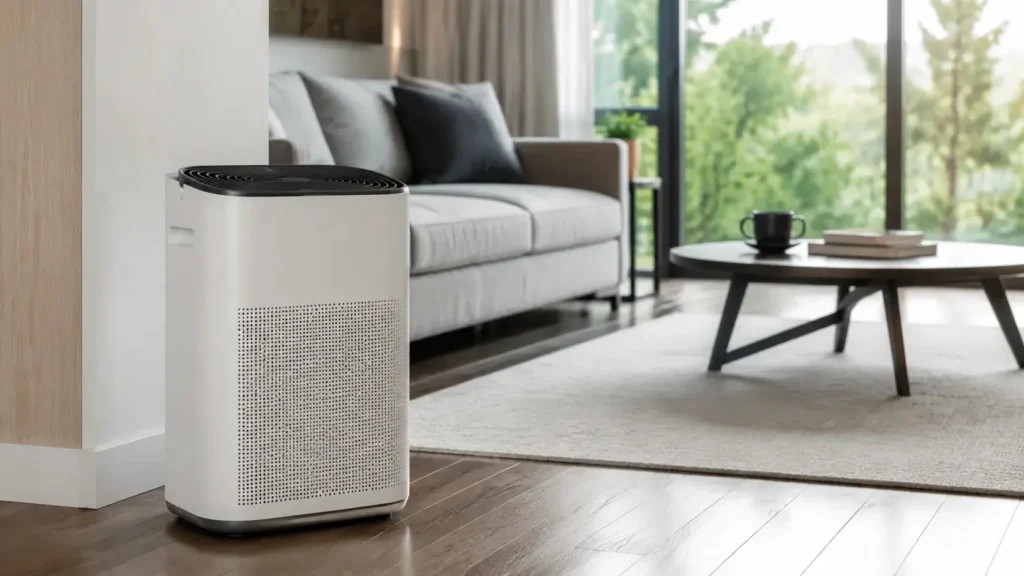
When you are dealing with both heavy dust buildup and shedding pets, a standard filter won’t cut it. Pet dander and floating fur quickly clog up standard filters, reducing their overall filtration efficiency. To tackle this combo, we design systems with a robust, cleanable pre-filter that captures large fur clumps before they reach the main stage.
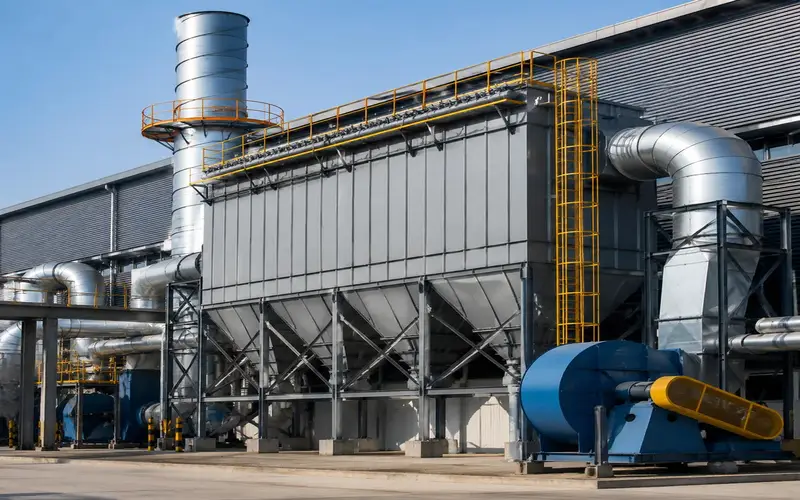
For the ultimate defense, pairing a high-capacity unit with a True HEPA filter ensures that tiny airborne particles, pet dander, and microscopic dust mites are trapped for good. If you notice an influx of debris in industrial or commercial spaces, using specialized industrial air filters can drastically cut down on airborne loads, keeping your indoor air quality high and preventing your main ventilation system from choking on hair.
Handling Airborne Dust, Mold, and Odors
Dust rarely travels alone; it is often accompanied by mold spores and unpleasant odors. Standard dust filtration captures the physical particles, but true ambient remediation requires a multi-stage approach.
- True HEPA Filtration: Targets the physical airborne dust and microscopic mold spores to stop allergy triggers in their tracks.
- Activated Carbon Layers: Absorb volatile organic compounds (VOCs), smoke, and musty smells that cling to dust particles.
- High CADR Rating: Ensures rapid air exchange, filtering out contaminants before they settle on surfaces.
By combining particulate capture with gas-phase carbon filtration, you eliminate the visible dust while neutralizing the invisible threats that compromise your environment.
How to Maximize Dust Removal in Your Home
Getting the best air filter for dust control is only half the battle; you also need to know how to use it effectively. Maximize your dust filtration and improve your indoor air quality with a strategic approach to placement, room management, and upkeep.
Where Should I Put My Air Purifier for Dust?
To trap airborne particles before they settle on your furniture, placement is everything.
- Keep it off the floor: Elevate the unit on a side table or nightstand to capture floating dust mites and dander removal more effectively.
- Avoid corners and walls: Place the purifier at least 1–2 feet away from walls and furniture to ensure unobstructed airflow.
- Put it near the source: Keep the unit close to dust hotspots, such as near pet beds, high-traffic entryways, or open windows.
How to Purify the Air in a Very Dusty Room
If you are dealing with heavy particulate matter, a standard cleaning routine won’t cut it. You need to create a high-efficiency circulation loop to clear the air quickly.
| Step | Action | Why It Works |
|---|---|---|
| 1 | Run on High | Crank the air purifier to its maximum clean air delivery rate (CADR rating) for the first few hours. |
| 2 | Improve Circulation | Turn on your HVAC system ceiling fan to keep dust from settling before the HEPA filter can catch it. |
| 3 | Vacuum Smart | Use a vacuum with a sealed HEPA system so you don’t blow fine dust back into the room. |
Filter Maintenance and Replacement Tips
A clogged filter drops your system’s clean air delivery rate significantly and strains your unit. To maintain maximum filtration efficiency against allergy triggers, you must stay on top of your schedule.
Regularly vacuum the fabric pre-filter to remove large chunks of pet hair and visible dust buildup. However, the main True HEPA filter cannot be washed and must be swapped out entirely to keep your home ventilation running smoothly. Knowing how often to change your air purifier filter ensures you never breathe in bypassed dust and guarantees your machine operates at peak performance year-round.