Think you need a trip to the mechanic just to swap out a dirty filter? Think again.
Learning how to change a car air filter is hands-down the easiest DIY job to boost your engine’s performance, improve fuel economy, and save money. Having swapped out countless filters over the years, I can tell you that maintaining a clean engine air filter is the ultimate low-cost vehicle care habit.
In this guide, you’re going to learn the telltale signs your filter is clogged, how to tell the difference between an engine air filter and a cabin air filter, and a simple, step-by-step process to master how to change your car air filter in under ten minutes.
Why Replacing Your Car Air Filter Is Important
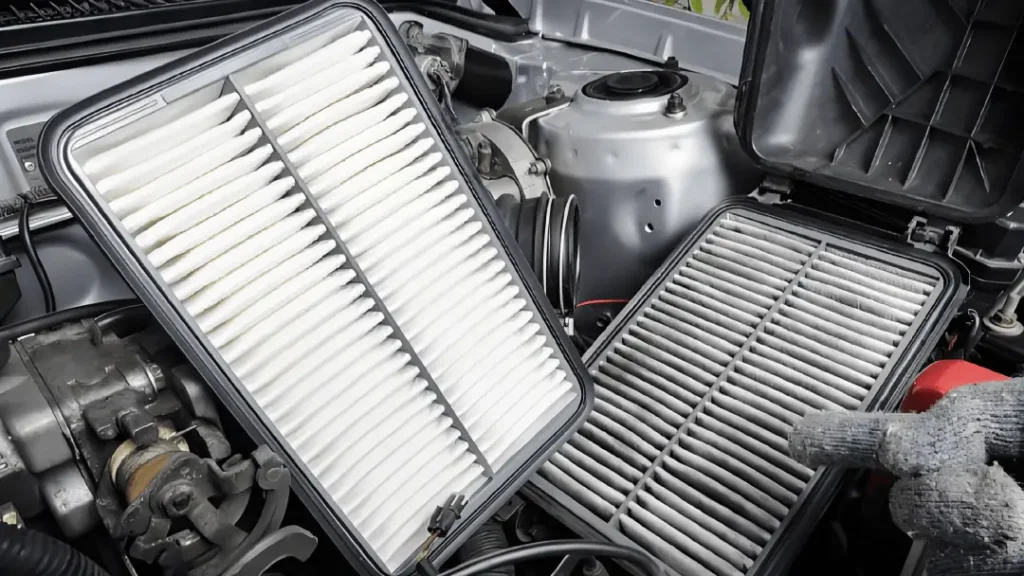
Routine vehicle maintenance requires high-efficiency air filtration. As an expert car air filter manufacturer, we engineer precision filtration solutions that protect critical automotive components while ensuring optimal vehicle operation. Replacing clogged filters preserves both mechanical health and passenger comfort.
Key Benefits of a Clean Air Filter
Maintaining clean filtration directly impacts vehicle efficiency and longevity.
- Improved Engine Performance: Maximizes horsepower and acceleration by delivering clean, unrestricted airflow.
- Enhanced Fuel Economy: Maintains proper air-fuel ratios to prevent unnecessary fuel consumption.
- Engine Protection: Traps dust, dirt, and debris before they score cylinder walls and pistons.
Signs Your Air Filter Needs Replacing
Watch for these common dirty air filter signs to determine when a replacement is due:
- Decreased Acceleration: Sluggish throttle response during acceleration.
- Unusual Engine Noise: Idle coughing, spitting, or unusual vibration.
- Check Engine Light: Airflow sensors trigger diagnostic trouble codes.
- Dark, Sooty Filter Media: Visibly dirty or obstructed filter pleats.
Engine Air Filter vs. Cabin Air Filter
Vehicles rely on two distinct filters to ensure mechanical safety and passenger wellness.
| Feature | Engine Air Filter | Cabin Air Filter |
|---|---|---|
| Location | Under the hood inside the air filter housing | Behind the glove box or dashboard |
| Function | Protects engine combustion chambers from debris | Cleans air entering the passenger compartment |
| Direct Benefit | Restores engine performance & fuel economy | Elevates air quality & HVAC defrosting efficiency |
How Often Should You Replace Your Air Filter?
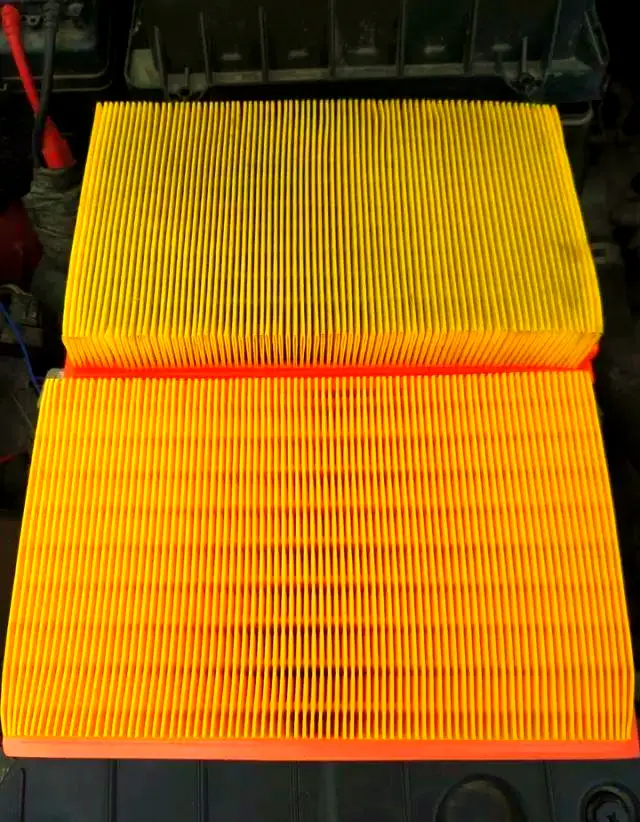
Knowing when to service your vehicle keeps engine performance high and prevents unnecessary wear. While every vehicle varies slightly, sticking to a consistent vehicle maintenance schedule ensures smooth airflow and clean combustion.
Recommended Replacement Intervals
For most standard driving conditions, follow these baseline intervals:
- Engine Air Filter: Replace every 12,000 to 15,000 miles (or roughly once a year).
- Cabin Air Filter: Replace every 15,000 to 30,000 miles.
Always consult your vehicle owner’s manual for specific manufacturer guidelines. For additional insights on overall filter longevity, check our detailed breakdown on how often to change air filter setups across different applications.
Factors That Impact Filter Lifespan
Your actual replacement schedule depends heavily on driving conditions:
| Driving Condition | Impact on Filter Life | Recommended Action |
|---|---|---|
| Unpaved / Gravel Roads | High dust buildup in the intake box | Inspect filter every 6,000 miles |
| Heavy Traffic & Pollution | Excessive soot accumulation | Replace closer to 10,000 miles |
| High Pollen / Extreme Climates | Clogged media restricting airflow | Inspect prior to seasonal shifts |
| Standard Highway Commuting | Minimal stress on filter media | Follow standard 15,000-mile interval |
Tools and Materials Needed Before You Start
Finding the Right Replacement Air Filter
Before diving into how to change car air filter units, you need the correct replacement part on hand. As a dedicated car air filter manufacturer, we always stress that exact fitment is non-negotiable. An improperly sized filter leaves gaps that let abrasive dust pass right into your engine, while an oversized unit prevents the housing cover from sealing shut.
To secure the right fit for your vehicle:
- Check your owner’s manual: Look up the exact part number listed for your vehicle’s engine air filter or cabin air filter.
- Match specs: Verify the shape, depth, and rubber perimeter seal against your original filter.
- Prioritize quality media: Choose a filter engineered to balance maximum airflow with strict particulate filtration.
Essential Tools Required for DIY
One of the best aspects of this DIY auto repair task is how few tools it requires. Many modern vehicles are designed for tool-free filter swaps, but having a basic kit ready ensures a seamless job.
Gather these standard items before opening the hood:
- Screwdrivers: A standard Phillips or flathead screwdriver opens the hose clamps or fasteners securing the air filter housing.
- Socket wrench set: Some auto manufacturers use 8mm or 10mm hex bolts to secure the filter box lid.
- Spring clips: Many intake boxes simply use metal spring clips that unlatch by hand without tools.
- Cleaning rag or vacuum: Used to clear loose dirt and debris out of the lower air filter housing before dropping in the new filter.
How to Change Your Engine Air Filter Step-by-Step
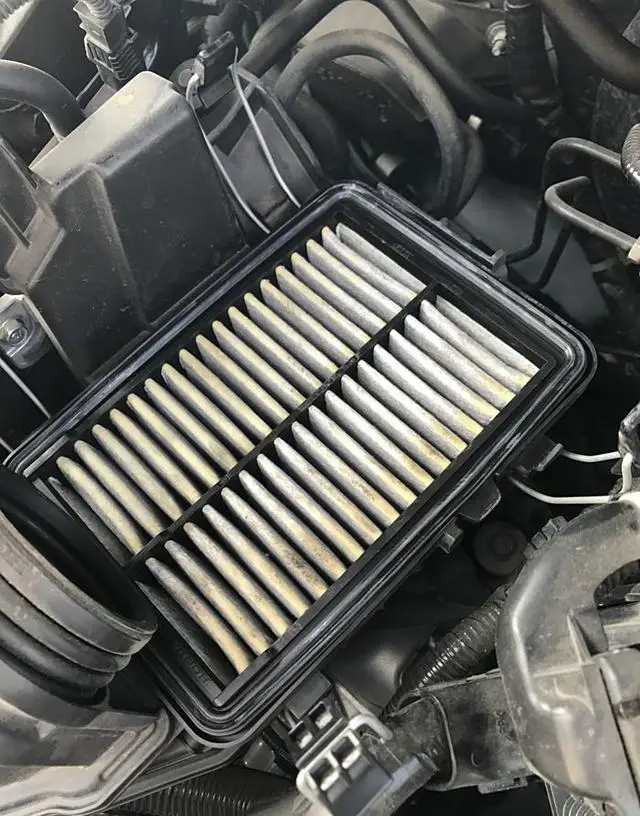
Swapping out a dirty engine air filter is one of the easiest DIY auto repair tasks you can perform at home. As a car air filter manufacturer, we design our filters for exact fitment, making this quick maintenance job simple enough to complete in under 15 minutes. Here is how to change car air filter units step-by-step to restore proper airflow and engine performance.
Step 1: Locate and Open the Air Filter Housing
Park your vehicle on a level surface, turn off the engine, and pop the hood.
- Find the intake box: Look for a large black plastic box sitting near the engine intake hose. If you aren’t sure where to look under the hood, read our guide on where the air filter is located for detailed vehicle layouts.
- Unfasten the housing cover: Most modern vehicles secure the lid using quick-release spring clips or metal latches. If your filter box uses fasteners, use a screwdriver or socket wrench to loosen the screws holding the housing cover shut.
Step 2: Remove the Old Filter and Clean the Housing
Carefully lift open the lid of the air filter housing to expose the old filter element.
- Pull out the old filter: Lift the dirty filter out of the tray. Pay attention to which direction the pleats face so you can orient the new one correctly.
- Clear out debris: Dirt, leaves, and bugs often gather at the bottom of the intake box. Wipe the inside of the box clean with a damp rag or use a vacuum to clear out loose particles. If you are working with a reusable filter instead of replacing it, check out our guide to clean your air filter step-by-step.
Step 3: Insert the New Filter and Secure the Cover
Installing the new engine air filter ensures optimal fuel economy and keeps unwanted contaminants out of your engine.
- Fit the new unit: Drop the replacement filter into the housing tray. Ensure the rubber seal sits completely flush around all edges to prevent unfiltered air from bypassing the seal.
- Close and fasten: Align the housing cover, snap the spring clips back into place, or tighten the screws firmly. Double-check that the cover is completely sealed around the perimeter.
When to Consider Professional Service
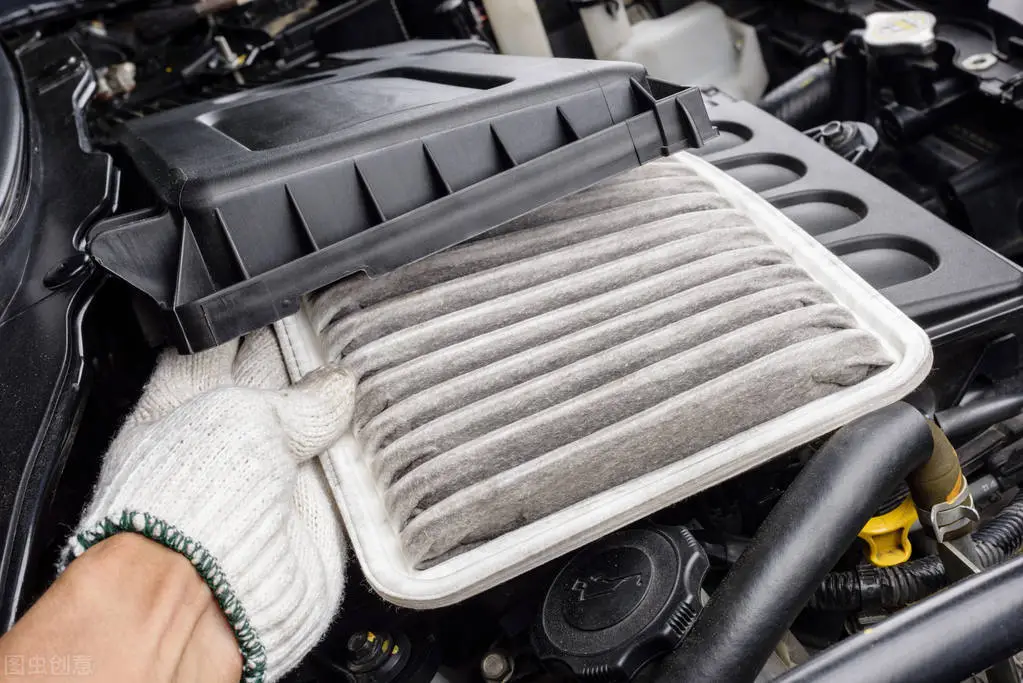
While learning how to change car air filter units is a manageable task for most drivers, some situations require an expert hand. Knowing when to step back protects your vehicle from unintended damage.
Common Installation Challenges
Even straightforward DIY auto repair projects can hit unexpected snags: Stuck or Corroded Fasteners: Metal spring clips and housing screws under the hood can rust or strip over time. Tight Work Spaces: Certain vehicle models require removing intake tubes or interior trim behind the glove box just to reach the housing cover. Filter Alignment Issues: If a filter is forced in backward, dust bypasses the seal, compromising overall airflow and engine protection.
If you are dealing with hard-to-reach interior components, review our guide on how to change a cabin air filter before applying excessive force.
When to Schedule Professional Maintenance
As a dedicated car air filter manufacturer, we engineer filters for smooth replacement. However, we recommend scheduling professional vehicle maintenance if: The plastic air filter box or latches are cracked or broken. Fasteners are stripped, rusted shut, or missing entirely. Check engine lights, bad fuel economy, or rough idling persist after changing the engine air filter.
Comparing your options? Checking how much an air filter costs beforehand helps you decide whether to complete the job yourself or hand the keys to a certified mechanic.