Are you struggling to pinpoint how often bag filters should be changed in your facility? Swap them out too early, and you’re throwing maintenance budget away; wait too long, and you risk severe equipment damage, skyrocketing energy costs, and unexpected downtime.
As an industrial filtration specialist, I know that keeping your systems running efficiently comes down to a clear strategy—not guesswork. In this guide, you’ll learn how to establish ideal replacement schedules for both baghouse dust collectors and liquid filter bags, spot warning signs like elevated differential pressure readings or visible dust leakage, and master the core factors that stretch your overall filter bag lifespan.
How Often Should Bag Filters Be Changed?
Replacing bag filters at the optimal interval guarantees peak filtration efficiency, maintains steady flow rates, and protects downstream equipment from damage. The exact replacement timeline depends on whether you operate dry air baghouse systems or liquid filtration lines, alongside your specific operating conditions.
General Timeframes for Baghouse Dust Collectors
Industrial baghouse filters generally require replacement every 1 to 3 years under standard operating conditions.
- Heavy-Duty Processing: Systems exposed to abrasive particulates, high operating temperatures, or aggressive gas chemistry require bag changes every 6 to 12 months.
- Light to Medium-Duty Processing: Standard woodworking, ambient grain handling, or light powder collection bags last 2 to 3 years.
- Low-Load Applications: Intermittent dust collectors with low dust loading can extend filter bag lifespan up to 3 to 5 years with proper cleaning mechanism upkeep.
Standard Schedules for Liquid Filter Bags
Liquid filter bags operate under continuous hydraulic pressure and accumulate solid loads quickly, resulting in shorter service cycles than air filters.
- Batch Production: Replaced after every batch run to prevent product contamination and maintain batch consistency.
- Continuous Industrial Lines: Swapped every 1 to 4 weeks depending on liquid viscosity, particulate volume, and target flow rate.
- High-Purity Filtration: Replaced every 1 to 7 days to guarantee absolute micron retention and prevent pressure drop spikes.
Condition-Based vs. Time-Based Replacement Schedules
While strict time-based schedules provide a predictable calendar routine, adopting a condition-based replacement schedule minimizes downtime and optimizes total filter media utility.
| Strategy | Operational Approach | Primary Advantage |
|---|---|---|
| Time-Based | Swapping filter bags at fixed time intervals (e.g., monthly or annually). | Simplifies scheduling; essential for strict regulatory compliance. |
| Condition-Based | Swapping filter bags when real-time performance indicators hit specific thresholds. | Maximizes bag lifespan and reduces overall media expenditure. |
Key indicators for condition-based replacement include:
- Differential Pressure (Delta P): Reaching a pressure drop threshold of 10–15 PSI for liquid systems or 6–8 inches w.g. for baghouse dust collectors.
- Flow Rate & Suction Loss: Significant reductions in liquid velocity or collector suction power due to surface blinding.
- Particulate Bleed-Through: Unintended dust emissions or liquid turbidity signaling fabric tears or mechanical seal bypass.
Top Signs Your Bag Filters Need Replacement
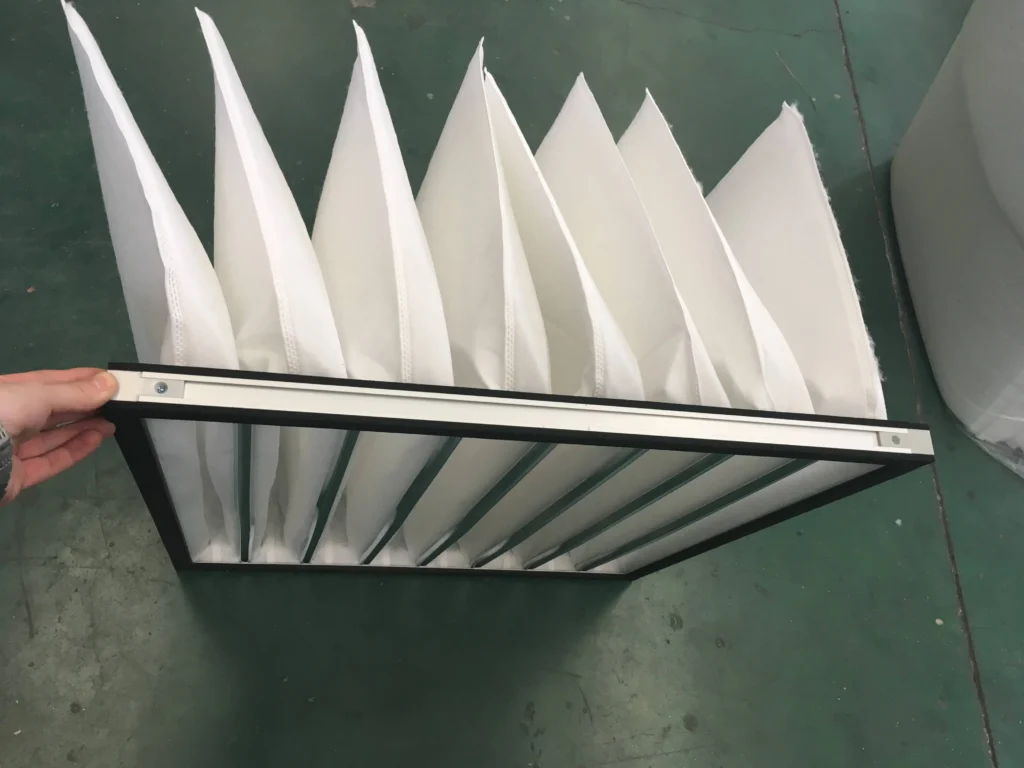
Knowing how often should bag filters be changed starts with listening to your dust collector. While routine schedules give you a baseline, your equipment shows clear warning signs when the filter media reaches the end of its useful lifespan. Spotting these issues early prevents unplanned downtime and protects your air quality.
Elevated Differential Pressure Readings
Your differential pressure gauge is the single most reliable indicator of filter health. As dust cakes onto baghouse filters, resistance increases, driving up the pressure drop across the system.
| Differential Pressure Level | Filter Condition | Action Required |
|---|---|---|
| Normal (2–4 inches W.C.) | Clean / Optimal | Routine monitoring |
| Elevated (5–6 inches W.C.) | Loading Dust | Order replacement filter bags |
| Critical (6+ inches W.C.) | Permanently Blinded | Replace filter bags immediately |
If standard cleaning pulses no longer lower the differential pressure back into your target range, the filter media is saturated and needs changing.
Reduced Airflow and System Suction
When dust collection efficiency drops, suction power at your pickup hoods decreases noticeably. This airflow reduction happens because high pressure drop starves the exhaust fan, forcing your system to work harder while moving less volume.
- Weak Hood Suction: Dust or fumes linger around machinery instead of clearing out.
- Ductwork Settling: Reduced flow rate causes heavy particulates to drop out and pile up inside ductwork.
- Velocity Shifts: System imbalances alter normal operational dynamics and the recommended can velocity of bag filters, leading to uneven filter wear.
Visible Dust Leakage or Bleed-Through
A properly sealed dust collector should show zero visible dust emissions at the exhaust stack. Seeing particulate bleed-through or dust clouds points to immediate hardware failure.
- Torn Seams or Ruptures: Abrasive materials or physical flexing can rip fabric seams open.
- Improper Sealing: Loose snap rings or misaligned cages allow unfiltered air to bypass the bag collar.
- Media Degradation: Aggressive fluid or gas chemistry breaks down fibers, allowing micro-particles through.
Physical Filter Blinding and Fabric Wear
A quick visual inspection during scheduled maintenance reveals physical wear long before total filter failure occurs.
- Filter Blinding: Particulates become deeply embedded in the filter media, creating a hard, caked layer that pulse-cleaning cannot remove.
- Abrasive Thinning: High-velocity inlet dust acts like a sandblaster, wearing the fabric thin near the bottom of the bags.
- Brittle or Crunchy Texture: Operating conditions with excessive heat or moisture cause fibers to harden, crack, and lose structural integrity.
Key Factors Influencing Bag Filter Lifespan
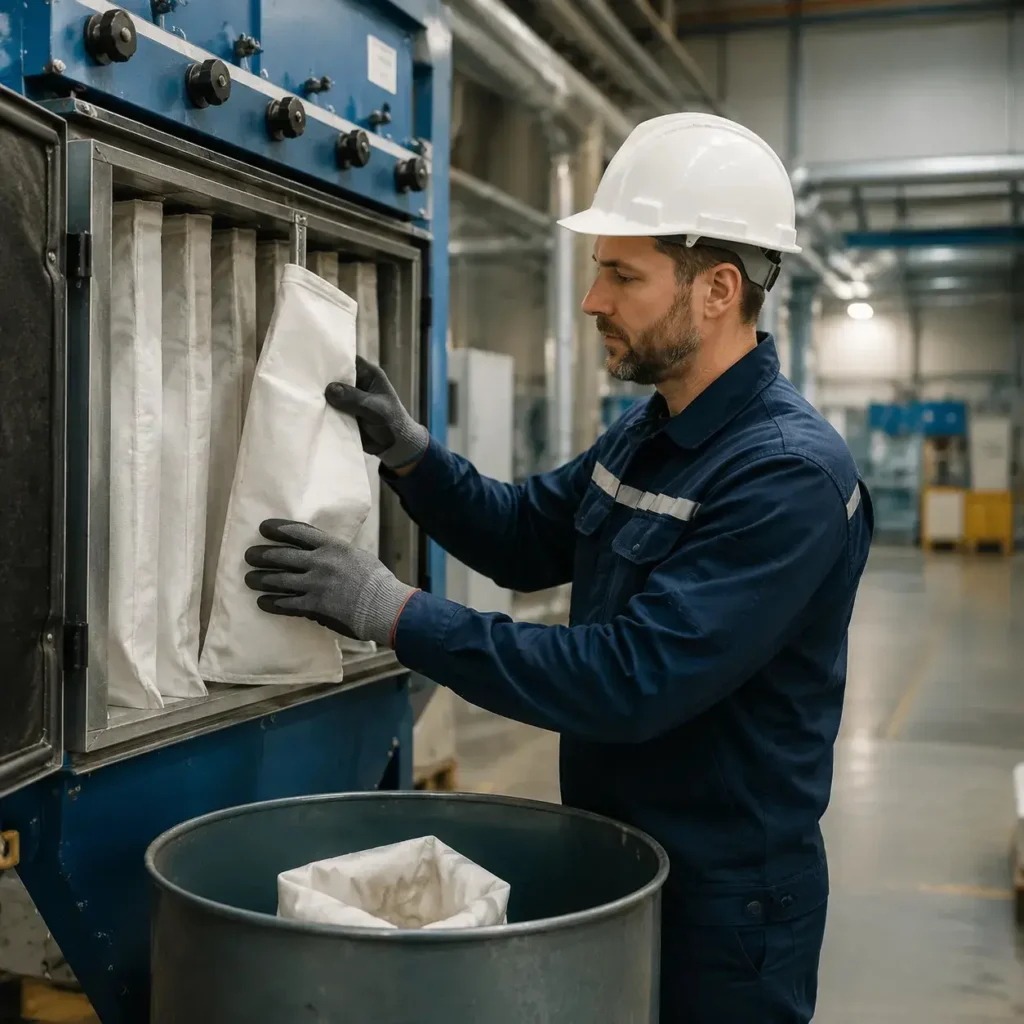
Determining how often should bag filters be changed depends heavily on your system’s specific operating conditions rather than a simple calendar schedule. As a dedicated bag filter manufacturer, we see firsthand how four key operational variables dictate overall filter bag lifespan.
Operating Temperature and Fluid/Gas Chemistry
Extreme temperatures and harsh chemical environments significantly shorten filter bag lifespan.
- Thermal Degradation: Exceeding a filter’s maximum continuous operating temperature weakens the fibers, leading to tears and premature structural failure.
- Chemical Attack: Acidic or alkaline compounds, along with high moisture levels, cause hydrolysis and rapid chemical degradation of standard filter media like polyester.
- Gas Chemistry: Corrosive gas chemistry requires specialized synthetics such as Nomex, P84, or PTFE to maintain integrity under aggressive industrial conditions.
Volume and Characteristics of Filtered Materials
The physical properties and total volume of the dust or liquid being processed directly dictate how rapidly the media wears down.
- Dust Load & Flow Rate: Heavy particulate loads increase mechanical strain and accelerate surface buildup on the filter bags.
- Particle Abrasion: Sharp or heavy industrial dust acts like sandpaper, scouring the fabric and thinning the filter walls over time.
- Moisture & Stickiness: Hygroscopic or oily particulates cause blinding, making it impossible to clear depth-loaded material and leading to permanent pressure drops.
Filter Bag Material Quality and Protective Coatings
The quality of the filter media and applied surface treatments determines how well the bag resists wear and maintains efficiency.
- Media Selection: Choosing the correct synthetic fiber for your dust collector prevents early blinding and fabric fatigue. When evaluating options, comparing filters for resistance and efficiency helps balance initial flow performance with long-term durability.
- Protective Coatings: Oleophobic, hydrophobic, and PTFE membrane finishes stop fine particles from penetrating the core fibers, ensuring smooth dust cake release during cleaning cycles.
Dust Collector Cleaning Mechanism and Frequency
The cleaning system on your dust collector heavily impacts mechanical stress on the fabric.
- Over-Cleaning Risks: Excessively frequent pulse-jet cleaning or overly high PSI blasts cause severe fabric fatigue and micro-tears in the filter media.
- Under-Cleaning Risks: Infrequent cleaning allows dust cakes to compact, driving elevated differential pressure and permanently choking system airflow.
- Optimal Calibration: Balancing pulse frequency and air pressure optimizes dust collection efficiency while maximizing overall bag life.
Why Regular Bag Filter Replacement Matters
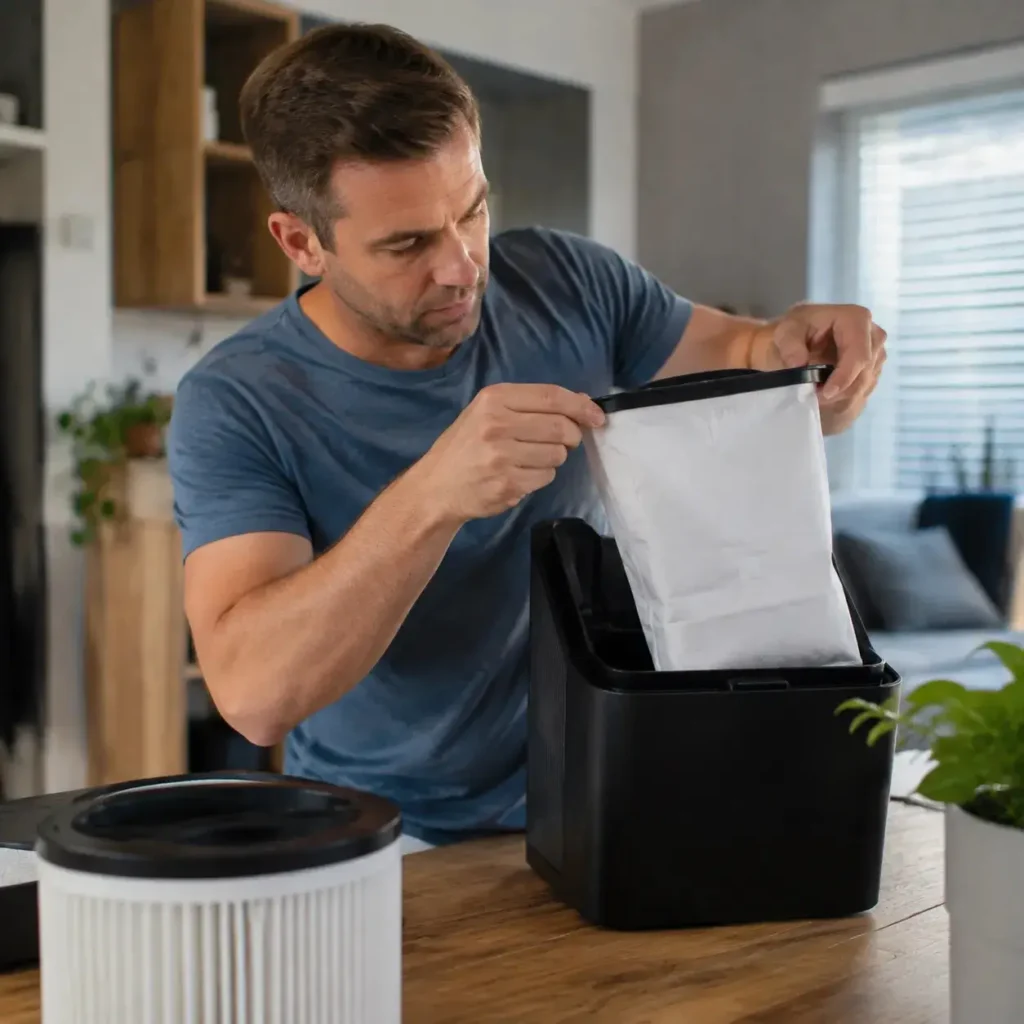
Staying on top of your filter replacement schedule is essential for keeping your entire operation running smoothly. As a bag filter manufacturer, we see firsthand how delaying routine maintenance degrades system performance and drives up operational costs, regardless of what bag filters are used for in your facility.
Maintaining Peak Filtration Efficiency
Over time, particles embed deep into the filter media, causing blinding and reducing overall dust collection efficiency. When filters pass their optimal lifespan, particulate bleed-through occurs, leading to elevated dust emissions and compromised product purity. Replacing filters on time ensures consistent particle capture and compliance with ambient air and liquid purity standards.
Protecting Downstream Equipment from Damage
A torn or completely blinded filter bag allows abrasive dust and debris to bypass the filter chamber entirely. Dust escape rapidly erodes exhaust fan blades, damages blowers, and fouls downstream liquid pumps. Proactive preventative maintenance shields critical, high-value machinery from expensive mechanical wear and premature failure.
Lowering Energy Costs and System Downtime
Operating with heavily loaded bags forces system fans and pumps to work exponentially harder, driving up energy bills.
- Energy Savings: Excessive differential pressure increases power draw. Changing out loaded bags restores normal baseline pressure drop, instantly reducing electricity demand.
- Airflow Recovery: Clean bags prevent severe airflow reduction, maintaining total suction power and optimized air filter airflow.
- Downtime Control: Planned filter changeouts eliminate catastrophic bag ruptures that cause unexpected, costly facility shutdowns.
Best Practices for Bag Filter Maintenance
Keeping an optimal schedule for how often should bag filters be changed requires proactive preventative maintenance rather than waiting for complete system failure. As a bag filter manufacturer, we recommend three core practices to maximize filter bag lifespan and maintain top dust collection efficiency.
Routine Differential Pressure Monitoring
Tracking differential pressure across your dust collector provides clear insight into filter health. Monitoring this pressure drop helps you determine exact replacement timing before airflow reduction impacts production.
- Baseline Tracking: Record differential pressure right after installing new baghouse filters.
- PSI Thresholds: Plan bag replacement when differential pressure consistently exceeds 6–8 inches of water gauge.
- Automated Logging: Use digital pressure transmitters for continuous monitoring and alert triggers.
Conducting Scheduled Visual Inspections
Routine visual checks catch mechanical damage before dust emissions compromise downstream equipment.
| Inspection Area | Key Focus Area | Recommended Action |
|---|---|---|
| Filter Media | Fabric wear, tears, or heavy blinding | Replace damaged filter bags immediately |
| Clean-Air Plenum | Dust trails or signs of bleed-through | Re-seat bags and verify seal integrity |
| Pulse-Jet Valves | Weak air blasts or sticky solenoids | Clean or replace diaphragm valves |
Ensuring Proper Filter Selection and Installation
Selecting the right filter media based on gas chemistry, operating temperature, and flow rate prevents early bag failure. Whether using a liquid filter bag or dry baghouse filters, improper sizing accelerates wear and lowers suction power.
During replacement, ensure proper seating and clamping to avoid bypass leaks. Following correct alignment procedures—much like utilizing a proper air filter installation guide—guarantees a tight seal. For facility-wide air management, combining robust baghouses with the best air filters for dust control maintains consistent air purity across all operations.