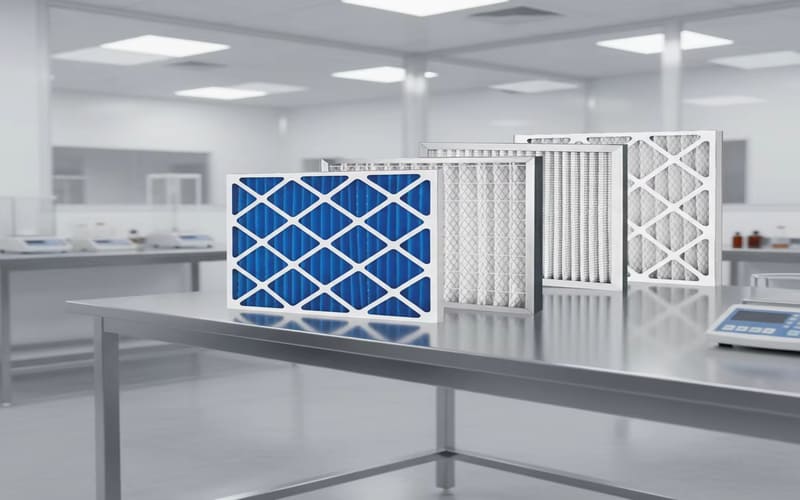
Are you tired of wondering if your home’s air filter is actually doing its job? Making the choice to upgrade from MERV 8 to MERV 13 can completely transform your indoor air quality—but it can also put a serious strain on your HVAC system if you aren’t careful.
As someone who has spent years helping homeowners optimize their heating and cooling systems, I know that finding the perfect balance between air filter efficiency and HVAC system restriction isn’t always straightforward. A higher MERV rating means catching more wildfire smoke, severe allergies, and pet dander, but is it worth the potential hit to your energy bills?
In this quick guide, you’ll learn exactly when to upgrade, how to test your system’s compatibility, and how to protect your equipment while breathing cleaner air.
Understanding MERV Ratings and Air Filter Efficiency
Managing indoor air quality effectively requires a clear understanding of how air filters are measured and rated. As a premier MERV filter manufacturer, we engineer solutions that balance superior filtration with optimal system performance. Choosing the right filter begins with understanding the industry standard for efficiency.
What is a MERV Rating?
MERV stands for Minimum Efficiency Reporting Value. It is a standardized rating system developed by the American Society of Heating, Refrigerating, and Air-Conditioning Engineers (ASHRAE) to evaluate the effectiveness of an air filter.
- The Scale: Ratings range from MERV 1 to MERV 16 for standard residential and commercial applications.
- The Metric: A higher MERV rating indicates a higher capture efficiency for smaller microscopic particles.
- The Goal: It measures a filter’s ability to trap specific sizes of particulate matter as air passes through your HVAC system.
| MERV Rating Range | Typical Particle Size Trapped | Common Applications |
|---|---|---|
| MERV 1 – 4 | > 10.0 microns | Basic residential, window AC units |
| MERV 5 – 8 | 3.0 to 10.0 microns | Standard residential HVAC, commercial buildings |
| MERV 9 – 12 | 1.0 to 3.0 microns | Superior residential, hospital laboratories |
| MERV 13 – 16 | 0.3 to 1.0 microns | General surgery, smoking lounges, high-end green buildings |
How MERV Ratings Impact Indoor Air Quality
Your choice of air filter ratings directly determines the purity of your indoor breathing environment. Low-rated filters only catch large debris to protect the equipment, while higher-rated filters actively purify the air you breathe.
- Trapping Small Particles: Higher MERV filters block fine dust and pollen, pet dander, mold spores, and even bacteria.
- Health and Respiratory Wellness: Upgrading your rating minimizes airborne allergens, reducing asthma triggers and respiratory irritation.
- Comprehensive Protection: Advanced filtration levels assist with virus filtration, trapping the tiny respiratory droplets that carry airborne pathogens.
Selecting the ideal MERV rating ensures your property maintains pristine indoor air quality without causing unnecessary airflow reduction or strain on your system.
MERV 8 vs. MERV 13: Key Differences Explained

Choosing between a MERV 8 and a MERV 13 filter comes down to balancing filtration power with system performance. As a MERV filter manufacturer, we see firsthand how upgrading impacts both indoor air quality and your HVAC system. While both options keep your equipment safe, they target entirely different sizes of airborne particulate matter.
For a complete breakdown of intermediate options, you can explore our MERV 8 vs. MERV 11 air filters guide for home HVAC to see how mid-tier filtration compares.
What MERV 8 Filters Capture
A MERV 8 filter serves as an excellent baseline for residential HVAC systems. It is designed primarily to capture larger airborne contaminants to protect your heating and cooling equipment from dust buildup.
- Dust and pollen: Easily traps large seasonal allergens.
- Dust mites: Filters out common household microscopic pests.
- Mold spores: Prevents mold particles from circulating through rooms.
- Capture efficiency: Traps roughly 70% to 85% of large particles (3.0 to 10.0 microns), but drops below 20% for small particles under 1.0 micron.
What MERV 13 Filters Capture
Upgrading to a MERV 13 filter significantly boosts your capture efficiency against microscopic threats. This level of filtration is common in commercial buildings and high-end residential setups where superior air purification is a priority.
- Small particles & smoke: Traps wildfire smoke, smog, and fine particulate matter (PM2.5).
- Airborne droplets: Offers efficient virus filtration by capturing bacteria and sneeze droplets.
- Pet dander & allergens: Traps fine dander that bypasses lower-rated filters.
- Capture efficiency: Grabs over 90% of large particles and up to 50% of tiny particles down to 0.3 microns.
Airflow and HVAC System Restriction
The tighter weave required to catch smaller particles naturally increases static pressure. If your blower motor is not designed to handle this resistance, it can lead to airflow reduction and increased system strain.
| Feature | MERV 8 Filter | MERV 13 Filter |
|---|---|---|
| Primary Protection | HVAC Equipment & Large Dust | Fine Particles & Health/Hygiene |
| Air Restriction Level | Low | Moderate to High |
| Blower Motor Strain | Minimal | Higher (Requires system compatibility) |
| Best For | Standard homes without pets/allergies | Homes with asthma, smoke exposure, or pets |
When to Upgrade From MERV 8 to MERV 13
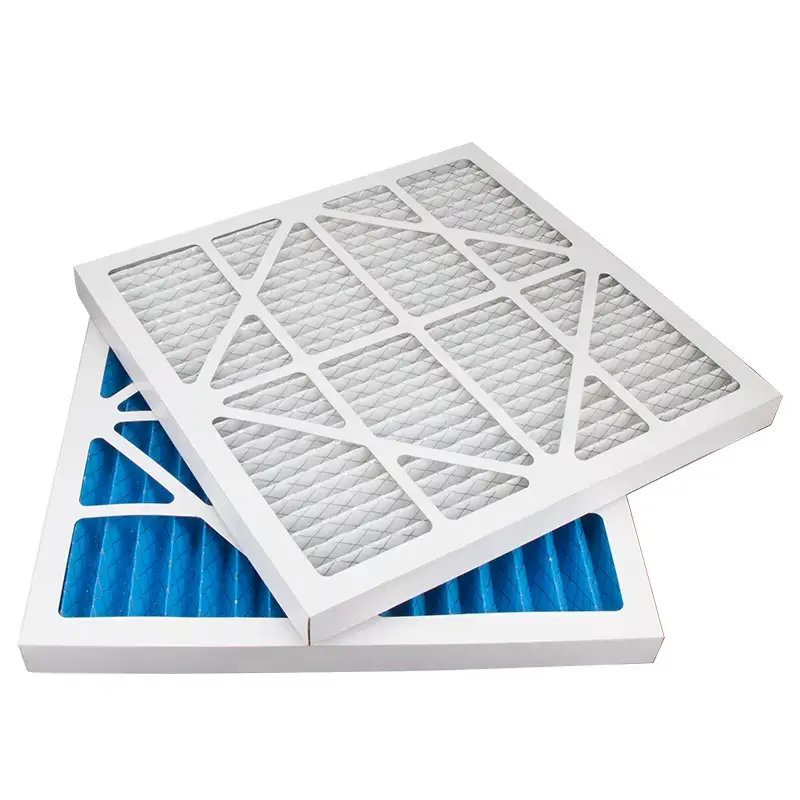
While a standard baseline filter keeps your HVAC equipment clean, it often falls short when your indoor environment demands stronger filtration. Knowing when to upgrade from MERV 8 to MERV 13 depends entirely on your household health needs, geographic location, and lifestyle factors.
Managing Severe Allergies and Asthma
If anyone in your home suffers from chronic respiratory issues, severe seasonal allergies, or asthma, upgrading to a higher efficiency filter is a necessity. A MERV 8 filter captures large dust and pollen particles, but it misses the microscopic triggers that aggravate lungs. Upgrading to a MERV 13 filter allows you to trap up to 90% of airborne allergens, including microscopic mold spores and bacteria, drastically reducing flare-ups and improving daily comfort. To find the right fit for your household needs, check out our guide on which MERV rating filter should you use for home air quality.
Protecting Against Wildfire Smoke and Smog
Outdoor air pollution does not stay outdoors. During wildfire seasons or in cities plagued by heavy smog, fine particulate matter ($PM_{2.5}$) easily infiltrates your living space. MERV 8 filters let these dangerous smoke particles pass right through. MERV 13 filters are specifically rated to capture fine smoke particles and smog, serving as a critical line of defense for your indoor air quality during environmental crises.
Improving Air Quality in Homes with Pets or Smoking
Living with multiple pets or indoor smokers creates a constant accumulation of airborne irritants. Pet dander, specialized odors, and tobacco or cannabis smoke linger in fabrics and circulate through the ductwork continuously. Upgrading to a MERV 13 filter helps capture the tiny dander particles and micro-solids found in smoke. For homes dealing with persistent smoke issues, combining a high-efficiency filter with a dedicated best weed air filter for indoor smoke and odor control ensures both microscopic particles and stubborn smells are thoroughly managed.
Evaluating If Your HVAC System Can Handle a MERV 13 Filter
How to Check Your System’s Compatibility
Before making the leap to a higher efficiency filter, you need to know if your residential HVAC setup can handle the increased static pressure. Thicker, tighter pleats mean more airflow reduction, which can put an extra load on your blower motor.
To check compatibility: Review the HVAC manual: Look for the maximum static pressure rating specified by the manufacturer. Inspect the ductwork: Flexible ducts with sharp bends already restrict airflow; adding a MERV 13 filter might choke the system further. Consult a professional: Have an HVAC technician measure the pressure drop across your current filter slot.
The Impact on Energy Bills and HVAC Lifespan
Upgrading to a MERV 13 filter without verifying system compatibility can lead to significant blower motor strain. When a system struggles to pull air through a dense filter, it runs longer cycles to reach your thermostat’s target temperature.
This increased workload shows up directly on your monthly energy bills. Over time, the restricted airflow causes overheating in furnaces or frozen coils in AC units, drastically shortening your equipment’s lifespan and leading to expensive repairs. Recognizing the early signs your HVAC filter is clogged or overly restrictive can save you from catastrophic system failure.
Maintenance and Filter Replacement Frequency
A MERV 13 filter captures much smaller particulate matter, meaning it loads up with dirt and debris much faster than a standard baseline filter. Maintaining a strict furnace filter replacement schedule is critical to keeping your utility costs down and your air clean.
| Filter Type | Average Lifespan | Main Capture Focus |
|---|---|---|
| MERV 8 | 60 – 90 Days | Dust, pollen, lint |
| MERV 13 | 30 – 60 Days | Bacteria, smoke, virus filtration, pet dander |
In homes with multiple pets, heavy smoking, or during wildfire seasons, a MERV 13 filter may need to be swapped out every 30 days to prevent excessive airflow restriction and maintain peak indoor air quality.
How to Choose the Right Filter for Your Home
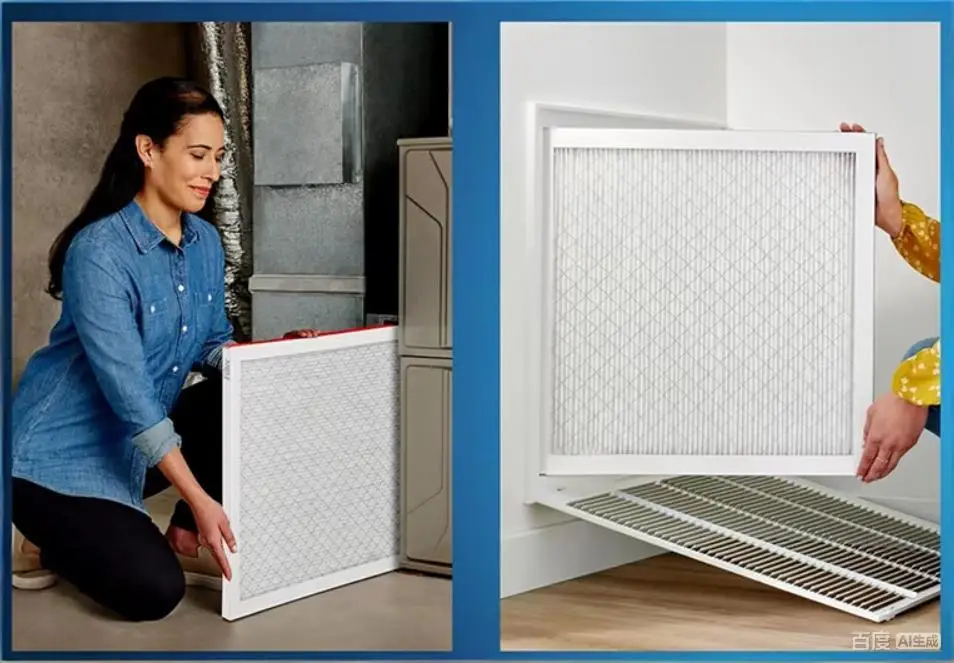
Choosing the ideal air filter comes down to matching your household needs with your HVAC system’s capabilities. As a MERV filter manufacturer, we know that a higher rating isn’t always the automatic choice for every home.
Finding the Balance Between Filtration and Airflow
The goal is to maximize indoor air quality without causing significant airflow reduction. A filter that is too restrictive creates a bottleneck, increasing static pressure and triggering blower motor strain. To make the right choice, you must weigh capture efficiency against your system’s breathing room.
| Filter Type | Capture Efficiency (Small Particles) | Airflow Resistance | Best For |
|---|---|---|---|
| MERV 8 | Standard (Dust, pollen, lint) | Low | Budget-conscious households, older HVAC systems |
| MERV 13 | High (Smoke, virus filtration, smog) | Moderate to High | Allergy sufferers, wildfire zones, modern systems |
When to Keep a MERV 8 Baseline Filter
A MERV 8 filter remains the industry standard for a reason. It handles basic dust and pollen capture effortlessly while maintaining optimal airflow. If your household doesn’t suffer from severe allergies, and you don’t have pets, sticking with a MERV 8 baseline is often the smartest move. It protects your equipment from buildup without risking system strain. If you want to maximize the lifespan of your setup, choosing the right material matters. You can check out our guide on choosing a synthetic vs. fiberglass air filter to see which baseline material fits your home best.
When Is a MERV 13 Filter Worth the Upgrade?
Upgrading from MERV 8 to MERV 13 is highly beneficial when small particles like pet dander, mold spores, and smoke threaten your respiratory health. If you live in an area prone to seasonal wildfires, or if a family member has asthma, the upgrade provides medical-grade protection by trapping microscopic particulate matter. When making the jump, ensure your residential HVAC system is rated for the added resistance, and stay on top of your furnace filter replacement schedule to keep the system running efficiently.
Frequently Asked Questions About Upgrading Your Air Filter
As a trusted MERV filter manufacturer, we hear a lot of questions about when to upgrade from MERV 8 to MERV 13. Here are the direct answers to help you make the right choice for your indoor air quality.
Will a MERV 13 filter damage my furnace or AC?
Not necessarily, but it can if your system isn’t prepared for it. A MERV 13 filter features tighter pleats to capture smaller particles, which naturally increases airflow reduction. If your residential HVAC blower motor is older or not rated for the higher static pressure, the restricted airflow can cause the system to overheat, short-cycle, or suffer from premature blower motor strain.
Can I upgrade to MERV 13 without modifying my HVAC system?
Yes, in many cases, you can swap a MERV 8 for a MERV 13 directly, provided your system can handle the air restriction. Before making the switch, check your HVAC system manual for the maximum allowable static pressure. If your system struggles with a standard 1-inch MERV 13 filter, you might look into a media filter cabinet modification to accommodate a thicker 4-inch or 5-inch filter, which provides better airflow while maintaining high capture efficiency.
How often should I change a MERV 13 filter compared to an MERV 8?
Because MERV 13 filters trap much smaller particulate matter—including pet dander, dust, pollen, and smoke—they clog faster than standard filters.
- MERV 8 filters: Usually last 2 to 3 months in standard homes.
- MERV 13 filters: Typically require a furnace filter replacement every 30 to 60 days, especially in homes with pets, smokers, or during wildfire seasons.
Is a MERV 13 filter overkill for a standard residential home?
For a house with no pets, no allergies, and excellent outdoor air quality, a MERV 8 filter or a mid-tier MERV 11 vs MERV 13 air filter option is usually sufficient. However, a MERV 13 filter is definitely not overkill if you need targeted virus filtration, relief from severe asthma, or protection against heavy outdoor smog and seasonal wildfire smoke.