Is your home feeling more like a sauna than a sanctuary lately? When your AC stops blowing cold air, it’s easy to panic and assume you’re looking at a massive, expensive repair bill.
But before you call in a technician, the real culprit might be a much simpler, cheaper fix hiding right in your hallway.
You see, a dirty air filter doesn’t just lower your home’s air quality—it can completely cripple your AC cooling performance. When dust and debris block the airflow, your entire system suffocates, leading to frozen coils, weak airflow, and skyrocketing energy bills.
In this quick guide, you’ll learn exactly how a clogged filter sabotages your HVAC system, how to spot the warning signs, and the dead-simple steps to fix it yourself today.
Can a Dirty Air Filter Cause Your AC Not to Cool?
Yes, a dirty air filter is one of the most common reasons an air conditioning system stops cooling effectively. When airborne debris blocks the filter media, it disrupts the entire cooling process, forcing the system to work harder while delivering less comfort.
The Direct Link Between Airflow and Cooling Performance
An air conditioner does not simply create cold air; it removes heat from your indoor space.
- Heat Absorption: The system pulls warm indoor air across the cold evaporator coils.
- Thermal Exchange: The refrigerant inside the coils absorbs the heat from the air.
- Air Return: The cooled air is then pushed back into your home.
Without a steady, unrestricted volume of return air passing over the coils, this thermal exchange fails. Proper HVAC performance depends entirely on balanced, continuous airflow.
How a Clogged Filter Restricts Cold Air Delivery
A clogged filter acts as a physical barrier within your ductwork. When dust, pet dander, and microparticles blanket the filter surface, the blower motor must work against severely restricted airflow.
As a result:
- Static Pressure Increases: The pressure within the HVAC system rises, straining internal components.
- Volume Drops: The amount of air passing through the cooling coils drops significantly.
- Trapped Air: The air that is successfully cooled cannot be efficiently pushed into the living spaces, leaving your house not cooling despite the unit running constantly.
Signs Your AC is Struggling Due to a Dirty Filter
Before a complete system shutdown occurs, an AC unit will display clear warning signs of a choked filter:
- Weak Airflow from Vents: You feel only a faint breeze coming from the supply registers.
- Lukewarm Air: The air exiting the vents feels room-temperature rather than crisp and cold.
- Constant Cycling: The AC unit runs continuously without ever hitting the target temperature set on your thermostat.
- Dust Near Return Grilles: Visible buildup of dust and debris on the vents or surrounding walls.
How a Dirty Air Filter Affects Your AC System
Reduced Airflow and System Efficiency
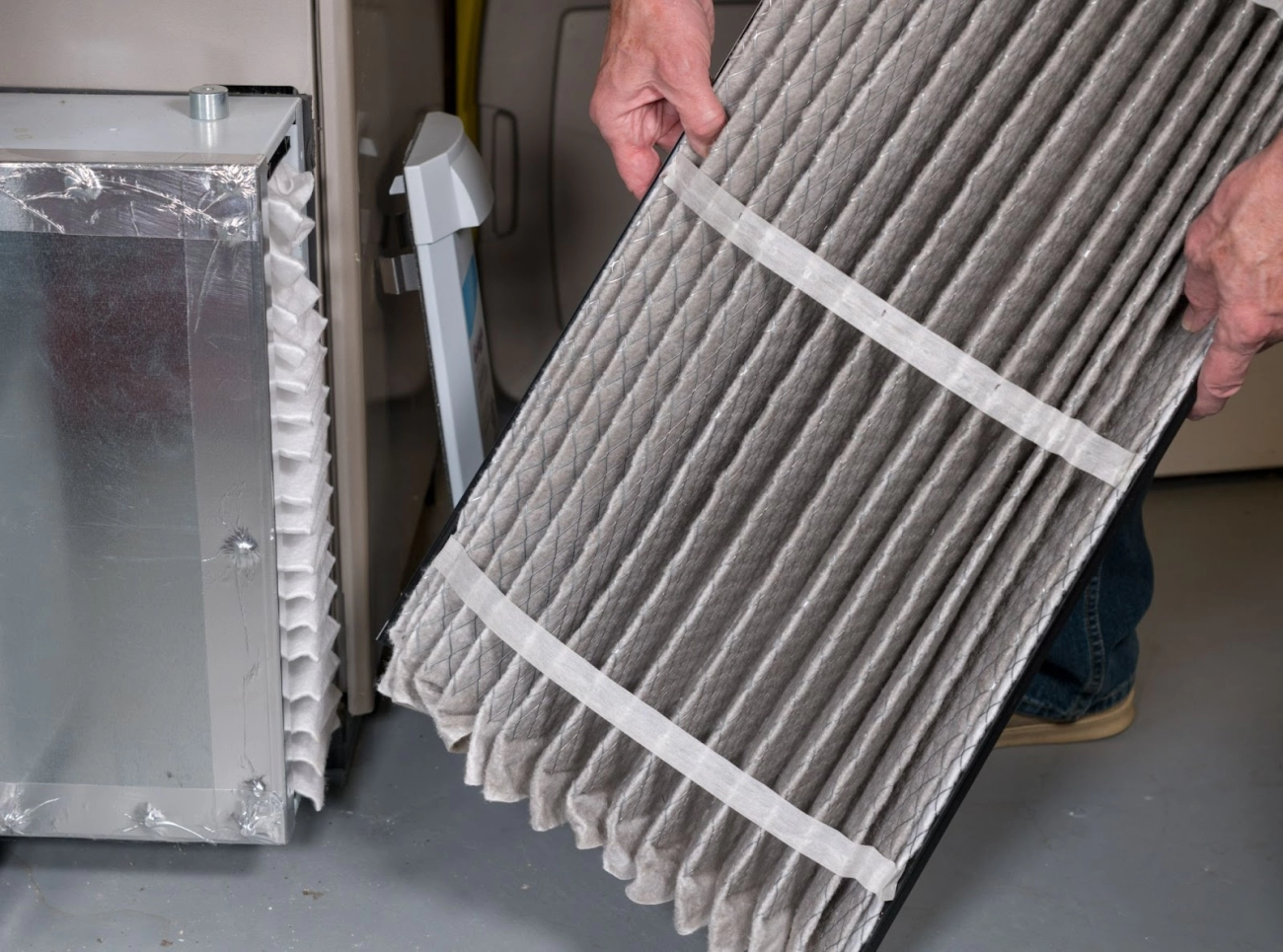
When a filter is choked with dust and debris, it acts like a wall blocking the circulation of air. This restricted airflow forces your air conditioner to work twice as hard to pull air into the system. As an air filter manufacturer, we know that when your system can’t breathe, its overall cooling capacity drops significantly. The unit will run longer cycles just to reach your desired thermostat settings, causing a major drop in air conditioning efficiency.
Frozen Evaporator Coils
Your AC relies on a continuous, steady stream of warm indoor air to keep the internal components working properly. When a clogged filter cuts off that airflow, the temperature around the cooling coils plummets. Without enough heat to absorb, the moisture on the coils quickly turns to ice. This causes the dreaded AC unit freeze-up, completely halting the cooling process and leaving your house not cooling at all.
Increased Wear and Tear on HVAC Components
A neglected filter puts a massive amount of physical stress on internal HVAC performance. The blower motor has to strain constantly against the resistance of a dirty filter, which accelerates the breakdown of vital parts. This extra strain leads to premature failure of expensive components like the compressor or fan motor, resulting in unexpected breakdowns and the need for an emergency HVAC technician. Investing in regular air conditioner maintenance and choosing the right pleated vs fiberglass air filters for your system will prevent this needless wear and tear.
Higher Energy Bills and Utility Costs
When your AC runs longer and struggles with lower efficiency, your power meter spins out of control. A system fighting against a dirty filter consumes significantly more electricity to circulate cool air through your ductwork. By simply taking a moment to change your air filter, you eliminate this artificial bottleneck, restore your system performance, and immediately drop your monthly utility costs.
Other Common Reasons Your AC Might Not Be Cooling
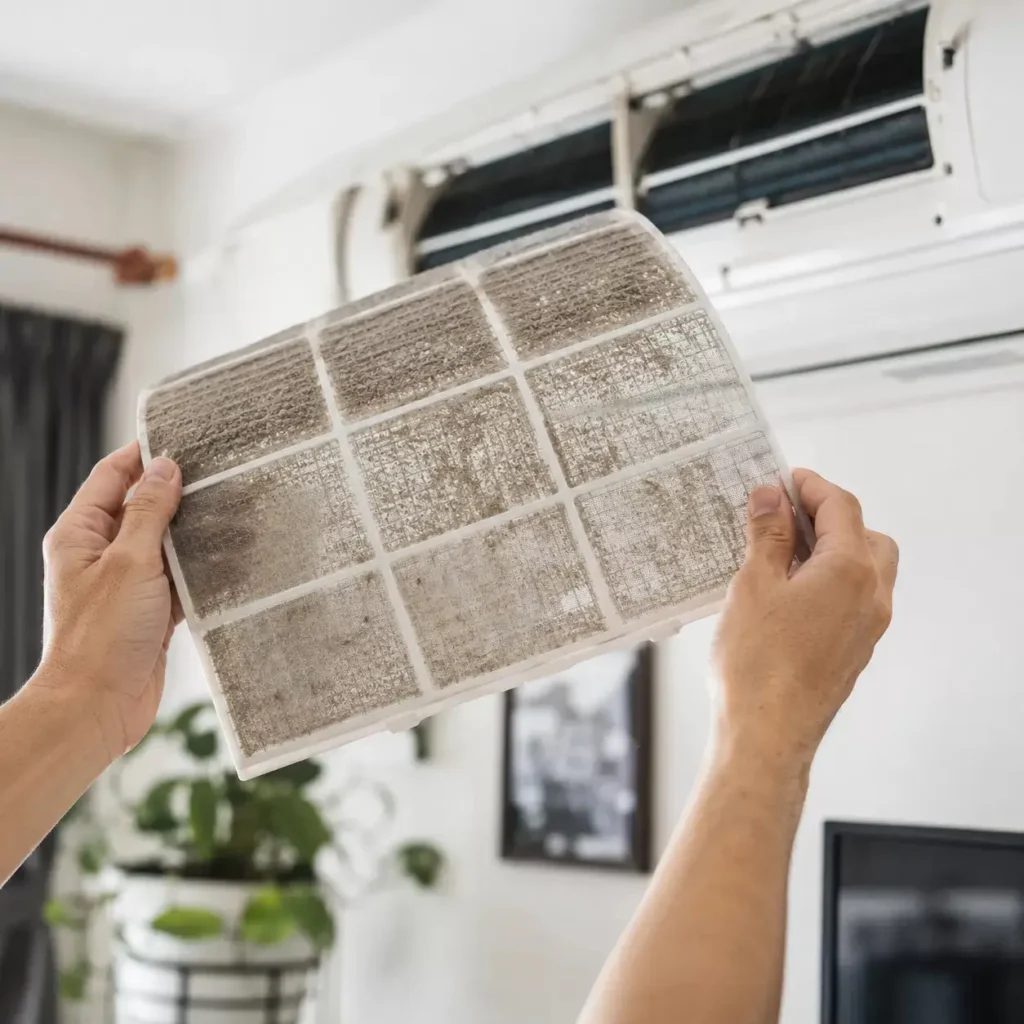
When your house is not cooling down, a clogged filter isn’t always the sole culprit. Several other common issues can disrupt the cooling process and decrease cooling efficiency throughout your home.
Incorrect Thermostat Settings
Before assuming your system is broken, check the thermostat settings. It is easy for someone to accidentally switch the fan from “Auto” to “On,” which causes the system to blow air continuously even when it isn’t being cooled. Make sure the thermostat is set to “Cool”, and the temperature is at least a few degrees below the current room temperature.
Blocked or Closed Air Vents
Restricted airflow doesn’t just happen at the furnace or return grille. Closing too many interior registers or blocking them with furniture and curtains disrupts the system’s balance. This buildup of pressure cuts down on HVAC performance and can cause the central unit to overheat. Keep all supply and return vents open and clear to circulate cool air efficiently. If you are looking to manage airflow at the register level, make sure you understand the rules of airflow before you put filters on your air vents to avoid accidentally choking the system.
Low Refrigerant Levels or Leaks
Your air conditioner relies on a precise amount of refrigerant to absorb heat from your indoor air. If your system has low refrigerant levels due to a leak, its cooling capacity drops significantly. You might notice the AC running constantly without lowering the temperature, or you might even spot an AC unit freeze up. Refrigerant issues require a licensed HVAC technician to find the leak, repair it, and recharge the system safely.
Tripped Circuit Breakers or Power Issues
An air conditioning system uses a lot of power, especially during peak summer heat. If the outside compressor or the indoor blower motor pulls too much electricity, it will trip the circuit breaker. If your indoor fan is blowing warm air but the outside unit isn’t running at all, check your main electrical panel for a tripped breaker. Resetting it might fix the issue temporarily, but frequent tripping points to an underlying electrical problem that needs professional attention.
How to Check, Clean, and Replace Your AC Air Filter
Keeping your air conditioning efficiency at its peak requires regular attention to the air filter. As an air filter manufacturer, we know that routine maintenance is the easiest way to prevent a house from not cooling and to avoid unnecessary system strain.
How to Tell if Your Air Filter Needs Replacing
You do not need to wait for your AC to stop blowing cold air to check the filter. A quick visual inspection and a few common household signs will tell you exactly when it is time for a change.
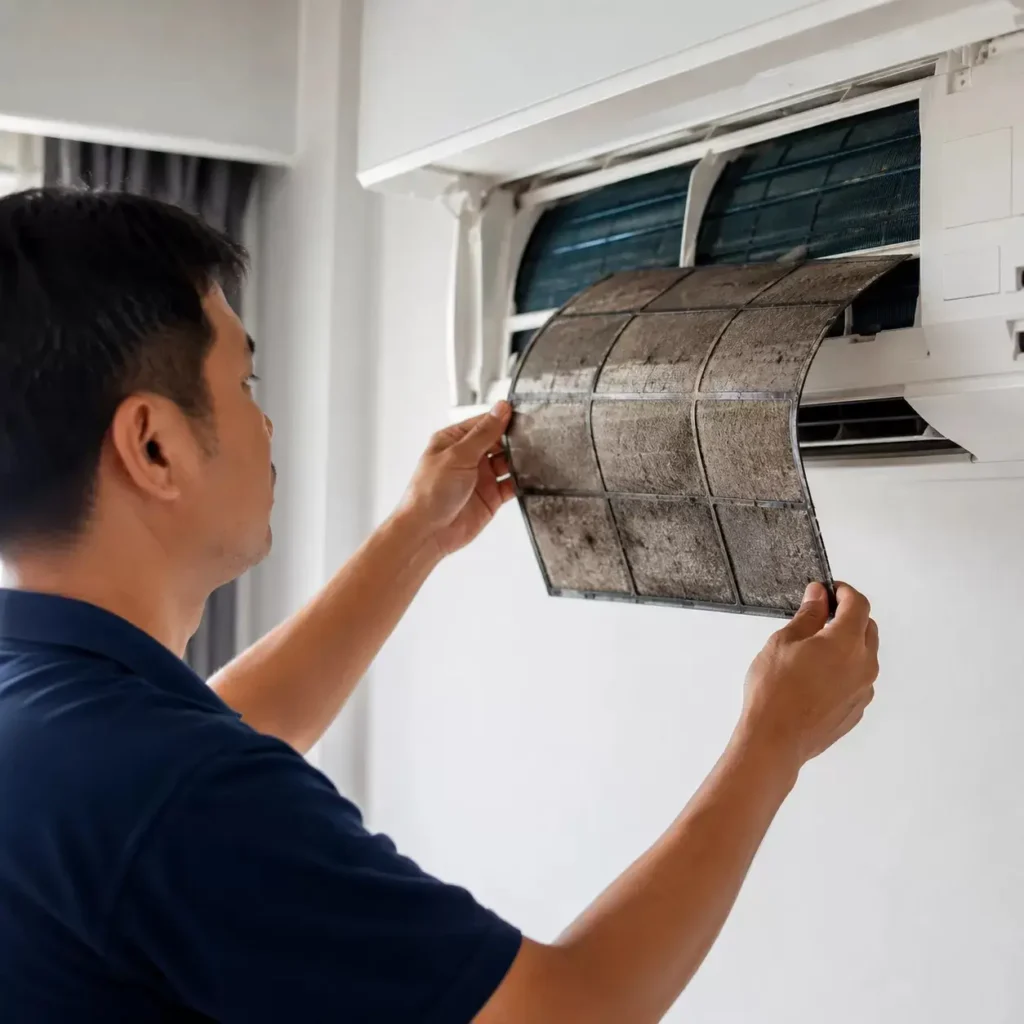
- The Visual Test: Pull the filter out and hold it up to a bright light. If light cannot pass through the mesh because of a thick layer of dust and gray dander, it is clogged.
- The Visual Comparison: Compare your current filter to a fresh, white pleated filter. If the surface looks gray or dark brown, its lifespan is over.
- The “Dust Bunny” Signal: Noticeable dust buildup around your home’s return vents or a sudden increase in allergy symptoms indicates that the filter is no longer trapping airborne particles effectively.
Step-by-Step Guide to Changing Your AC Filter
Changing your air filter is a quick five-minute task that immediately restores restricted airflow and protects your HVAC system’s performance.
- Turn Off the Power: Switch off your AC unit at the thermostat or the main circuit breaker to ensure safety and prevent unfiltered air from entering the system while the slot is open.
- Locate the Filter Slot: Look for the filter slot next to the return air duct, inside the air handler cabinet, or behind the return air grille on your wall or ceiling.
- Remove the Old Filter: Slide the dirty filter out gently to avoid knocking dust and debris loose into your living space.
- Check the Airflow Direction: Note the arrows printed on the frame of the new filter. These arrows must point in the direction of the airflow (toward the AC unit or furnace, not toward the room).
- Insert the New Filter: Slide the fresh filter into place, ensuring a snug fit with no gaps around the edges, and secure the cover before turning the power back on.
How to Safely Clean a Reusable Air Filter
If your HVAC system uses a washable or reusable electrostatic filter instead of a disposable option, proper cleaning is vital to prevent mold growth and maintain cooling capacity.
| Step | Action | Key Details |
|---|---|---|
| 1. Rinse | Wash with low pressure | Use a garden hose or a showerhead to rinse the filter with lukewarm water. Always spray water in the opposite direction of the airflow arrows to flush out trapped dust. |
| 2. Clean | Use mild soap if needed | For heavy buildup or grease, use a few drops of mild dish soap mixed with water. Avoid harsh chemical cleaners that can damage the filtration media. |
| 3. Dry | Air dry completely | Never reinstall a wet filter. Let it air dry completely in a clean area for at least 6 to 12 hours to prevent mold and mildew from growing inside your ductwork. |
How Often Should You Change Your AC Air Filter?
Standard Maintenance Timelines for Home Filters
As an air filter manufacturer, we know that timing is everything when it comes to maintaining air conditioning efficiency. For a standard suburban home, a good rule of thumb is to change your air filter every 60 to 90 days. During peak summer months, when your system runs constantly to circulate cool air, checking the filter every 30 days prevents unexpected cooling drops and keeps your HVAC performance at its peak.
Factors That Require More Frequent Filter Changes
A standard timeline doesn’t fit every household. Several everyday factors can cause a clogged filter much faster than expected, forcing your system to work harder and decreasing cooling efficiency.
You need to change your filter every 30 to 45 days if you have:
- Pets: Shedding fur and dander quickly block restricted airflow pathways.
- Allergies or Asthma: Cleaner air requires fresher filters to trap microscopic triggers.
- High Occupancy: More people mean more dust moving through the ductwork.
- Smoking or Cooking Oils: Airborne residues create a sticky film on the media.
Choosing the Right Filter Type and MERV Rating
Picking the right filter depends entirely on your specific household needs and your system’s capabilities. Navigating the different measurement scales can be confusing, which is why checking our detailed MERV vs FPR vs MPR air filter ratings guide helps you make an informed decision without restricting your system’s airflow.
| Filter Type | MERV Rating | Best For | Replacement Cycle |
|---|---|---|---|
| Fiberglass | MERV 1–4 | Basic dust protection; low budget | 30 days |
| Pleated Synthetic | MERV 8–11 | Standard homes, pets, general allergen control | 60–90 days |
| High-Efficiency | MERV 13–16 | Severe allergies, superior air filtration | 60 days |
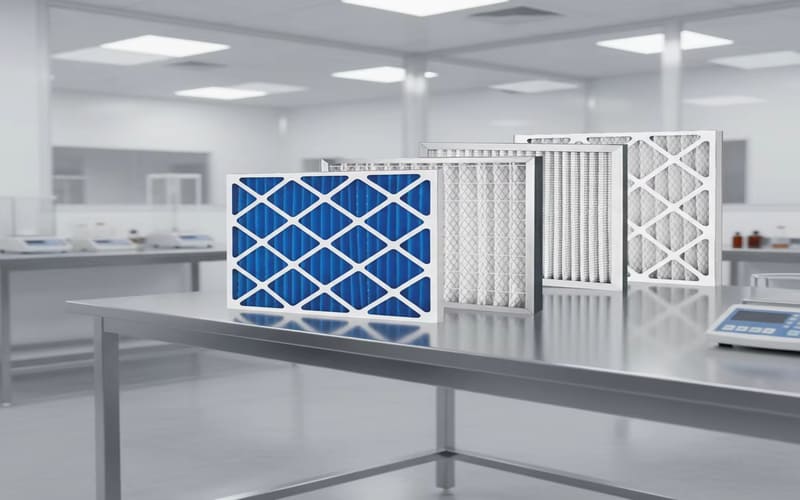
If you have unique HVAC setups or non-standard intake vents, using standard off-the-shelf options won’t cut it. Opting for custom air filters ensures a seamless, airtight fit that prevents unfiltered air from bypassing the system and damaging your heat pump or cooling components.
When to Call a Professional HVAC Technician
Sometimes a simple DIY fix isn’t enough to restore your home’s comfort. While checking your filter is always the first step, certain air conditioning issues require the tools and expertise of a certified specialist to prevent permanent system failure.
How to Safely Reset Your Cooling System
Before calling in the pros, a simple system reset can sometimes clear minor electronic glitches. Follow these steps to safely reset your AC:
- Turn off the thermostat: Switch the system to “Off” at the control panel.
- Flip the circuit breaker: Find your main electrical panel and turn the AC breaker to the “Off” position.
- Wait it out: Keep the power off for at least 30 seconds to let the internal electronics clear.
- Restore power: Flip the circuit breaker back to “On”, switch your thermostat back to “Cool”, and set the temperature lower than the current room reading.
Signs of Severe Damage Beyond a Dirty Filter
If you have already replaced a clogged filter and your house is still not cooling, your system might be suffering from deeper mechanical issues. Watch out for these critical warning signs that point to severe damage:
- Persistent Ice Accumulation: If you notice frozen evaporator coils or ice on the outdoor refrigerant lines even after changing the filter, you likely have a deeper airflow restriction or a refrigerant leak.
- Frequent System Cycling: An AC unit that constantly turns on and off every few minutes is short-cycling, which destroys air conditioning efficiency and burns out the compressor.
- Strange Noises or Odors: Screeching, grinding, clanking, or burning smells indicate failed bearings, broken fans, or electrical shorts.
- Warm Air From Vents: If the blower fan runs but only circulates warm air, the cooling process has broken down completely.
The Importance of Routine Professional AC Maintenance
As an air filter manufacturer, we know that clean filters are just one piece of the puzzle. Investing in annual professional ac maintenance is the best way to protect your equipment and keep your utility bills low.
| Maintenance Benefit | What a Technician Does | Long-Term Impact |
|---|---|---|
| Optimized Cooling Capacity | Cleans coils, recalibrates thermostat settings, and checks ductwork. | Restores peak cooling performance during peak summer heat. |
| Prevents AC Unit Freeze Up | Measures and tops off low refrigerant levels while checking for leaks. | Keeps system running smoothly without sudden breakdowns. |
| Maximizes HVAC Performance | Inspects electrical connections, monitors amp draws, and lubricates moving parts. | Eliminates unnecessary wear and tear to extend equipment lifespan. |