Are you tired of seeing dust settle on your furniture just hours after cleaning? You might be wondering: Can I put filters on my air vents?
As an HVAC professional, I know that maintaining indoor air quality is a top priority, but adding a vent filter isn’t always the simple fix it seems. In fact, making the wrong choice can lead to reduced airflow and significant system strain.
In this guide, I’m going to break down the critical differences between a return air vent and a supply vent, the hidden dangers of double filtering, and how to choose the right MERV rating to protect your equipment. If you want a cleaner home without breaking your AC, this guide is for you.
Understanding Air Vent Filters
Air vent filters are specialized screens or pleated media designed to trap airborne particulates as air moves through your home’s ventilation system. As experts in air filtration solutions, we understand that maintaining a clean HVAC system starts with choosing the right barrier against contaminants. These filters serve as the first line of defense in capturing allergens, dust, and debris before they can circulate.
What is a Return Air Vent vs. Supply Vent?
To manage your air quality effectively, you must distinguish between the two types of vents in a forced air system:
- Return Air Vents: These are the intake side of the system. They pull air from your living spaces and draw it back toward the furnace or AC unit.
- Supply Vents: These vents (often called registers) blow the heated or cooled air into your rooms.
Proper vent filtration typically focuses on the return air vent to ensure that the air entering your ductwork is as clean as possible, protecting both your lungs and your equipment.
Central HVAC Filter vs. Vent Grille Filter
Understanding where to place your filtration media is critical for maintaining proper airflow resistance.
- Central HVAC Filter: This is the primary furnace filter located at the air handler or blower compartment. It is designed to protect the entire system’s internal components.
- Vent Grille Filter: Also known as a return air grill filter, these are installed directly behind the intake grates in individual rooms.
| Filter Type | Primary Purpose | Location |
|---|---|---|
| Central Filter | Protects HVAC coils and blower | Main air handler |
| Vent Grille Filter | Captures pet hair and dust at the source | Return air vent |
Using a high-quality return grille filter can significantly reduce the amount of debris that accumulates inside your undersized ducts, keeping the entire system running more efficiently.
Can You Put a Filter on an Air Vent?
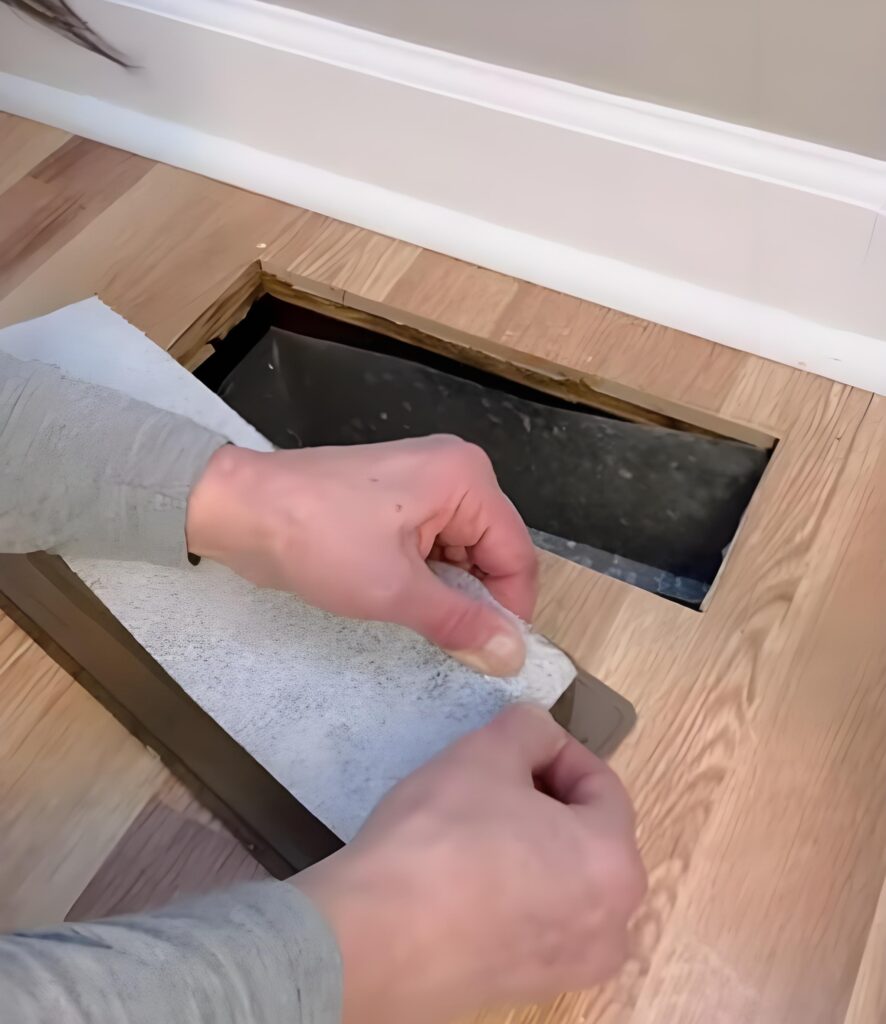
I often see homeowners trying to boost their indoor air quality by adding extra filters to their registers. While the answer is technically yes, you can put a filter on an air vent, it comes with strict conditions. Vent filters are generally designed for the return air vent—the intake side of the HVAC system—rather than the supply vents that blow air into your rooms. If your system is designed to use a filter at the grille, it is a perfectly safe and effective way to capture dust and debris before it enters your ductwork.
The Risks of Double Filtering
The most significant danger to your HVAC system is double filtering. This happens when you have a central furnace filter installed near the blower unit and then add additional vent filters to your return grilles. This setup creates massive airflow resistance. Your system is designed to “breathe” at a specific rate; when you double up on filters, the blower motor has to work significantly harder to pull air through. This leads to:
- Increased energy bills due to the motor running longer and harder.
- Blower motor burnout from excessive strain and heat.
- Frozen AC coils because there isn’t enough warm air passing over them.
Understanding the risks of running an AC without a filter or with restricted airflow is essential for maintaining your equipment’s lifespan.
Where Air Filters Should and Shouldn’t Go
To keep your system running efficiently, you must be strategic about filter placement.
- Where they belong: Filters should only be placed on the intake side (return vents). This ensures that the air is cleaned before it reaches the sensitive internal components of your furnace or air handler.
- Where to avoid them: I strongly advise against putting filters on supply vents or floor registers. Restricting the air coming out of the system can cause a pressure backup, leading to duct leaks or even a cracked heat exchanger.
If you feel your home needs better filtration, it is much safer to select a better MERV rating for your primary filter rather than blocking your supply registers with DIY solutions. Stick to one high-quality filter in the designated spot to keep your air clean without killing your HVAC system.
Pros and Cons: Can I Put Filters on My Air Vents Safely?
Deciding whether to add extra filtration to your registers involves balancing cleaner air with the mechanical limits of your HVAC system. While these small additions can help localized air quality, they also introduce resistance that your blower motor must overcome.
Benefits: Reducing Dust and Pet Hair
We often recommend vent filters for specific problem areas in the home. They act as a secondary line of defense, catching particles that the central furnace filter might miss or that enter through gaps in the ductwork.
- Debris Protection: Floor vent filters are excellent for preventing small toys, crumbs, and jewelry from falling into the ductwork.
- Allergen Control: They help capture dust, pollen, and pet hair right at the point of entry into your living space.
- Cleaner Ducts: By trapping particles at the return grille, you keep the interior of your ducts cleaner for longer periods.
- Enhanced Filtration: Using a specialized electrostatic air filter material can significantly boost the capture rate of fine particulates compared to basic mesh.
Drawbacks: Reduced Airflow and System Strain
The biggest risk of adding filters to every vent is airflow resistance. Your HVAC system was engineered to move a specific volume of air; obstructing that flow can lead to expensive repairs.
| Feature | Impact of Vent Filters | Potential Risk |
|---|---|---|
| Blower Motor | Increased workload to push air through mesh | Premature motor burnout |
| System Efficiency | Longer run times to reach thermostat goals | Higher monthly energy bills |
| Heat Exchanger | Reduced air cooling the components | Overheating or cracked heat exchanger |
| AC Coils | Low airflow causes temperature drops | Overheating or a cracked heat exchanger |
If you have undersized ducts, adding even a thin filter can choke the system. We suggest using them sparingly—only in rooms that truly need the extra help—rather than covering every single register in the house. Over-filtering creates a “strangulation” effect on your forced air system, which ultimately lowers your indoor air quality by preventing proper air circulation.
When Does a Vent Filter Make Sense?
Using air vent filters isn’t a one-size-fits-all solution. While most modern homes rely on a single, central point of filtration, there are specific situations where adding a filter to a vent is actually the better move for your HVAC system.
Scenarios Where Return Vent Filters Are Helpful
I find that return air grill filters are most effective in older homes or specific architectural layouts where a central furnace filter slot isn’t accessible. Here is when they make the most sense:
- No Central Filter Slot: If your system was built without a dedicated rack near the blower, the return air vent is your primary line of defense to capture dust and pet hair before it reaches the coils.
- Preventing Duct Contamination: In homes with oversized or very long return ducts, filtering at the intake side keeps the interior of the ductwork cleaner over time.
- High-Debris Areas: If a specific room generates more lint or dust (like a laundry room or a high-traffic pet area), a thin vent filter can act as a secondary trap.
When a Central HVAC Filter is Enough
For the majority of forced air systems, a single high-quality central filter is all you need. Adding extra filters to individual vents in a modern home often does more harm than good by creating excessive airflow resistance.
If your goal is to improve air quality, it is much more efficient to upgrade the main filter rather than obstructing individual registers. For example, understanding the difference between a merv 8 vs merv 11 air filter allows you to choose a higher efficiency rating for your central unit that captures smaller allergens without the need for supplemental vent filtration. In these setups, the central filter is designed to handle the system’s full static pressure, ensuring the blower motor doesn’t overheat or wear out prematurely.
Choosing the Right Filter for Your Vents
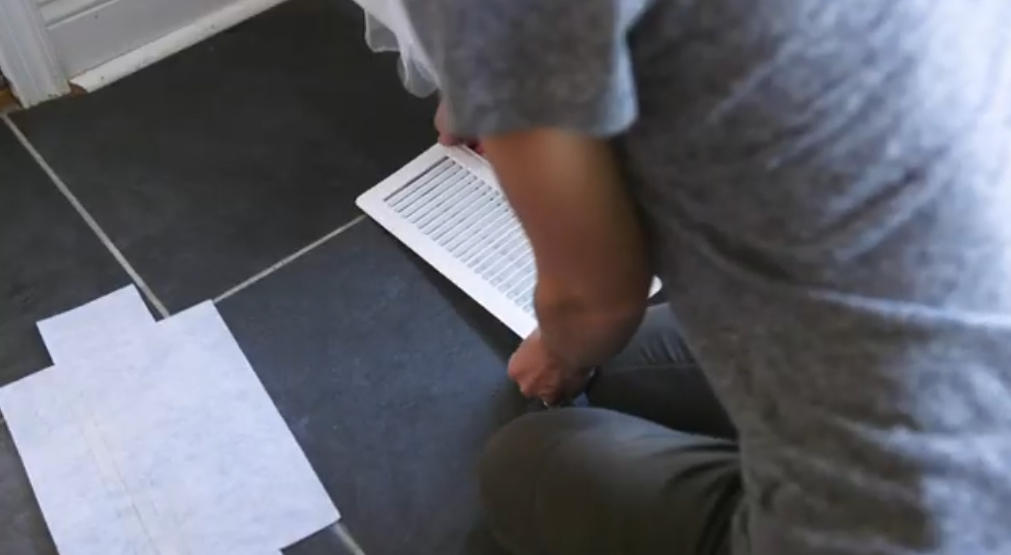
As a vent air filter manufacturer, we often hear customers ask, “Can I put filters on my air vents?” The answer is yes, but selecting the right filter is the difference between breathing clean air and burning out your HVAC system. You have to strike the perfect balance between effective filtration and healthy airflow.
Selecting the Best MERV Rating
The MERV rating tells you exactly how well a filter can capture dust, pollen, and microscopic allergens. While it might be tempting to buy the highest rating available for your return air vent, doing so can cause severe airflow resistance and put dangerous strain on your blower motor.
- MERV 1-4: Basic protection. Good for catching large particles and pet hair, but has minimal impact on indoor air quality.
- MERV 5-8: The standard sweet spot for most residential AC vent filters.
- MERV 9-13: Excellent for allergy sufferers, but you must ensure your forced air system can push air through the denser material.
Before upgrading your current setup, we highly recommend reading our complete guide to MERV ratings to understand exactly what your specific system can safely handle.
Filter Types: Fiberglass, Pleated, and HEPA
Not all vent filters perform the same way. When choosing a return air grill filter, you will generally choose between three main materials:
- Fiberglass Filters: These are the cheapest option. They keep large debris out of the system, but do very little to improve air quality.
- Pleated Filters: These are the best choice for everyday home use. The pleats provide a larger surface area for excellent vent filtration, trapping fine particles without suffocating your furnace.
- HEPA Filters: While they trap up to 99.97% of particles, they are incredibly dense. Putting a HEPA filter over standard return grilles mimics the effect of undersized ducts, severely choking your system’s airflow.
Finding the Correct Size and Fit
A furnace filter only works if the air actually passes through the media. If you install the wrong size on your intake side or floor return vents, the air will simply bypass the filter altogether.
- Measure the housing: Always measure the inside slot of the return grille, not the outer frame.
- Check the thickness: Standard floor vent filters are usually 1 inch thick. Never force a thicker filter into a shallow slot.
- Look for a snug fit: The filter should sit flush. Any gaps will allow dirty air to bypass the filter, pushing dust right back into your HVAC equipment.
Installation and Maintenance Guide
How to Properly Install a Return Vent Filter
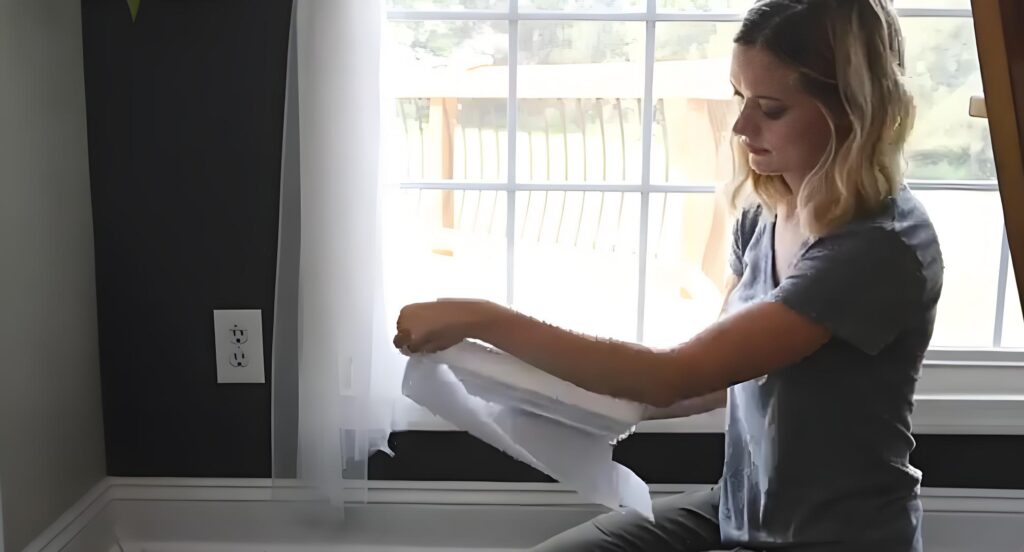
I always tell my customers that a filter is only as good as its installation. If it doesn’t fit snugly, air will bypass the media, allowing dust to settle in your ducts. To get it right, follow these steps:
- Open the Grille: Use a screwdriver or unlatch the clips on your return air vent.
- Check the Fit: Before sliding a new one in, ensure you have the exact dimensions. If you are unsure about the measurements, check out our complete guide on what size air filter you need to prevent gaps.
- Direction Matters: Look for the arrow on the filter frame. This arrow must point toward the ductwork (away from the room) to ensure the forced air system doesn’t collapse the pleats.
- Seal it Up: Close the grille and make sure the latches are tight to prevent whistling noises.
How Often Should AC Vent Filters Be Changed?
Don’t wait until you see a thick layer of gray fuzz to swap your filters. A dirty filter increases airflow resistance, which can lead to an overheated blower motor or a frozen coil. I recommend following this schedule to keep your air quality high and your energy bills low:
| Household Type | Replacement Frequency |
|---|---|
| Vacation Homes/Single Occupant | Every 6–12 months |
| Average Suburban Family | Every 90 days |
| Homes with Pets (Cats/Dogs) | Every 60 days |
| Allergy Sufferers or Multiple Pets | Every 30–45 days |
Regularly changing your AC vent filters is the easiest way to capture dust and pet hair before it enters your HVAC system, extending the life of your equipment and keeping your home’s surfaces cleaner.
Frequently Asked Questions About Can I Put Filters on My Air Vents?
Should I put filters on supply vents or floor registers?
We advise against covering the vents where conditioned air blows out into your room. Adding floor vent filters or standard AC vent filters directly to your supply vents restricts necessary air circulation. This creates immediate airflow resistance. Your forced air system is designed to breathe freely; blocking the output forces the blower motor to overwork, which is particularly dangerous if your home has undersized ducts. You should always focus filtration on the intake side by installing a proper return air grill filter instead.
Can a higher MERV filter harm my HVAC system?
Yes, it absolutely can. While high-efficiency pleated filters or HEPA filters are incredible for trapping microscopic allergens, choosing a MERV rating that is too high acts like a thick wall against incoming air. This causes severe mechanical strain on your HVAC system. For most standard residential setups, utilizing a reliable MERV 8 air filter strikes the perfect balance. It will easily capture dust and protect your furnace’s air quality without suffocating the equipment.
Do vent filters improve indoor air quality by themselves?
Not entirely. Vent filters are a supplementary tool, not a standalone solution. Placing a simple filter on a return air vent or return grille is fantastic for stopping large, visible debris and heavy pet hair right at the source. However, basic vent filtration cannot replace your main furnace filter. To genuinely improve air quality throughout your home, you must rely on a dedicated central filter working to clean the finer particles out of the air.