What is a Fiberglass Air Filter?
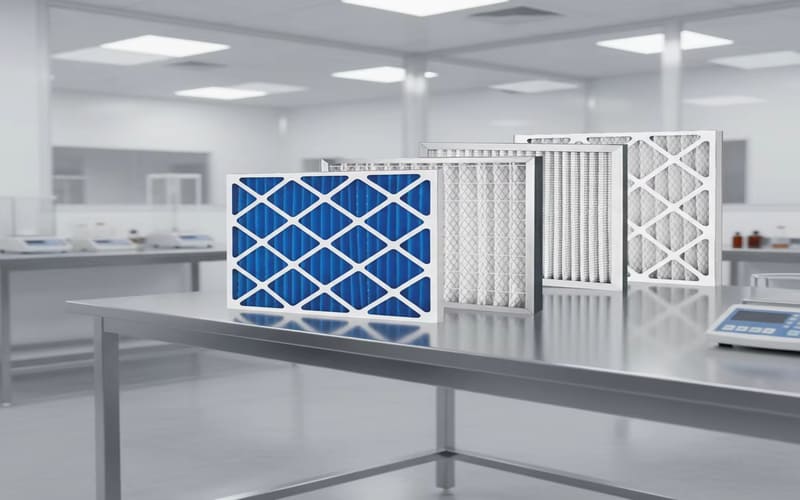
A fiberglass air filter is a traditional, budget-friendly option designed primarily to protect your HVAC system from large airborne debris. As an air filter manufacturer, we construct these filters using spun glass fibers layered together in a reinforced cardboard frame. Often referred to as panel filters, they serve as the first line of defense for basic heating and cooling systems worldwide.
How Fiberglass Filters Work
Fiberglass filters operate on a simple interception mechanism. As air flows through the HVAC system, the layered strand matrix catches large dust particles, lint, and debris.
- Airflow Passage: The loose weave allows air to pass through with minimal restriction.
- Particle Capture: Large contaminants hit the glass fibers and become trapped.
- Target Design: These filters are engineered to safeguard the furnace blower fan and coils rather than purify indoor air.
Pros and Cons of Fiberglass Panel Filters
While fiberglass panel filters are a staple in many households, they offer specific advantages and distinct limitations for modern indoor air quality needs.
| Pros | Cons |
|---|---|
| Highly Affordable: Lowest upfront cost among home air filters, making them excellent for tight budgets. | Low Filtration Efficiency: Fails to capture small allergens, pollen, dust mites, and pet dander. |
| Minimal Airflow Resistance: The porous design ensures low pressure drop, keeping old HVAC systems running smoothly. | Short Filter Life: Requires a strict monthly replacement schedule to prevent clogging. |
| Standard Sizing: Widely available in almost all standard furnace filter dimensions. | No IAQ Improvement: Does not effectively protect occupants from microscopic air pollutants. |
What is a Pleated Air Filter?
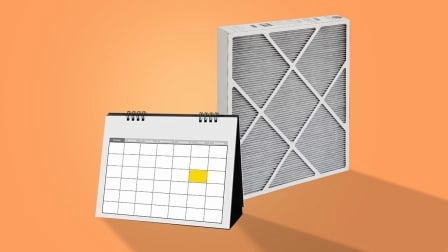
A pleated air filter is a high-performance upgrade designed to capture far more airborne contaminants than standard flat filters. As an air filter manufacturer, we engineer these filters with a signature accordion-style design. Instead of a single flat layer, the fabric is folded into continuous V-shaped pleats and secured within a sturdy cardboard frame. This structure drastically increases the surface area available for trapping air pollutants, making them a staple for modern home air filters.
How Pleated Filters Work
Pleated filters rely on their expanded surface area and dense media—often made of synthetic fibers or cotton-polyester blends—to clean your indoor air. As air flows through the HVAC system, the dense weave acts as a tight net.
- Interception: Larger dust particles and pet dander slam directly into the fibers and get trapped.
- Straining: The tight gaps between the synthetic fibers block smaller contaminants from passing through.
- Electrostatic Charge: Many high-quality pleated filters carry a natural static charge that pulls microscopic air pollutants out of the airstream like a magnet.
Pros and Cons of Pleated Filters
Every filtration setup comes with trade-offs. Here is what you need to consider before upgrading your furnace filter:
Pros: Higher Filtration Efficiency: Easily traps smaller particles like pollen, dust mites, and mold spores. Better Indoor Air Quality: Noticeably reduces airborne allergens, making the air cleaner for families and pet owners. Longer Filter Life: The massive surface area means they hold more debris, stretching the replacement schedule to 3–90 days depending on thickness. System Protection: Keeps dust from building up on your HVAC system components, preventing costly maintenance.
Cons: Higher Initial Cost: They cost more upfront than basic fiberglass panel filters, though they last longer. Airflow Resistance: Because the material is denser, a high-MERV pleated filter can increase airflow resistance if it is not matched correctly to your system’s capacity.
Key Differences Between Pleated vs. Fiberglass Air Filters
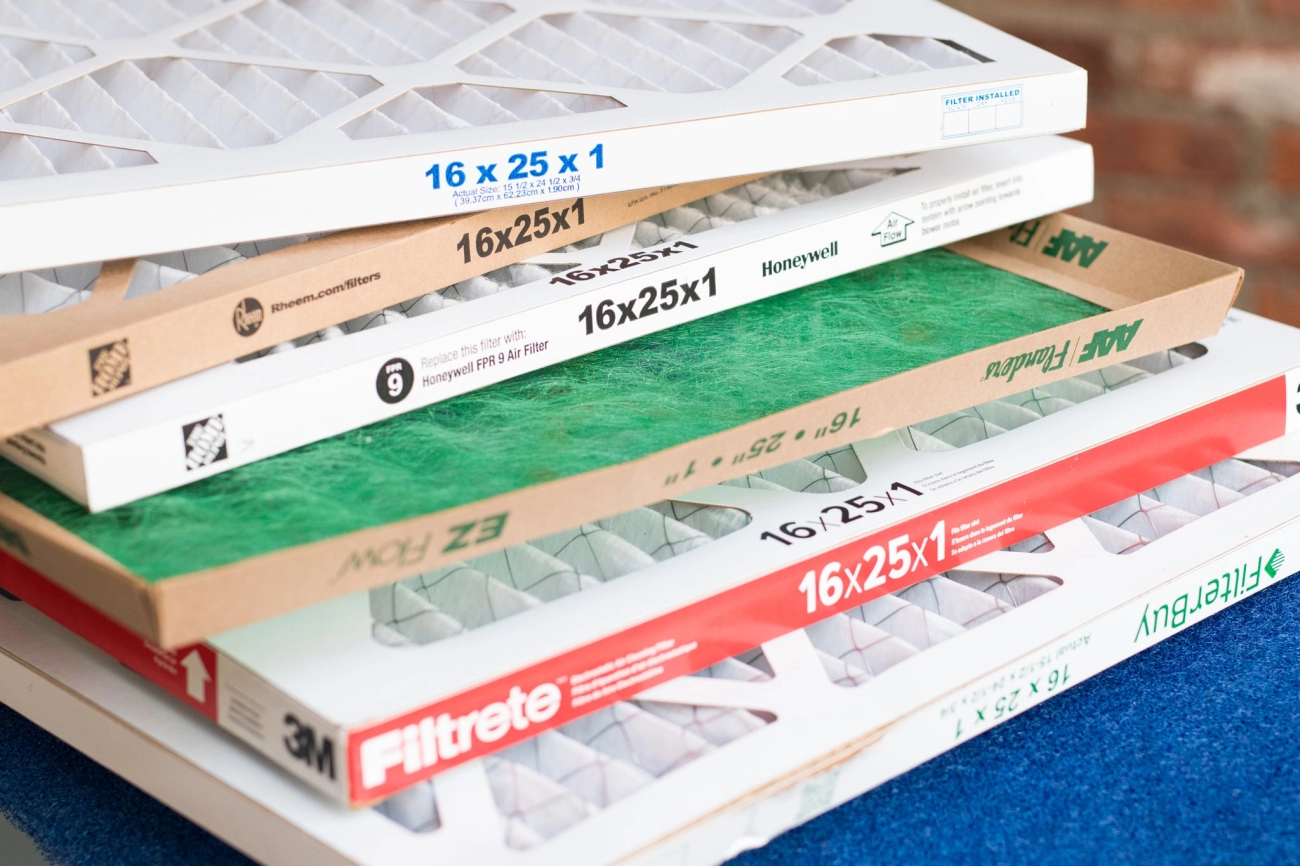
Choosing the right furnace filter comes down to understanding how different home air filters impact your indoor air quality and budget. As an air filter manufacturer, we look closely at the core performance metrics that separate these two common options.
Filtration Performance and Efficiency
Fiberglass panel filters are designed primarily to catch large dust particles and protect your HVAC system blower motor. However, they fail to stop smaller contaminants like pollen, dander, and dust mites.
Pleated synthetic filters feature a much higher filtration efficiency. Their folded design creates more surface area to trap microscopic air pollutants, significantly boosting your home’s overall air quality. You can check out our guide to ratings and uses to see how different media perform.
Airflow Resistance and HVAC System Pressure Drop
A filter’s ability to trap contaminants directly affects how hard your HVAC system has to work.
- Fiberglass Filters: Offer extremely low airflow resistance. They allow air to pass through easily but let tiny particles slip past.
- Pleated Filters: Provide tighter weaves for better capture rates, which naturally increase resistance.
To prevent an excessive pressure drop that strains your system, it is crucial to match the filter with your system’s capabilities. Review our MERV ratings and pressure drop chart to find the perfect balance for your equipment.
Cost, Lifespan, and Maintenance
While fiberglass filters have a lower upfront cost, they require a strict monthly replacement schedule. Pleated options cost more initially but deliver a longer filter life and superior maintenance intervals.
| Feature | Fiberglass Filters | Pleated Filters |
|---|---|---|
| Initial Cost | Very Low | Moderate |
| Replacement Schedule | Every 30 days | Every 60 to 90 days |
| Durability | Fragile; prone to tearing | Sturdy; resists buckling |
| Long-Term Value | Low (requires frequent buying) | High (fewer replacements needed) |
Which Filter Type is Best for Improving Indoor Air Quality?
When comparing a pleated vs fiberglass air filter for indoor air quality, pleated filters win by a landslide. Fiberglass filters are only designed to catch large lint and dust particles to protect your HVAC equipment. They do almost nothing to clean the air you breathe. As an experienced air filter manufacturer, we always recommend pleated options if you want to actively remove airborne pollutants from your living space.
Allergen and Dust Capture Capabilities
Pleated home air filters feature a dense, woven synthetic media that creates a tight barrier against common household contaminants. This design allows them to trap microscopic air pollutants that pass right through standard panel filters.
- Pleated Filters: Successfully trap pollen, dust mites, pet dander, and mold spores.
- Fiberglass Filters: Only catch large dust particles, letting smaller allergens recirculate freely through your home.
Choosing the right efficiency level is crucial here. To understand how these capabilities are measured and find the sweet spot for your home, you can check out our guide on which MERV rating filter should you use for home air quality.
Impact on Odors and Smaller Particles
Standard pleated and fiberglass filters are not built to stop smells, smoke, or VOCs. Because these microscopic gas molecules are too small for standard synthetic filters, upgrading to a specialized media is required.
| Filter Type | Small Particle Capture | Odor & Smoke Control |
|---|---|---|
| Fiberglass | Poor (under 10%) | None |
| Standard Pleated | Good (Up to 85% based on MERV) | None |
| Carbon/Charcoal Pleated | Excellent | High (Absorbs gases & odors) |
If your main goal is eliminating pet odors, cooking smells, or wildfire smoke, a standard pleated filter won’t be enough. You will need a pleated furnace filter infused with activated carbon to chemically trap those tiny gas molecules and keep your indoor air fresh.
Will a Pleated Filter Damage Your HVAC System?
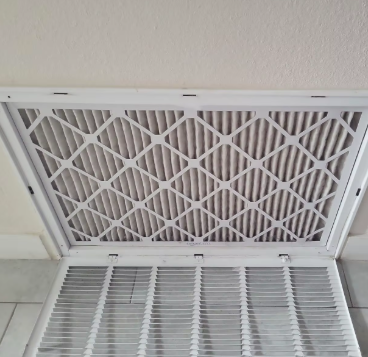
The short answer is no—a pleated filter won’t inherently damage your HVAC system. However, choosing the wrong efficiency level or neglecting your replacement schedule can strain your equipment. As an air filter manufacturer, we see firsthand how misunderstanding airflow leads to unnecessary system wear.
Understanding MERV Ratings and Airflow Restriction
The MERV rating measures how effectively a furnace filter traps contaminants like dust particles, pollen, and pet dander. Higher MERV ratings mean tighter synthetic filter weaves, which capture smaller air pollutants but also increase airflow resistance.
If your system has to work too hard to pull air through a dense pleated filter, it creates a high pressure drop. To avoid choking your system while maintaining great indoor air quality, check out our MERV 8 vs MERV 11 air filters guide to find the perfect balance between filtration efficiency and safe airflow.
Why Some HVAC Technicians Recommend Fiberglass
Many HVAC technicians lean toward fiberglass panel filters for one simple reason: they guarantee completely unrestricted airflow. Because fiberglass filters are highly porous, they rarely cause a dangerous pressure drop, even if a homeowner forgets basic maintenance.
- Fiberglass filters: Offer low airflow resistance, but provide minimal protection against smaller allergens and dust mites.
- Pleated filters: Deliver exceptional protection for your home air filter setup, but require regular swaps to prevent a clogged HVAC filter from straining the blower motor.
Technicians often recommend fiberglass as a fail-safe against neglect. However, switching to a properly sized pleated filter gives you far better dust and allergen defense without risking your system.
How to Choose the Right Air Filter for Your Home
Choosing between pleated vs fiberglass air filters comes down to your household needs, your budget, and your HVAC system. As an air filter manufacturer, we look at how different home air filters impact both your indoor air quality and your wallet.
| Household Type | Recommended Filter Type | Key Benefit |
|---|---|---|
| Pets & Allergies | High-Efficiency Pleated (MERV 11-13) | Captures dander, pollen, and dust mites |
| Budget-Conscious | Standard Pleated (MERV 8) or Fiberglass | Low upfront cost, basic system protection |
| Vacant/Rental Homes | Fiberglass Panel Filters | Cheap protection against large dust particles |
Best Options for Pet Owners and Allergy Sufferers
If you share your home with furry friends or constantly battle seasonal allergies, fiberglass panel filters will not cut it. You need a high-quality pleated furnace filter to trap microscopic air pollutants before they recirculate.
- Dander and Hair: Pets constantly shed fur and microscopic dander that triggers asthma and allergies.
- Microscopic Contaminants: High-efficiency synthetic filters easily trap tiny dust mites, mold spores, and pollen.
- Upgraded Protection: For severe allergies, choosing the best furnace filters for homes with pets ensures your indoor air stays clean and breathable.
Best Options for Budget-Conscious Homeowners
When keeping maintenance costs low is your main goal, you have to balance the upfront price with the actual filter life.
- Fiberglass Filters: These are the cheapest options upfront. However, they only catch large dust particles and need a replacement schedule of every 30 days.
- Standard Pleated Filters: A MERV 8 pleated filter costs slightly more than fiberglass but lasts up to 90 days.
- The Smart Budget Choice: Standard pleated filters offer the best value. They provide far better filtration efficiency than fiberglass while protecting your HVAC system from expensive dust buildup, saving you money on repairs down the road.
Frequently Asked Questions About HVAC Filters
How Often Should You Replace Pleated vs. Fiberglass Filters?
The replacement schedule for your home air filters depends entirely on the material and your household environment.
- Fiberglass panel filters: These need to be changed every 30 days. They have a low holding capacity for dust particles, and leaving them in longer can clog your system.
- Pleated air filters: These typically last 90 days (3 months) in standard homes.
If you have multiple pets, suffer from severe allergies, or live in a dusty area, you should check your pleated filters every 60 days to maintain optimal indoor air quality.
Are Pleated Filters Worth the Extra Cost?
Yes, pleated options are absolutely worth the investment. While fiberglass filters have a lower upfront budget cost, they only catch large lint and dust mites. Pleated synthetic filters feature a much higher filtration efficiency, capturing tiny air pollutants like pollen, dander, and mold spores.
Because a pleated filter lasts up to three times longer than a fiberglass panel filter, the long-term cost difference is minimal, while the health benefits for your HVAC system and family are substantial. If you are debating the investment, we break down the data on whether are expensive air filters worth it to help you make the right choice for your budget.
How Do You Find the Right Filter Size?
Using the wrong furnace filter size allows unfiltered air and contaminants to bypass the system entirely.
- Check the old filter: Look at the plastic or cardboard frame of your current filter for the printed dimensions (Length x Width x Thickness).
- Measure the slot: If there is no text, use a tape measure to get the exact physical dimensions of the intake slot.
- Understand nominal vs. actual size: Print dimensions are usually “nominal,” rounded numbers. For exact measurements, learn how to measure your air filter size nominal vs actual , so you don’t purchase a replacement that is too loose or too tight.