Are you struggling to figure out exactly which MERV rating filter you should use in your home?
Choosing the wrong air filter doesn’t just impact your indoor air quality—it can actually choke your HVAC system and skyrocket your energy bills.
You might already know that a higher rating traps more dust, pollen, and pet dander…
But is a higher MERV rating always better for your specific AC unit?
In this guide, you’re going to learn everything you need to know to make the right choice, step by step.
We’ll break down exactly how the MERV rating scale works, compare the most common residential options like MERV 8, 11, and 13, and reveal the hidden dangers of airflow restriction.
So if you want to breathe cleaner air without accidentally ruining your furnace, this guide is for you.
Let’s dive right in.
What is a MERV Rating?
MERV stands for Minimum Efficiency Reporting Value. It is the universal standard used by HVAC professionals to grade the overall effectiveness of air filters. Put simply, a MERV rating tells you exactly how well a filter can capture and hold air pollutants before they circulate back into your living space. As a dedicated MERV filter manufacturer, we rely on this system to engineer products that effectively purify the air inside residential homes.
Understanding the MERV Rating Scale
The MERV scale typically ranges from 1 to 20. The higher the rating, the finer the filtration, meaning the filter can catch significantly smaller particles.
Here is a quick breakdown of what different tiers capture:
- MERV 1-4: Basic lint and large dust particles.
- MERV 5-8: Pollen, dust mites, and mold spores (Standard filtration).
- MERV 9-12: Pet dander, auto emissions, and fine allergens.
- MERV 13-16: Bacteria, sneeze droplets, and smoke from wildfires (High efficiency filter).
Why MERV Ratings Matter for Indoor Air Quality
Your HVAC system acts as the lungs of your house. Choosing the correct MERV rating is the most critical step in managing your indoor air quality and ensuring your equipment runs efficiently.
- Breathtaking Health: By actively removing allergens, you reduce daily triggers for asthma and respiratory sensitivities.
- System Longevity: A properly rated filter stops dirt from coating the internal components of furnaces and AC units, preventing costly breakdowns.
- Targeted Air Purity: Whether you are fighting heavy pet dander or seasonal pollen, understanding this rating lets you build a customized defense for your home’s air.
Common MERV Ratings for Residential Homes
As a MERV filter manufacturer, we see firsthand what works and what doesn’t. For residential homes, you don’t need industrial hospital filters. The goal is to balance indoor air quality with the health of your HVAC system. If you are wondering which MERV rating filter you should use in your home, the answer almost always falls into a specific, effective range. For a quick baseline on how this scale operates, you can review our complete guide to MERV ratings.
MERV 8: Standard Protection for Dust and Pollen
MERV 8 offers solid standard filtration. If your household is generally healthy and pet-free, this is the perfect starting point.
- What it stops: Dust particles, pollen, lint, and dust mites.
- The benefit: It maintains excellent airflow with low static pressure, keeping your furnace running smoothly and efficiently.
- Best fit: Standard homes looking to block basic air pollutants without stressing their equipment.
MERV 11: Ideal for Homes with Pets and Allergies
Once you add pets or seasonal allergies to the mix, you need a stronger defense. If you are torn between a baseline filter and this upgraded option, our breakdown on MERV 8 vs MERV 11 air filters details exactly how they compare in a real home setting.
- What it stops: Pet dander, mold spores, smog, and fine dust.
- The benefit: Noticeably reduces airborne triggers for asthma and allergy sufferers.
- Best fit: Homes with dogs, cats, or mild to moderate respiratory sensitivities.
MERV 13: Maximum Filtration for Smoke and Viruses
MERV 13 is the highest-tier high-efficiency filter we typically recommend for standard home air filters. HVAC professionals often suggest this rating for households that demand clinical-level air control.
- What it stops: Bacteria, virus carriers, microscopic allergens, and smoke from wildfires.
- The benefit: Provides maximum residential protection against severe health threats.
- Best fit: Homes with immunocompromised family members, severe asthma, or those living in areas prone to heavy seasonal smoke.
MERV 8 vs. MERV 11 vs. MERV 13: Which is Better?
As a MERV filter manufacturer, we hear this question daily. When deciding which MERV rating filter you should use in your home, “better” simply means finding the right balance between clean air and system performance. You need to match the filter to your specific indoor air quality needs and your equipment’s capabilities.
Air Quality and Particle Removal Comparison
Upgrading your air filters changes exactly what gets trapped before it circulates through your rooms. Here is how the different levels stack up against common air pollutants:
- MERV 8 (Standard Filtration): Captures large debris like basic dust particles, pollen, and lint. It provides a solid baseline for typical residential homes without special health requirements.
- MERV 11 (Enhanced Filtration): Traps finer allergens, including pet dander and mold spores. This is the sweet spot for homes with pets or mild allergy sufferers.
- MERV 13 (High Efficiency Filter): Blocks microscopic threats, including bacteria, virus carriers, and smoke from wildfires. It is the top choice for families managing asthma or severe respiratory sensitivities.
| Filter Level | Ideal For | Key Pollutants Captured |
|---|---|---|
| MERV 8 | Standard Home Use | Dust particles, pollen, lint |
| MERV 11 | Pet Owners & Allergies | Pet dander, mold spores, smog |
| MERV 13 | Asthma & Heavy Smoke | Wildfire smoke, bacteria, fine dust |
Energy Efficiency and Airflow Concerns
It is a common misconception that higher is always better. Tighter filter media capture more particles but also restrict how much air passes through.
- Static Pressure: A MERV 13 filter creates higher static pressure than a MERV 8. If your HVAC system or furnace is older or not designed for it, this resistance forces the blower motor to work much harder.
- Energy Costs: Restricted airflow leads to longer running times, which directly spike your monthly energy bills.
- System Health: Pushing an incompatible system too hard can cause frozen coils or premature motor failure. HVAC professionals generally recommend MERV 8 or MERV 11 for standard systems because they protect your air quality without risking equipment damage.
To learn more about optimizing your system’s performance and choosing the perfect filtration setup, browse our air filter maintenance and selection guides for expert tips.
How to Choose the Right MERV Filter for Your Home
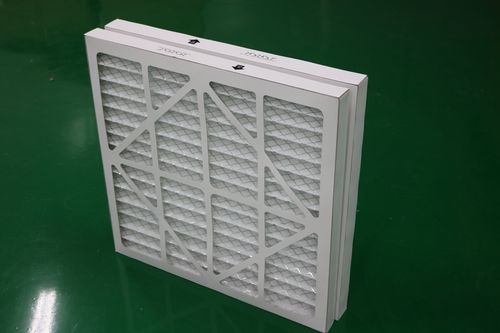
As a MERV filter manufacturer, we know that selecting the right filter is all about balancing clean air with system efficiency. Let’s break down how to find the perfect fit for your residential home.
Assessing Your Household Air Quality Needs
Before buying, take a look at the specific air pollutants in your environment.
- Standard Filtration: If you just need to trap everyday dust particles and seasonal pollen, lower ratings are highly effective.
- High Efficiency Needs: If you live in an area prone to wildfires or want to capture smaller threats like bacteria and mold spores, you will need a high-efficiency filter to maintain a healthy home.
Checking Your HVAC System Specifications
HVAC professionals constantly warn against using filters that are too restrictive for your unit. Higher MERV ratings create higher static pressure, which can strain older furnaces and AC units.
Always check your system’s manual to see its maximum rating limit. Additionally, understanding proper HVAC filter installation ensures you don’t accidentally restrict airflow further by putting the filter in backward.
| Filter Type | HVAC System Impact | Ideal Use Case |
|---|---|---|
| MERV 8 | Low static pressure, excellent airflow | Standard residential homes |
| MERV 11 | Moderate pressure, works with most systems | Improved indoor air quality |
| MERV 13 | High pressure, requires robust fans | Maximum filtration for severe pollutants |
Factoring in Pets, Asthma, and Sensitivities
Your family’s health dictates how aggressive your air filters need to be.
- Homes with Pets: Fluffy pets mean constant pet dander in your vents. Upgrading to a MERV 11 air filter is usually the sweet spot, trapping dander without choking your HVAC system.
- Asthma and Allergies: If anyone in the house suffers from asthma or severe sensitivities, you need to capture microscopic allergens. This is where moving up to MERV 13 becomes necessary.
- No Sensitivities: If you don’t have pets and your indoor air quality is generally good, stick to standard MERV 8 filters to keep your energy bills low and your system running smoothly.
Can a High MERV Rating Damage Your HVAC System?
As a MERV filter manufacturer, we constantly hear this concern from homeowners. The short answer is yes—if you aren’t careful. While a high-efficiency filter does a fantastic job of trapping tiny air pollutants like bacteria, allergens, and mold spores, it also makes the air work harder to get through. Think of it like trying to breathe through a heavy winter coat versus a light t-shirt.
Understanding Airflow Restriction Limits
Every furnace and AC unit is built to handle a specific amount of airflow resistance, known in the industry as static pressure.
- Older Systems: Generally built for standard filtration and often max out at MERV 8.
- Modern Systems: Designed with stronger blower motors to push air through a MERV 11 or MERV 13 filter without breaking a sweat.
When you use a filter that is too dense for your HVAC system, you restrict the airflow. This suffocates the blower motor. Interestingly, the severe mechanical strain of a completely blocked filter can cause just as much damage to your unit’s internal components as when people mistakenly run an air conditioner without a filter and let debris clog the evaporator coils.
Signs Your Air Filter is Too Restrictive
If you recently upgraded your filter to combat wildfire smoke or help with severe asthma, keep a close eye on your system. Watch for these warning signs:
- Weak Airflow: You barely feel air coming out of your room vents.
- Whistling Noises: A high-pitched sound near the return vent as the system struggles to pull in air.
- Short-Cycling: The furnace or AC turns on and shuts off repeatedly before reaching the set temperature.
- Spiking Energy Bills: The unit runs constantly to maintain your indoor air quality and temperature.
- Frozen Coils: Restricted air causes the AC coils to ice over.
When to Consult an HVAC Professional
If you notice any of the red flags above, swap your dense filter back to a lower rating immediately. If you are still unsure which MERV rating filter you should use in your home, it is time to call in the experts.
HVAC professionals can measure your system’s exact static pressure limits. They take the guesswork out of the equation and can tell you definitively if your residential home can safely run a MERV 13 to trap fine dust particles and pollen, or if you need to stick with a MERV 8 or MERV 11 to keep your equipment running smoothly.
MERV Filter Maintenance for Optimal Performance
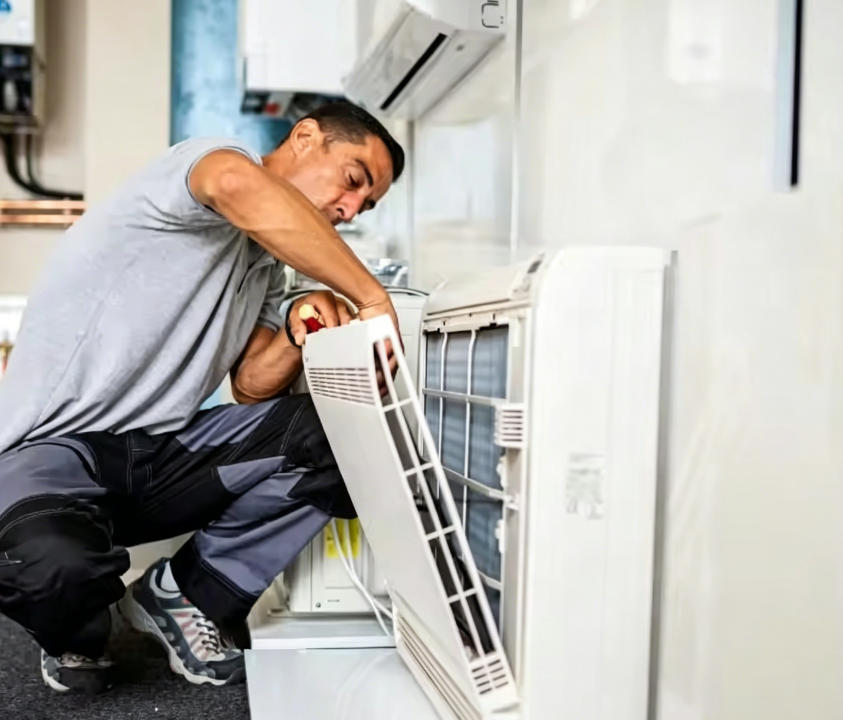
As a MERV filter manufacturer, we know that choosing the right filter is only the first step. To keep your HVAC system running efficiently and maintain excellent indoor air quality, you must stay on top of routine maintenance. Even a premium high-efficiency filter will fail if it gets clogged with dust and debris.
How Often Should You Change Your Air Filter?
A dirty filter restricts airflow, altering the static pressure in your HVAC system and forcing your furnace or AC to work harder. The replacement timeline for air filters largely depends on your household environment and the specific MERV rating filter you use in your home.
Follow these general guidelines to stay on track:
- Standard residential homes (No pets): Replace every 60 to 90 days.
- Homes with pets: Replace every 30 to 60 days to effectively trap excess pet dander and hair.
- Allergy or asthma sufferers: Replace every 30 to 45 days to minimize allergens.
- During high-pollution events: Check and replace monthly during periods of heavy smog or wildfires.
If you want to maximize the lifespan of your unit and improve your air, understanding how often to change your air filter based on your exact furnace setup is critical.
Tips for Maintaining Healthy Indoor Air Quality
Standard filtration using MERV 8, MERV 11, or MERV 13 filters forms the baseline of your home’s defense against airborne contaminants. However, you can boost your air quality further with a few simple daily habits to reduce air pollutants, dust particles, and pollen.
- Schedule annual tune-ups: Have licensed HVAC professionals inspect and clean your system every year.
- Manage humidity levels: Keep indoor humidity between 30% and 50% to prevent mold spores and bacteria from thriving.
- Vacuum frequently: Use a vacuum equipped with a HEPA filter to catch settled dust and pet dander before it gets kicked back up into your vents.
- Keep vents unblocked: Ensure furniture, curtains, and rugs are not covering your return vents to maintain proper airflow.
Frequently Asked Questions About MERV Ratings
What MERV rating is best for everyday home use?
For most residential homes, a MERV 8 air filter provides excellent standard filtration. It easily catches common air pollutants like dust particles and pollen.
- MERV 8: Ideal for basic dust control.
- MERV 11: The sweet spot if your family struggles with asthma or you need to manage pet dander and mold spores.
Before swapping anything out, we recommend checking what size air filter you need to ensure a perfect fit and prevent air bypass.
Is a higher MERV rating always better?
Not exactly. While a high-efficiency filter catches more allergens, it also naturally restricts airflow. Using an overly dense filter in standard furnaces can heavily increase static pressure. As a MERV filter manufacturer, we constantly agree with HVAC professionals on this: forcing your HVAC system to pull air through a filter it wasn’t built for will strain the blower motor and spike your energy bills. Always check your system’s maximum airflow limits.
What MERV rating is needed to filter out viruses?
To effectively capture airborne viruses and bacteria, you need at least a MERV 13 filter. These dense filters trap microscopic threats, radically improving indoor air quality. They are also your best line of residential defense for blocking heavy smoke from wildfires. If your HVAC system can handle higher static pressure and you need near-hospital-grade particle control, stepping up to MERV 14 filters is the logical next step for maximum airborne protection.