Ever noticed your vacuum cleaner blowing out dusty air, or realized it’s losing suction power and barely picking up dirt?
Before you start shopping for a brand-new machine, the fix might be much simpler (and cheaper): your filter. But can you wash and reuse a vacuum filter, or are you about to ruin it completely?
The truth is, rinsing the wrong type can destroy your vacuum, while ignoring a dirty washable filter suffocates your motor. Whether you are dealing with foam, mesh, paper, or HEPA filters, knowing the difference will save your machine and your wallet.
In this quick guide, you’ll learn exactly how to identify a washable vacuum filter, the step-by-step way to clean it without causing damage, and when it’s finally time to toss it for a replacement filter.
Can You Wash and Reuse a Vacuum Filter?
Maintaining peak performance in your cleaning equipment comes down to one critical component: the vacuum filter. As a leading vacuum filter manufacturer, we know that proper maintenance directly impacts efficiency. Many users wonder if they can wash and reuse these components to save money. The short answer is yes—but only if the filter is explicitly designed to be washable. Misidentifying your filter type can ruin your machine’s motor and compromise indoor air quality.
Identifying Washable vs. Non-Washable Filters
Distinguishing between washable filters and non-washable variants is the first step in proper vacuum maintenance.
- Washable Filters: Typically constructed from durable synthetic material or synthetic fiber, these are engineered to withstand water exposure without losing their structural integrity.
- Non-Washable Filters: Generally made of tightly woven paper or specialized fiberglass composites. Exposing these to water destroys the microscopic fibers, rendering the filter useless and blocking airflow entirely.
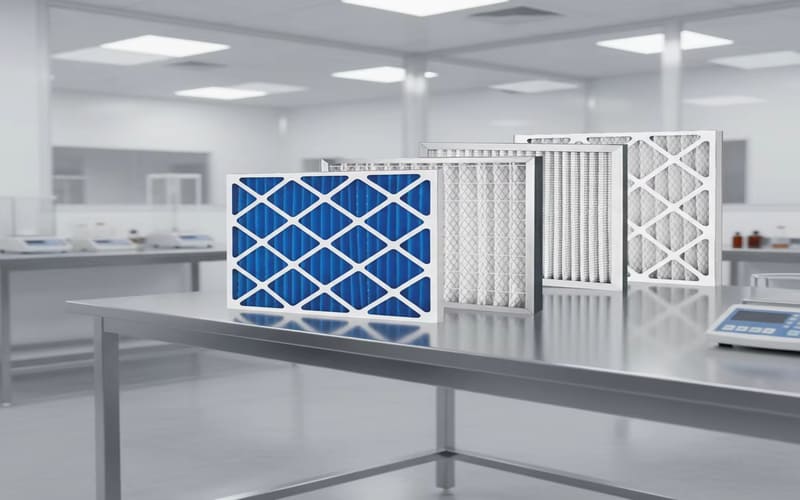
Types of Vacuum Filters: Foam, Mesh, Paper, and HEPA
Vacuum cleaners utilize different filtration tiers to capture debris and microscopic dust. Understanding these materials is essential for proper care:
| Filter Type | Material | Washable? | Primary Function |
|---|---|---|---|
| Foam Vacuum Filter | High-density sponge | Yes | Captures large debris and protects the motor. |
| Mesh Filters | Plastic or stainless steel | Yes | Acts as a pre-filter screen for hair and large particles. |
| Paper Vacuum Filter | Compressed cellulose | No | Traps fine dust; must be replaced, not washed. |
| HEPA Vacuum Filter | Fiberglass or synthetic blend | Varies | Captures 99.97% of fine particles; available in both styles. |
How to Tell If Your Vacuum Filter Can Be Washed
Before introducing any filter to water, verify its compatibility using these reliable methods:
- Check the User Manual: The manufacturer guidelines remain the ultimate authority on maintenance protocols.
- Look for Labels: Washable filters often feature a molded “Washable” stamp or a blue/green plastic casing. Non-washable paper filters typically have a cardboard frame.
- Inspect the Material: If the filter feels like a heavy-duty foam vacuum filter or a flexible synthetic fiber fabric, it is likely washable. If it resembles thick, pleated coffee filter paper, keep it dry and simply dust off the loose surface debris instead.
The Benefits and Importance of Cleaning Your Vacuum Filter
Keeping your vacuum filter clean is the easiest way to ensure your machine runs like new. As a vacuum filter manufacturer, we know firsthand how a clogged filter degrades your machine over time. Regular maintenance changes everything.
Improving Vacuum Suction Power and Performance
When you ignore a dirty filter, dust and debris choke the airflow. This drastically cuts down your vacuum’s suction power. Cleaning your washable filters regularly restores optimal airflow, allowing the machine to pick up dirt efficiently and maintain high air quality in your home.
Extending the Lifespan of Your Vacuum Cleaner
A clogged foam vacuum filter or HEPA vacuum filter forces the motor to work twice as hard. This causes overheating and premature motor failure. By keeping the filter clear, you reduce strain on the system and add years to your vacuum’s life. While we specialize in floor care, maintaining airflow systems is a universal rule—just like how replacing a cabin air filter protects a vehicle’s HVAC system, a clean vacuum filter protects your vacuum’s motor.
Cost Savings and Environmental Benefits of Reusing Filters
Washing and reusing your filters directly keeps money in your pocket and reduces plastic waste in landfills.
| Benefit Category | Financial Impact | Environmental Impact |
|---|---|---|
| Reusing Washable Filters | Saves money on frequent replacements | Cuts down on manufacturing and landfill waste |
| Optimized Motor Efficiency | Lowers electricity consumption | Reduces overall household energy footprint |
| Fewer Equipment Breakdowns | Prevents expensive vacuum repairs or replacements | Extends the life cycle of the appliance |
Step-by-Step Guide: How to Clean a Washable Vacuum Filter
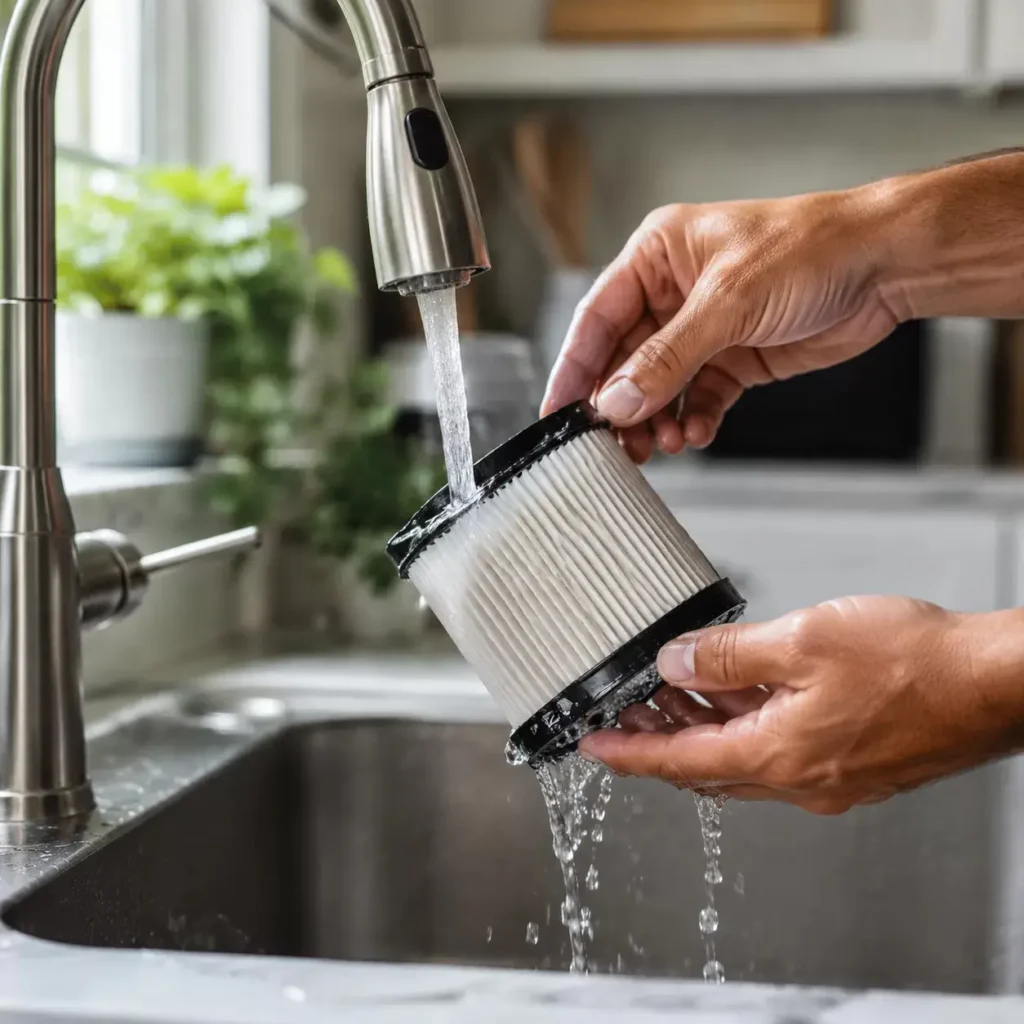
As a professional vacuum filter manufacturer, we know that proper maintenance is the secret to keeping your machine running like new. Washing your filter isn’t complicated, but doing it correctly ensures you don’t accidentally damage the synthetic material or compromise your vacuum’s motor. Here is our straightforward, foolproof cleaning guide to getting it done right.
Essential Materials and Tools Needed
You do not need fancy equipment to clean a washable filter. Gathering a few basic household items beforehand will make the process quick and efficient:
- Access to warm running water: A standard sink faucet works best.
- Mild dish soap: Optional, and only for heavily soiled foam filters.
- A soft-bristled brush or old toothbrush: For gently removing stubborn debris.
- A clean microfiber towel: To blot away excess moisture.
- A well-ventilated drying area: Crucial for the 24-hour air-drying process.
Washing Process for Foam and Mesh Filters
Foam and mesh filters are highly durable and resilient, making them the easiest types to maintain.
- Remove and Tap: Take the foam vacuum filter out of your machine and tap it gently against the inside of a trash can to dislodge loose dust off the surface.
- Rinse Thoroughly: Hold the filter under cool or lukewarm running water. Squeeze it gently as the water runs through it to flush out trapped dirt.
- Use Mild Soap If Needed: If the filter smells or contains oily residue, apply a drop of mild dish soap and work it into a lather. Rinse completely until the water runs clear.
- Squeeze and Blot: Press the foam between your hands to remove excess water. Do not wring or twist it, as this can tear the material. Blot it with a clean towel.
How to Correctly Wash and Rinse a Washable HEPA Filter
A washable HEPA vacuum filter requires a gentler touch than foam. Because HEPA filters rely on tightly woven synthetic fibers to capture microscopic allergens, rough handling can ruin their filtration efficiency. If you are also maintaining other household filtration systems, the steps here are quite similar to how to clean an air filter step-by-step without damaging the delicate pleats.
- Rinse the Pleats: Hold the HEPA filter under a gentle stream of running water. Direct the water from the clean side of the filter through to the dirty side to push the debris out.
- Avoid Friction: Do not scrub the pleats with a brush or rub them together. Let the water pressure do the heavy lifting.
- Shake Off Excess Water: Gently shake the filter over the sink to remove standing water.
- Dry Completely: Place the filter in a warm, dry spot with good airflow. Never reinstall it while damp, as this can lead to mold growth and permanent odor issues.
Common Mistakes to Avoid When Washing Vacuum Filters
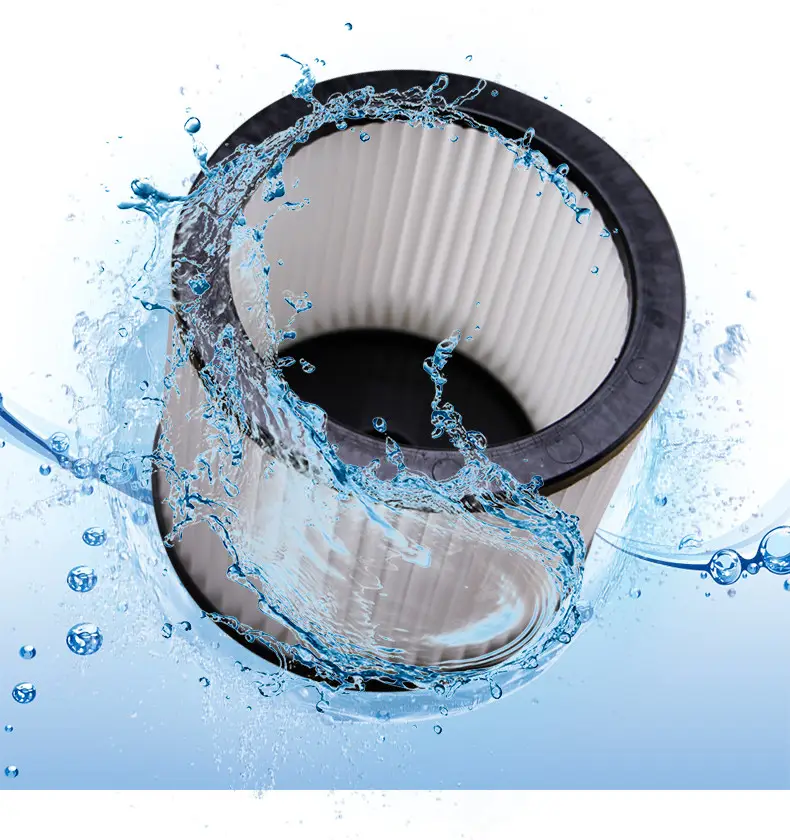
Washing your vacuum filter seems straightforward, but a few simple missteps can ruin your machine’s motor or destroy the filter media entirely. To keep your vacuum running at peak performance, avoid these common maintenance blunders.
Why You Must Let the Filter Dry Completely Before Reusing
Never put a damp filter back into your vacuum cleaner. Reassembling the unit while the filter is even slightly wet creates a breeding ground for mold and bacteria, leading to foul odors every time you clean.
More importantly, drawing airflow through a wet filter pulls moisture straight into the electric motor. This can short out the motor, cause internal rust, and permanently kill your vacuum.
- Minimum Dry Time: Always allow the filter to air dry for a full 24 to 48 hours.
- Drying Environment: Place it in a well-ventilated, dry area out of direct, intense sunlight.
- The Touch Test: Feel the center or densest part of the foam or fabric to ensure zero moisture remains before installation.
The Dangers of Using Harsh Chemicals or Hot Water
When cleaning a washable filter, stick to cold or lukewarm water.
Warning: Avoid hot water, bleach, dishwashing detergents, or harsh chemical cleaners.
Excessive heat can shrink or warp plastic frames and degrade synthetic fibers. Harsh chemicals break down the structural integrity of a foam vacuum filter or specialized HEPA filters, rendering them useless at trapping fine dust. Clean water and a gentle hand are all it takes to rinse away the trapped debris.
How to Clean Non-Washable Paper or HEPA Filters Safely
If your vacuum uses a paper vacuum filter or a non-washable HEPA element, introducing water will instantly ruin it. Water causes paper and certain delicate fibers to disintegrate, blocking airflow completely.
To safely extend the life of a non-washable filter without washing it, use these dry-cleaning methods:
- The Tap Method: Take the filter outside and gently tap it against the inside of a trash can to dislodge loose dust and dirt build-up.
- Soft Brush Dusting: Use a soft-bristled brush or an old toothbrush to gently sweep away debris from between the pleats.
- Compressed Air: Use a can of compressed air to blow through the filter from the clean side out, clearing the trapped particles without damaging the delicate panel HEPA filters structure.
When to Replace vs. Clean Your Vacuum Filter
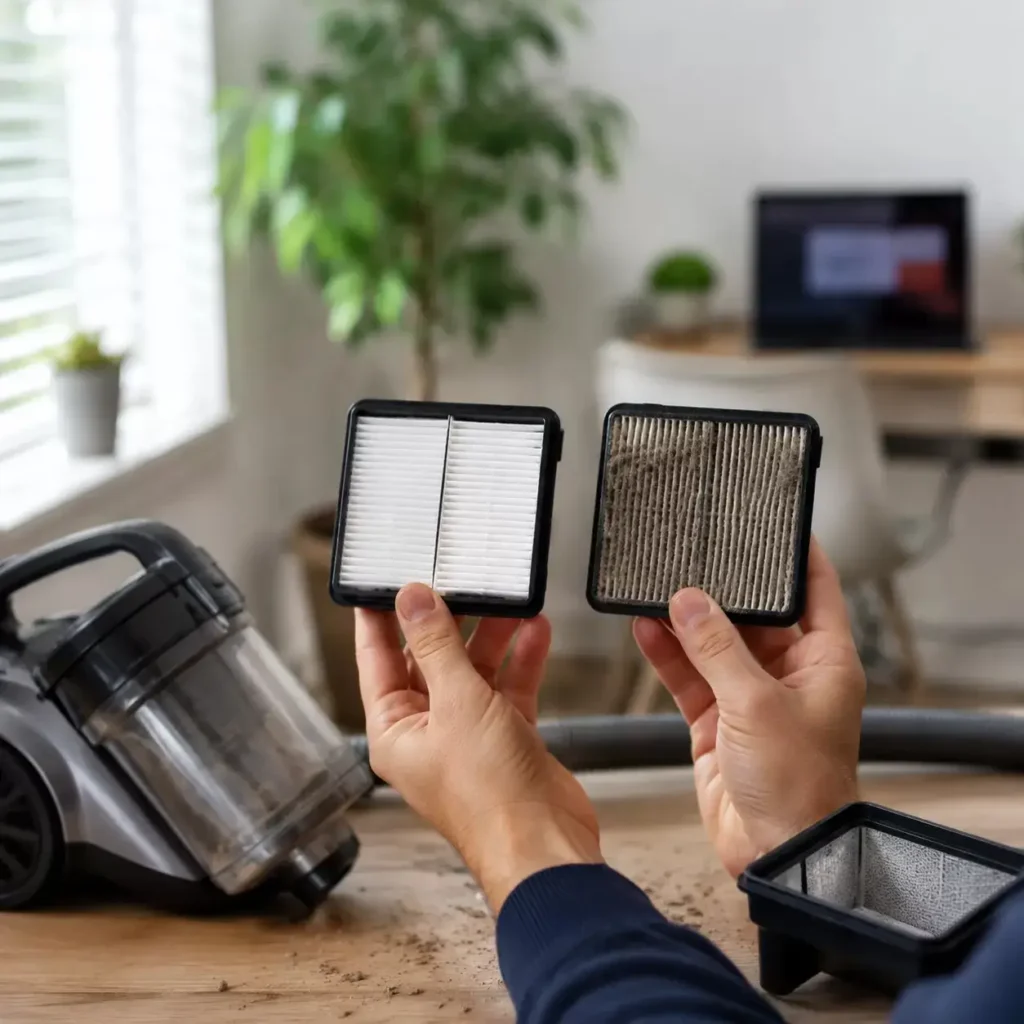
Cleaning extends the life of washable filters, but no filter lasts forever. Knowing when to wash and when to completely replace your filter keeps your vacuum running like new and protects your indoor air quality.
Signs Your Vacuum Filter Needs to Be Replaced
Even with regular maintenance, filters eventually degrade. It is time to skip the rinse and buy a new replacement filter if you notice these warning signs:
- Persistent Odors: The vacuum emits a musty or dirty smell even after a thorough washing and drying cycle.
- Visible Damage: Look for tears in the synthetic fiber, cracks in the plastic housing, or gaps in the glue lines of a HEPA vacuum filter.
- Stubborn Clogging: Debris and fine dust remain deeply embedded in the synthetic material, and you cannot dust off the accumulation.
- Loss of Suction Power: The vacuum struggles to pick up dirt even though the bin is empty and the filter is clean.
Recommended Cleaning and Replacement Frequency
As a dedicated vacuum filter manufacturer, we recommend following a strict maintenance schedule to protect your machine’s motor.
| Filter Type | How Often to Clean | How Often to Replace |
|---|---|---|
| Foam Vacuum Filter / Mesh Filters | Every 2 to 4 weeks | Every 6 to 12 months |
| Washable HEPA Filter | Every 3 to 6 months | Every 12 months |
| Paper Vacuum Filter (Non-Washable) | Dust off after every few uses | Every 3 to 6 months |
Note: If you have pets or suffer from severe allergies, you may need to replace your filters more frequently to maintain optimal filtration, much like how households with pets must track how often to change your air purifier filter to keep rooms fresh.
How to Choose and Install a New Replacement Filter
Finding and installing the right part ensures your machine maintains maximum suction power.
- Check the User Manual: Locate the exact model number of your vacuum cleaner printed on the rating plate (usually on the bottom or back of the machine).
- Match the Specifications: Ensure the new filter matches the original design, whether it is a rigid cartridge, a shaped foam vacuum filter, or a specific shop vac style.
- Remove the Old Filter: Open the filter compartment, release any locking tabs, and pull out the old, dirty filter.
- Insert the New One: Align the new filter correctly according to the airflow arrows, press it firmly into place to create a tight seal, and secure the compartment door.
Frequently Asked Questions About Vacuum Filter Maintenance
Can You Wash a Non-Washable HEPA Filter?
No. You should never wash a non-washable HEPA filter. These filters are typically made from tightly woven paper or specialized synthetic fibers that degrade instantly when exposed to water. Washing a non-washable HEPA filter will ruin its internal structure, destroy its ability to trap microscopic allergens, and potentially cause mold growth inside your vacuum. If your filter is labeled non-washable, simply tap it gently against the inside of a trash can to dust off loose debris, or replace it entirely to protect your indoor air quality.
How Long Does It Take for a Vacuum Filter to Dry?
A washed vacuum filter requires at least 24 to 48 hours to dry completely. Always air-dry the filter in a well-ventilated, warm area out of direct sunlight.
- Never use a hairdryer, microwave, or clothes dryer to speed up the process, as intense heat will warp or melt the synthetic material.
- Never reinstall a damp filter. Putting a wet filter back into your machine blocks suction power, ruins the motor, and creates a breeding ground for foul odors and mold.
Can You Clean and Reuse Furnace or Shop Vac Filters?
It depends entirely on the design and material of the specific filter.
- Furnace Filters: Standard fiberglass and paper furnace filters are strictly single-use and must be discarded. However, specialized electrostatic or plastic-mesh furnace filters are built to be washed and reused. For proper system maintenance, always check which way does the air filter go during reinstallation to ensure proper HVAC airflow.
- Shop Vac Filters: Most standard cartridge filters for shop vacs are made of paper and will transform into mush if they get wet. Only specialty blue or synthetic material shop vac filters are washable. If you are dealing with heavy cleanup and your filter is compromised, you need to know the risks before operating your equipment; running a cleanup without the right protection can destroy the motor, so understand what happens if you use a shop vac without a filter before turning the machine on.