Understanding Why Your Air Filter Is Black
Discovering a pitch-black furnace filter or AC filter during routine maintenance can be incredibly alarming. As a leading air filter manufacturer, we frequently hear from homeowners concerned about this sudden and dramatic discoloration. A standard filter is designed to turn a dusty, light grey over its lifespan. When your filter shifts to a solid black, it is actively capturing aggressive indoor air pollutants, signaling a severe compromise in your home air quality that requires immediate attention.
The Core Function of Your HVAC Filter
To understand why a black filter is problematic, you must first understand the system’s baseline mechanics. The primary job of your HVAC filter is not just to clean the air you breathe, but to protect your heating system and cooling system from internal damage.
- Capturing Airborne Debris: It actively traps normal dust buildup, pet hair, and standard pollutants before they circulate through your home.
- Protecting Vital Equipment: It prevents dirt from coating sensitive components, like the evaporator coil and delicate internal sensors.
- Maintaining Optimal Air Flow: A clean filter ensures your HVAC system operates efficiently without putting unnecessary strain on the blower motor.
Why a Black Filter is a Warning Sign
A standard, slightly grey filter indicates normal operation; a black filter is a serious red flag. Ignoring this visual indicator can lead to catastrophic system failure or severe health hazards. A black filter generally points to one of three urgent issues within your home:
- Black Soot Deposition: A heavy accumulation of soot, often linked to burning candles, indoor smoking, or malfunctioning gas appliances.
- Dangerous Moisture and Mold: Unchecked condensation or excess moisture promotes rapid mold growth directly on the filter media.
- Critical Clogging: Extreme neglect that severely chokes off system air flow, forcing the filter to capture highly concentrated, impacted dirt.
When your filter turns black, it has exhausted its capacity to protect your home. It transitions from a functional component to an urgent warning beacon for underlying HVAC threats.
Primary Causes of a Black Furnace or AC Filter
As an air filter manufacturer, we constantly hear the question: “Why is my air filter black?” When you pull out a dark, dirty AC filter, it is a clear sign that your cooling or heating system is working overtime to trap indoor air pollutants. Usually, the root cause falls into one of four main categories.
Soot Buildup from Candles or Fireplaces
Frequent use of burning candles, indoor smoking, or open fireplaces is a leading cause of a black furnace filter.
- The Problem: These activities release fine particles that cause rapid black soot deposition across your ventilation network.
- The Solution: Minimize indoor burning. If you regularly deal with smoke or heavy odors, upgrading to an activated carbon air filter provides superior filtration for trapping these fine soot pollutants and keeping your air clean.
Mold Growth Due to High Humidity
If your system has excess moisture, mold will quickly thrive inside your equipment.
- Condensation Issues: A heavily sweating evaporator coil or a backed-up drainage pipe introduces high humidity right into the ductwork.
- Visual Cues: Unlike dry soot, mold spores create a fuzzy, dark, and damp layer on the filter media. This ruins your home’s air quality and requires immediate attention.
Extreme Clogging from Pet Dander and Dust
Sometimes, a black filter is simply an incredibly old, clogged filter that has been neglected.
- Heavy Accumulation: A massive dust buildup mixed with oily pet hair and everyday household pollutants will eventually turn dark grey or black over time.
- System Impact: This severely restricts air flow, strains your HVAC equipment, and signals that you are long overdue for a filter replacement.
Severe Issues Like Carbon Monoxide
This is the most critical warning sign for your home and requires urgent action.
- Gas Appliance Failure: Malfunctioning gas appliances, like a gas water heater or an older furnace, can produce excessive soot and potentially deadly carbon monoxide gas.
- Immediate Action: If your heating system is producing a thick, black, greasy residue on the filter, shut the unit off. You need a qualified HVAC technician to perform emergency furnace maintenance to ensure your home is safe.
How to Identify the Black Substance on Your Filter
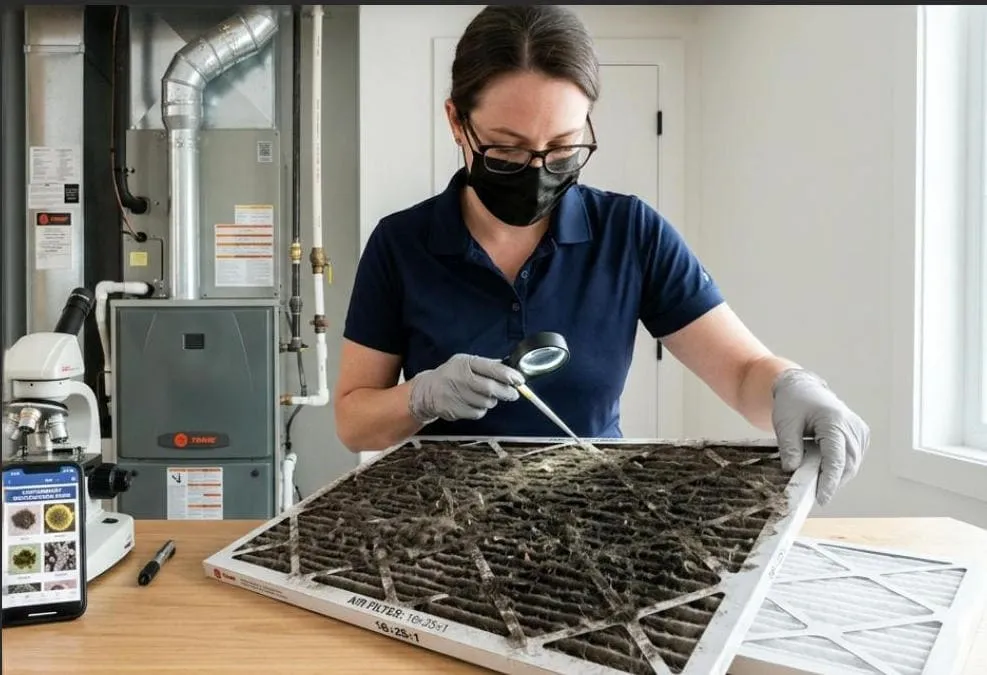
As an air filter manufacturer, we see countless heavily soiled furnace and AC filters. When you pull out a black filter, you need to determine exactly what you are looking at to protect your home’s air quality. The dark substance is almost always one of three things: soot, mold, or severe dust buildup.
Testing for Soot vs. Regular Dust
Every day dust buildup usually turns your filter a dull, grayish-brown. Soot, however, is intensely dark. If you frequently burn candles, allow indoor smoking, or use a fireplace, soot buildup is the most likely culprit.
Here is how to test it:
- The Smudge Test: Put on a disposable glove and lightly wipe your finger across the dark surface of the clogged filter.
- The Result: If the residue smears like dark, greasy makeup, it is black soot deposition. If it crumbles, feels dry, and falls off easily, it is simply heavy dust and pet hair.
- Know Your Filter: Understanding the difference between pleated vs fiberglass air filters can help you gauge how much normal dust your system should capture. Additionally, if you recently upgraded your HVAC system, double-check your purchase—carbon filters are manufactured with a naturally black charcoal layer and are meant to look that way.
Spotting the Visual Signs of Mold
Mold thrives on trapped moisture. If your cooling system has a clogged drainage pipe or heavy condensation lingering near the evaporator coil, mold spores will quickly colonize your filter.
- Visual Cues: Unlike soot, mold rarely coats the entire filter in an even layer. Look for patchy, speckled, or fuzzy black, brown, and green spots.
- The Scent: Trust your nose. Mold carries a distinct, musty, damp odor that typical indoor air pollutants do not produce.
Recognizing Indicators of Carbon Monoxide
Carbon monoxide is an invisible, odorless, and highly dangerous gas. While you cannot see the gas itself, the mechanical failures that cause it leave behind clear visual evidence. When a heating system or gas water heater malfunctions, it stops burning fuel cleanly, producing a heavy, sticky soot that rapidly turns your filter black.
- Check the Burner Flames: Inspect the pilot light or burners on your gas appliances. They should burn a crisp, steady blue. If the flames are flickering yellow or orange, the system is suffering from incomplete combustion.
- Take Action: If you notice sudden, thick soot buildup combined with yellow appliance flames, treat it as a carbon monoxide warning. Turn off the system and contact an HVAC technician immediately.
Actionable Steps When You Find a Black Air Filter
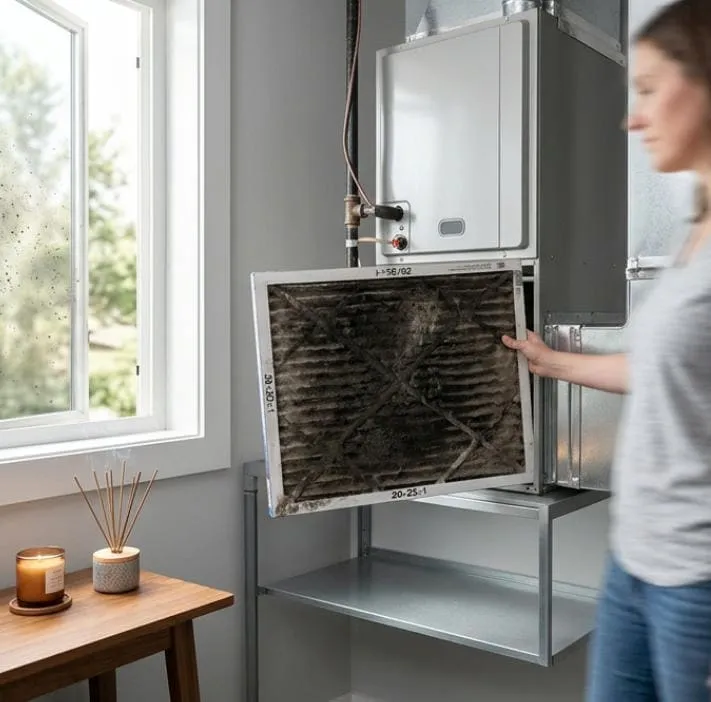
Discovering a black air filter can be alarming, but acting quickly protects your home air quality and your heating system. As an experienced air filter manufacturer, we recommend taking immediate, practical steps to resolve the issue before it strains your equipment or spreads dangerous indoor air pollutants throughout your home.
Replace the Clogged Filter Immediately
The very first thing you need to do is throw away the ruined filter. A severely clogged filter restricts air flow, forcing your cooling system and heating equipment to work overtime. This not only spikes your energy bills but can also cause your evaporator coil to freeze due to poor ventilation and trapped condensation.
While many homeowners frequently ask if can you clean air purifier filters or standard HVAC filters, a filter turned completely black by heavy soot or mold is entirely beyond saving. You must perform a complete filter replacement. Install a fresh furnace filter or AC filter immediately to restore proper air flow and efficiently capture ongoing dust buildup and pet hair.
Clean the Surrounding HVAC Vents
After replacing the filter, you must clean the immediate surroundings. Black soot deposition, pollutants, and mold spores rarely stay contained to the filter media; they easily cling to your vents, registers, and nearby drainage pipe areas.
- Vacuum the return vent: Remove loose dust buildup, heavy pet hair, and debris directly around the filter housing.
- Wipe down grilles: Use a damp microfiber cloth to wipe sticky soot or excess moisture off the metal grilles.
- Inspect for ductwork damage: Look for visible cracks or leaks near the vent that might be pulling dirty, unfiltered air straight from your attic or basement.
Eliminate Sources of Indoor Soot
To stop your new filter from turning black in just a few weeks, you must cut off the source. Continuous soot buildup is the leading cause of black filters in most households. Partnering with the best air filter manufacturers guarantees your system has high-quality filtration, but you still need to actively manage the source of the indoor pollutants.
- Stop burning candles: Scented candles produce a massive amount of airborne soot. Switch to battery-operated alternatives to keep your air clear.
- Halt indoor smoking: Cigarette and cigar smoke leave behind a thick, dark residue that rapidly ruins your home’s air quality.
- Check gas appliances: Ensure your gas water heater and furnace are venting correctly. Poor ventilation here can lead to heavy soot backdrafts and highly dangerous carbon monoxide exposure.
Professional HVAC Maintenance
If you are still asking yourself, “why is my air filter black?” after ruling out common indoor air pollutants, it is time to call in an expert. Sometimes, a severely clogged filter points to serious mechanical failures or safety hazards that require immediate professional attention.
Carbon Monoxide Threats
A dark, soot-covered furnace filter can be a massive warning sign of incomplete combustion from a gas water heater or heating system. This malfunction creates a deadly carbon monoxide risk.
- Act immediately: If you suspect gas issues, turn off the system.
- Call an HVAC technician: Never attempt to fix combustion problems yourself. A licensed pro must inspect the burners and exhaust to stop dangerous black soot deposition at the source.
Mold Remediation Services
When your cooling system fails to drain condensation properly, moisture gets trapped. This usually happens around the evaporator coil or stems from hidden ductwork damage.
- Identify the threat: A black ac filter accompanied by a damp, musty smell almost always means mold growth.
- Hire remediation experts: Simple DIY cleaning will not cut it. You need professionals to clear the drainage pipe, sanitize the ventilation system, and completely remove the mold to protect your home air quality.
Routine System Inspections
The easiest way to prevent extreme dust buildup and sudden breakdowns is proactive care. As an air filter manufacturer, we know that regular check-ups are the frontline defense against poor air flow and contamination.
- Book seasonal visits: Have a technician inspect your equipment every spring and fall.
- Educate yourself: Read our comprehensive indoor air quality guides to learn how to monitor your equipment between professional visits.
- Stay consistent: Routine maintenance stops pollutants early, ensuring your next filter replacement is routine rather than a rescue mission.