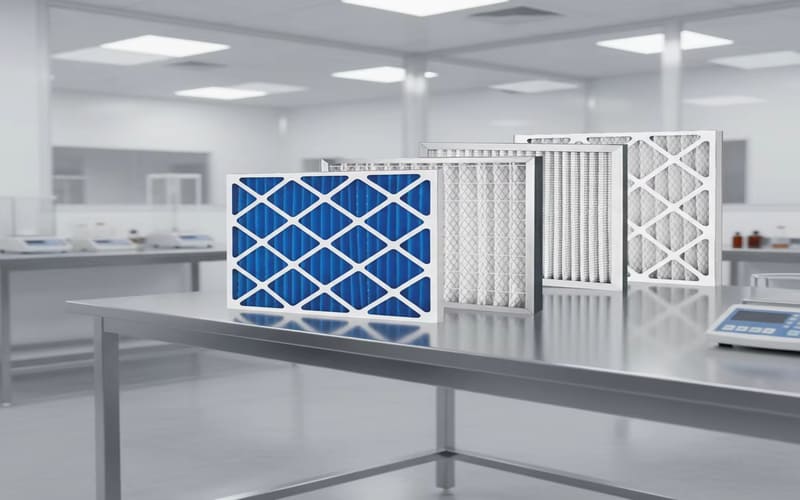
Are you confused by the different labels on your air filters? Choosing between MERV, FPR, and MPR can be the difference between breathing clean air and accidentally damaging your HVAC system.
I’ve spent years helping homeowners navigate these industry standards to improve their indoor air quality. In this guide, I’ll break down the filtration efficiency of each system and provide a clear comparison chart so you can stop guessing.
Understanding Air Filter Rating Systems: MERV, FPR, and MPR
Navigating the world of HVAC filters requires understanding three primary rating scales: MERV, FPR, and MPR. While they all measure how effectively a filter captures particulate matter, they originate from different organizations and use different metrics. Choosing the right rating is the most critical step in maintaining high indoor air quality and protecting your heating and cooling equipment.
Why Air Filter Ratings Matter for Indoor Air Quality
Air filter ratings are not just arbitrary numbers; they define the filter’s ability to trap specific contaminants. A higher rating indicates a denser mesh capable of stopping smaller particles. Selecting the correct rating ensures your home remains free from common irritants while maintaining optimal HVAC system performance.
- Health Protection: High-efficiency filters capture allergens, mold spores, and bacteria.
- System Longevity: Proper filtration prevents dust and debris from coating sensitive internal HVAC components.
- Energy Efficiency: Using the correct rating prevents excessive air flow resistance, which can spike utility bills.
The Difference Between Industry Standards and Brand-Specific Ratings
The primary confusion for consumers stems from the fact that one rating is a universal industry standard, while the others are proprietary scales developed by major retailers and manufacturers.
| Rating System | Origin | Scope | Key Focus |
|---|---|---|---|
| MERV | ASHRAE | Global Industry Standard | Overall filtration efficiency (0.3 to 10 microns) |
| FPR | The Home Depot | Brand-Specific (Honeywell) | Weighted average of particle capture and weight |
| MPR | 3M Filtrete | Brand-Specific (3M) | Ability to capture microscopic particles (<1 micron) |
While MERV (Minimum Efficiency Reporting Value) is the benchmark used by engineers and technicians worldwide, FPR and MPR were designed to simplify the shopping experience for retail consumers. Understanding how these scales overlap is essential for comparing pleated air filters across different brands.
What is a MERV Rating?
The Industry Standard for Filtration Efficiency
The Minimum Efficiency Reporting Value, or MERV, is the only nationally and internationally recognized rating system for air filters. Developed by ASHRAE, this scale measures a filter’s ability to capture particulate matter between 0.3 and 10 microns. Unlike brand-specific labels, MERV provides a universal benchmark, allowing us to compare different pleated air filters on an even playing field. The higher the rating, the more effective the filter is at trapping smaller, more harmful particles.
Common MERV Ratings for Residential Use (MERV 8, 11, and 13)
For most homes, we recommend staying within the MERV 8 to MERV 13 range to balance clean air with system health. Understanding what is a MERV air filter helps you identify which level fits your specific environment:
- MERV 8: The standard choice for most households. It effectively captures dust, lint, and pollen.
- MERV 11: A step up for superior indoor air quality. It handles pet dander, mold spores, and finer dust particles.
- MERV 13: The highest recommended rating for residential HVAC systems. It is capable of filtering out smoke, bacteria, and microscopic particles, making it ideal for allergy sufferers.
Pros and Cons of High MERV Filters
While a higher rating means cleaner air, it isn’t always the “better” choice for every machine. We have to consider the physical impact on your equipment.
- Pros: Significant reduction in airborne allergens, cleaner ductwork, and better protection against respiratory irritants.
- Cons: Increased air flow resistance. High-efficiency filters are denser, which can lead to a significant pressure drop. If your HVAC system isn’t designed for the resistance of a MERV 14 or 16 filter, it can cause the motor to overheat or reduce the overall lifespan of your furnace.
Choosing the right MERV rating is about finding the “sweet spot” where you get maximum filtration efficiency without suffocating your air handler.
What is an FPR Rating?
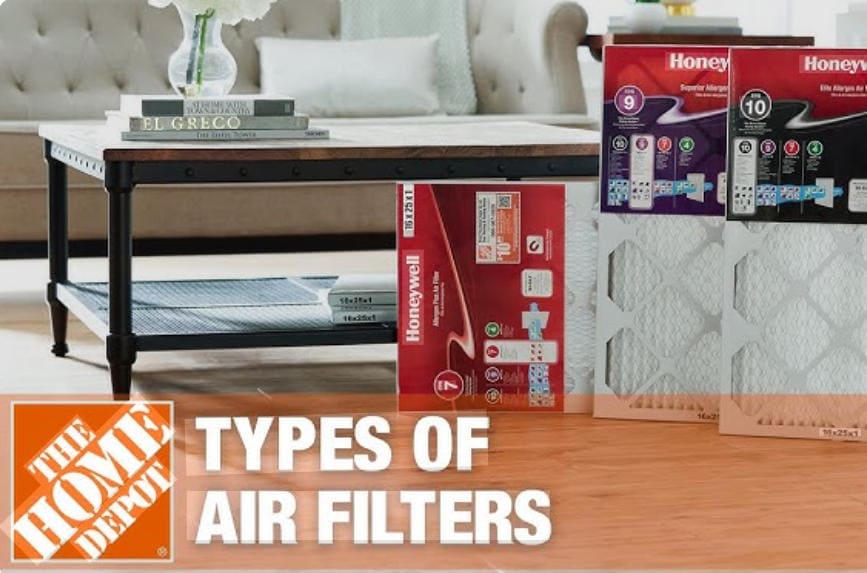
The Home Depot Filter Performance Rating Explained
The Filter Performance Rating (FPR) is a proprietary system developed by The Home Depot for the air filters sold in their stores, primarily the Honeywell brand. Unlike universal standards, FPR was designed to simplify the shopping experience for residential users by grouping filters into performance tiers based on their ability to capture specific particle sizes. While we focus on manufacturing filters that meet rigorous global benchmarks, understanding FPR is essential for homeowners who shop at large retail chains.
Decoding the FPR Color-Coded Scale (4 to 10)
The FPR system uses a numerical scale from 4 to 10, accompanied by a color-coding system to help you quickly identify the filtration level. A higher number indicates a more efficient filter capable of trapping smaller contaminants.
- FPR 4-5 (Green): Good for basic filtration, capturing large particles like dust and lint.
- FPR 6-7 (Orange): Better performance, targeting pollen, mold spores, and large allergens.
- FPR 8-9 (Red): Best for households with pets, as it filters pet dander and fine dust.
- FPR 10 (Blue/Purple): Premium filtration that captures smoke, bacteria, and microscopic allergens.
How FPR Differs from Standard MERV Levels
The primary difference lies in who governs the rating. MERV is an international industry standard set by ASHRAE, whereas FPR is a brand-specific marketing tool. Because FPR is only used for specific brands, it can be difficult to compare across different manufacturers. However, many users find that an FPR 7 or 8 provides a similar level of protection to a MERV 11 air filter when balancing airflow and filtration efficiency. While FPR is helpful for a quick retail choice, MERV remains the most reliable metric for technical accuracy and HVAC system compatibility.
Understanding MPR: 3M’s Rating System
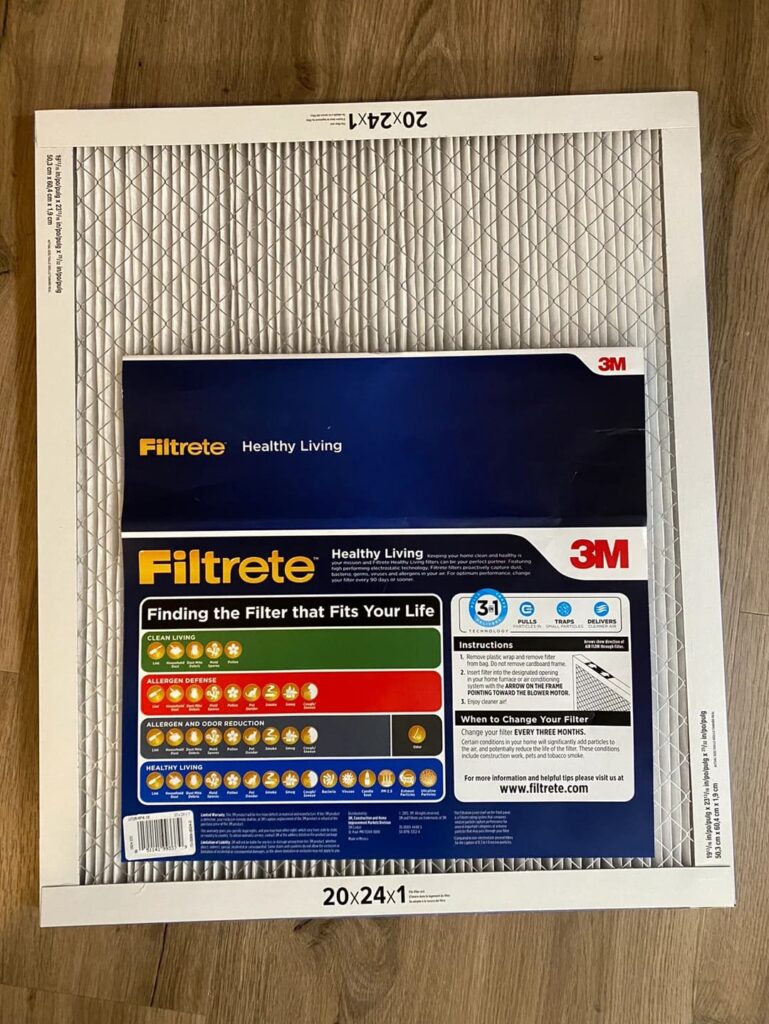
Microparticle Performance Rating (MPR) Defined
If you regularly buy 3M Filtrete HVAC filters, you are already looking at the MPR scale. MPR stands for Microparticle Performance Rating. 3M created this specific rating system to measure exactly how well a filter captures microscopic particles between 0.3 and 1 micron in size.
Instead of just focusing on larger debris, MPR targets the tiny, stubborn pollutants that easily bypass basic filters, such as smoke, bacteria, and fine particulate matter. As an air filter manufacturer, we know that trapping these invisible threats is the secret to superior indoor air quality. A higher MPR number means the filter utilizes a stronger electrostatic charge to pull and lock away these microscopic irritants from your air.
Comparing MPR to MERV and FPR
When looking at MERV vs FPR vs MPR, the biggest difference is ownership. The Minimum Efficiency Reporting Value (MERV) is the universal industry standard. FPR is a color-coding scale exclusive to Home Depot. MPR is strictly used for 3M Filtrete products.
Because MPR focuses heavily on the smallest particles, comparing it directly to standard air filter ratings requires a bit of translation. Here is how MPR generally aligns with the other scales:
- MPR 300 – 600 (Basic): Roughly equivalent to MERV 8 or FPR 5. These furnace filters handle everyday household dust and pollen.
- MPR 1000 – 1200 (Better): Aligns with MERV 11 or FPR 7. This level is great for capturing pet dander, smog, and mold spores.
- MPR 1500 – 1900 (Premium): Compares closely to a standard MERV 13 air filter. This tier delivers high filtration efficiency for allergens and bacteria without causing extreme air flow resistance in a typical residential HVAC system.
- MPR 2200+ (Elite): Similar to MERV 14 and up. These highly efficient pleated air filters push closer to HEPA filters, offering maximum defense against severe allergens.
While 3M’s MPR is a highly accurate metric for their own products, we always advise looking for the MERV equivalent. Using the universal standard helps you better predict the pressure drop and overall filter life for your specific equipment.
FPR vs. MERV: Side-by-Side Comparison
Comparing these scales is the only way to ensure you are getting the right level of protection for your home. While the numbers vary, they all measure the same core performance: how effectively the filter traps particulate matter like dust, pollen, and pet dander.
Is FPR 7 Equivalent to MERV 11?
Yes, an FPR 7 rating is generally considered equivalent to a MERV 11. At this level, the filter is efficient enough to capture smaller allergens and mold spores without severely restricting airflow. If you are looking for a balance between air quality and system health, this is often the “sweet spot” for most residential HVAC filters. Understanding these air filter ratings helps you cut through the marketing noise and choose what your system actually needs.
MERV, FPR, and MPR Conversion and Comparison Chart
Use this chart to quickly translate between the three most common rating systems found in retail stores and industrial settings.
| MERV Rating (Industry Standard) | FPR Rating (Home Depot) | MPR Rating (3M Filtrete) | Target Contaminants |
|---|---|---|---|
| MERV 8 | 4 – 5 | 600 | Dust, lint, and pollen |
| MERV 11 | 7 | 1000 – 1200 | Pet dander and mold spores |
| MERV 13 | 10 | 1500 – 1900 | Bacteria, smoke, and viruses |
Which Rating System is Most Reliable?
The Minimum Efficiency Reporting Value (MERV) is the most reliable because it is the universal industry standard. Unlike FPR or MPR, which are proprietary to specific brands, MERV allows for an honest comparison across all manufacturers. As a manufacturer, I prioritize MERV because it provides the most transparent data on filtration efficiency. While brand-specific scales are helpful for quick shopping, the MERV scale is what professionals use to ensure a system operates within its intended pressure drop and airflow limits.
How to Choose the Best Filter Rating for Your Home
As an air filter manufacturer, I constantly remind customers that navigating the MERV vs FPR vs MPR debate ultimately comes down to your specific living environment. The highest rating is not automatically the best choice for every house. You need to find the sweet spot between clean air and system performance.
Evaluating Your Household’s Air Quality Needs
Your first step is assessing what you actually need to filter out of your indoor air. Every home has a unique baseline for indoor air quality.
- Basic Needs: If you live in a mild climate without pets or allergies, a standard filter targeting basic dust and lint is sufficient.
- Allergies and Pets: If you deal with pet dander, pollen, or mold spores, you need higher filtration efficiency to capture these allergens.
- Heavy Pollutants: Homes exposed to wildfire smoke or heavy smog require filters designed to trap microscopic particles and fine particulate matter.
Before upgrading to a premium rating, ensure you are determining the correct air filter size for your specific unit, as an ill-fitting filter renders any rating useless.
Checking Your HVAC System’s Maximum Airflow Capacity
Your HVAC system needs to breathe. High-efficiency pleated air filters have dense materials that naturally create higher air flow resistance. This phenomenon is known as pressure drop.
If you install a filter with a rating that is too high for your older furnace or AC unit, the system has to work overtime to pull air through. This can lead to frozen coils, damaged blower motors, and premature system failure. Always check your equipment manual for the maximum recommended rating. Additionally, ensuring proper HVAC filter installation with the airflow arrows pointing in the right direction prevents unnecessary strain on your blower motor.
Balancing Filtration Efficiency with Energy Costs
Better filtration often means higher energy consumption. When your HVAC system fights against a restrictive filter, it runs longer and uses more electricity.
Filter Selection Matrix
| Household Profile | Recommended Rating Level | Energy Impact | Primary Targets |
|---|---|---|---|
| No pets, no allergies | MERV 8 / FPR 5 / MPR 600 | Low | Dust, lint, pollen |
| Pets, mild allergies | MERV 11 / FPR 7 / MPR 1000 | Moderate | Pet dander, mold spores, smog |
| Severe allergies, asthma | MERV 13 / FPR 10 / MPR 1900 | High | Microscopic particles, smoke, bacteria |
Select a filter that aggressively targets your specific air quality issues without suffocating your HVAC system or driving up your monthly utility bills.
Frequently Asked Questions About Air Filter Ratings
As an air filter manufacturer, we receive many questions about navigating the MERV vs FPR vs MPR landscape. Here are the most common concerns to help you make the right choice for your home.
Can a High-Rated Filter Damage Your HVAC System?
Yes, using a filter with a rating that is too high for your system can cause mechanical issues. HVAC filters with high filtration efficiency have a much tighter weave to catch microscopic particles. This tight material creates higher air flow resistance, commonly referred to as a pressure drop.
- The Risk: If your HVAC system is not built to handle this resistance, the blower motor has to work much harder to pull air through the filter.
- The Result: Over time, this restriction can lead to increased energy bills, frozen evaporator coils, or a completely burnt-out blower motor. Always check your system’s maximum airflow capacity before upgrading to the highest available rating.
How Often Should You Change Your Filter Based on Its Rating?
Filter life depends heavily on the rating level and your home’s unique environment. Because highly rated pleated air filters trap significantly more particulate matter, they naturally clog up faster than basic, low-rated filters.
- Standard Ratings (MERV 8 / FPR 5 / MPR 600): Typically last up to 60-90 days in a standard home.
- High Ratings (MERV 11+ / FPR 7+ / MPR 1000+): Often require replacement every 30 to 60 days, especially during peak heating or cooling seasons.
Understanding how often to change your air filter ensures your HVAC system runs efficiently while maintaining optimal indoor air quality.
What MERV Rating is Best for Pet Owners and Allergy Sufferers?
If you are battling daily allergens, standard furnace filters will not be enough. You need a filter equipped with an electrostatic charge designed to pull fine particles out of the air like a magnet.
- MERV 11: This is the sweet spot for homes with pets. It is excellent for trapping pet dander, dust mites, and heavy pollen.
- MERV 13: This is the top tier for residential use. It captures even smaller airborne threats, including mold spores, smoke, and certain bacteria.
For allergy sufferers, sticking to a MERV 11 or 13 provides the best defense for your indoor air quality without putting unnecessary strain on your heating and cooling equipment.