Understanding MERV Ratings and How They Work
What is a MERV Rating?
The MERV rating, or Minimum Efficiency Reporting Value, is the universal standard for evaluating the effectiveness of air filters. Developed by ASHRAE, this scale ranges from 1 to 16 for standard residential and commercial use. It identifies a filter’s ability to capture particles between 0.3 and 10 microns in size.
- Higher Ratings: Indicate a tighter weave in the filter media, capable of trapping smaller particles like smoke and bacteria.
- Lower Ratings: Generally used to capture larger debris like lint and dust bunnies to protect the mechanical parts of the system.
The Importance of Air Filtration for Indoor Air Quality
Indoor air quality (IAQ) is a critical factor in modern building health. Because indoor environments often trap pollutants, high-quality filtration acts as the primary barrier against airborne threats. Effective filtration is essential for:
- Respiratory Health: Reducing triggers for asthma and allergy sufferers.
- Contaminant Removal: Eliminating fine dust, mold spores, and pet dander from the breathing zone.
- Clean Environment: Minimizing dust accumulation on furniture and within ductwork.
As a dedicated MERV filter manufacturer, we focus on engineering pleated filters that provide the highest possible capture efficiency without unnecessarily taxing your equipment.
How MERV Ratings Impact Your HVAC System
Choosing a filter is a balance between air purity and mechanical performance. The MERV rating directly influences the airflow resistance within your HVAC system.
- Static Pressure: High-efficiency filters create a “pressure drop,” meaning the system must work harder to pull air through the dense material.
- Energy Consumption: If a filter is too restrictive for your specific furnace or AC unit, it can lead to higher utility bills and potential system overheating.
- System Longevity: Using the correct rating ensures the blower motor operates within its intended parameters, preventing premature wear and tear.
Understanding this relationship is vital for maintaining a healthy home while protecting your investment in climate control technology.
What is a MERV 11 Air Filter?
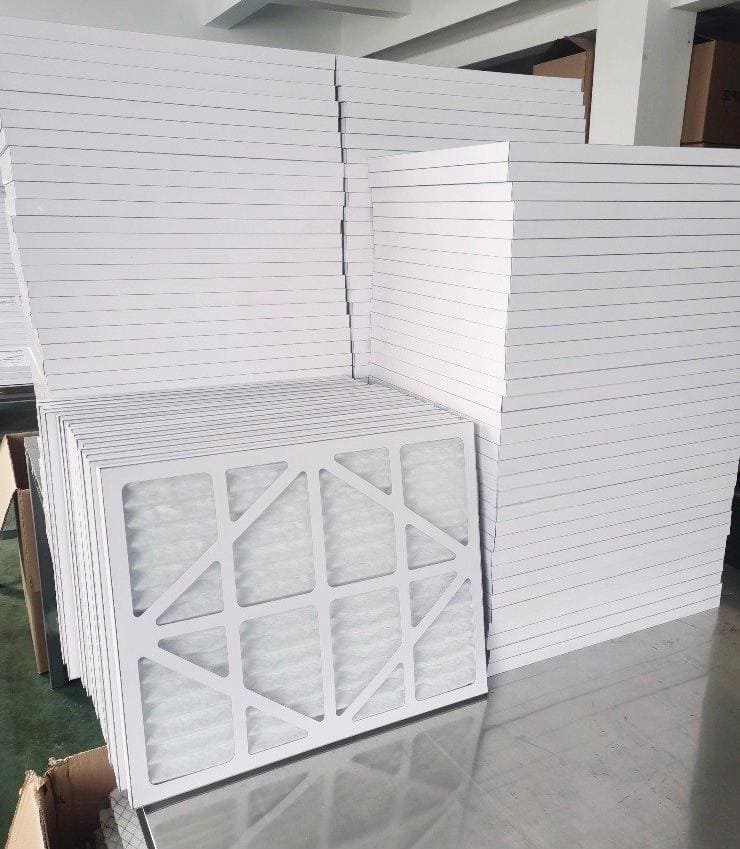
A MERV 11 filter is a high-performance pleated filter that balances air purity with system longevity. It is significantly more effective than entry-level filters, making it a staple for modern homes that require better-than-average air quality without compromising airflow.
Key Filtration Capabilities and Particle Capture
The primary strength of a MERV 11 rating is its ability to capture fine particles between 1.0 and 3.0 microns. We design these filters to stop contaminants that typically bypass lower-rated options, ensuring a cleaner environment and a cleaner HVAC system.
| Contaminant Type | MERV 11 Capture Efficiency |
|---|---|
| Dust Mites & Lint | Excellent (>85%) |
| Pollen & Mold Spores | Superior (>85%) |
| Pet Dander | High Efficiency |
| Fine Dust & Smog | 65% – 79% Efficiency |
Benefits for Pet Owners and Allergy Sufferers
If you have cats or dogs, a MERV 11 air filter is your first line of defense. It captures the microscopic dander that settles on furniture and triggers respiratory issues. For allergy sufferers, this filter level removes the majority of airborne triggers, ensuring the indoor air quality remains clean and breathable even during peak pollen seasons. It effectively reduces the “dusting frequency” in the home by trapping particles before they settle.
Typical Residential Applications
We typically recommend MERV 11 filters for the following scenarios:
- Standard Family Homes: Ideal for maintaining general health and household cleanliness.
- Homes with Multiple Pets: Effectively manages the increased bio-load from fur and dander.
- Regions with High Dust: Perfect for homes in arid climates or near construction zones.
- HVAC Coil Protection: By capturing fine dust, these filters prevent buildup on the evaporator coil, maintaining the energy efficiency of your furnace or AC.
- Moderate Respiratory Needs: Provides a significant upgrade for those with mild asthma or seasonal sensitivities.
What is a MERV 13 Air Filter?
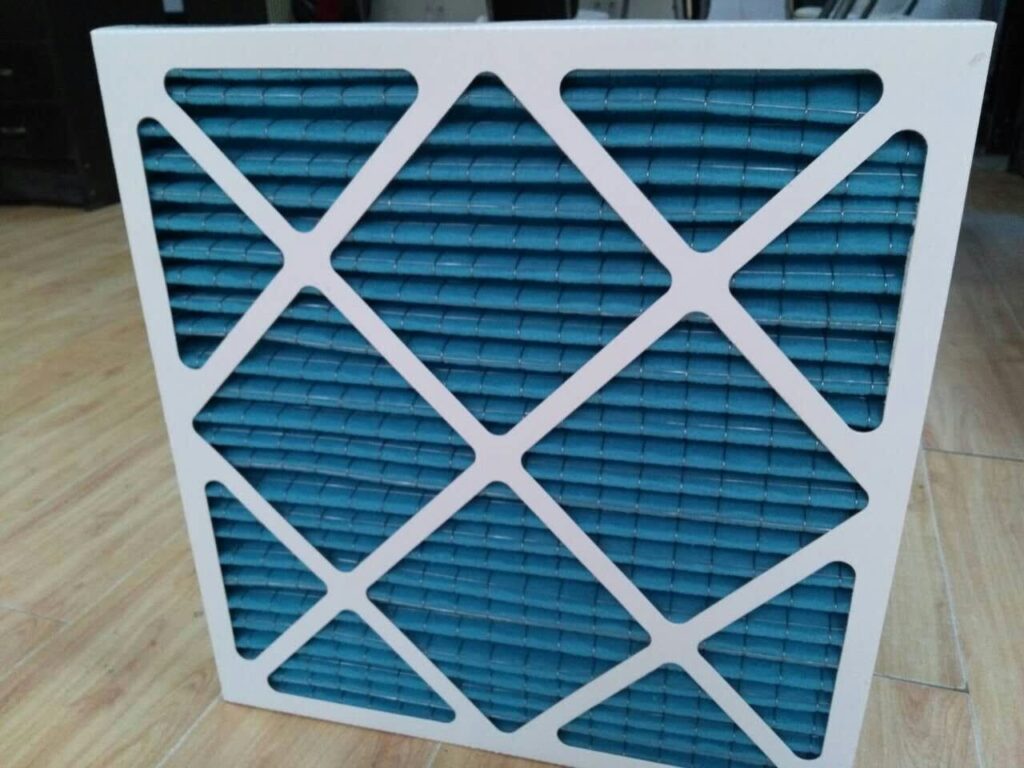
A MERV 13 filter is a high-efficiency upgrade designed to trap significantly smaller contaminants than standard filters. While lower ratings focus on dust and lint, MERV 13 targets microscopic particles that can bypass the body’s natural defenses. We recommend these for anyone looking to maximize their indoor air quality and protect their respiratory health.
Superior Protection Against Bacteria and Viruses
The primary advantage of a MERV 13 filter is its ability to capture sub-micron particles. On the MERV rating scale, this level of filtration is rated to trap:
- Bacteria and virus carriers: Captures up to 75% of particles sized 0.3 to 1.0 microns.
- Smoke and smog: Highly effective at removing fine combustion particles and wildfire smoke.
- Fine dust and droplets: Stops microscopic moisture droplets that often carry airborne pathogens.
Hospital-Grade Filtration for the Home
In the professional world, a MERV 13 air filter is often considered the baseline for hospital-grade environments, such as general surgery suites or inpatient care areas. By installing these in your residential HVAC system, you are bringing clinical-level protection into your living space. This filter uses a dense, pleated media with a high capture efficiency to ensure that the air circulating through your vents is as pure as possible.
Ideal Scenarios for High-Efficiency Filters
While MERV 11 is sufficient for many, certain situations make MERV 13 the necessary choice:
- Wildfire Prone Areas: Essential for filtering out fine ash and hazardous smoke particles.
- Immune Sensitivity: Best for households with newborns, the elderly, or those with compromised immune systems.
- Urban Pollution: Ideal if you live near high-traffic highways or industrial zones where fine dust and exhaust are prevalent.
- Pet Allergies: Provides the ultimate defense against the smallest fragments of pet dander and dried saliva.
When comparing MERV 11 vs MERV 13, the latter provides the most robust barrier against the invisible threats that impact long-term health.
MERV 11 vs. MERV 13: Key Differences Compared
Choosing between MERV 11 and MERV 13 requires balancing your need for clean air with the mechanical limits of your HVAC system. While both are high-quality pleated filters, the performance gap is most noticeable when dealing with microscopic contaminants.
Filtration Efficiency and Microparticle Removal
The primary distinction lies in the particle size these filters can trap. MERV 11 filters are highly effective at capturing common household allergens like pet dander, dust mites, and pollen. However, MERV 13 filters are designed to trap much smaller particles, including bacteria, smoke, and virus carriers.
| Particle Type | MERV 11 Efficiency | MERV 13 Efficiency |
|---|---|---|
| Large (3.0–10.0 microns) | 85% or more | 90% or more |
| Medium (1.0–3.0 microns) | 65% – 79% | 90% or more |
| Small (0.3–1.0 microns) | < 20% | > 75% |
Airflow Resistance and Static Pressure Impact
A higher MERV rating means a denser filter media. This density increases airflow resistance, also known as pressure drop. If your HVAC system is older or not designed for high-efficiency filtration, a MERV 13 filter can create significant static pressure, forcing the blower motor to work harder and increasing energy consumption.
In our experience, MERV 11 provides a safe “sweet spot” for most modern residential systems. If you are looking for a boost in performance without the extreme restriction of a 13, MERV 12 filters serve as an excellent middle-ground option for maintaining high indoor air quality without overtaxing your furnace.
Price Comparison and Filter Lifespan
- Initial Cost: MERV 13 filters typically carry a 20-30% price premium over MERV 11 due to the advanced synthetic media required to capture fine particles.
- Maintenance Frequency: Because MERV 13 filters capture more debris, they can clog faster in homes with heavy dust or multiple pets.
- System Longevity: Using a filter that is too restrictive (MERV 13) without regular changes can lead to system overheating and expensive repairs.
We recommend MERV 11 for standard homes seeking relief from seasonal allergies. We suggest upgrading to MERV 13 only if you live in areas prone to wildfires, have severe respiratory issues, or have a high-performance HVAC system capable of handling the increased resistance.
Will a High MERV Rating Damage Your HVAC System?
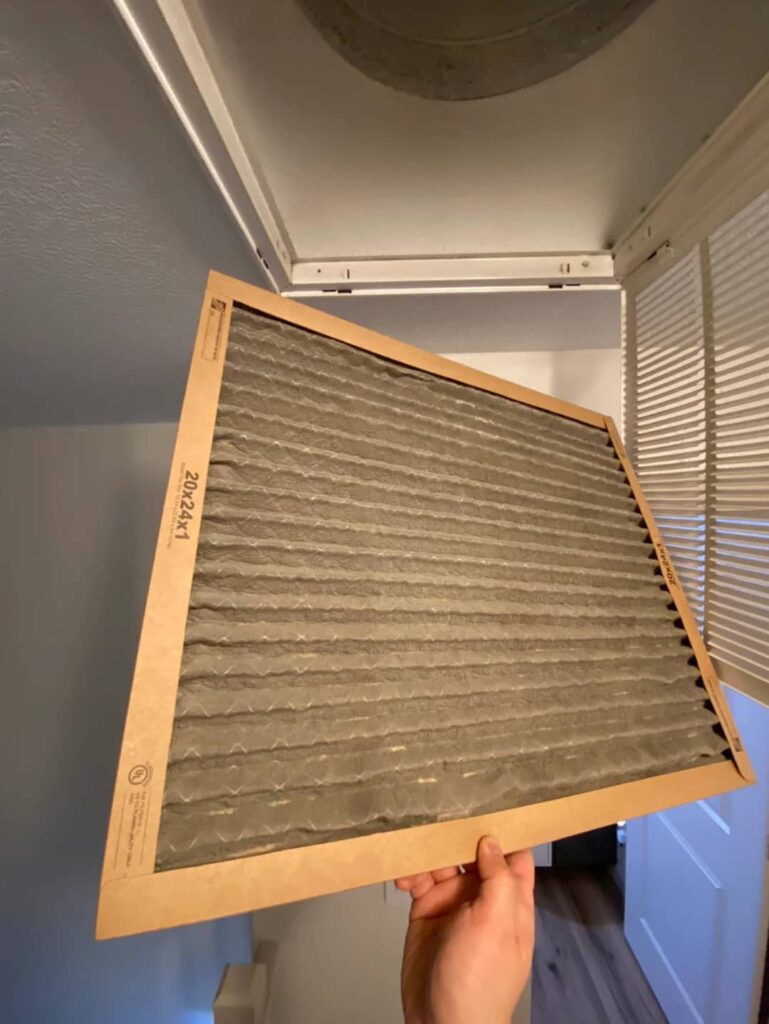
Many homeowners worry that upgrading to a high-efficiency filter will burn out their furnace motor. While it’s a valid concern, damage usually happens only if the system wasn’t designed for the extra resistance. We see this most often when a high MERV filter gets clogged with dust, compounding the initial airflow restriction.
Understanding Airflow Restriction and Pressure Drop
Every filter creates a “pressure drop,” which is the difference in air pressure between the front and back of the filter. Because MERV 13 filters have a tighter weave to catch smaller contaminants, they naturally offer more airflow resistance than a MERV 11. If the micron rating for air filters is very low, the holes are smaller, making it harder for the blower motor to push air through. If your HVAC system is older, this extra strain can lead to premature wear and tear on the blower motor.
Signs Your Filter Is Too Restrictive for Your Furnace
If you’ve recently upgraded your filter and notice these symptoms, your MERV rating might be too high for your current equipment:
- Weak Airflow: The air coming out of your vents feels noticeably weaker than before.
- Short Cycling: The furnace or AC turns off quickly because it’s overheating or the coils are freezing due to lack of air.
- Strange Noises: Whistling or humming sounds coming from the filter cabinet as air struggles to pass through.
- Higher Utility Bills: Your energy consumption spikes because the motor is running at max capacity to compensate for the resistance.
How to Ensure System Compatibility Before Upgrading
Before switching to a MERV 13, we recommend checking your HVAC unit’s manual for the maximum static pressure rating. If you want the filtration power of a MERV 13 without the heavy pressure drop, consider using a thicker 4-inch or 5-inch pleated filter if your cabinet allows it. These have significantly more surface area, which reduces resistance while maintaining high capture efficiency. Additionally, staying on top of how often to change your air purifier filter or furnace filter prevents the “double whammy” of a high-efficiency filter becoming a solid wall of dust that chokes your system.
Choosing the Right Filter: MERV 11 or MERV 13?
Deciding between MERV 11 vs MERV 13: Choosing the Right Air Filter comes down to your specific living situation and the capabilities of your HVAC system. While both are considered high-efficiency pleated filters, the jump from 11 to 13 is significant in terms of what they can stop from circulating through your home.
Assessing Your Household’s Health Needs
The health of your family is the primary driver in this decision. We generally recommend MERV 11 for households with pets or residents who suffer from mild seasonal allergies. It effectively captures pet dander, dust mites, and pollen. However, if a family member has a compromised immune system, severe asthma, or chronic respiratory issues, MERV 13 is the standard. It provides a much higher capture efficiency for microscopic droplets that carry bacteria and viruses.
Evaluating Your Local Environment and Air Pollution
Your geographic location plays a huge role in which filter you should buy.
- Urban Areas: If you live near a highway or in a city with heavy smog, MERV 13 is better at trapping fine smoke and exhaust particles.
- Wildfire Zones: During fire seasons, MERV 13 is essential for removing fine ash and wood smoke from the air.
- Rural Areas: If your main concern is large-particle dust or agricultural pollen, MERV 11 provides excellent protection without unnecessary airflow restriction.
Balancing Air Purity with Energy Efficiency
Higher filtration often means higher airflow resistance. A MERV 13 filter is more tightly woven, which can lead to a higher pressure drop across the system. If your furnace or AC unit is older, the motor might struggle to pull air through a MERV 13 filter, leading to increased energy consumption and potential wear and tear.
To keep your home comfortable without overworking your equipment, we suggest checking your system’s manual for the maximum recommended static pressure. Using high-quality HVAC air intake filters allows you to hit that “sweet spot” where you get superior indoor air quality without sacrificing the longevity of your HVAC components. For most modern homes, MERV 11 is the most cost-effective balance, while MERV 13 is the premium choice for maximum purification.
Installation and Maintenance Best Practices
Proper maintenance ensures your MERV 11 vs MERV 13: Choosing the Right Air Filter decision actually pays off in better air quality and system longevity. Even the best filter fails if it is neglected or installed incorrectly.
Recommended Filter Change Frequency
For most residential settings, a standard pleated filter lasts approximately 90 days. However, because MERV 11 and MERV 13 filters capture significantly more fine dust and allergens, they can clog faster than lower-rated options. We recommend checking your filter every 30 days if you have pets, smokers, or live in an area with high outdoor pollution. Understanding how often to change air filter units is the most effective way to prevent unnecessary strain on your HVAC system and keep energy costs down.
How to Properly Install Your New Air Filter
Installation is straightforward, but the direction of the filter is critical for performance. Installing a filter backward restricts airflow and can cause the pleated media to collapse.
- Locate the Airflow Arrow: Every filter frame has a printed arrow indicating the required direction of travel.
- Point Toward the Blower: The arrow must always point toward the furnace or air handler, which is the direction the air is moving.
- Ensure a Snug Fit: There should be no gaps around the edges. If air can bypass the filter, contaminants will build up on your evaporator coils.
Following a proper HVAC installation guide ensures that your system maintains the correct static pressure and filtration efficiency.
Alternative Rating Systems: Understanding MPR and FPR
While MERV is the industry standard used by air filter manufacturers, you will often see MPR (Microparticle Performance Rating) and FPR (Filter Performance Rating) in retail stores. These systems measure similar capabilities but use different scales.
- MERV 11: Generally equivalent to an MPR 1000-1200 or an FPR 7. It is a mid-to-high range residential filter.
- MERV 13: Generally equivalent to an MPR 1500-1900 or an FPR 10. This is considered the entry point for high-efficiency, hospital-grade residential filtration.
Regardless of the rating system on the box, focus on the particle size the filter is rated to capture to ensure it meets your household’s specific health needs.
Frequently Asked Questions
Is MERV 13 too high for a residential HVAC system?
It depends on the age and power of your specific unit. While MERV 13 provides excellent filtration, its density can create higher airflow resistance. Most modern HVAC systems are designed to handle the pressure drop of a MERV 13 filter, but older or smaller furnaces might struggle with the restriction. I always recommend checking your system’s manual or having a technician measure the static pressure to ensure you aren’t straining the blower motor.
Does a MERV 11 filter remove smoke and odors?
A MERV 11 filter is effective at capturing the physical particles found in smoke, such as fine ash and soot. However, it is less effective at neutralizing the gaseous chemicals and VOCs that cause odors. For those dealing with heavy smoke or lingering smells, using the best weed air filter for indoor smoke and odor control, which often incorporates activated carbon, is a much better solution for total air purification and scent removal.
Can I switch from MERV 8 to MERV 11 or 13 without modifications?
In most cases, you cannot swap a standard MERV 8 for a higher-rated filter as long as the physical dimensions match. However, higher MERV ratings involve denser media. When moving from basic options like pleated vs fiberglass air filters, keep a close eye on your energy consumption and system cycle times. If the furnace runs longer than usual or the air coming from the vents feels significantly weaker, the filter might be too restrictive for your current setup without a professional adjustment.
- Check compatibility: Ensure your HVAC motor can handle the increased static pressure.
- Monitor performance: Watch for signs of freezing coils or short-cycling after an upgrade.
- Size matters: Never force a filter that doesn’t fit perfectly; gaps allow unfiltered air to bypass the system.