Can You Run Without a Cabin Air Filter?
What is a Cabin Air Filter and What Does It Do?
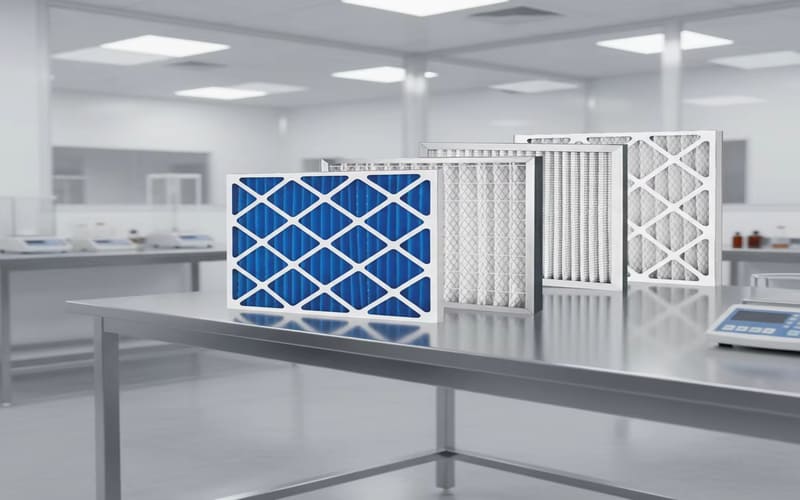
A cabin air filter is a critical component of your vehicle’s HVAC system, acting as the primary barrier between the outside atmosphere and the interior cabin environment. Positioned typically behind the glovebox or under the dashboard, its engineering purpose is to capture airborne contaminants before they enter the vehicle’s ventilation system.
High-quality manufacturing ensures these filters trap a wide range of microscopic and macroscopic irritants, including:
- Dust and road grit
- Pollen and environmental allergens
- Debris, leaves, and insect remnants
- Exhaust fumes and soot from other vehicles
By continuously purifying the air, the filter maintains high air quality and ensures healthy air circulation for all passengers inside the vehicle.
Is It Safe to Drive Without a Cabin Air Filter?
Yes, it is mechanically safe to drive without a cabin air filter, but it is highly inadvisable for long-term health and vehicle wellness. Running a vehicle without this component will not cause an immediate engine breakdown or compromise basic vehicle safety mechanisms like braking or steering.
However, removing the filter entirely leaves your climate control system completely exposed. Without this protective barrier, the air you breathe inside the cabin will contain significantly higher concentrations of allergy triggers, dust, and pollutants. While the car will physically operate, the cabin environment quickly degrades, exposing passengers to raw, unfiltered outside air.
How Long Can You Drive Without One?
Driving without a cabin air filter should only be a temporary, short-term solution—such as the brief period between removing a clogged filter and installing a quality replacement.
| Duration | Impact on Vehicle & Passengers |
|---|---|
| Short-Term (1–2 Days) | Negligible impact; acceptable during emergency replacements. |
| Mid-Term (1–2 Weeks) | Noticeable accumulation of dust on the dashboard; slight drop in ac performance. |
| Long-Term (1+ Months) | High risk of blower motor strain, airborne mold exposure, and debris entering the internal air ducts. |
As a premier global cabin air filter manufacturer, we advise against operating your vehicle’s air conditioning and heating systems for extended periods without a filter. Prompt car maintenance is essential to safeguard both your respiratory health and your vehicle’s mechanical components.
What Happens If You Drive Without a Cabin Air Filter?
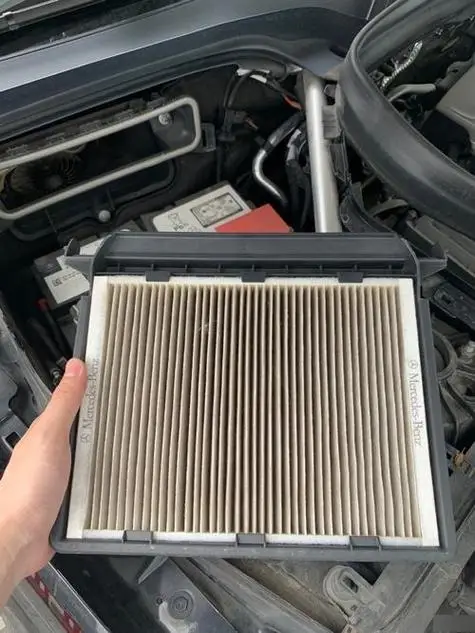
Operating your vehicle without this essential barrier triggers an immediate chain reaction inside the cabin. While the car will physically run, you are bypassing the only line of defense between your lungs and the road pollution outside. Over time, leaving the filter slot empty directly compromises your comfort, your health, and your climate control hardware.
Decline in In-Cabin Air Quality and Health Risks
Without a filter, the air circulation inside your vehicle degrades rapidly. The cabin environment becomes a magnet for outdoor contaminants like dust, pollen, soot, and toxic exhaust fumes.
- Allergy Triggers: Microscopic allergens stream directly through the vents, causing immediate sneezing, watery eyes, and coughing.
- Respiratory Strain: Prolonged exposure to raw highway air can aggravate asthma and other chronic respiratory issues.
- Interior Smog: Fine particulate matter settles onto your seats and dashboard, leaving a gritty film and a persistent, stale odor.
Reduced Airflow and HVAC System Performance
It sounds counterintuitive, but removing a filter does not permanently improve your airflow. In fact, it severely downgrades your overall HVAC system performance.
When debris enters the unprotected system, it clogs the intricate fins of the internal heating and cooling blocks. This restriction chokes the ventilation system, leading to weak airflow from the vents. As a result, your climate control system has to work twice as hard to regulate the temperature, drastically reducing your overall ac performance when you need it most.
Increased Potential for Mold and Mildew Growth
Moisture and airborne dirt are a dangerous combination inside an enclosed dashboard.
Warning: When airborne dust mixes with the natural condensation inside your air conditioning system, it creates a breeding ground for bacteria.
Without a cabin filter to trap organic matter, dirt accumulates directly on the cold, damp surfaces of the internal components. This leads to rapid mold and mildew growth. Once these spores take hold, they release a foul, sour smell through the vents every time you turn on the fan, which is incredibly difficult to clean and sanitize afterward.
Does a Missing Cabin Air Filter Cause Damage?
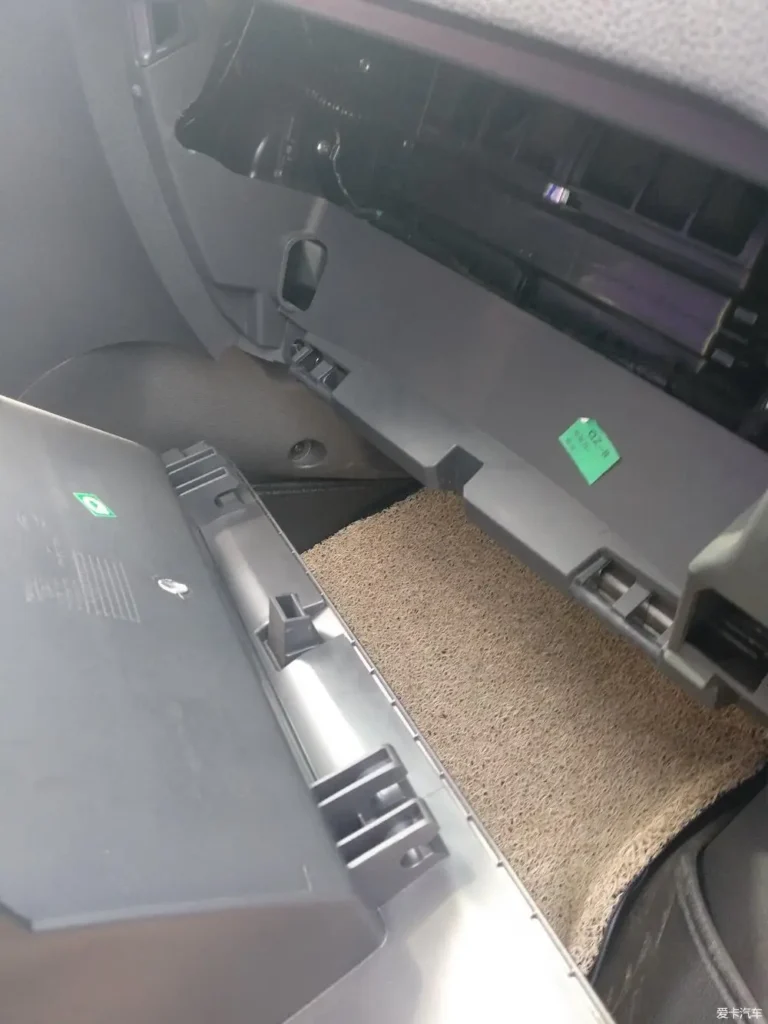
Running your vehicle without a cabin air filter is technically possible, but it invites long-term mechanical trouble. Leaving this slot empty exposes your entire climate control system to raw, unfiltered road debris. Over time, saving a few bucks on a replacement filter can result in expensive component failures.
Potential Damage to the Blower Motor and HVAC Components
The blower motor is the heart of your car’s ventilation system, pulling air into the cabin. Without a filter to shield it, this motor bears the brunt of incoming trash.
- Mechanical Strain: Leaves, twigs, and heavy dust wrap around the fan blades, throwing the motor out of balance.
- Electrical Burnout: As debris accumulates, the motor has to work twice as hard to push air, leading to overheating and premature electrical failure.
- Heater Core Degradation: Dust layers insulate the heater core, reducing heating efficiency and potentially causing corrosion over time.
Increased Debris in the Dashboard and Air Ducts
When you skip the filter, your air ducts turn into a highway for outside contaminants.
- Rattling Noises: Loose debris gets trapped deep inside the dashboard, creating annoying clicks and rattles every time the fan runs.
- Foul Odors: Moisture mixes with trapped organic debris inside the dark ductwork, creating a breeding ground for persistent, musty smells.
- Difficult Cleanups: Removing debris from inside a dashboard requires extensive labor, often forcing mechanics to dismantle the entire dash assembly just to clear a blockage.
Does a Missing Cabin Filter Affect Engine Performance?
The short answer is no.
It is a common misconception that a missing cabin filter hurts how your car drives. The cabin air filter and the engine air filter operate on completely separate systems.
The cabin filter strictly cleans the air inside the passenger compartment for occupant comfort. A missing cabin filter will not impact your fuel economy, horsepower, or acceleration. However, if you are experiencing performance issues alongside weak AC airflow, you should check both your engine filter and investigate what does a cabin air filter do to understand how these systems isolate interior air from the mechanical operations under the hood.
Can You Run Your Car AC Without a Filter?
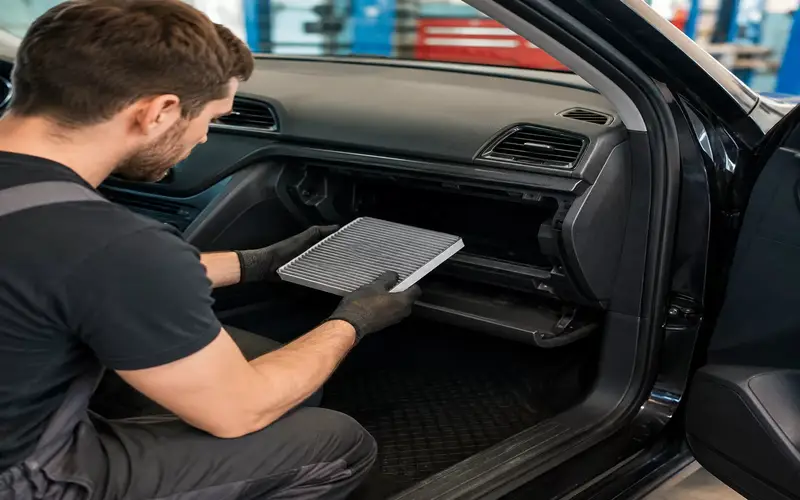
Yes, your car AC will physically run without a filter, but doing so directly compromises the efficiency and lifespan of your climate control system. The cabin air filter acts as the primary shield for your vehicle’s ventilation setup. Operating the AC without it allows unrestricted dust, dirt, and road debris to pull straight into the internal machinery.
Impact on Air Conditioning and Heating Efficiency
When you skip the filter, airborne contaminants quickly accumulate on the internal components. This buildup restricts overall airflow and disrupts the system’s ability to regulate temperature. Over time, your air conditioning will struggle to cool the cabin, and the heater will lose its warming efficiency. This forces the entire system to work twice as hard to maintain a comfortable cabin environment, reducing your fuel economy and placing unnecessary strain on the blower motor.
Increased Risk of Clogged A/C Evaporator Cores
Operating without a barrier means debris lands directly on the damp A/C evaporator core. This component naturally collects moisture during operation, turning it into a magnet for dust and pollen.
- Airflow Blockage: A thick layer of grime insulates the core, blocking heat exchange.
- Debris Accumulation: Leaves, hair, and dirt lodge deep inside the intricate fins.
- System Freeze-Ups: Reduced airflow across a dirty core often causes the evaporator to freeze over entirely, cutting off all air circulation.
If you notice a drop in performance before removing a filter, it is always wise to check if a simple cleanup fixes the issue. While you can easily learn how to clean air conditioner filter housings or mesh screens yourself, a clogged internal evaporator core is much harder to fix.
Potential Rise in Long-Term Repair Costs
What seems like a temporary shortcut can quickly turn into a massive repair bill. Cleaning or replacing a buried evaporator core or a burnt-out heater core requires mechanics to dismantle the entire dashboard.
| Potential Issue | Impact of Missing Filter | Financial Risk |
|---|---|---|
| Blower Motor Wear | Heavy debris clogs the fan blades, causing mechanical failure. | Moderate |
| Evaporator Core Corrosion | Trapped moisture and dirt cause premature leaks. | High |
| Mold in Ventilation | Untreated organic buildup creates foul odors throughout the cabin. | Moderate |
Investing in a timely replacement filter is a fraction of the cost of rebuilding a ruined HVAC system. Saving a few dollars today by running empty guarantees expensive labor costs down the road.
What If Your Car Doesn’t Have a Cabin Air Filter?
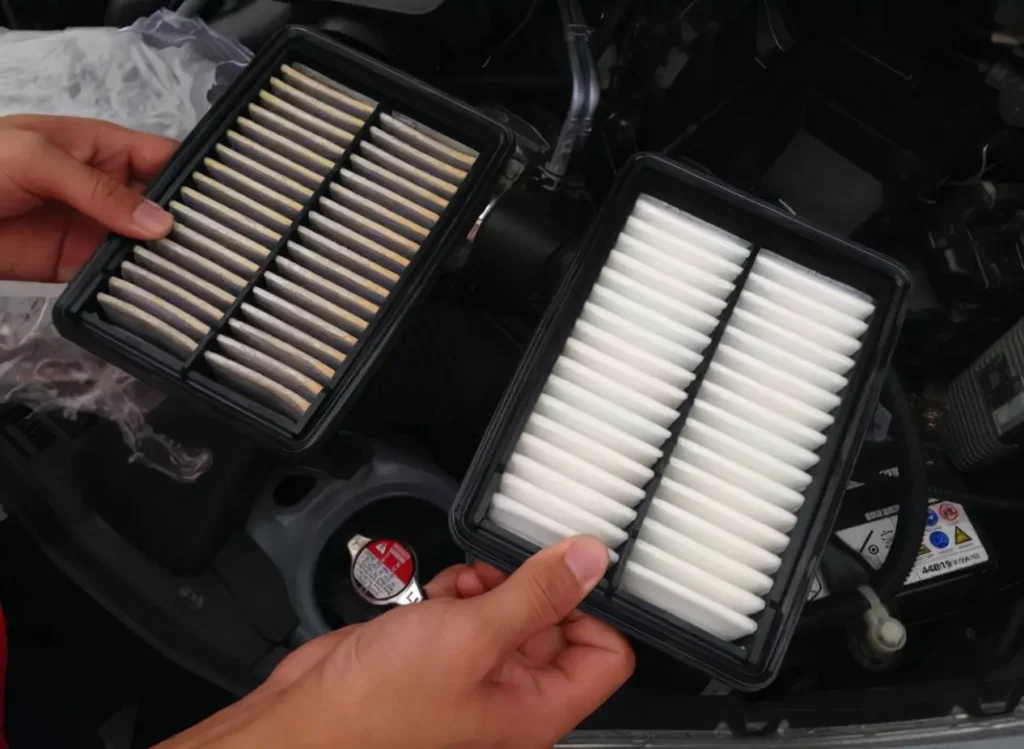
Not every vehicle on the road comes equipped with a cabin air filter. If you own an older model or a specific base-trim vehicle, your car might rely on basic mesh screens instead of a dedicated filtration system to manage the in-cabin climate control.
Identifying Vehicle Models Without Cabin Filters
Generally, most vehicles built before the year 2000 do not have a cabin air filter. Additionally, some modern budget-friendly cars and rugged trucks leave this feature out to reduce manufacturing costs.
Here is how to quickly check if your vehicle lacks one:
- Check the Owner’s Manual: Look under the air conditioning, HVAC, or maintenance sections.
- Inspect the Glovebox: Most filters sit right behind or underneath the glovebox assembly. If there is a solid plastic wall with no removable access panel, your car likely lacks a filter.
- Look Under the Hood: Check the plastic cowl near the windshield wipers where fresh air enters the ventilation system.
Solutions and Maintenance for Cars Without Cabin Filters
When a vehicle lacks built-in filtration, dust, pollen, and debris flow directly into the passenger cabin. This can degrade your overall air quality and put a strain on your blower motor.
To maintain a clean cabin environment without a built-in filter, use these maintenance strategies:
| Maintenance Area | Action Required | Frequency |
|---|---|---|
| Cowl Vent Cleaning | Clear out leaves, twigs, and debris from the base of the windshield. | Monthly |
| A/C Duct Sanitizing | Spray a specialized HVAC disinfectant cleaner into the intake vents. | Every 6 months |
| Interior Vacuuming | Vacuum the carpets and seats to remove trapped allergens and dust. | Bi-weekly |
| Air Purifier Usage | Use a portable plug-in air purifier to capture airborne contaminants. | Continuous |
If you want to upgrade your overall air quality beyond standard cabin filtration, understanding hepa vs carbon filters can help you choose the right portable purification setup for your vehicle.
Options for Installing an Aftermarket Cabin Filter
If your car did not come with a filter from the factory, you can often retrofit one. Many manufacturers use the exact same HVAC housing across multiple vehicle trims, meaning the slot for the filter is there, but it might be sealed shut.
- The Factory Housing Modification: For many older trucks and sedans, you can carefully cut open the plastic factory bypass panel in the HVAC housing, slide in a standard aftermarket filter, and seal it with an OEM or aftermarket retention clip.
- Cowl Intake Filtering: If the interior dashboard has no physical space for a modification, you can purchase universal filtration mesh or custom-cut charcoal media to fit directly over the exterior fresh air intake cowl under the hood. This stops debris before it ever enters the ventilation system.
Signs Your Cabin Air Filter Needs Attention
Common Symptoms of a Clogged or Missing Filter
Ignoring your cabin air filter can quickly ruin your driving comfort. When the filter becomes clogged with dirt, dust, and pollen, or if it is missing entirely, your vehicle’s climate control system will struggle.
Watch out for these clear warning signs:
- Weak Airflow: Your vents will blow weakly even when the AC or heater is turned up to the maximum setting.
- Musty Odors: A damp, dirty, or stale smell will take over the cabin environment, especially when you first turn on the ventilation.
- Increased Noise: The blower motor has to work twice as hard to push air through a clogged filter, resulting in a loud humming or whistling noise from the dashboard.
- Excessive Dust: You will notice a rapid buildup of dust and debris settling on your dashboard and seats.
How Often Should a Cabin Air Filter Be Replaced?
For optimal air quality and peak HVAC system performance, routine maintenance is essential. As a general rule, you should replace your cabin air filter every 12,000 to 15,000 miles, or at least once a year.
However, your driving habits and local environment play a major role in this timeline:
| Driving Environment | Recommended Replacement Interval |
|---|---|
| Urban / Heavy Traffic (High exposure to exhaust fumes) | Every 10,000 miles |
| Arid / Dusty Regions (Frequent dirt roads or construction zones) | Every 5,000 to 7,500 miles |
| Standard Suburbs (Average daily commuting) | Every 12,000 to 15,000 miles |
Knowing how often to change your air filter prevents unnecessary strain on your air conditioning and protects passengers who suffer from seasonal allergies.
Tips for Inspecting and Cleaning the Filter Housing
Checking the condition of your filter is a straightforward DIY task that takes less than ten minutes. In most modern vehicles, the filter housing is located right behind the glovebox or under the dashboard near the passenger footwell.
- Clear the Space: Empty your glovebox completely before releasing the stop tabs to lower it.
- Remove the Cover Carefully: Unclip the housing cover gently to avoid snapping the plastic tabs.
- Inspect the Housing: Before sliding the new filter in, look inside the housing for loose leaves, twigs, or insect debris.
- Clean the Chamber: Use a vacuum with a narrow hose attachment or a damp microfiber cloth to clean out the empty housing. If you need to refresh a reusable unit, follow a proper guide on how to clean an air filter step-by-step to avoid damaging the filtration media.
- Check Airflow Direction: When installing the replacement, ensure the printed arrows on the filter frame match the actual direction of the HVAC system airflow.