You might already know that standard filters are great at trapping floating dust and pet dander…
But what about the invisible chemical fumes, toxic gases, and stubborn odors lurking in your home?
That’s where most standard setups fall short, and it’s exactly why carbon filters matter in air purification systems.
If you want to truly protect your respiratory health, eliminate harmful VOCs, and keep your indoor air clean, understanding how activated carbon works is a game-changer. In this quick guide, you’re going to learn the science behind adsorption, how carbon pairs with HEPA filtration, and exactly how to choose the right filter for your space.
What Is Activated Carbon and How Does It Work?
To understand the power of modern molecular filtration, we must look at the foundational material driving it. Activated carbon is not just a filtration medium—it is a highly engineered defense system designed to capture the microscopic gaseous pollutants that standard filters miss.
By treating raw carbonaceous materials at extreme temperatures, we create an ultra-porous network capable of stripping volatile organic compounds (VOCs) and chemical vapors directly from the air stream. For global residential, commercial, and industrial markets, this technology is the gold standard for achieving true indoor air quality.
The Science of Adsorption in Air Filtration
Unlike mechanical filtration, which physically traps particles like dust and allergens in a mesh, carbon filters rely on a chemical process called adsorption.
- Adsorption vs. Absorption: While absorption draws liquid or gas into the volume of a material (like a sponge soaking up water), adsorption binds gas-phase molecules to the physical surface of the filter.
- The Van der Waals forces: Microscopic intermolecular forces attract gaseous pollutants—including nitrogen dioxide, toxic chemicals, and odors—and lock them onto the carbon surfaces.
- Targeting Gaseous Pollutants: This chemical filtration process is specifically engineered to target molecular-sized contaminants, which easily slip through even the tightest medical-grade HEPA filters.
How Activated Carbon Differs from Charcoal
While the terms “charcoal filter” and “activated carbon filter” are often used interchangeably, their performance capacities are vastly different. Standard charcoal is simply burned wood or biomass. It lacks the internal surface architecture required for high-efficiency air purification.
| Feature | Standard Charcoal | Activated Carbon |
|---|---|---|
| Manufacturing Process | Low-temperature baking of wood or coal | High-temperature thermal or chemical activation |
| Surface Area | Minimal; easily saturated | Extreme; up to 3,000 square meters per gram |
| Filtration Target | Basic fuel source, basic odor absorption | Industrial-grade chemical, gas, and VOC elimination |
| Efficiency & Lifespan | Extremely low; clogs rapidly | Highly efficient; prolonged molecular binding capacity |
The Structure of Activated Carbon Media
As a premier carbon filter manufacturer, we optimize the physical structure of our carbon media to ensure maximum contact time and minimal resistance to air flow. The secret to this efficiency lies in the microscopic geometry of the activated carbon.
- The Pore Network: The activation process carves out millions of sub-microscopic pores, categorized into macropores, mesopores, and micropores. These pores act as a high-capacity trap for diverse molecular sizes.
- Massive Surface Area: A single gram of high-grade activated carbon possesses an internal surface area exceeding 1,000 m²—roughly equivalent to the area of four tennis courts.
- Optimized Air Flow: By carefully balancing the density of the carbon media, we deliver exceptional gas-phase filtration without restricting the clean air delivery rate of your HVAC or home air purifiers.
Why Carbon Filters Matter: Key Benefits for Indoor Air Quality
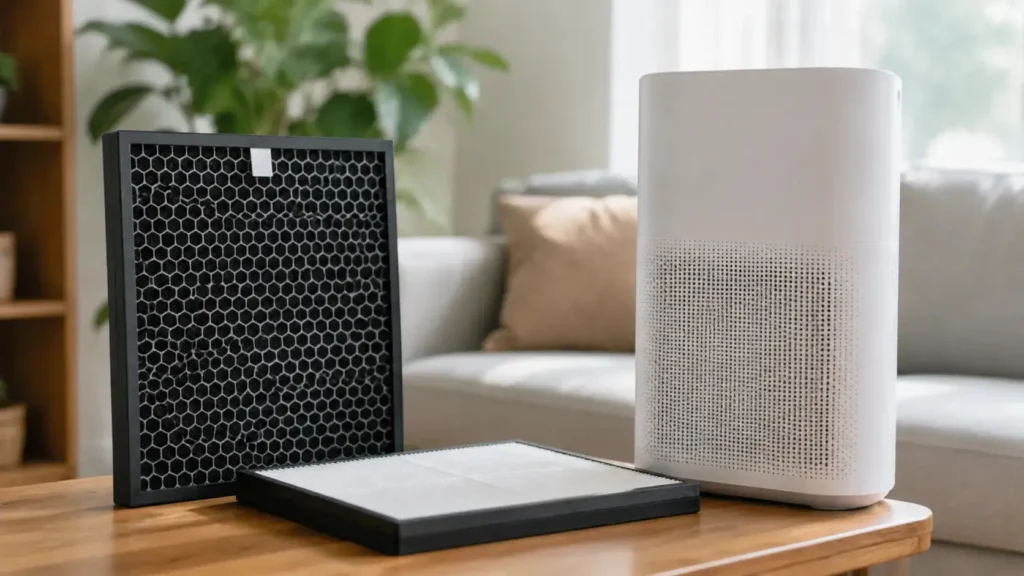
When it comes to keeping your indoor air safe and breathable, particulate filters only tell half the story. While standard filters trap dust, carbon filters handle the invisible threats that pass right through them. As a dedicated carbon filter manufacturer, we design our media to capture the molecular-level contaminants that compromise your living and working spaces.
By targeting gaseous pollutants, activated carbon directly elevates indoor air quality where traditional filtration falls short.
Eliminating Harmful VOCs and Toxic Chemicals
Volatile organic compounds (VOCs) and toxic chemicals evaporate into the air from everyday household items like paints, cleaning supplies, new furniture, and adhesives. These gases can build up rapidly indoors, leading to poor air quality and potential long-term health risks.
Our activated carbon filters use adsorption to capture these molecular-level toxins. Unlike mechanical filters that try to catch particles physically, the carbon media adsorbs these gaseous pollutants, locking them away.
| Common Indoor Gas Pollutions | Typical Sources | Carbon Filter Effectiveness |
|---|---|---|
| Formaldehyde | Carpets, pressed wood, and adhesives | High (with specialized impregnations) |
| Benzene & Toluene | Paints, gasoline, tobacco smoke | Excellent |
| Nitrogen Dioxide | Gas stoves, vehicle emissions | Excellent |
| Chlorine / Ammonia | Household cleaning agents | High |
Neutralizing Stubborn Odors and Smoke
Persistent smells can ruin an indoor environment. Whether you are dealing with cooking odors, musty pet smells, or stubborn wildfire and tobacco smoke, standard air filters cannot neutralize them.
Using a specialized weed air filter for indoor smoke and odor control is the most reliable way to pull these strong smells out of circulation. The deep carbon bed absorbs the odor molecules completely rather than just masking them with artificial fragrances, ensuring your space actually smells clean and fresh.
Protecting Respiratory Health and Reducing Allergies
While HEPA filters excel at trapping physical allergens like pollen and pet dander, they cannot stop chemical irritants. Gas-phase pollutants and strong fumes can severely irritate the lungs, trigger asthma attacks, and worsen respiratory health.
Combining particulate filtration with molecular chemical filtration offers mostly protection.
- Reduces Congestion: Absorbs irritating chemical fumes from household cleaners and DIY projects.
- Asthma Relief: Neutralizes trigger gases like nitrogen dioxide and ozone.
- True Clean Air: Eliminates the microscopic gaseous irritants that bypass standard HVAC filters, creating a safer environment for sensitive individuals.
Carbon Filters vs. Traditional Air Filters
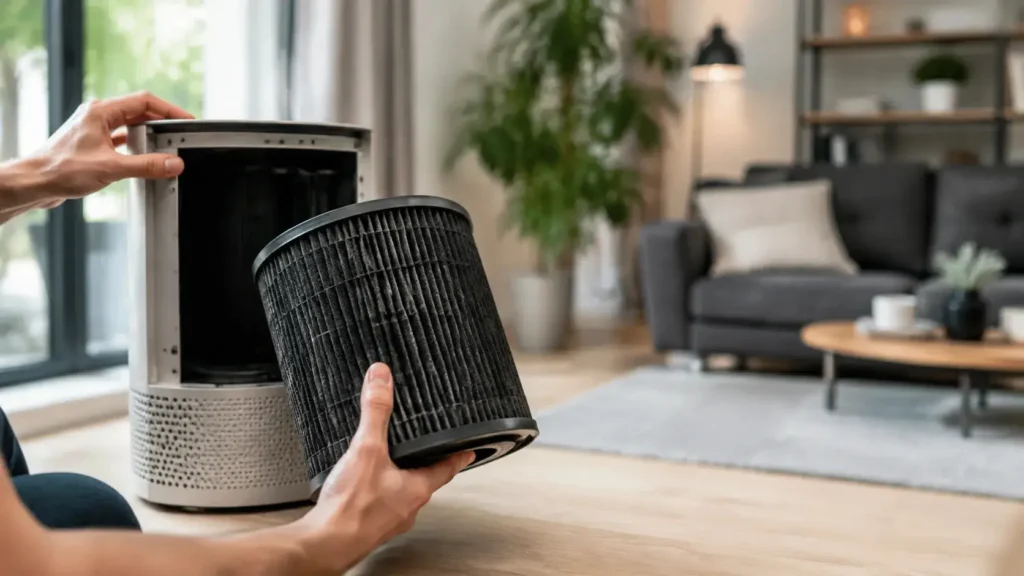
To build an effective clean air strategy, we must understand that not all air filters serve the same purpose. Traditional filters and activated carbon media target entirely different phases of indoor air pollution.
Key Differences Between Carbon and Particulate Filters
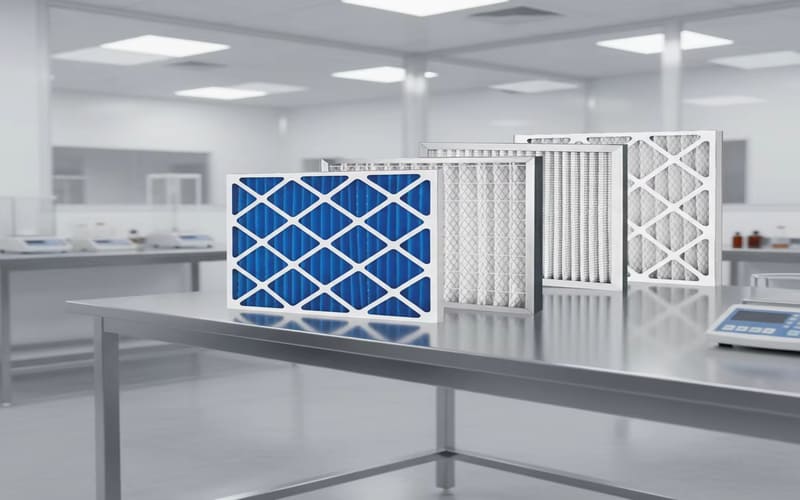
The fundamental difference lies in what they capture and how they capture it. Traditional particulate filters use mechanical filtration to trap physical particles. Carbon filters rely on chemical adsorption to capture gas-phase pollutants.
| Feature | Carbon Filters | Traditional Particulate Filters |
|---|---|---|
| Primary Target | Volatile organic compounds (VOCs), gases, odors, smoke | Dust, pollen, dander, mold spores, PM2.5 |
| Filtration Method | Adsorption (chemical bonding to carbon pores) | Mechanical trapping (sieving, interception) |
| Media Material | Porous activated carbon | Fiberglass, synthetic fibers, or paper |
| Physical State Captured | Gas-phase molecules | Solid and liquid particulate matter |
Can Carbon Filters Trap Dust and Large Particles?
No, carbon filters are not designed to trap dust and large particles.
- Pore Clogging: Large dust particles will quickly coat the surface of the carbon media, blocking access to the microscopic pores.
- Reduced Efficiency: Once these pores are blocked, the carbon filter loses its ability to adsorb gaseous pollutants and odors.
- Lifespan Reduction: Using a carbon filter without a proper particulate pre-filter dramatically shortens its functional lifespan.
The Synergy of Combining HEPA and Carbon Filtration
For true, medical-grade indoor air quality, a multi-stage system is essential. Relying on just one technology leaves your air vulnerable to either microscopic dust or toxic chemical fumes.
We highly recommend utilizing a dual-stage system. Understanding the differences between HEPA vs. carbon filters highlights why they are most powerful when used together.
- The HEPA Stage: Captures 99.97% of airborne physical particles down to 0.3 microns, including dust, allergens, and PM2.5.
- The Carbon Stage: Neutralizes the molecular-level threats that pass straight through HEPA filters, such as chemical vapors, nitrogen dioxide, and odors.
By combining these two technologies, you create a comprehensive defense system that purifies the air of both physical and gaseous pollutants.
Common Types of Carbon Filters Used in Air Purifiers

Not all carbon media is created equal. As a dedicated carbon filter manufacturer, we engineer different configurations to target specific indoor air quality challenges. Understanding these variations explains why carbon filters matter in air purification systems—the right design ensures maximum adsorption efficiency for your specific environment.
Granular Activated Carbon (GAC) Filters
Granular Activated Carbon (GAC) filters consist of loose, relatively large particles of carbon packed into a retaining frame or cartridge.
- How They Work: Air passes through a bed of loose granules, allowing gaseous pollutants to bond with the vast surface area of the carbon.
- Best For: High-flow systems requiring heavy-duty odor removal and VOC control.
- Advantage: Our premium activated carbon air filter designs utilize loose GAC to provide maximum holding capacity for heavy chemical loads without choking system airflow.
Powdered Carbon Blocks and Impregnated Media
For lighter residential use or compact devices, carbon is often processed into a fine powder and either molded into solid blocks or impregnated into non-woven polyester pads.
- Carbon Blocks: Fine carbon powder is compressed with a binder. This dense structure forces air through microscopic pores, offering uniform exposure but higher resistance to airflow.
- Impregnated Media: A thin fiber mesh is coated with carbon dust. While highly breathable, these budget-friendly options have a lower carbon weight and saturate quickly, requiring frequent replacement.
Specialized Filters for Industrial Acidic or Corrosive Gases
Standard activated carbon struggles to capture highly volatile or low-molecular-weight compounds like ammonia, formaldehyde, and hydrogen sulfide. To solve this, we manufacture chemically treated, impregnated carbon filters.
- Chemical Impregnation: The carbon media is chemically altered with additives like potassium permanganate or phosphoric acid.
- Targeted Neutralization: Instead of relying solely on physical adsorption, these filters trigger a chemical reaction (chemisorption) to neutralize acidic, alkaline, or highly toxic industrial fumes safely.
Versatile Applications of Carbon Air Purification Systems
As a leading carbon filter manufacturer, we design our molecular filtration systems to address diverse air quality challenges across various environments. Different spaces face unique gaseous pollutants, making versatile, high-grade carbon media essential for clean indoor air.
Residential and Home HVAC Systems
In residential settings, everyday living continuously introduces volatile organic compounds (VOCs) and odors into the indoor air. From cooking fumes and pet dander to off-gassing from new furniture, home air quality can quickly deteriorate. Integrating a high-quality carbon filter into your residential setup is the most effective way to capture these invisible gas-phase pollutants.
Understanding the role of carbon is key to optimizing your home setup; you can explore the fundamental differences in our guide on air filter vs. air purifier systems to see how they work together. Installing carbon filtration in home HVAC systems ensures that family members are shielded from chemical vapors and stubborn household odors.
Commercial and Office Environments
Modern, tightly sealed office buildings often trap indoor air pollutants, leading to poor indoor air quality and “sick building syndrome.” In these commercial spaces, carbon air purification systems are vital for:
- Neutralizing office odors: Eliminating smells from cafeterias, restrooms, and trash areas.
- Adsorbing VOCs: Filtering out emissions from printers, copiers, fresh paint, and new carpeting.
- Improving cognitive function: Reducing carbon dioxide and chemical buildup to keep employees sharp and healthy.
Implementing molecular filtration in commercial HVAC systems directly translates to fewer sick days and a more productive workspace.
Industrial Facilities and Manufacturing Plants
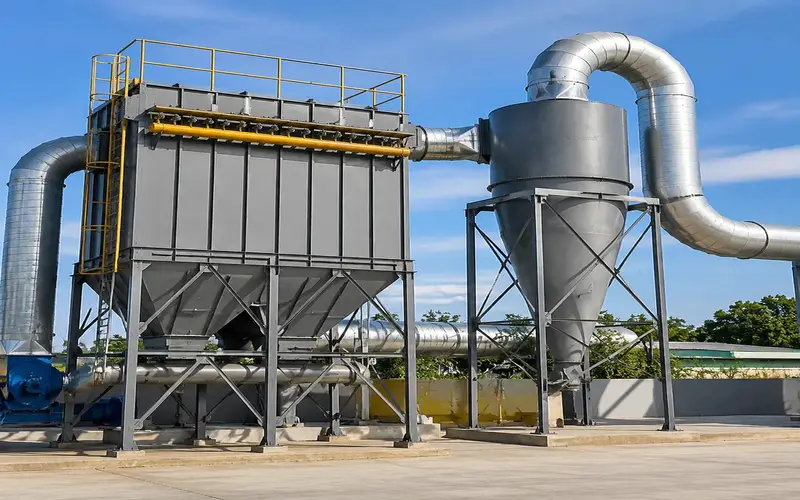
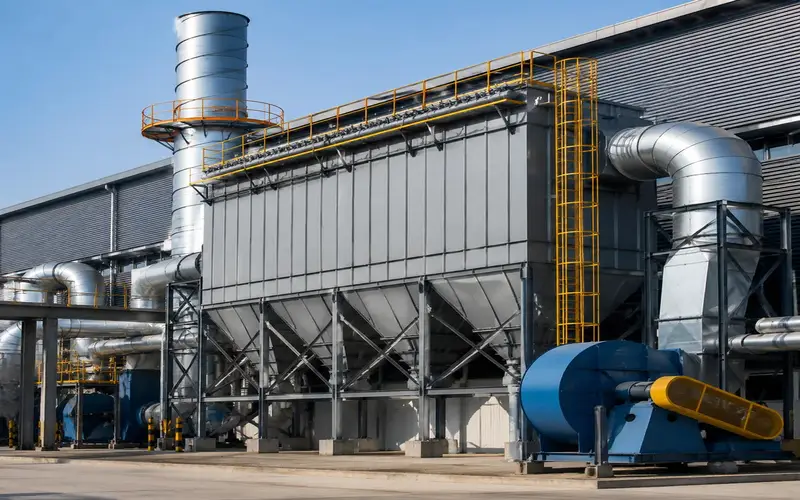
Industrial environments demand heavy-duty chemical filtration to handle concentrated, hazardous emissions. Manufacturing plants, chemical laboratories, and printing facilities regularly release toxic gases, solvents, and corrosive byproducts that pose severe health risks.
| Industry Type | Primary Gaseous Pollutants | Carbon Filter Application |
|---|---|---|
| Manufacturing & Welding | Ozone, nitrogen dioxide, and organic solvents | Heavy-duty deep-bed carbon scrubbers |
| Chemical Labs & Pharma | Acid gases, chemical vapors, toxic fumes | Impregnated specialized carbon media |
| Wastewater Treatment | Hydrogen sulfide (H₂S), ammonia, mercaptans | High-capacity granular activated carbon (GAC) |
Our industrial-grade carbon filters are engineered to withstand these demanding conditions, protecting both workers’ respiratory health and sensitive manufacturing equipment from corrosive gaseous pollutants.
Limitations and Maintenance Requirements
While activated carbon is incredibly effective at trapping gases and odors, these filters do not last forever. Understanding their limitations and maintenance needs is crucial to keeping your indoor air clean and your HVAC system running efficiently.
The Saturation Limit of Carbon Media
Unlike mechanical filters that physically block dust, carbon media works through chemical adsorption. This means the carbon has a finite number of bonding sites. Once every microscopic pore is filled with gas molecules, the filter reaches its saturation limit.
At this point, the filter stops cleaning the air. In fact, if a saturated carbon filter is left in use, it can begin to release trapped gasses back into your living space—a process known as desorption.
How to Tell When Your Carbon Filter Needs Replacement
You cannot easily see when a carbon filter is dirty because it traps invisible gas molecules, not large dust particles. To keep your air fresh, look out for these key warning signs:
| Warning Sign | What It Means | Recommended Action |
|---|---|---|
| Sour or Musty Odors | The carbon is completely saturated and releasing trapped compounds. | Replace the filter immediately. |
| Reappearance of VOCs | Household smells (cooking, pets, cleaning products) linger much longer than usual. | Replace the filter. |
| Time Limit Reached | Most residential carbon filters last between 3 to 6 months depending on usage. | Check the manufacturer’s schedule. |
Knowing when to swap out your filters prevents poor air quality. If you want to master your overall HVAC maintenance, you can also learn how to tell if your furnace filter needs changing for your standard particulate filters.
The Impact of Carbon Filters on HVAC Airflow
Carbon filters are dense. Whether they use granular carbon or a carbon block, they inherently create more resistance to airflow than a standard pleated dust filter.
If your HVAC system is not rated for heavy carbon media, using an excessively thick filter can restrict airflow, strain your system’s fan motor, and increase your energy bills. We always design our carbon filters to balance maximum gas adsorption with optimal airflow, ensuring your heating and cooling systems run smoothly without unnecessary drag.
How to Choose the Right Carbon Air Purifier
Choosing the right system requires looking beyond simple brand names. As a carbon filter manufacturer, we know that the performance of an air purifier depends on matching its physical media to your specific environment.
Matching Filter Capacity to Your Room Size
An undersized air purifier will struggle to clean the air, while an oversized one wastes energy. To get the best results, you need to match the clean air delivery rate (CADR) of the system to the square footage of your space.
- Air Changes Per Hour (ACH): Aim for a system that can exchange the air in your room at least 4 to 5 times per hour.
- The 2/3 Rule: Ensure the smoke CADR rating of the purifier is at least two-thirds of your room’s total square footage.
Evaluating Carbon Weight and Filter Thickness
When it comes to molecular filtration, the actual weight and thickness of the carbon media are the most critical factors. Thin, carbon-coated mesh pre-filters can only handle light odors and saturate quickly. For heavy-duty chemical filtration, you need a deep-bed filter packed with actual granular activated carbon.
| Filter Type | Carbon Weight | Best Used For | Lifespan |
|---|---|---|---|
| Carbon-Coated Fiber | Extremely Light (< 100g) | Light household odors, pet dander | 1 – 3 Months |
| Standard Carbon Pleat | Moderate (200g – 500g) | Every day, VOCs, light smoke, cooking smells | 3 – 6 Months |
| Deep-Bed Granular | Heavy (1kg – 5kg+) | Heavy smoke, chemical fumes, industrial VOCs | 12+ Months |
To ensure your system runs efficiently over time, understanding how often to change your air purifier filter is key to preventing system bypass and maintaining optimal airflow.
Selecting the Best Combination Filter for Your Needs
No single filter media can do it all. To achieve pristine indoor air quality, we always recommend a multi-stage system.
- Pre-Filters: Trap large dust, hair, and pet fur to keep the main filters from clogging.
- True HEPA Filters: Capture 99.97% of airborne particulate matter, such as pollen, mold spores, and PM2.5.
- Activated Carbon Filters: Absorb the gaseous pollutants, toxic chemicals, and volatile organic compounds (VOCs) that HEPA filters let pass right through.
For a comprehensive breakdown of the different media options available on the market, check out our guide on what is the best air filter for your specific application. Combining high-efficiency particulate filtration with heavy carbon weight guarantees complete protection against both particles and gases.