You probably know that the air inside your home can be up to five times more polluted than the air outside.
But with thousands of options on the market, what is the best air filter for your specific space?
I’ve spent years analyzing indoor air quality, and I know that the right choice does more than just catch dust—it protects your health and your HVAC system. Whether you’re hunting for a True HEPA portable unit or trying to decode MERV ratings for your furnace, I’ve put together the definitive guide for 2026.
Some of these recommendations are industry standards. Others are high-performance newcomers. All of them are proven to work.
Understanding the Different Types of Air Filters
Navigating the world of indoor air quality requires a clear understanding of the technology behind the mesh. To achieve pristine air, you must distinguish between the systems that circulate air and the devices that scrub it.
Portable Air Purifiers vs. HVAC Furnace Filters
While both improve air quality, they serve distinct roles within your environment.
| Feature | HVAC Furnace Filters | Portable Air Purifiers |
|---|---|---|
| Primary Goal | Protects HVAC equipment & whole-home filtration. | Targeted cleaning for specific rooms. |
| Installation | Slot inside the central air conditioning system. | Plug-and-play standalone units. |
| Airflow | High volume, integrated with heating/cooling. | Variable speeds, localized circulation. |
The Importance of True HEPA Filtration
For those seeking the gold standard, True HEPA (High-Efficiency Particulate Air) is non-negotiable. Unlike “HEPA-type” or “HEPA-like” imitations, a True HEPA filter is certified to capture 99.97% of particles as small as 0.3 microns. This includes:
- Particulate matter (PM2.5)
- Pollen and mold spores
- Fine dust and pet dander
- Bacteria and certain viral droplets
MERV Ratings Explained for Home HVAC Systems
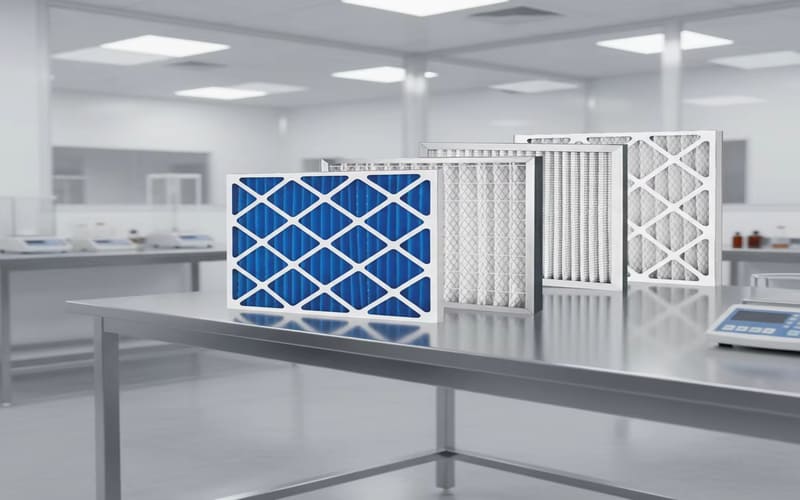
The MERV rating (Minimum Efficiency Reporting Value) measures a filter’s ability to capture particles between 0.3 and 10 microns. Choosing the right rating is a balance between air purity and HVAC system health.
- MERV 1–4: Basic protection; stops large lint and dust to protect the furnace.
- MERV 5–8: Standard residential; captures hair, carpet fibers, and dust mites.
- MERV 11: Superior filtration; ideal for pet owners and mild allergy sufferers.
- MERV 13: The high-performance choice; effectively removes smoke and dust, smog, and fine allergens without overly restricting airflow in modern systems.
Best Portable Air Purifiers for 2026
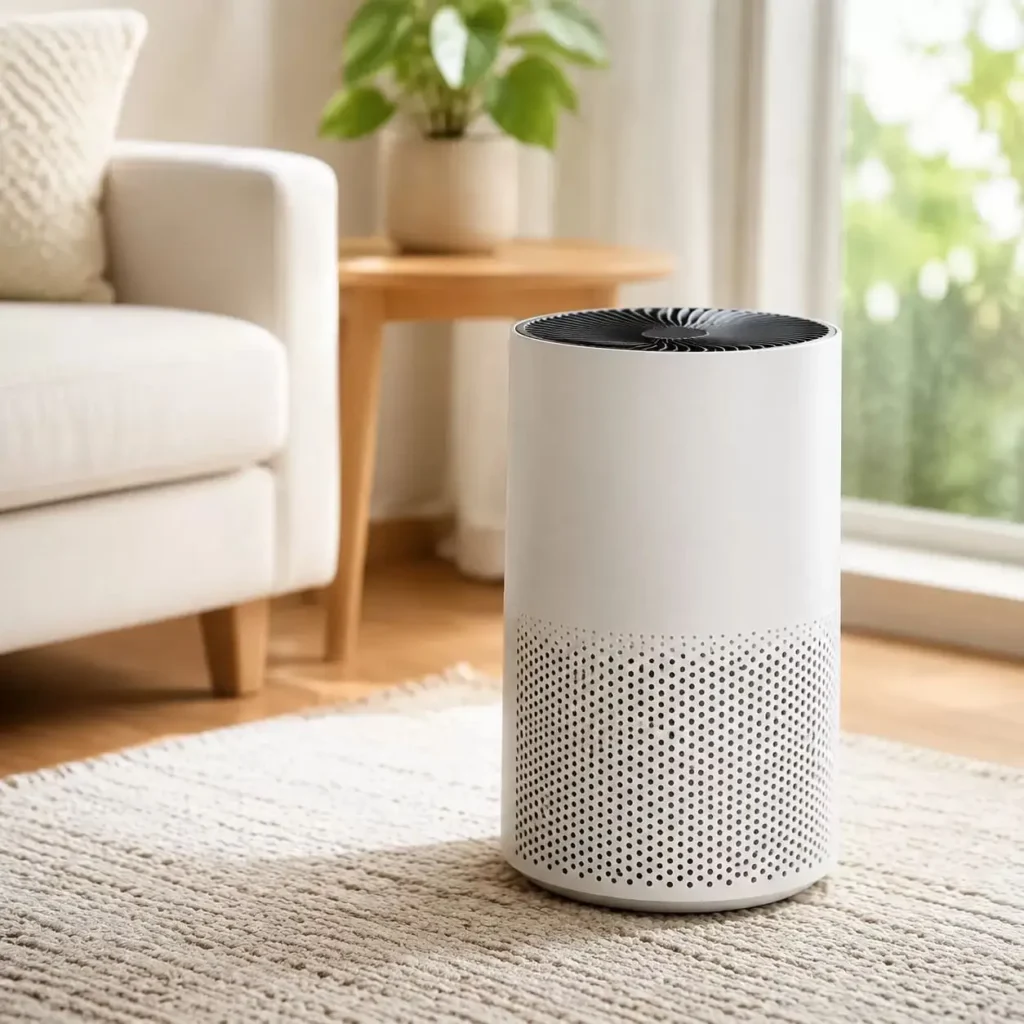
When looking for the best air filter setup for your home, choosing a portable unit depends on your room size and specific air quality goals. In 2026, the market has stabilized around high-efficiency true HEPA filtration and smart sensors that take the guesswork out of maintenance.
Best Overall: Levoit Vital 200S
The Levoit Vital 200S remains our top pick for most households. It balances raw power with smart tech, featuring a specialized U-shaped inlet designed to trap pet hair and large lint before they clog the inner filters. It’s particularly effective for medium-to-large rooms, offering a CADR (Clean Air Delivery Rate) that punches well above its price point.
Best for Large Spaces: Coway Airmega ProX
For open-concept homes or large offices, the Coway Airmega ProX is a beast. It uses a dual-suction system with “HyperCaptive” filtration to handle spaces over 2,000 square feet. It is one of the most reliable units for maintaining high indoor air quality in high-traffic areas without being excessively noisy.
Best Budget and Value Options: Winix 5500-2
The Winix 5500-2 is the king of value. It features a washable AOC (Advanced Odor Control) carbon filter, which significantly lowers long-term costs. If you are wondering how often to change your air purifier filter, the Winix makes it easy by extending the life of the main HEPA filter through its robust pre-filtration system.
| Model | Best For | Key Feature | Coverage (Sq. Ft.) |
|---|---|---|---|
| Levoit Vital 200S | General/Pets | Washable Pre-filter | ~380 (5 ACH) |
| Coway Airmega ProX | Large Rooms | Dual-Sided HEPA | ~2,100 |
| Winix 5500-2 | Budget/Odors | PlasmaWave Tech | ~360 |
Key Selection Factors
- True HEPA Filtration: Essential for capturing 99.97% of particulate matter like dust and smoke.
- CADR Ratings: Always check the CADR to ensure the unit can cycle the air in your specific room size at least 4-5 times per hour.
- Sensor Accuracy: Modern units now include laser-based sensors that adjust fan speeds automatically when they detect a spike in smoke and dust.
Top HVAC Furnace Filters for Home Air Quality
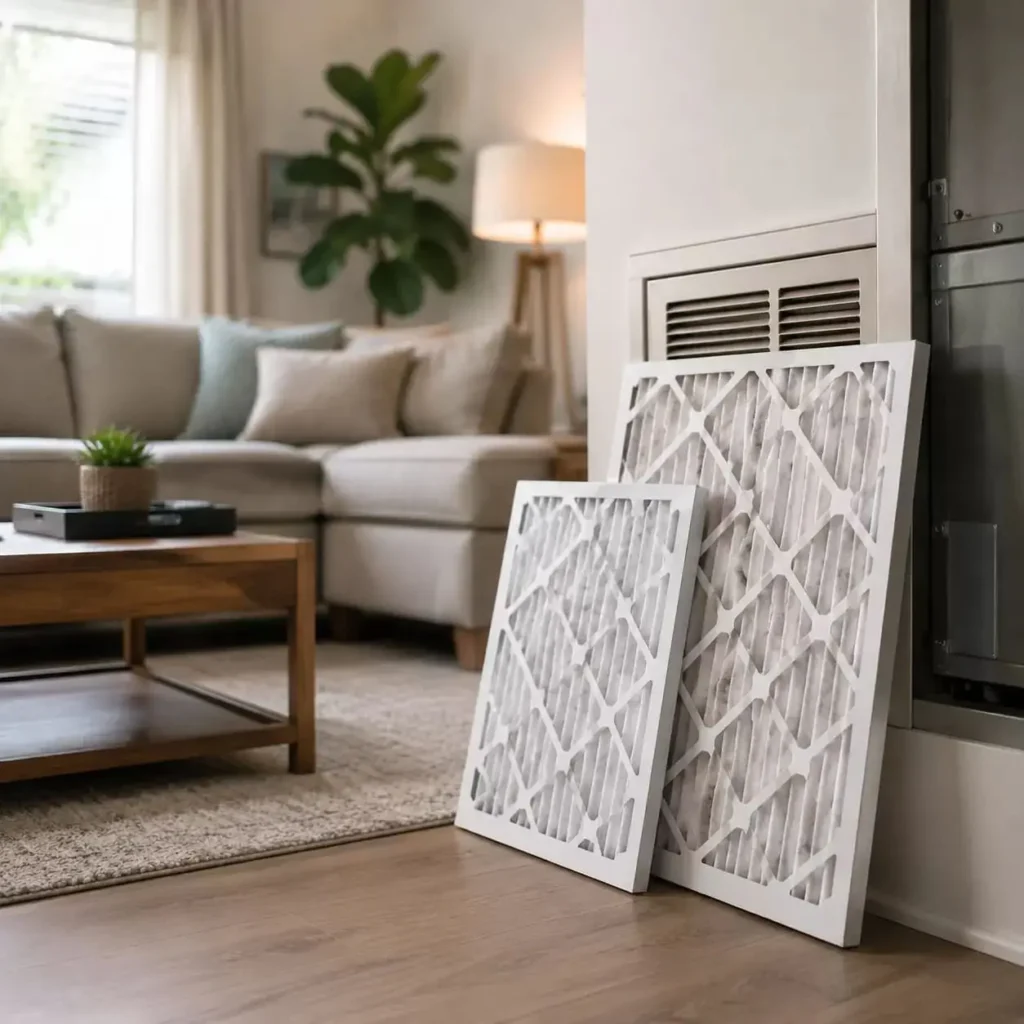
When you’re looking to improve indoor air quality, your central air conditioning and heating system is your first line of defense. Selecting the best air filter for your furnace isn’t just about protection; it’s about creating a healthy environment for your family. We focus on high-efficiency pleated filters that trap microscopic pollutants without overworking your blower motor.
Best for Allergies: MERV 11 and MERV 13 Filters
For households dealing with seasonal allergies or asthma, standard fiberglass filters won’t cut it. You need a higher MERV rating to capture fine particulate matter.
- MERV 11: Great for homes with pets, as it captures pet dander, dust mites, and pollen.
- MERV 13: The gold standard for residential use. It effectively filters out smoke and dust, bacteria, and even some virus-carrying droplets.
To ensure you are getting the right level of protection, check out our guide on which MERV rating filter should you use for home air quality to balance filtration and airflow.
Filtrete vs. Nordic Pure: Brand Comparisons
Choosing between big-name brands often comes down to specific needs like allergen reduction versus cost-effectiveness.
| Feature | Filtrete (3M) | Nordic Pure |
|---|---|---|
| Measurement System | Uses MPR (Microparticle Performance Rating) | Uses Standard MERV Ratings |
| Construction | Electrostatically charged synthetic fibers | High-quality non-woven pleated media |
| Best For | High-end specialized filtration | Bulk value and custom sizes |
| Availability | Widely available in retail stores | Excellent online selection and variety |
High-Performance Filters for Modern HVAC Systems
Modern HVAC systems are designed for efficiency, but they require consistent furnace maintenance to stay that way. Using a high-performance replacement filter prevents dust buildup on sensitive internal components. If you are debating between mid-range options, understanding the nuances of MERV 8 vs. MERV 11 air filters can help you decide which provides the best airflow for your specific unit.
- Pleated Design: Increases surface area to trap more dirt without restricting air.
- Reinforced Backing: Prevents the filter from buckling under high pressure.
- Synthetic Media: Resists moisture and prevents mold growth within the filter frame.
Key Performance Features to Consider
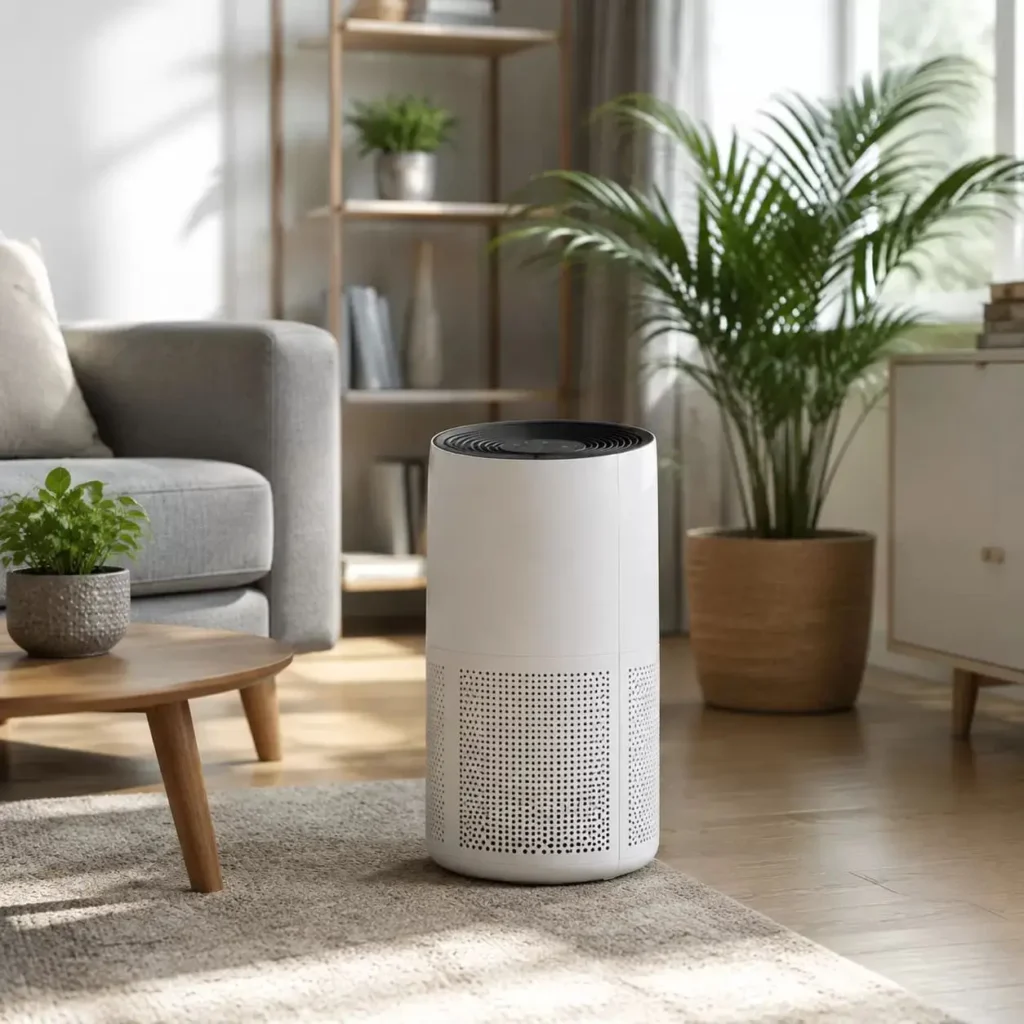
When searching for the best air filter, looking past the brand name and focusing on raw performance data is non-negotiable. I always tell my clients that a filter is only as good as its ability to move air and trap microscopic threats.
CADR Ratings and Air Exchange Rates
The Clean Air Delivery Rate (CADR) is the gold standard for measuring a portable air purifier’s efficiency. It tells you exactly how much filtered air is delivered in cubic feet per minute (CFM) for smoke, dust, and pollen.
- Higher is Better: A higher CADR means the unit cleans the room faster.
- Air Changes Per Hour (ACH): For true protection, you want a system that provides at least 4 to 5 air exchanges every hour in your specific room size.
- The Math: Always match the CADR to your square footage to ensure the motor isn’t underpowered for the space.
Carbon Filters for Odor and VOC Removal
While a standard filter grabs dust, it won’t touch smells. To neutralize cooking odors, pet smells, or Volatile Organic Compounds (VOCs) from paint and cleaning supplies, you need an activated carbon filter.
| Filter Type | What it Targets | Best Use Case |
|---|---|---|
| Standard Pleated | Dust, Lint, Pollen | General HVAC protection |
| Activated Carbon | Smells, Smoke, Chemicals | Kitchens, Pet areas, Renovations |
| True HEPA | 99.97% of particles (0.3 microns) | Allergies and Asthma |
If you are dealing with heavy pollutants, understanding the micron rating for air filters is essential to ensure you are trapping the right size of particulate matter.
Noise Levels and Sleep Mode Features
Performance shouldn’t come at the cost of your peace and quiet. I prioritize units that offer a dedicated Sleep Mode or low-decibel operation.
- Decibel Range: Look for units that operate under 25dB on the lowest setting for bedrooms.
- Smart Sensors: Top-tier models automatically ramp up speed when they detect poor indoor air quality and throttle down once the air is clean, saving energy and reducing noise.
- Light Control: Ensure the display lights can be dimmed or turned off entirely so they don’t disrupt your sleep cycle.
Selecting the Best Filter for Your Specific Needs
Finding the right filter isn’t a one-size-fits-all situation. Your choice depends entirely on your lifestyle and the specific pollutants you’re facing daily.
Best for Pet Owners: Hair and Dander Control
If you have shedding pets, you need a filter that handles more than just microscopic dust. Large clumps of fur can quickly clog standard media, so we recommend filters with a robust pre-filter or a higher MERV rating to capture dander.
- Key Focus: Look for “Pet Pro” versions or filters with antimicrobial coatings to prevent bacteria growth on the filter surface.
- Pro Tip: If your current setup is struggling, understanding why is my air filter black can help you identify if pet dander or soot is the primary culprit.
Best for Smoke and Wildfire Protection
For those in wildfire-prone areas, a standard dust filter won’t cut it. Smoke consists of incredibly fine particulate matter (PM2.5) and gaseous pollutants.
- Must-Haves: You need a True HEPA filter combined with a heavy-duty activated carbon layer.
- Efficiency: The HEPA traps the physical ash and smoke particles, while the carbon absorbs the toxic odors and VOCs.
Compact and Portable Solutions for Small Spaces
You don’t always need a massive unit to get clean air in a bedroom or home office. Compact purifiers are designed for high air exchange rates in smaller footprints.
- Desktop Models: Perfect for targeted “breathing zone” filtration.
- Placement: Ensure the intake isn’t blocked by curtains or furniture to maintain the CADR (Clean Air Delivery Rate).
| Need | Recommended Filter Type | Key Feature |
|---|---|---|
| Pets | Pleated MERV 11+ | High dander capture |
| Smoke | HEPA + Thick Carbon | Odor & PM2.5 removal |
| Small Room | Portable True HEPA | Space-saving design |
Maintenance and Long-Term Cost Analysis
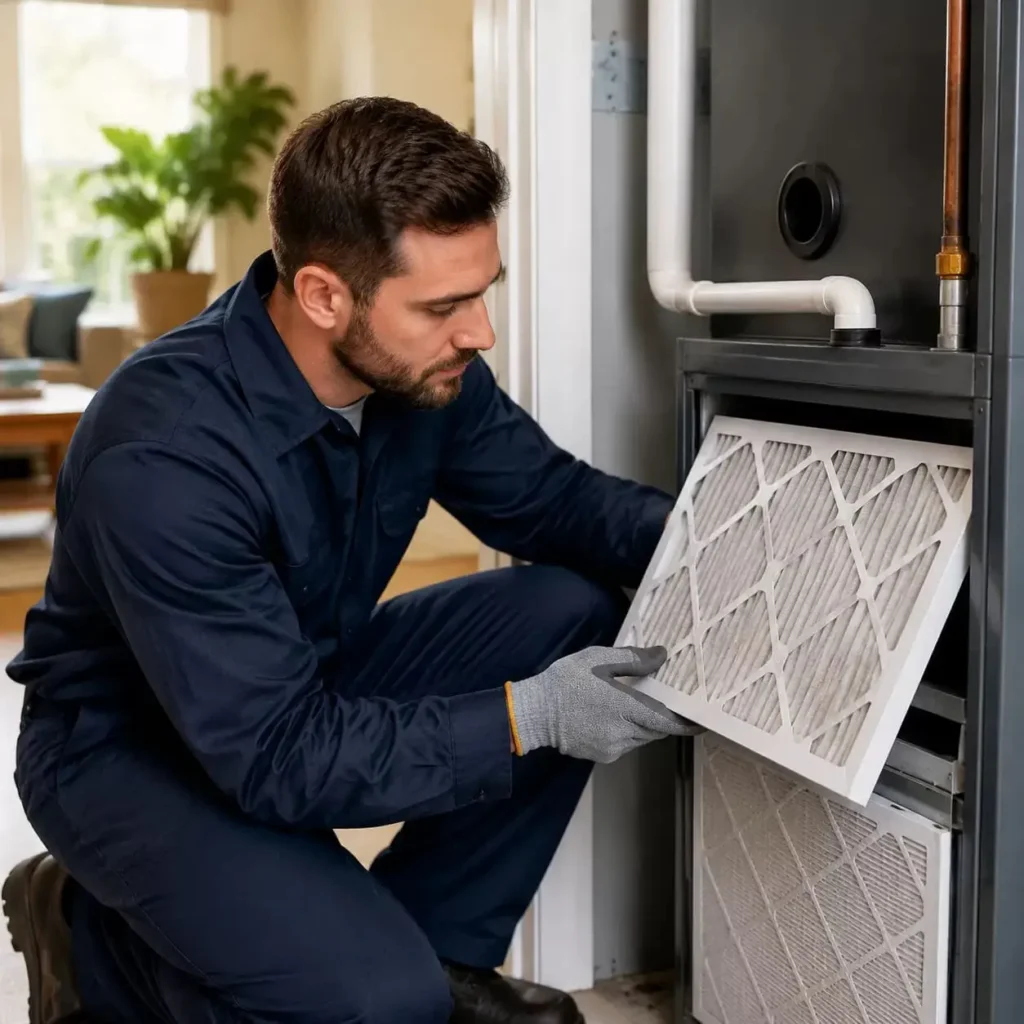
Keeping your indoor air quality high isn’t just about the initial purchase; it’s about consistent upkeep. Neglecting your filters can lead to a struggling HVAC system and higher energy bills.
How Often Should You Replace Your Air Filter?
The lifespan of a filter depends heavily on your environment and the type of filter used. While standard pleated filters might last three months, homes with pets or high dust levels often require more frequent swaps. To keep your system running smoothly, you should understand how often to change air filter based on your specific household needs.
- Standard 1″ Filters: Every 30–90 days.
- High-Efficiency HEPA Filters: Every 6–12 months (for purifiers).
- Thick Media Filters (4-5″): Every 6–12 months.
Estimating Annual Operating and Replacement Costs
Budgeting for replacement filters is essential for long-term performance. Costs vary significantly between basic furnace filters and specialized true HEPA units. Before buying, it is helpful to look into the furnace filter cost factors and price guide to avoid surprises during the year.
| Filter Type | Estimated Annual Cost |
|---|---|
| Basic MERV 8 | $40 – $60 |
| High-Allergen MERV 13 | $80 – $120 |
| Portable Purifier HEPA | $50 – $150 |
Signs of a Clogged or Ineffective Filter
Don’t wait for a total system failure to check your air quality. Your hvac system or air purifier will usually give you warning signs when the particulate matter has maxed out the filter’s capacity:
- Reduced Airflow: Weak air coming from your vents.
- Increased Dust: Visible buildup on furniture shortly after cleaning.
- Strange Smells: Musty or “dirty sock” odors lingering in the air.
- Longer Cycles: The furnace or AC runs constantly without reaching the set temperature.
Buying Advice: Where to Shop and What to Avoid
How to Measure for the Correct HVAC Filter Size
Finding the best air filter starts with getting the dimensions right. If the fit isn’t snug, unfiltered air bypasses the media, rendering your furnace filter useless. Check the “nominal size” printed on your current filter (e.g., 20x25x1), but always verify the “actual size” with a tape measure if you’re switching brands.
Comparing Online Retailers vs. In-Store Options
Shopping for replacement filters involves a trade-off between immediate need and long-term savings.
| Shopping Channel | Pros | Cons |
|---|---|---|
| Online Retailers | Bulk discounts, wider MERV rating selection, auto-ship options. | Shipping delays, potential for damage during transit. |
| In-Store (Big Box) | Same-day pickup, easy visual inspection. | Higher individual unit cost, limited specialty sizes. |
Buying in bulk online is generally the smartest move for maintaining indoor air quality without overspending.
Avoiding Common Mistakes When Buying Air Filters
Don’t fall into the trap of buying the highest MERV rating available without checking your system’s capability. A MERV 13 is great for allergen reduction, but if your hvac system isn’t designed for it, the restricted airflow can damage your blower motor.
- Avoid “Permanent” Washable Filters: They often have low efficiency for small particulate matter.
- Don’t Ignore the Seal: Ensure the frame is sturdy; flimsy cardboard can collapse under pressure.
- Verify the Brand: Stick to reputable names like Filtrete or our high-standard pleated options to ensure the True HEPA or MERV performance is lab-tested.
When you’re ready to upgrade, knowing the difference between an air filter vs. furnace filter will help you select the exact hardware needed for your home’s configuration. Avoid generic, unrated filters that claim to do everything but lack the CADR or MERV certifications to back it up.