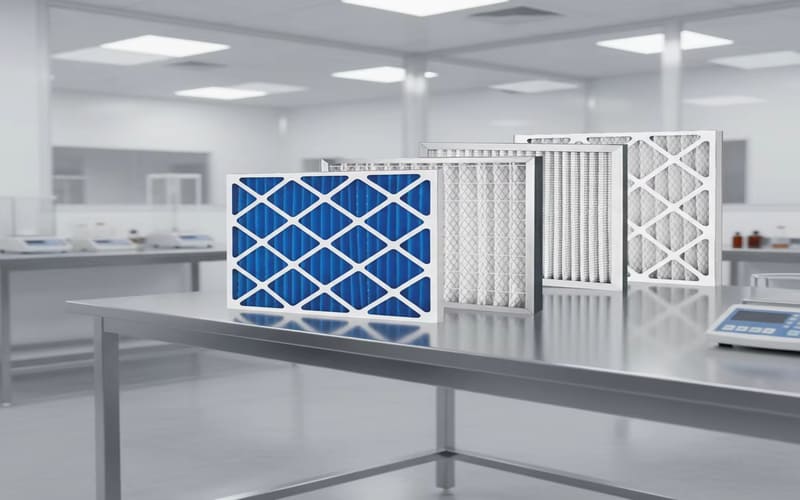
An air purifier is only as good as the filter inside it.
If yours is clogged with dust, pet dander, and mold, it simply can’t do its job—and you risk burning out the motor.
Knowing how to clean air purifier filter components correctly is the single best way to maintain peak purification efficiency and stretch your unit’s lifespan.
In this guide, you’ll learn the exact step-by-step process on how to clean an air purifier filter, distinguish washable vs. non-washable HEPA filters, and avoid the costly mistakes that ruin your machine.
Why Cleaning Your Air Purifier Filter Is Essential
Knowing how to clean air purifier filter components properly is the foundation of effective indoor air quality management. As a leading air purifier filter manufacturer, we engineer filtration systems to trap airborne contaminants, but routine maintenance is required to keep them operating at peak performance.
Maintain Peak Air Purification Efficiency
Heavy dust accumulation restricts airflow through your device, forcing the fan to work harder while trapping fewer pollutants.
- Optimal Airflow: Removing surface debris keeps the Clean Air Delivery Rate (CADR) high.
- Consistent Filtration: Prevents fine particulate matter from slipping past saturated filter media.
- Superior Protection: Ensures your HEPA filter and activated carbon filter consistently remove dust, pollen, and odors.
Extend the Lifespan of Your Purifier
A dirty filter puts continuous stress on the purifier’s internal motor, causing unnecessary wear, increased power consumption, and potential hardware failure.
| Maintenance Action | System Benefit | Lifespan Impact |
|---|---|---|
| Clean Pre-Filter | Protects inner filter layers from heavy debris | Extends main HEPA filter life |
| Clear Air Passages | Reduces thermal strain on the fan motor | Prevents premature motor burnout |
| Routine Cleaning | Maintains balanced system pressure | Maximizes total filter lifespan |
Prevent Mold and Dust Accumulation
Trapped organic matter, pet dander, and ambient humidity inside an uncleaned filter create an environment where mold and bacteria can multiply.
Key Takeaway: A clogged, neglected filter can become a source of secondary pollution, releasing trapped allergens and foul odors back into your room.
- Inhibit Microbial Growth: Regular cleaning removes organic matter before spores can thrive.
- Eliminate Odors: Prevents trapped moisture and debris from producing stale smells.
- Protect Indoor Air Quality: Ensures that every volume of air passing through your unit remains fresh and safe.
How Often Should You Clean an Air Purifier Filter?
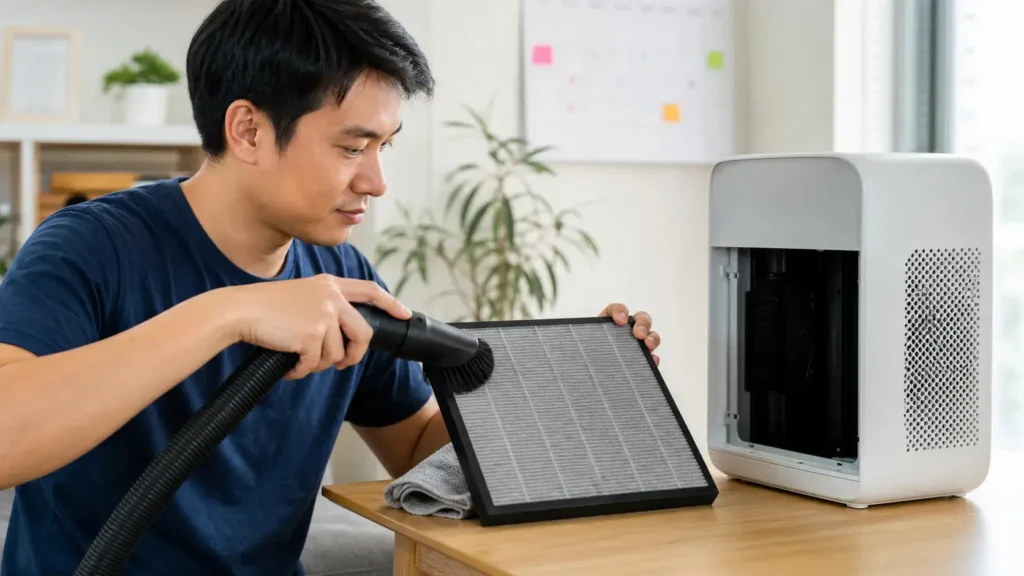
Staying on top of your filter maintenance schedule is the single best way to keep your unit running effectively. As an air purifier filter manufacturer, we always advise setting a regular routine based on the specific layers inside your device.
Recommended Cleaning Schedule
Different filter layers catch different particle sizes, so their maintenance needs vary:
- Pre-Filter: Clean every 2 to 4 weeks. This outer screen catches large dust accumulation, pet hair, and coarse debris before it reaches deeper layers.
- HEPA Filter: Lightly vacuum surface buildup every 1 to 3 months (for non-washable types) or rinse every 3 to 6 months (only if explicitly rated as a washable filter).
- Activated Carbon Filter: Vacuum the surface gently every 1 to 2 months to remove settled dust. Never use water on carbon media.
While routine upkeep keeps airflow strong, cleaning only extends usage up to a point. Understanding how often to change your air purifier filter completely is still essential for maintaining healthy indoor air quality over time.
Signs Your Air Filter Needs Cleaning
You do not have to wait for a calendar reminder to act. Watch for these clear signs that your unit needs immediate attention:
- Visible Surface Buildup: A thick layer of gray dust and pet dander sitting on the pre-filter or intake screen.
- Reduced Airflow: The fan runs normally, but very little air flows out of the top exhaust vents.
- Increased Motor Noise: The fan hums noticeably louder or sounds strained as it struggles to pull air through clogged media.
- Stale or Musty Odors: Trapped dirt and moisture create lingering smells when the unit runs.
- Filter Warning Light: The system’s automated airflow sensor triggers an alert on the main display.
Can You Wash an Air Purifier Filter?
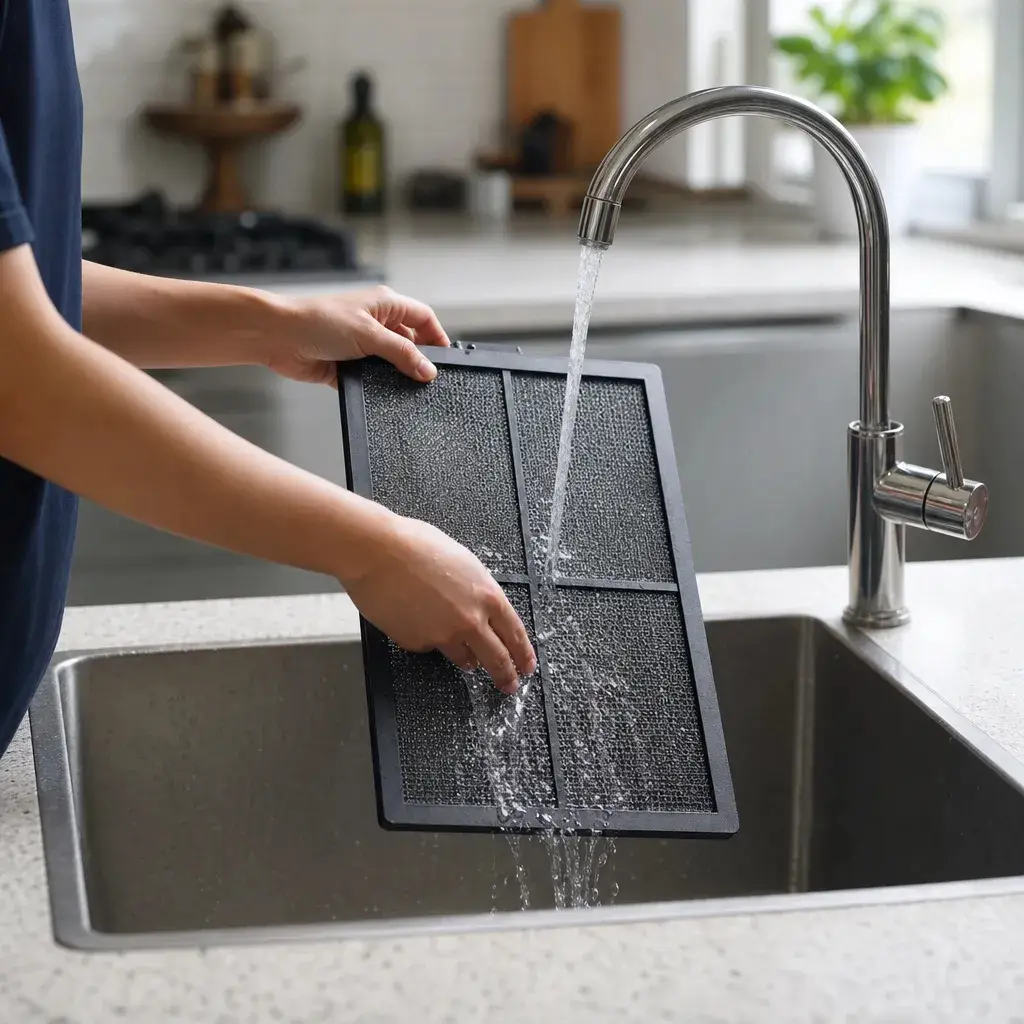
The short answer is: it depends entirely on the filter type. While some pre-filters thrive after a quick rinse, standard high-efficiency filters can be permanently ruined if they touch water. Knowing your filter’s specific material prevents accidental damage and keeps your unit running cleanly.
Washable vs. Non-Washable Filters
Understanding the difference between reusable media and disposable components is essential when learning how to clean air purifier filter layers safely.
- Washable Filters: Typically made from durable synthetic mesh, woven plastic, or specialized foam. These layers trap coarse dust and pet hair. You can safely rinse with water and reuse them without damaging their structure.
- Non-Washable Filters: Standard high-efficiency HEPA filter units and activated carbon filters fall into this category. Made from densely packed micro-glass or paper fibers, washing them compresses or tears the fibers, permanently destroying their filtration ability.
Comparing washable vs. disposable air filters helps clarify which components in your system require water cleaning and which need simple dry care.
How to Check If Your HEPA Filter Is Washable
Before bringing any filter near a faucet, take these steps to confirm its care requirements:
- Check the Frame Label: Look for explicit text printed directly on the filter frame. Reusable models are clearly labeled “Washable” or “Permanent HEPA.” If it only says “HEPA” or “True HEPA,” assume it is non-washable.
- Review the Product Manual: Check the maintenance guidelines provided by the manufacturer. It will specify whether to submerge the component or clear debris using a dry brush attachment.
- Inspect the Physical Material: A washable filter usually features a rigid plastic frame with a resilient synthetic screen. A non-washable filter looks and feels like deeply pleated, fibrous paper that will absorb moisture and lose shape when wet.
How to Clean Different Types of Air Purifier Filters
Every layer in your unit serves a specific job. Knowing how to clean air purifier filter components properly ensures you do not ruin the delicate media while maintaining optimal indoor air quality.
| Filter Type | Washable with Water? | Best Cleaning Method | Key Caution |
|---|---|---|---|
| Pre-Filter | Yes | Vacuum or rinse under warm water | Must air dry completely before reinstallation |
| Washable HEPA | Yes | Rinse gently with cool water | No soap, scrubbing, or high water pressure |
| Non-Washable HEPA | No | Light vacuuming with soft brush | Never touch with water or a damp cloth |
| Activated Carbon | No | Light vacuuming on surface frame | Moisture ruins carbon pore structure |
Cleaning Pre-Filters
As the first line of defense, pre-filters trap pet hair, lint, and heavy dust accumulation.
- Vacuuming: Use a vacuum cleaner attachment with a soft brush to gently lift surface dust.
- Washing: Rinse with water under warm tap flow to clear persistent grime. Use a mild detergent only if grease is present.
- Drying: Allow complete air drying on a towel before sliding the frame back into the unit.
Cleaning Washable HEPA Filters
If your unit specifically features a washable filter, extra care is required to protect the fine micro-fibers:
- Gently rinse under cool water from the clean side to the dirty side for effective debris removal.
- Avoid harsh chemical cleaners, soaps, or stiff brushes.
- Leave the filter in a well-ventilated area for at least 24 hours until thoroughly dry.
Cleaning Non-Washable HEPA Filters
Most high-efficiency units use a non-washable filter. Water causes HEPA fibers to swell and permanently blocks air passage.
- Use a soft-bristled vacuum brush on low suction to clear surface buildup.
- Never wipe with a damp cloth or submerge in liquid.
- To better understand how these layers function in your unit, explore our guide on types of air filters explained.
Cleaning Carbon Filters
An activated carbon filter adsorbs VOCs, smoke, and household odors.
- Gently pass a vacuum hose across the outer frame to remove loose dust.
- Never wash carbon media with water, as moisture fills the porous structure and destroys odor absorption.
- Review our breakdown of HEPA vs carbon filters to see how each layer handles distinct indoor pollutants.
Step-by-Step Guide to Cleaning Your Air Purifier
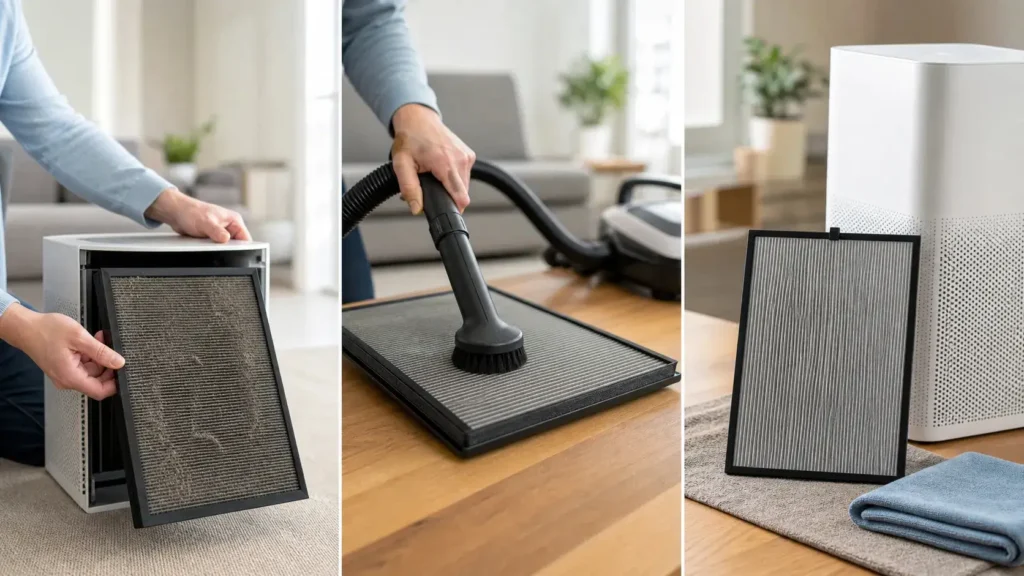
Cleaning your unit regularly keeps it running at peak performance while maintaining high indoor air quality. As an air purifier filter manufacturer, we recommend following a systematic approach to avoid damaging delicate components during maintenance.
Step 1: Safety and Preparation
Always unplug the unit before starting any maintenance to eliminate electrical hazards. Move the machine to a well-ventilated area—or outside—to prevent loose debris from settling back into your living space. If you are sensitive to dust accumulation, wear a light dust mask prior to front panel removal.
Step 2: Cleaning the Exterior and Sensors
Wipe down the exterior housing using a soft damp cloth to remove surface grime and smudges. Pay special attention to the air quality sensors, usually located behind a small door on the side or back of the unit. Use a dry cotton swab or a soft brush to clear dust off the optical lenses so your device reads air quality accurately.
Step 3: Cleaning the Filter Components
Carefully pull out each stage of filtration. For additional maintenance tips across different system configurations, refer to our step-by-step air filter cleaning guide.
- Pre-filter: Vacuum built-up hair and dust using a vacuum cleaner attachment. If it is washable, rinse with water and a drop of mild detergent, then rinse clean.
- HEPA Filter: If your system features a washable filter, run cold water through the pleats under low pressure. If it is a non-washable filter, gently sweep a soft brush attachment across the surface for surface debris removal. Never submerge standard HEPA media in water.
- Activated Carbon Filter: Vacuum the surface lightly on low suction to remove trapped lint. Avoid getting charcoal filters wet, as moisture degrades their odor-absorbing capabilities.
Step 4: Drying and Reassembling
Thorough air drying is essential for any washed components. Allow wet filters to dry completely in a warm, well-ventilated spot for at least 24 hours. Reinserting damp components traps moisture inside the housing, causing severe mold growth and bad odors. Once fully dry, reassemble the layers in reverse order, snap the front cover closed, and reconnect the unit to power.
When to Replace Your Air Purifier Filter
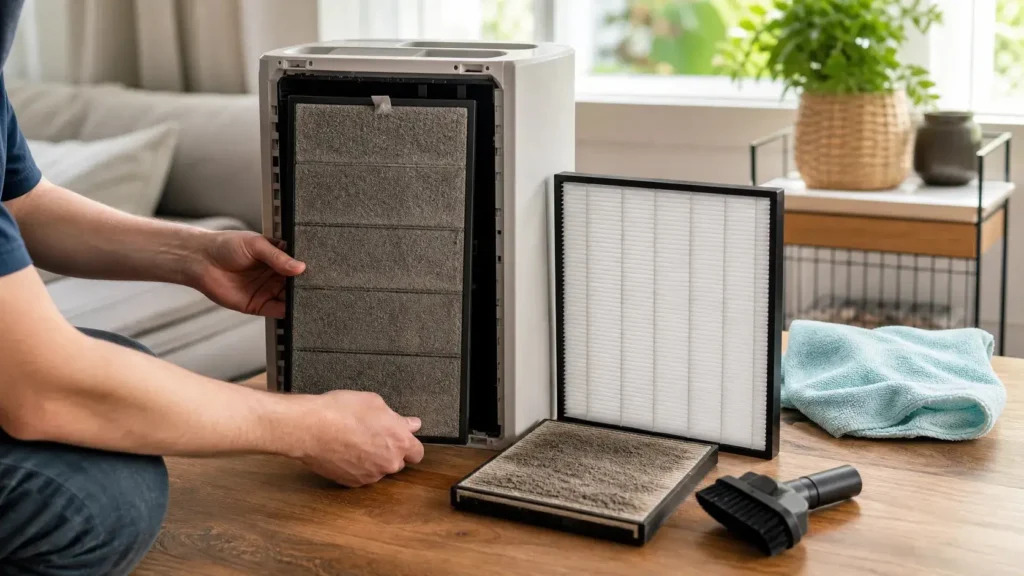
Cleaning extends your filter’s life, but no filter lasts forever. As a dedicated air purifier filter manufacturer, we know that running an overused filter damages motor performance and lets pollutants circulate back into your living space. Knowing when to swap in a fresh unit is essential to protecting your indoor air quality.
Signs It Is Time to Replace the HEPA Filter
Even with routine vacuuming, fibers deep inside the media get clogged over time. A true HEPA filter in air purifiers traps microscopic particles that standard surface cleaning cannot reach.
Watch for these clear warning signs:
- Visible Discoloration: The filter media turns dark gray or black despite regular surface cleaning.
- Persistent Odors: Musty, stale, or dusty smells remain in the room while the unit runs.
- Weak Airflow: Air blowing out of the vents feels noticeably weaker, forcing the motor to work harder.
- Increased Noise: Strain on the fan motor causes unusual humming or louder operation.
- Worsening Allergy Symptoms: Sneezing, coughing, or dust accumulation around the room picks up again.
Expected Lifespan of Air Purifier Filters
Every filter type follows a distinct replacement cycle depending on usage, room size, and local air quality. Selecting high-grade air purifier filters and sticking to a consistent filter maintenance schedule keeps your unit running at top efficiency.
| Filter Type | Typical Lifespan | Cleaning Frequency |
|---|---|---|
| Pre-Filter | 6 – 12 Months | Clean every 2 to 4 weeks |
| HEPA Filter | 6 – 12 Months | Vacuum every 1 to 2 months (if non-washable) |
| Activated Carbon Filter | 3 – 6 Months | Wipe/vacuum surface monthly |
Frequently Asked Questions
Can you wash a HEPA filter with water?
You should only wash a HEPA filter with water if it is explicitly labeled as a washable filter. As an air purifier filter manufacturer, we design standard non-washable filter media using extremely fine micro-fibers. Exposing standard filters to water ruins their microscopic structure, rendering them useless for protecting your indoor air quality.
- Washable Filters: Gently rinse with water under low pressure. Do not use harsh soaps, and allow complete air drying for at least 24 hours before reinstallation.
- Non-Washable Filters: Never get them wet. Carefully use a vacuum cleaner attachment on low power to sweep away surface dust without touching the delicate pleats.
How do you clean an air purifier exterior?
Cleaning the exterior housing prevents loose particles from pulling back into the machine and clogging the sensors.
- Safety Prep: Always unplug unit from the power outlet before doing any surface cleaning.
- Wipe Down: Clean the outer casing using a slightly damp cloth to clear away visible dust accumulation.
- Vent Maintenance: Gently run a soft brush attachment over intake vents for quick debris removal.
What happens if you use a damp filter in an air purifier?
Reinstalling a damp filter traps trapped moisture deep inside the housing, creating a prime breeding ground for mold, mildew, and sour odors. The trapped water restricts airflow, forces the motor to overheat, and permanently destroys the filter media.
If water ruins a non-washable model, never attempt to modify or cut an air filter to fit your unit, as air will leak around the unsealed edges. Always ensure your filter is completely dry before reassembling, or swap it out for a fresh OEM replacement.