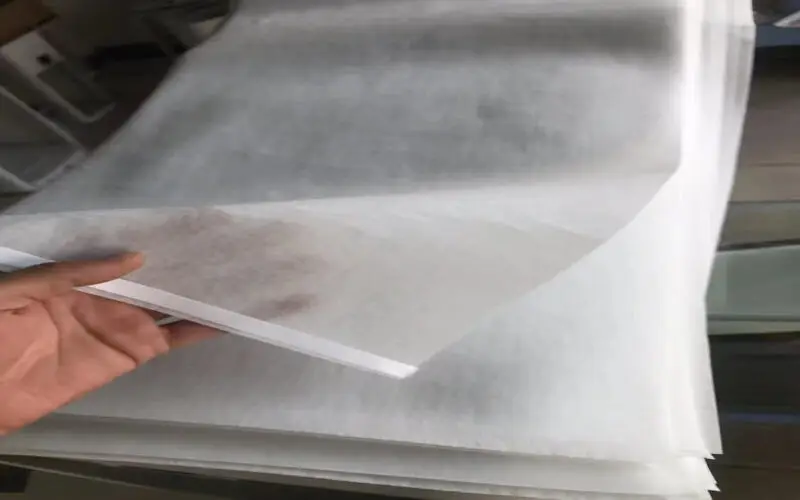
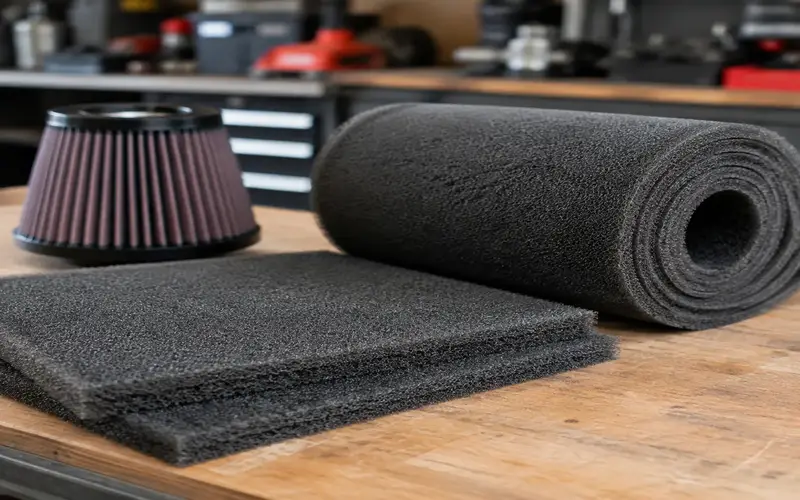
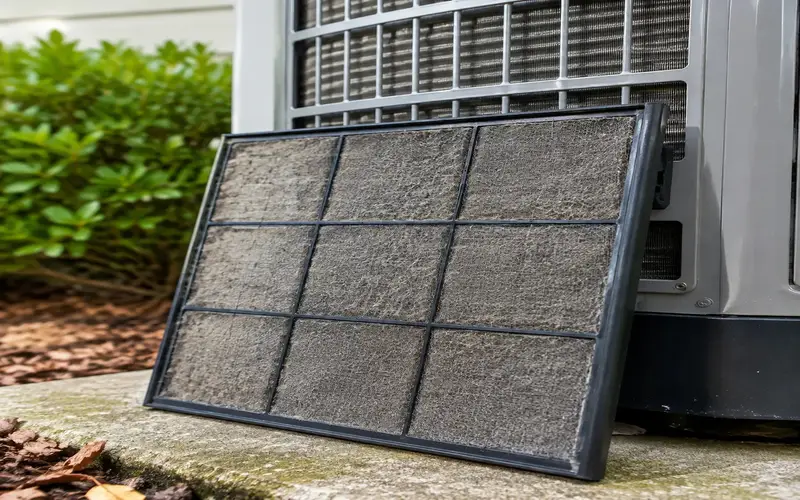
Are you tired of constantly replacing expensive primary HEPA filters? The secret to boosting your air purification system’s performance and saving money comes down to one crucial question: what material are air filter prefilters made of?
From durable synthetic polyester fibers and woven polypropylene mesh to polyurethane foam and activated carbon layers, the right pre-filter media stops large dust, pollen, and debris dead in their tracks before they ever reach your main filter.
In this guide, you’ll discover the most effective air filter pre-filter materials, how they dramatically extend the lifespan of your main filters, and how to pick the perfect washable and reusable options for your home HVAC, automotive intake, or commercial setup.
What Is an Air Filter Pre-Filter?
Definition and Primary Function
An air filter pre-filter is the frontline barrier in a multi-stage air filtration system. Designed to capture large, coarse particles, it prevents dust, hair, pollen, and lint from overloading sensitive main filters. Pre-filter solutions are engineered using high-grade synthetic fiber and polyester fabric media to protect downstream components, preserve system static pressure, and maximize total operational lifespan.
How Pre-Filters Capture Large Contaminants
Pre-filters trap bulk contaminants using fundamental mechanical filtration principles as raw air passes through the filter web:
- Inertial Impaction: Dense particles with high momentum cannot adapt to airflow path changes, colliding directly into the filter fibers.
- Direct Interception: Mid-sized debris following the airstream touches the strand of the synthetic fiber or mesh and becomes bound to the media surface.
- Sieving: Interlocking fibers physically block and hold back particulates that exceed the size of the media openings.
Difference Between Pre-Filters and HEPA Filters
| Feature | Pre-Filter (G1–G4 / MERV 1–8) | HEPA Filter (H13–H14) |
|---|---|---|
| Target Particle Size | > 3.0 microns (Coarse dust, lint, pet hair) | ≥ 0.3 microns (Fine smoke, bacteria, allergens) |
| Filter Media | Polyester fabric, synthetic fiber, foam, mesh | Ultrafine micro-glass fiber, PTFE |
| Core Role | Shields high-efficiency media from heavy debris | Delivers ultra-clean, high-purity air output |
| Air Resistance | Low initial pressure drop; high airflow | Higher initial static pressure drop |
| Maintenance | Frequently washable, cleanable, and reusable | Non-washable; requires strict replacement |
Common Materials Used for Air Filter Pre-Filters
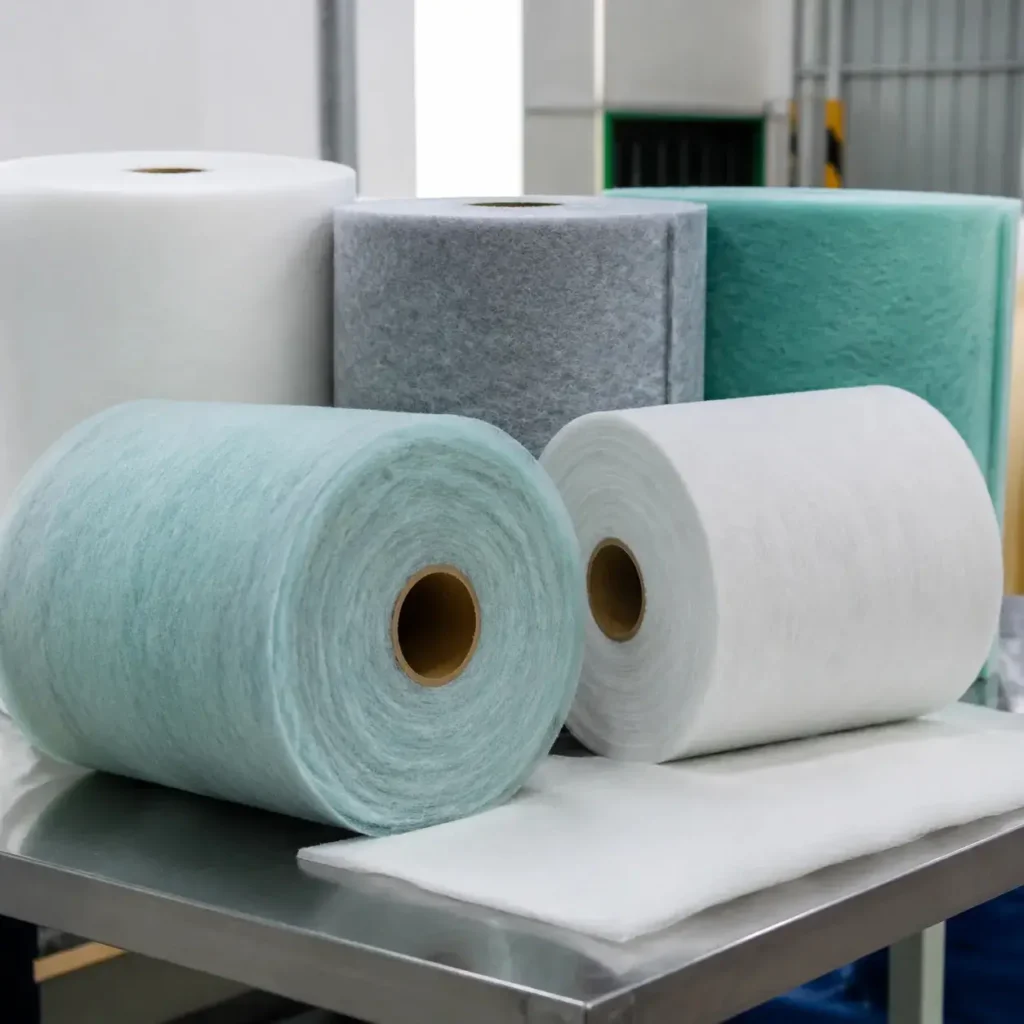
When designing filtration systems, selecting the right raw material determines how well the system handles dust load, moisture, and airflow resistance.
Synthetic Fiber and Polyester Media
Non-woven synthetic fiber and polyester fabric are among the most versatile materials we use in pre-filter manufacturing. These media offer a balanced mix of high dust-holding capacity and low initial pressure drop. Structure: Interlocking synthetic strands that create a multi-layered matrix. Performance Rating: Typically rated for G3 filter media or G4 filter media efficiency. Best Uses: Standard HVAC units, commercial air handlers, and general residential filtration where low cost and reliable mechanical filtration are required.
Woven Polypropylene and Plastic Mesh
Woven polypropylene and durable nylon mesh excel in heavy-duty or wet environments due to their rigid structural integrity and inherent water repellent finish. Washable Mesh: Easily rinsed clean with water, eliminating the need for frequent replacements. High Durability: Resists tearing, chemical exposure, and rust compared to standard wire mesh or metal screens. Best Uses: Outdoor air intakes, automotive vents, and industrial machinery where large debris like leaves, bugs, and lint must be blocked.
Polyurethane Foam Filter Media
Open-cell polyurethane foam utilizes a porous, sponge-like structure to capture coarse contaminants throughout its entire depth rather than just on the surface layer. Flexible Design: Easily cut or molded to fit compact or irregular filter housings. Reusable: Can be washed, dried, and re-installed multiple times without losing structural shape. Best Uses: Small engine intakes, portable electronics, room air purifiers, and vacuum cleaners.
Activated Carbon Impregnated Layers
Activated carbon pre-filters combine non-woven polyester or foam bases with active carbon particles to deliver dual-action protection. Gas & Odor Control: Neutralizes volatile organic compounds (VOCs), cooking odors, pet smells, and smoke before air reaches the main HEPA stage. Particle Capture: Traps coarse dust while simultaneously treating gas-phase pollutants.
Understanding the functional differences in carbon vs standard air filters helps in choosing the right material composition when odor control and chemical absorption are required alongside particle capture.
Key Features and Advantages of Pre-Filter Materials
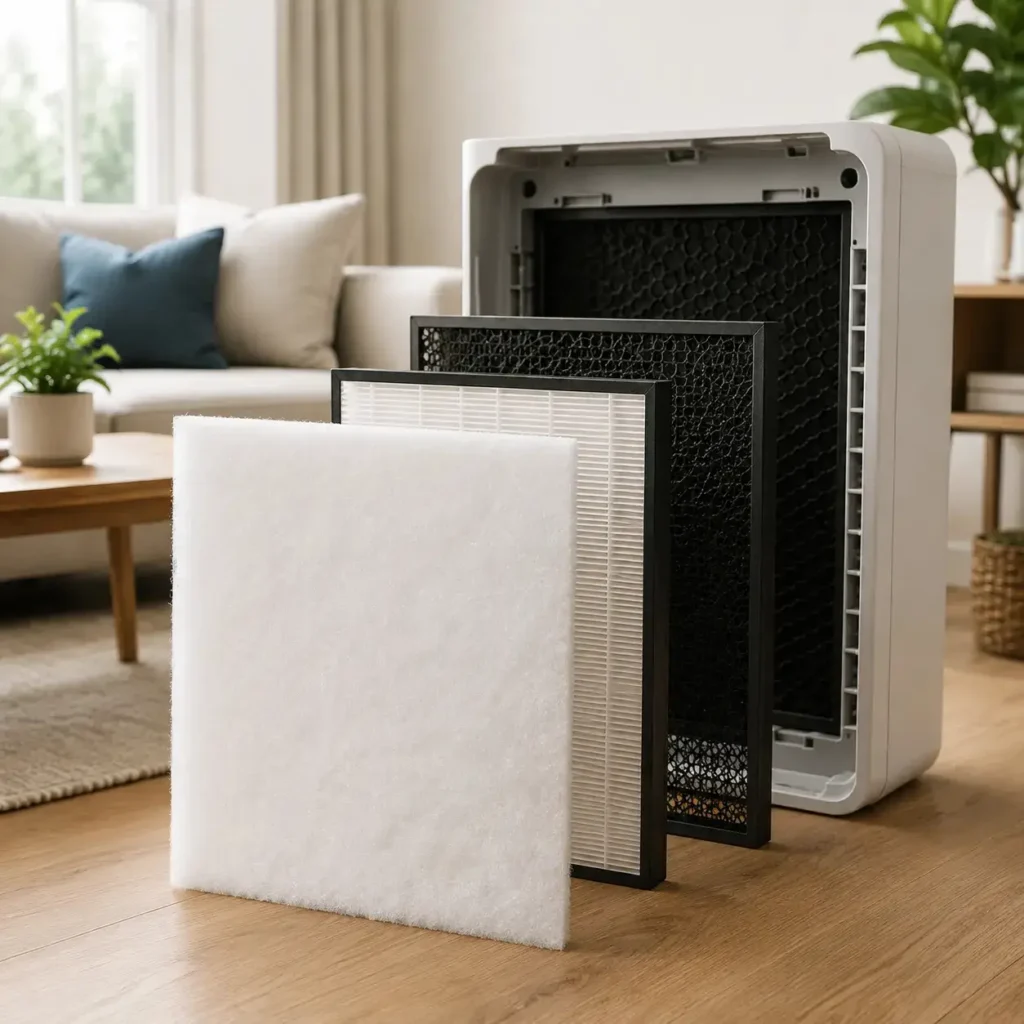
As an air filter manufacturer, we design pre-filter media specifically to capture heavy debris before it reaches fine secondary filters. Choosing the right material ensures maximum airflow, lower energy consumption, and maximum durability.
| Material Type | Core Feature | Primary Application |
|---|---|---|
| Polyester & Synthetic Fiber | High dust loading, low airflow resistance | G3/G4 general HVAC filtration |
| Polyurethane Foam & Mesh | Washable, water-resistant, durable | Portable air purifiers & intake vents |
| Activated Carbon Layers | Odor absorption & coarse particulate capture | Odor-heavy commercial & home spaces |
High Dust-Holding Capacity
The main strength of materials like polyester fabric, synthetic fiber, and pleated pre filter media lies in their ability to retain large volumes of debris without dropping airflow.
- Graduated Fiber Density: Coarser fibers catch large debris at the surface, while denser inner fibers capture smaller particles.
- Low Resistance: Standard G3 filter media and G4 filter media allow high air volume to pass through smoothly while trapping lint and hair.
- Non-Clogging Geometry: Pleated configurations expand the surface area to hold significantly more dust before requiring attention.
Washable and Reusable Properties
Many pre-filters use woven polypropylene, nylon mesh, or polyurethane foam to create a long-lasting, washable mesh stage.
- Cost Savings: Rinse with water or vacuum away accumulated dirt instead of continually buying disposable units.
- Moisture Resilience: Synthetic polymers resist water, preventing fiber breakdown or mold growth during wash cycles.
- Maintaining clean media in HVAC air intake filters keeps total energy costs low and prevents unnecessary blower motor strain.
Extending the Lifespan of Main Filters
Pre-filters serve as the first line of defense for primary stages, such as a delicate HEPA filter in a home air purifier or commercial air handler.
- Protects Fine Media: Stops coarse dirt from blinding micro-fibers in downstream high-efficiency filters.
- Reduces Overall Expenses: Replacing or washing an inexpensive pre-filter layer costs a fraction of replacing a primary HEPA filter.
- Optimized Airflow: To see how these primary and secondary stages work together, explore our detailed types of air filters guide.
Applications of Air Filter Pre-Filter Materials
The material chosen for an air filter pre-filter directly dictates where and how effectively it operates. As an air filter manufacturer, we engineer specific pre-filter media to handle distinct environmental demands across residential, automotive, and industrial setups.
Residential HVAC and Home Air Purifiers
In home environments, pre-filter materials prioritize easy maintenance and steady airflow. Most portable air purifier units and furnace systems use non-woven synthetic fiber, polyester fabric, or open-cell polyurethane foam to trap large indoor particles like pet hair, lint, and dust bunnies before air reaches high-efficiency layers.
- Washable Mesh & Foam: Monofilament polyester and nylon mesh catch coarse debris while allowing fast water-rinse cleaning.
- Activated Carbon Layers: Carbon-impregnated media trap household odors and volatile organic compounds while catching visible dust.
- HVAC Protection: Combining a durable pre-filter with standard residential HVAC air filters keeps system coils clean and prevents rapid pressure drops.
Automotive Air Intakes and Cabin Filters
Automotive pre-filters must withstand harsh outdoor conditions, constant vibration, and moisture. For these demanding applications, materials are chosen to stop physical contaminants without choking engine intake or cabin airflow.
| Application | Material Used | Core Function |
|---|---|---|
| Engine Air Intakes | Stainless steel wire mesh or woven polypropylene | Blocks road gravel, bugs, and heavy dirt before main paper media |
| Cabin Air Systems | Electrostatic media or polyurethane foam | Catches pollen, soot, and road debris to keep interior air clean |
Industrial Cleanrooms and Commercial HVAC Systems
Commercial facilities demand heavy-duty pre-filtration to handle continuous high-volume airflow and extend the operating life of expensive HEPA filter units. Industrial setups routinely rely on rated G3 filter media and G4 filter media.
- Pleated Pre-Filters: High-capacity pleated pre filter media made from synthetic blends or glass fiber maximize surface area for high dust-holding capacity.
- Rigid Metal Assemblies: Heavy-duty aluminum alloy or galvanized frame housings combined with steel wire mesh offer essential structural support against strong static pressure.
- Multi-Stage Air Handlers: Integrating robust pre-filters directly into multi-stage air handling unit filters prevents early clogging in terminal cleanroom filters, significantly cutting facility maintenance costs.
How to Choose the Right Pre-Filter Material
Selecting the ideal pre-filter media requires balancing particle capture efficiency against system airflow limits. As an air filter manufacturer, we engineer specific media combinations to maximize dust-holding capacity without straining fan motors.
Filtration Efficiency and Airflow Resistance
Pre-filters typically utilize G3 to G4 filter media rated between MERV 1 and MERV 8 to stop coarse particles like hair, lint, and dust. Finer media catches smaller debris but increases initial resistance, which reduces total air volume. Checking a verified MERV ratings and pressure drop chart ensures you select a media density that stops contaminants while preserving optimal airflow.
Durability and Washability Requirements
Your maintenance cycle determines whether disposable or reusable media makes financial sense:
| Filter Category | Core Materials | Maintenance | Target Application |
|---|---|---|---|
| Disposable Media | Polyester fabric, pleated synthetic fiber | Replace every 1–3 months | Commercial HVAC, residential air purifiers |
| Washable Mesh | Woven polypropylene, nylon mesh, stainless steel | Clean and reinstall repeatedly | Heavy-duty intake, marine, moist environments |
Environmental Conditions and Moisture Resistance
Operating conditions directly influence material longevity and performance:
- Humid or Wet Environments: Synthetic non-wovens with a water repellent finish, aluminum alloy, or monofilament polyester prevent mold growth and rust.
- High-Dust Dry Air: Pleated synthetic fiber and electrostatic media maximize surface area and hold heavy particulate loads.
- Chemical and Odor Loads: Pre-filters integrated with activated carbon layers absorb chemical vapors and organic odors alongside physical debris.
Cleaning and Maintenance of Pre-Filter Materials
Proper maintenance keeps system resistance low and protects downstream HEPA filters from premature clogging. As an air filter manufacturer, we recommend setting a strict care routine based on your specific pre-filter material.
How to Clean Washable Pre-Filters
Washable materials like nylon mesh, polyurethane foam, and woven polypropylene need routine care every 30 to 60 days to maintain optimal airflow.
- Vacuuming: Use a soft brush attachment to gently pull surface dust, pet hair, and lint off the filter media.
- Rinsing: Run low-pressure warm water from the clean side through to the dirty side to flush trapped dirt outward.
- Washing: For oily residue, submerge the media in warm water mixed with mild soap, agitate gently, and rinse completely.
- Drying: Air-dry the material completely on a flat surface for 24 hours before reinstalling to prevent mold and bacteria growth.
Understanding the performance tradeoffs between washable vs disposable air filters helps ensure your system operates efficiently over its full service life.
When to Replace Disposable Pre-Filter Media
Non-washable media—including pleated polyester fabric, glass fiber, and activated carbon layers—require complete replacement once saturated.
- Visual Saturation: Replace the pad when the material turns a dark gray or brown across the entire surface.
- Airflow Drop: Swap out media immediately if HVAC supply velocity drops or system static pressure rises.
- Standard Lifespan: Replace standard synthetic fiber pre-filters every 1 to 3 months, and activated carbon layers every 3 to 6 months.
- Structural Failure: Throw away any media showing tears, thin spots, or frame warping to prevent dirty air bypass.