Are you struggling to decide which filter will actually protect your home’s air quality? Selecting the right air filter isn’t just about price—it’s about your health and your HVAC system’s performance.
As someone who has spent years optimizing indoor environments, I know that the wrong choice can leave your family exposed to pollutants. You need a solution that effectively targets dust, allergens, and volatile organic compounds (VOCs).
In this guide, you’ll learn the exact differences between a carbon air filter and a standard air filter. I’ve broken down the MERV ratings, adsorption technology, and capture efficiency so you can make a smart investment for your home.
Understanding the Difference Between Carbon and Standard Air Filters
Choosing the right filtration system is essential for maintaining high indoor air quality. While both standard and carbon filters aim to clean the air, they utilize different technologies to target specific types of pollutants. Understanding these core differences ensures your HVAC system operates efficiently while providing the protection your environment requires.
What Are Standard Particulate Air Filters?
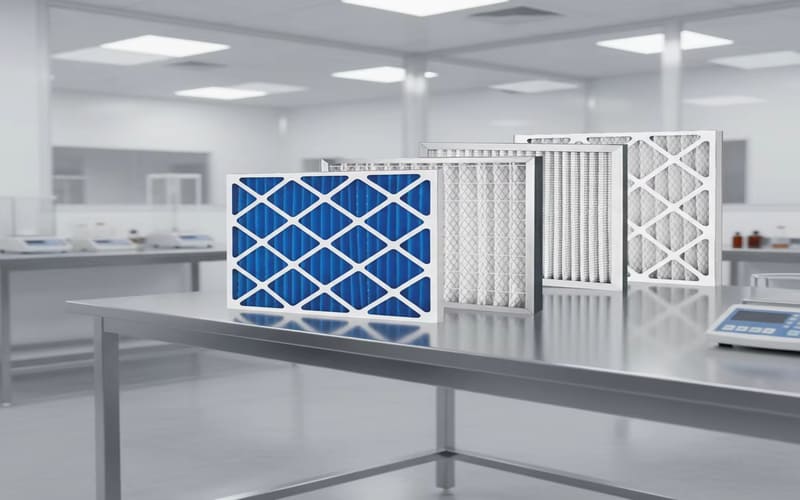
Standard air filters are designed for mechanical filtration. They consist of dense mats of fiberglass, polyester, or pleated paper that act as a physical barrier to trap airborne particles. Their primary function is twofold: protecting your HVAC equipment from dust buildup and removing common physical irritants from the breathing zone.
- Primary Targets: Dust particles, pollen, pet dander, and mold spores.
- Construction: Typically pleated to increase surface area for higher particle loading.
- Best For: General household cleanliness and basic allergy relief.
What Are Activated Carbon Air Filters?
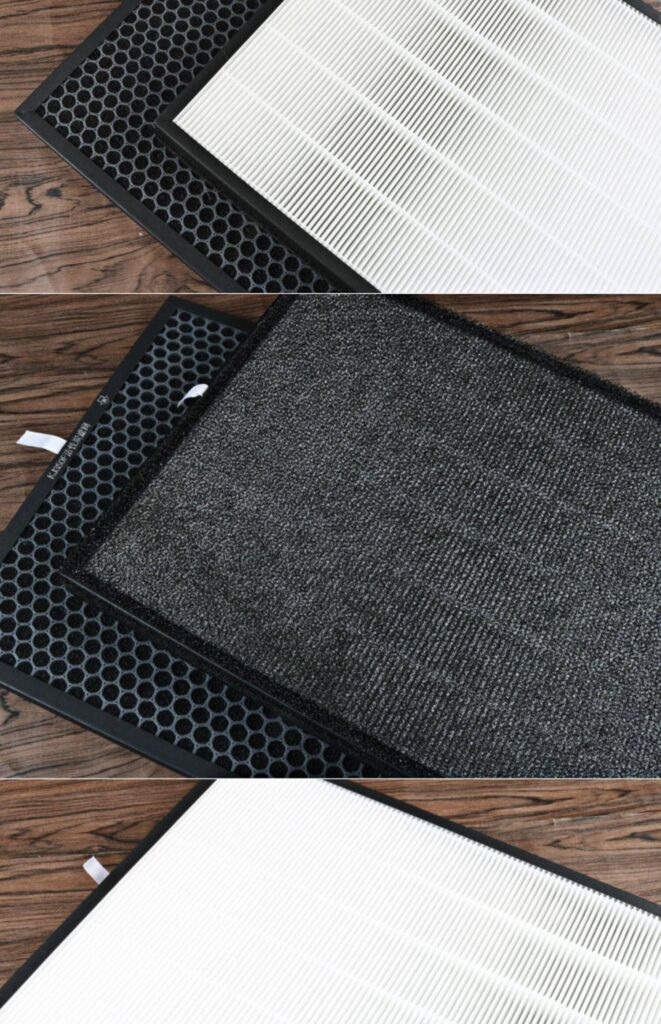
Activated carbon filters, often referred to as charcoal filters, utilize a process called adsorption. Unlike standard filters that catch particles like a net, carbon filters contain porous material treated with oxygen to open up millions of tiny pores. These pores chemically bond with gas-phase pollutants, trapping them within the filter medium.
- Primary Targets: Odors, smoke removal, chemical vapors, and volatile organic compounds (VOCs).
- Mechanism: Gas-phase filtration that captures molecular-sized pollutants.
- Best For: Homes with pets, smokers, or sensitivities to household chemicals and perfumes.
The Role of MERV Ratings in Filter Performance
The MERV rating (Minimum Efficiency Reporting Value) is the industry standard for measuring a filter’s ability to capture particles between 0.3 and 10 microns. While standard filters are defined by their MERV score, carbon filters focus on gas removal, which MERV does not measure.
| Filter Feature | Standard Particulate Filter | Activated Carbon Filter |
|---|---|---|
| Filtration Method | Mechanical Straining | Chemical Adsorption |
| Main Pollutant Type | Solid Particles (Dust/Pollen) | Gases & Molecular Odors |
| MERV Applicability | Highly Relevant (MERV 8-16) | N/A (Focuses on Gas Phase) |
| System Protection | High (Prevents dust on coils) | Moderate (Focuses on air purity) |
Key Takeaway: A higher MERV rating indicates a more efficient standard filter for trapping fine allergens, but it will not stop smells or VOCs without an integrated carbon layer.
How Each Filter Type Works to Clean Your Air
Mechanical Filtration for Dust and Allergens
Standard air filters rely on mechanical filtration to physically strain the air. We design these filters with a dense web of synthetic or fiberglass fibers that act as a barrier for airborne particles. As air pushes through the pleats, the fibers catch dust particles, pollen, and pet dander before they can recirculate into your living space. For industrial or high-capacity needs, utilizing specialized dust collector filters is the most effective way to manage large volumes of physical debris while maintaining consistent system airflow.
Adsorption Technology for Gases and Chemicals
Activated carbon filters operate through a process called adsorption, which is fundamentally different from physical straining. To truly grasp what is a carbon filter and how it works, you have to look at the microscopic level. The carbon is “activated” to create millions of tiny pores, providing a massive surface area. As air passes through, volatile organic compounds (VOCs), odors, and chemical vapors are chemically attracted to and trapped within these pores. This makes carbon the superior choice for neutralizing smells that standard filters simply cannot touch.
Capture Efficiency: Particles vs. Volatile Organic Compounds (VOCs)
Understanding the capture efficiency of carbon and standard air filters requires looking at what they are designed to stop.
- Standard Filters: These are optimized for mechanical filtration. They excel at trapping solid matter like lint and allergens, protecting your HVAC components from buildup.
- Carbon Filters: These focus on gas-phase filtration. They are the primary defense against invisible threats like smoke removal and off-gassing from household cleaners or furniture.
- Performance Gap: While a high-efficiency standard filter can stop microscopic dust, it has no impact on gases. Conversely, a carbon filter targets the molecular level to ensure the air doesn’t just look clean, but smells clean and is free of toxins.
Carbon vs. Standard Filters: A Side-by-Side Comparison
When we compare these two options, we look at how they handle different types of indoor pollution. Standard filters are designed to physically block debris, while carbon filters use a chemical process to soak up invisible threats.
| Feature | Standard Particulate Filter | Activated Carbon Filter |
|---|---|---|
| Primary Capture | Dust, Pollen, Pet Dander | Odors, Smoke, VOCs, Chemicals |
| Mechanism | Mechanical Straining | Adsorption (Chemical Bonding) |
| MERV Rating | Typically MERV 8 to MERV 16 | Often combined with MERV media |
| Airflow Resistance | Lower (Easier on HVAC motors) | Higher (Denser material) |
Targeted Pollutants and Air Quality Benefits
Standard filters are the industry standard for managing airborne particles. They excel at trapping allergens like mold spores and dust mites. If your main goal is reducing sneezing and keeping your furniture dust-free, a high-quality pleated filter is usually sufficient. To find the right balance for your home, understanding which MERV rating filter should you use for home air quality is the first step in optimizing your system.
Activated carbon filters (or charcoal filters) target the “unseen.” They are the only effective way to remove volatile organic compounds (VOCs), cooking smells, and tobacco smoke. While they aren’t as efficient at stopping fine dust on their own, they provide a level of chemical protection that standard filters simply cannot match.
Impact on HVAC Airflow and System Pressure
We always remind our customers that air filtration is a trade-off between clean air and system health. Carbon filters are naturally denser because they contain actual pellets or coatings of carbon. This density can increase static pressure within your ductwork.
- Standard Filters: Offer smoother airflow, which puts less strain on your blower motor.
- Carbon Filters: May require a more powerful HVAC fan or more frequent monitoring to prevent restricted airflow.
Using the correct filter ensures your equipment doesn’t overheat. High-quality HVAC air intake filters save money and improve efficiency by maintaining the necessary pressure balance for your specific unit.
Average Lifespan and Maintenance Requirements
The replacement schedule differs significantly between these two types. A standard pleated filter usually lasts about 90 days in a typical home. It only needs changing when it becomes physically loaded with dust.
Carbon filters work differently. Once the carbon’s surface area is fully saturated with gas molecules, it stops working—even if it looks clean.
- Standard lifespan: 3 months.
- Carbon lifespan: 1 to 3 months (depending on the level of odors and chemicals in the home).
- Saturation sign: If you start smelling household odors again, the carbon is “full” and the filter must be replaced to maintain air quality benefits.
When to Choose a Standard Air Filter
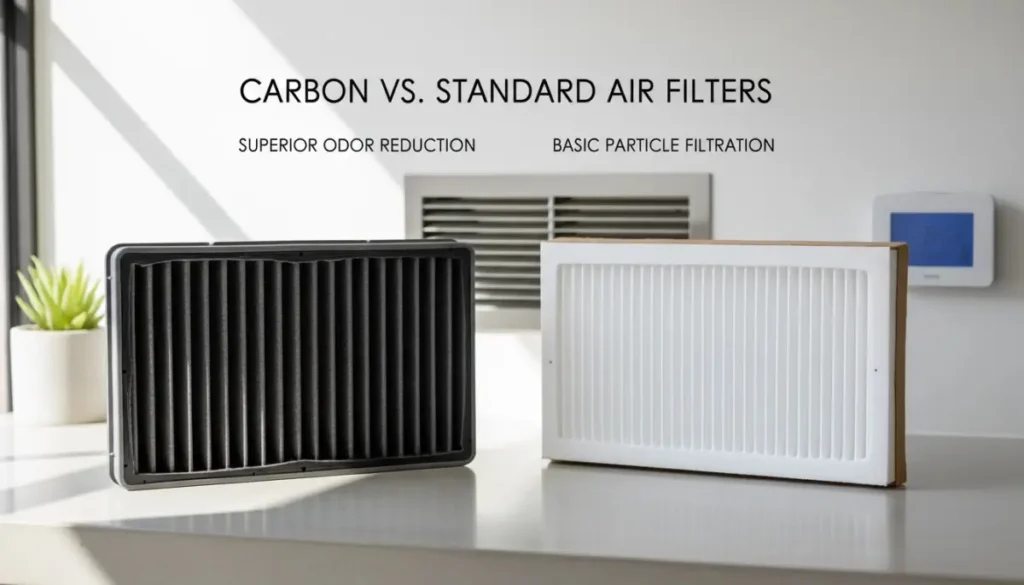
Standard air filters are the best choice when your main goal is to remove physical particles from the air. These filters use mechanical filtration to trap debris, ensuring that your HVAC system stays clean and your indoor air remains free of common irritants. If you don’t have issues with heavy odors or chemical fumes, a high-quality standard filter is the most efficient way to maintain a healthy home environment.
Managing Seasonal Allergies and Asthma Triggers
For those dealing with seasonal allergies, a standard pleated filter with a high MERV rating is essential. These filters are specifically designed to snag microscopic triggers that cause sneezing and respiratory distress. When comparing pleated vs. fiberglass air filters, pleated versions provide significantly more surface area to trap small contaminants.
- Pollen: Effectively captured by MERV 8 filters and higher.
- Mold Spores: Requires MERV 11 or MERV 13 for maximum removal.
- Dust Mites: Easily trapped by standard synthetic fibers.
Capturing Pet Dander and Household Dust
If you have pets, you know that fur and dander can quickly accumulate in your vents. Standard filters act as a physical barrier, preventing these large particles from recirculating. This not only improves air quality but also extends the life of your HVAC equipment by preventing buildup on sensitive components.
| Particle Type | Effectiveness of Standard Filters | Recommended MERV Level |
|---|---|---|
| Large Dust | Excellent | MERV 8 |
| Pet Dander | High | MERV 11 |
| Lint/Fiber | Excellent | MERV 8 |
| Bacteria | Moderate | MERV 13 |
Cost-Effective Solutions for Basic Air Purification
Standard filters are the most budget-friendly option for consistent air filtration. Because they are less expensive than carbon or HEPA alternatives, you can afford to replace them more frequently, which is vital for maintaining airflow. If you are debating between washable vs. disposable air filters, disposable standard filters typically offer better filtration for fine dust particles while remaining highly affordable for the average household.
- Lower Initial Cost: Significant savings when buying in bulk.
- System Protection: Prevents dust from clogging your heater and AC coils.
- High Availability: Easy to find in all standard residential sizes.
When a Carbon Air Filter Is the Better Option
Choosing an activated carbon air filter is the superior choice when your primary concern isn’t just dust, but the invisible gases and smells that linger in your living space. When asking what is a better option between carbon and standard air filters, the answer depends on whether you need to scrub the air of chemical molecular structures that pass right through a standard pleated fabric.
Neutralizing Smoke, Cooking, and Pet Odors
Standard filters are largely ineffective against smells. If you deal with persistent kitchen odors, damp pet smells, or tobacco, carbon is the only way to go. It uses a process called adsorption to trap odor molecules within its porous surface. For those dealing with specific issues like heavy tobacco or cannabis, using the best weed air filter for indoor smoke ensures that these pungent smells are neutralized rather than just recirculated through your HVAC system.
Reducing Chemical Sensitivities and VOC Exposure
Modern homes are often filled with Volatile Organic Compounds (VOCs) from paints, new carpets, and household cleaning supplies. I recommend carbon filters for these specific scenarios:
- Gas Phase Filtration: Carbon filters are specifically designed for gas-phase filtration, which targets chemical vapors that standard filters cannot catch.
- Health Protection: They are essential for individuals with chemical sensitivities or respiratory issues aggravated by chemical off-gassing.
- Broad Spectrum: They effectively capture formaldehyde, benzene, and other common household toxins that contribute to “sick building syndrome.”
Improving Air Quality During Wildfire Seasons
During wildfire seasons, the air is thick with both fine ash and toxic wood smoke. While a standard filter might catch the physical ash particles, it won’t stop the acrid smell or the harmful gaseous components. A carbon filter acts as a critical defense line, absorbing the chemical components of smoke that cause headaches and throat irritation. For anyone living in fire-prone areas, incorporating carbon into your HEPA filtration setup is a good way to maintain a truly breathable indoor environment when the outdoor air quality index (AQI) spikes.
The Hybrid Approach: Combining Carbon and HEPA Filtration
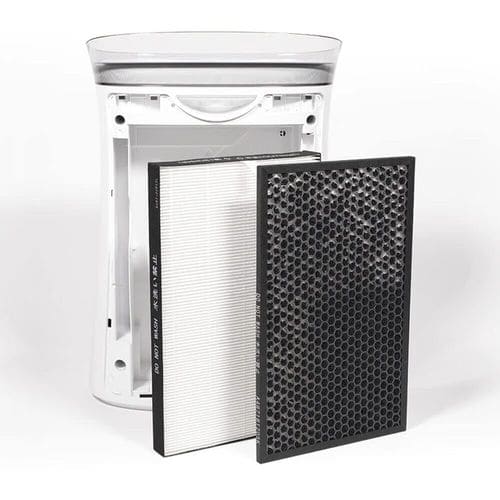
Why Dual Filtration Provides the Best Protection
We often recommend a hybrid approach because it addresses the two main types of indoor air pollution: particles and gases. A standard filter traps physical contaminants, but it is powerless against smells and chemical vapors. By integrating activated carbon with high-efficiency particulate filtration, you get a complete solution. This dual-layer system ensures that dust, allergens, and VOCs are all handled in a single pass through the HVAC system, providing a level of protection that a single-stage filter simply cannot match.
How to Use Carbon Pre-filters with Standard Systems
Using a carbon pre-filter is a smart way to extend the life of your primary filtration media. The carbon layer acts as the first line of defense, together with pre-filters, capturing large debris and neutralizing odors before the air reaches the more sensitive stages. For industrial or high-demand residential environments, installing a mini-pleat HEPA filter alongside a dedicated carbon stage ensures the highest possible clean air delivery rate (CADR) while protecting the system from premature clogging.
Choosing the Right Hybrid Filter for Your Home
Not all hybrid filters are created equal. To get the most out of your investment, you need to look for high-quality construction that balances airflow with filtration efficiency. When selecting a hybrid option, consider these factors:
- Carbon Weight: A higher volume of activated carbon leads to better gas adsorption and longer-lasting odor control.
- Pleat Density: More pleats increase the surface area available for trapping airborne particles without significantly dropping air pressure.
- Frame Integrity: A sturdy HEPA filter cassette prevents air bypass, ensuring that 100% of the air is forced through the filter media.
- MERV Rating: Ensure the particulate stage meets your specific needs for capturing pet dander, mold spores, or fine dust.
Maintenance and Replacement Best Practices
Maintaining your filtration system is the only way to ensure you get the full value out of your investment. When deciding what is a better option between carbon and standard air filters for your home, remember that neither will perform effectively if they are clogged with debris or saturated with chemicals.
Signs Your Air Filter Needs Immediate Replacement
Don’t wait for a total system failure to swap your filters. We recommend watching for these specific red flags that indicate your air quality is dropping:
- Grey or Black Discoloration: If the filter media is visibly dark, it is heavily loaded with dust particles and soot.
- Increased Energy Bills: A clogged filter forces the blower motor to work harder to pull air through, leading to a noticeable spike in electricity costs.
- Excessive Dust Accumulation: If you notice a fine layer of dust on your furniture just days after cleaning, the filter is likely failing to capture airborne particles.
- Lingering Odors: For those using carbon filters, the return of cooking or pet smells is a primary sign that the carbon has reached its adsorption limit.
How Often to Change Carbon vs. Traditional Filters
The lifespan of your filter depends on your indoor environment and the specific filter type. Standard pleated filters generally last up to 90 days in average homes. However, activated carbon filters have a finite capacity to hold gas molecules and VOCs. Once the microscopic pores in the carbon are full, they stop removing odors even if the filter still looks physically clean. To maintain peak performance and protect your HVAC system, it is vital to understand how often to change your air filter based on your specific household needs, such as pet ownership or local air quality levels.
Pro Tips for Extending the Life of Your Filtration System
Maximizing the efficiency of your filtration requires a proactive approach. We suggest these professional strategies to keep your air clean for longer:
- Implement a Pre-filter Strategy: Use a low-cost standard filter as a “pre-filter” to catch large dust particles and pet hair, leaving the more expensive carbon filter free to handle odors and chemicals.
- Keep Return Vents Clear: Ensure that furniture, rugs, or curtains aren’t blocking air returns, which can cause uneven pressure and premature filter wear.
- Regular Household Maintenance: Frequent dusting and vacuuming reduce the overall load of airborne particles that your HVAC system has to process.
- Monitor Seasonally: During wildfire seasons or peak allergy months, expect to replace filters twice as often to maintain a healthy indoor environment.
Frequently Asked Questions About Air Filter Options
Choosing between carbon and standard filters often comes down to what you are trying to remove from your home. We see many homeowners struggle with these specific technical details when trying to decide on the best filtration setup.
Can Carbon Filters Catch Dust and Pollen?
Most residential carbon filters are designed as “hybrid” products. They consist of a pleated base material that handles mechanical filtration for dust and pollen, combined with a layer of activated carbon.
- Pure Carbon: If you use a standalone carbon foam or pre-filter, it is excellent for odors but poor at stopping fine dust.
- Hybrid Filters: These are the most common and provide a balanced approach, catching allergens while neutralizing smells.
- Efficiency: For heavy pollen issues, a standard high-MERV pleated filter is usually more efficient unless the carbon filter specifically lists a high MERV rating.
Are Carbon Filters Safe for All Residential HVAC Systems?
Carbon filters are safe as long as they do not excessively restrict airflow. Because carbon layers add density, they can increase the “pressure drop” across your system. It is vital to check the micron rating for air filters and compare it to your HVAC manufacturer’s specifications.
If a filter is too thick or dense with carbon, your blower motor will have to work harder, which could lead to higher energy bills or mechanical failure. We recommend monitoring your system’s performance when switching to a heavy-duty carbon option.
Do Carbon Filters Remove Mold Spores Better Than Standard Filters?
When it comes to mold, these two filters play different roles. Standard filters are better at the physical capture, while carbon filters handle the byproduct.
| Feature | Standard Filter (High MERV) | Carbon Filter |
|---|---|---|
| Mold Spore Capture | High (Physically traps spores) | Moderate (Depends on the outer layer) |
| Musty Odor Removal | None | High (Adsorbs mold gases) |
| Best Use Case | Preventing mold spread | Removing “old house” smells |
To truly manage mold, a high-efficiency standard filter is required to stop the spores from circulating. However, if you are dealing with the lingering damp smell associated with mold, adding a carbon layer is the only way to neutralize those organic vapors. For many, the expensive air filters worth it argument often lands on these hybrid models because they tackle both the physical spores and the chemical odors simultaneously.