Understanding Your AC Filter: What Makes a Filter “Wavy”?
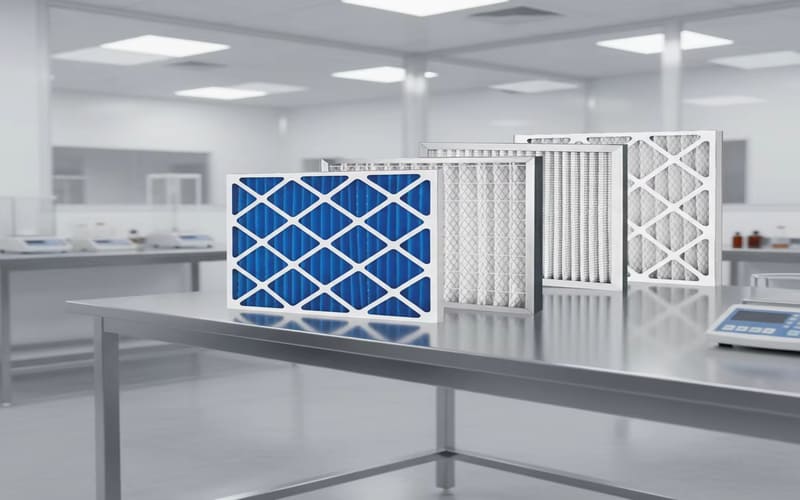
When you look at your HVAC system and notice your air filter has a distinct V-shaped zigzag pattern, you are looking at a “wavy” or pleated filter. We design these wavy folds with a specific purpose in mind: to maximize surface area. A flat filter only captures dust on its exact surface dimensions, but a wavy design unfolds to provide up to three times more filtering material in the exact same slot size.
The Anatomy of Pleated Filters
Pleated filters are engineered for high-efficiency filtration. By packing more filter material into the frame through these structured waves, we drop resistance to airflow while boosting dirt-holding capacity.
- Media Composition: Typically made of synthetic fibers or cotton-polyester blends.
- Wire Backing: A metal grid often reinforces the wavy folds to prevent sagging under intense airflow.
- Surface Area Advantage: More surface area means better capture of microscopic particles without choking your system.
Disposable vs. Washable Filters
Not all wavy filters are built the same way. Knowing the difference between disposable filters and washable filters is critical before you attempt any ac maintenance.
| Filter Type | Material Base | Reusability | Best For |
|---|---|---|---|
| Disposable Filters | Cardboard frame, thin synthetic media | Strictly Single-Use | High convenience, quick swaps |
| Washable Filters | Heavy-duty plastic/aluminum frame, woven mesh | Reusable (10+ years) | Eco-friendly savings, waste reduction |
The Komtfil Perspective
As a dedicated air conditioner filter manufacturer, our engineering focus at Komtfil centers on indoor air quality and home efficiency. We design our proprietary wavy filter lines to balance high particle capture with low energy draw. Whether we are fabricating high-grade disposable pleated filters or lifetime electrostatic washable filters, our goal remains the same: keeping your HVAC system running smoothly while protecting the air your family breathes.
The Dangers of Reusing a Disposable Wavy Filter
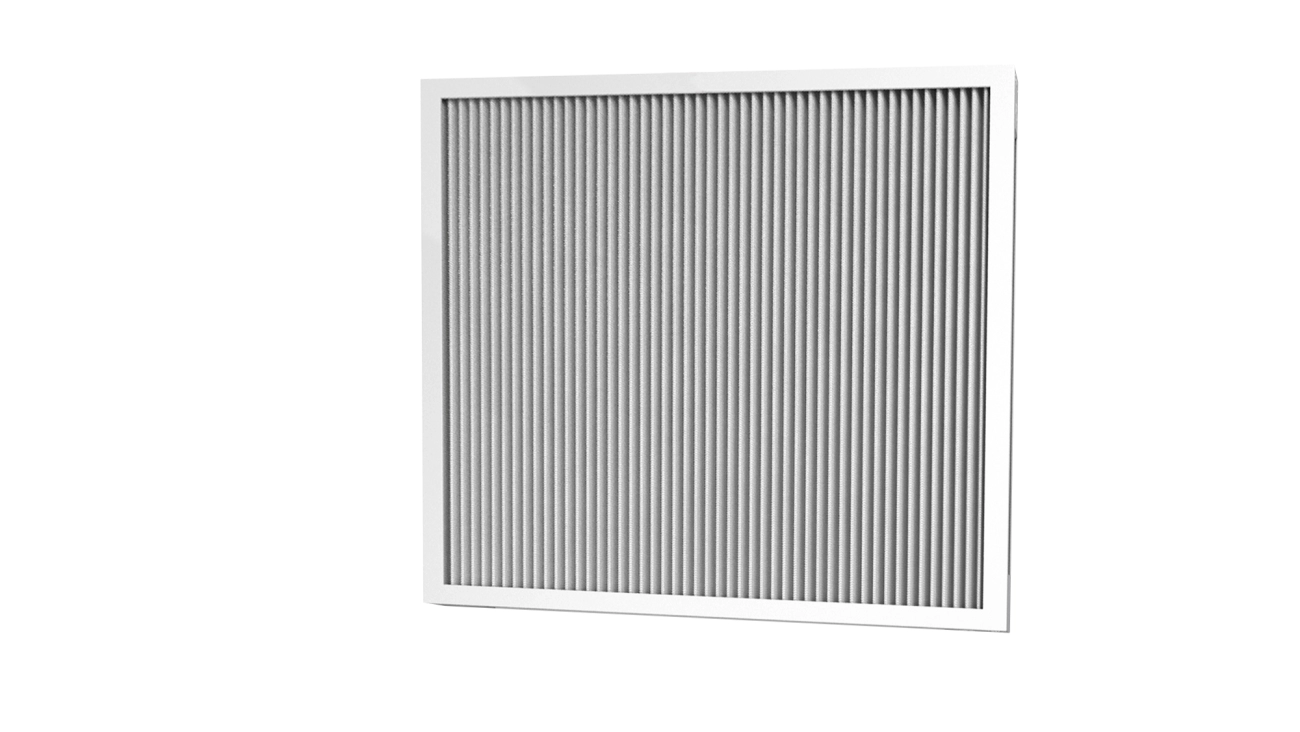
Trying to wash or reuse a disposable wavy AC filter is a shortcut that always ends up costing more. These filters are built for single-use efficiency, and stretching their lifespan past their prime actively threatens your HVAC system and your home’s indoor air quality.
Structural Failures
Disposable pleated filters rely on a delicate cardboard frame and thin filter material to hold their shape. When you try cleaning dust off them—especially with water or heavy vacuuming—you damage the pleats. The wavy folds will buckle, sag, and tear. Once the structure fails, unfiltered air bypasses the system entirely, sending dust and debris straight onto your expensive HVAC components.
The Hidden Threat of Mold and Mildew
Disposable media is highly porous and absorbs moisture easily. If you rinse a disposable filter, it will never dry fast enough or completely. This trapped moisture turns the filter into a breeding ground for mold and mildew. Instead of cleaning the air, your blower fan will push harmful mold spores throughout your entire home.
Airflow Restriction and System Strain
Even if a reused filter looks clean on the surface, microscopic particles remain deeply embedded in the fibers. This clogging severely restricts airflow, forcing your air conditioner to work twice as hard to cool your home. This extra strain tanks your home efficiency, spikes your energy bills, and can even cause your cooling coils to freeze up, leading to a costly AC maintenance crisis.
Pro Tip: If you are unsure whether your current filter is past its prime or if it is even installed correctly to handle the airflow, check out our proper HVAC installation guide to protect your system from unnecessary strain.
How to Correctly Clean a Genuine Washable Wavy Filter
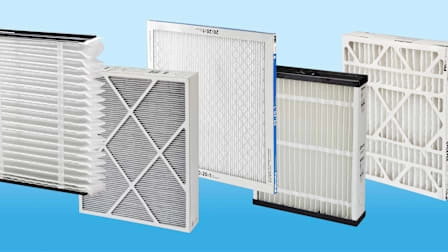
If your unit uses a reusable design, you can safely reuse a wavy air conditioner filter by following a precise cleaning routine. As manufacturers, we build these filters to last, but improper maintenance will ruin the filter material and decrease your home’s efficiency.
Step 1: Proper Power-Down and Safe Extraction
- Turn off the HVAC system: Never remove a filter while the fan is actively running.
- Slide out gently: Pull the filter out slowly so you don’t damage the pleats against the slot frames or shake loose dust into your indoor air.
Step 2: Low-Pressure Debris Removal
- Rinse backwards: Bring the filter outside or to a deep sink and rinse it with low-pressure water. Always spray water through the clean side to flush the trapped dust out of the dirty side.
- Inspect the buildup: If you notice unusually heavy soot or dark buildup during this step, take a moment to evaluate why is my air filter black to rule out serious furnace or environmental issues.
Step 3: Avoiding Harmful Chemicals
- Use mild soap only: Stick to plain lukewarm water or a highly diluted, gentle dish soap.
- Skip the pressure washer: Avoid harsh chemical cleaners, bleach, and high-pressure nozzles. These aggressive methods strip away the electrostatic charge and tear the delicate, wavy folds.
Step 4: The 100% Dry Rule
- Air dry completely: Shake off the excess water and prop the filter up in a well-ventilated area.
- The golden rule: Never reinstall a damp filter. Putting moisture back into your HVAC system ruins your ac maintenance efforts by triggering mold growth and choking system airflow. Let it sit for a full 24 hours until it is entirely bone dry.
Choosing the Right Strategy for Your Home: Disposable vs. Washable
Finding the perfect balance for your HVAC system comes down to your household needs, budget, and maintenance habits. Both disposable and washable options have their place in keeping your indoor air quality high and your energy bills low.
Fiberglass Filters vs. Deep Pleated Filters
When looking at disposable options, the design makes a massive difference in performance:
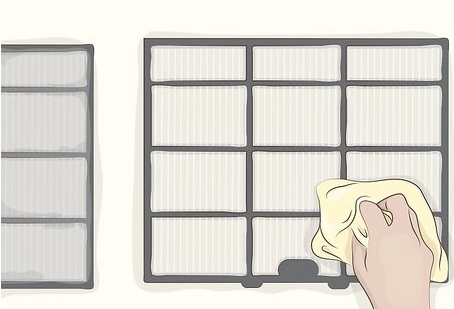
- Fiberglass Filters: These are flat, thin, and very cheap. They only stop large dust bunnies and debris, offering minimal protection for your indoor air quality.
- Deep Pleated Filters: These feature the signature wavy folds that drastically increase the surface area. The dense filter material captures much smaller particles, like pollen and pet dander, without choking your airflow.
When to Opt for Disposable
Disposable pleated filters are the best choice if convenience is your top priority.
- High-Allergy Households: If you suffer from severe allergies, swapping in a fresh, high-MERV disposable filter ensures peak filtration.
- Low Maintenance: If you don’t want to deal with washing and waiting for a filter to dry, just toss the old one and slide in a new one every 2 to 3 months.
- Commercial or Rental Properties: Perfect for spaces where regular, hands-on filter washing isn’t practical.
Pro Tip: If you use air purifiers alongside your HVAC system to manage dust, remember that their internal components need regular attention too. Check out our guide on how often to change your air purifier filter to keep your overall home efficiency high.
When to Opt for Washable
A genuine washable AC filter is an excellent long-term investment for the right home.
- Eco-Friendly and Cost-Effective: Instead of buying dozens of filters over the years, you buy one heavy-duty electrostatic filter and reuse it for years.
- Standard Dust Management: Perfect for homes without severe respiratory issues that just need reliable, everyday dust and particle removal.
- Dedicated Routine: Best for homeowners who won’t mind adding filter rinsing to their monthly AC maintenance checklist.
Frequently Asked Questions (FAQs)
Can I vacuum a disposable furnace filter just to get a few more weeks out of it?
No, you should never vacuum a disposable filter. While it might look cleaner on the surface, vacuuming fails to remove the deeply embedded microscopic particles clogging the filter material. Even worse, the suction from a vacuum can easily damage the pleats and tear the delicate fibers. This ruins the filter’s integrity, allowing dust and allergens to bypass the system entirely and compromise your indoor air quality. If you want to know more about the boundaries of reusing filters, check out our guide on whether you can reuse a wavy air conditioner filter safely.
How often should I clean a washable AC filter?
For optimal home efficiency and consistent airflow, we recommend cleaning your washable filter every 4 to 6 weeks under normal use. However, you should increase this frequency to once every 2 to 3 weeks if you have pets, live in a dusty area, or are running your HVAC system constantly during peak summer or winter months. Regular AC maintenance prevents heavy dust buildup and keeps your system running smoothly.
What happens if my wavy folds look bent or flattened after a cleaning?
If the wavy folds or pleats look visibly warped, bent, or flattened, the filter’s structural integrity is compromised. Flattened pleats restrict crucial airflow, causing severe system strain and reducing your unit’s efficiency.
- Minor bends: You can gently guide them back into place by hand if the material isn’t torn.
- Severe flattening or tears: Replacement is mandatory. A damaged filter will fail to trap airborne particles properly, risking damage to your HVAC system.