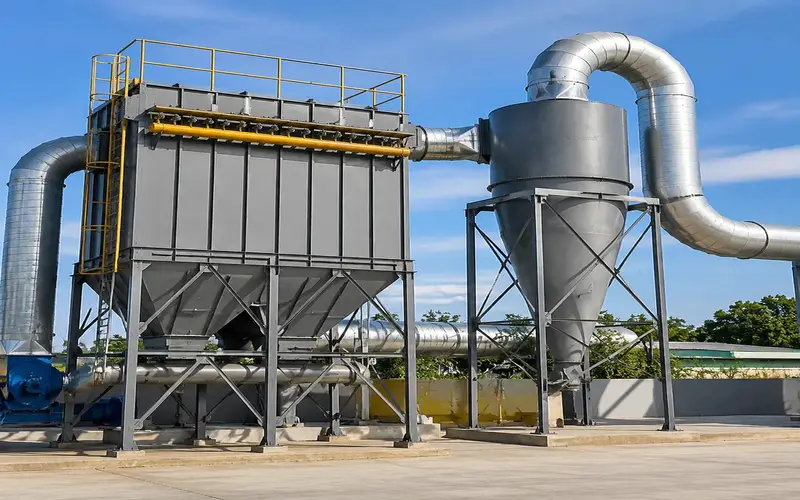
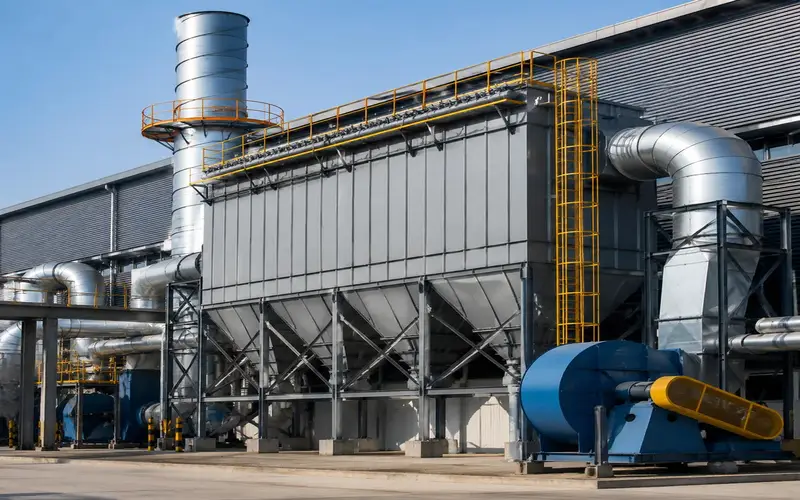
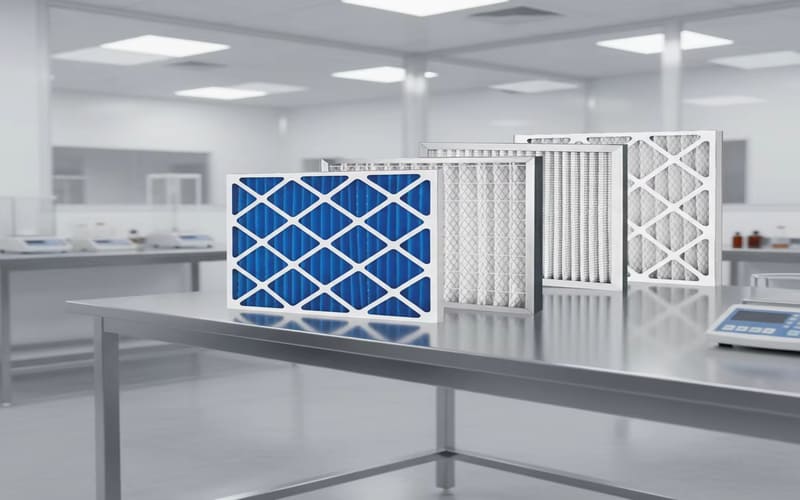
Did you know the air inside your home can be up to five times more polluted than the air outside?
If you want cleaner air and a smoother-running HVAC system, understanding how an air filter works is the ultimate place to start.
In this guide, you’re going to learn the exact science behind air filtration—from the four key trapping mechanisms to deciphering confusing MERV ratings and choosing between standard media and high-efficiency HEPA filters.
So if you’re looking to dramatically boost your indoor air quality, protect your equipment, and pick the perfect air filter for your home, you’re in the right place.
What Is an Air Filter and How Does It Work?
An air filter is a specialized device made from porous, fibrous filter media engineered to strain and capture solid contaminants from circulating air streams. By creating a physical barrier within heating, ventilation, and air conditioning (HVAC) systems or air purifiers, these filters continuously scrub the air to safeguard human health and mechanical equipment.
The Basic Function of an Air Filter
The primary function of an air filter is mechanical filtration. As forced air passes through the filter material, the structured weave traps harmful airborne particles while allowing clean air to continue through the ductwork.
- Particle Capture: Traps dust, pollen, pet dander, and microscopic contaminants before they re-enter living spaces.
- Equipment Protection: Prevents dirt accumulation on sensitive HVAC system components like blower motors and evaporator coils.
- Airflow Optimization: Balances effective contaminant removal with steady air circulation to maintain energy efficiency.
How Airflow and Particle Trapping Work
Particle trapping relies on forcing air through a dense network of fibers. Depending on the fiber weave and velocity, the filter media captures particles of varying sizes through distinct physical interactions:
| Trapping Process | How It Works | Target Contaminants |
|---|---|---|
| Direct Sieving | Particles are physically too large to fit through the spaces between fibers. | Visible dust, lint, and large debris (> 10 microns) |
| Direct Interception | Mid-sized particles follow the airflow path and brush against a fiber, sticking to it. | Mold spores, ragweed, and pollen (1 to 10 microns) |
| Diffusion & Impaction | Tiny particles collide with gas molecules or fibers directly, becoming permanently trapped. | Fine particulate matter, smoke, and bacteria (< 1 micron) |
Importance of Indoor Air Quality
Indoor air can be two to five times more polluted than outdoor air. Effective filtration is essential for creating a healthy, controlled indoor environment:
- Health and Comfort: High-performance air filtration eliminates common allergens, reducing asthma triggers and respiratory issues.
- System Efficiency: Clean filters minimize airflow resistance and static pressure drop, lowering energy consumption and utility bills.
- Extended Equipment Life: Preventing dust cake buildup inside systems stops overheating and premature component failure.
The 4 Key Mechanisms of Air Filtration
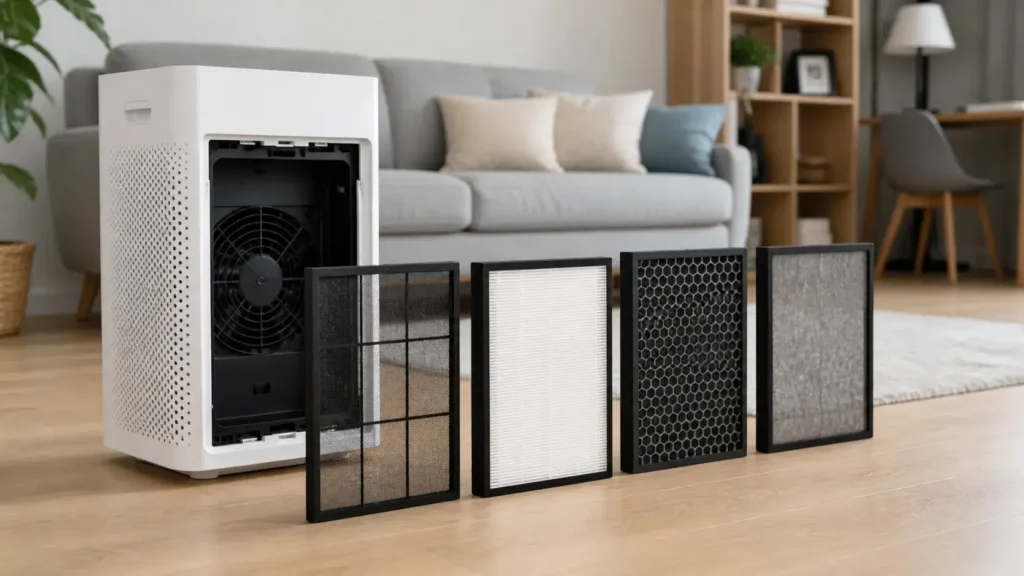
Understanding how air filter works at a microscopic level comes down to mechanical filtration. As air flows through the filter media, four primary physical processes trap airborne particles of varying sizes.
Inertial Impaction
- Target particles: Large contaminants (typically over 1 micron) like heavy dust, mold spores, and pollen.
- Mechanism: Heavy particles have too much momentum to follow the fluid airstream around the fibers. Instead, inertia forces them to slam directly into the filter material, where they get trapped.
Interception
- Target particles: Mid-sized particles (0.1 to 1 micron).
- Mechanism: These lighter particles travel smoothly along the air currents. However, as the airstream carries them close to a fiber strand, the edge of the particle touches the fiber and sticks to it. Choosing the right material density—such as comparing a synthetic vs fiberglass air filter—directly affects how efficiently interception captures these mid-range pollutants.
Diffusion
- Target particles: Ultra-fine particles (under 0.1 microns) like smoke, fine soot, and viruses.
- Mechanism: Extremely small particles do not follow smooth air paths; they bounce off air molecules in a random, erratic pattern known as Brownian motion. This zig-zag movement causes them to wander until they collide with a fiber and adhere to it.
Sieving Effect
- Target particles: Very large dust clumps, hair, and macro debris.
- Mechanism: The most straightforward filtration process—particles are simply physically larger than the open spaces between adjacent fibers, preventing them from passing through the matrix entirely.
Common Types of Air Filter Media
Different filter materials offer distinct levels of airflow and particle capture. Selecting the right filter media depends on your specific equipment design and air quality goals.
Fiberglass and Paper Filters
Spun fiberglass and flat paper media represent the most basic tier of mechanical filtration:
- Primary Function: Captures large debris like hair, lint, and coarse dust to protect system fans and heating coils.
- Airflow Impact: Extremely low resistance to airflow, keeping pressure drop to a minimum.
- Efficiency Limits: Low MERV ratings (1–4) offer minimal protection against fine airborne particles and allergens.
Pleated Synthetic and Cotton Media
Pleated media folds woven polyester, synthetic fibers, or cotton blends to expand the total surface area within the frame:
- High Surface Area: Pleating allows more air to pass through while trapping significantly more contaminants over time.
- Target Contaminants: Effectively traps fine dust, pollen, mold spores, and pet dander.
- Optimal Balance: Ideal for residential HVAC equipment. Evaluating different types of air filter media helps strike the right balance between filtration efficiency and system airflow.
HEPA (High-Efficiency Particulate Air) Filters
HEPA media relies on a dense, randomly oriented web of ultra-fine fiberglass strands:
- Certified Efficiency: Traps at least 99.97% of airborne particles down to 0.3 microns in size.
- Target Contaminants: Removes smoke particles, bacteria, microscopic allergens, and virus carriers.
- Applications: Standard in standalone room air purifiers, medical cleanrooms, and high-performance industrial systems.
Reusable Foam and Washable Filters
Washable filters feature durable polyurethane foam or layered synthetic mesh reinforced by aluminum frames:
- Maintenance: Easily rinsed with water, dried, and reinstalled without replacing the media.
- Filtering Power: Provides coarse-to-medium filtration best suited for heavy dust environments.
- Common Uses: Frequently applied in window air conditioners, custom equipment intakes, and specialized automotive applications.
What Particles Do Air Filters Trap?
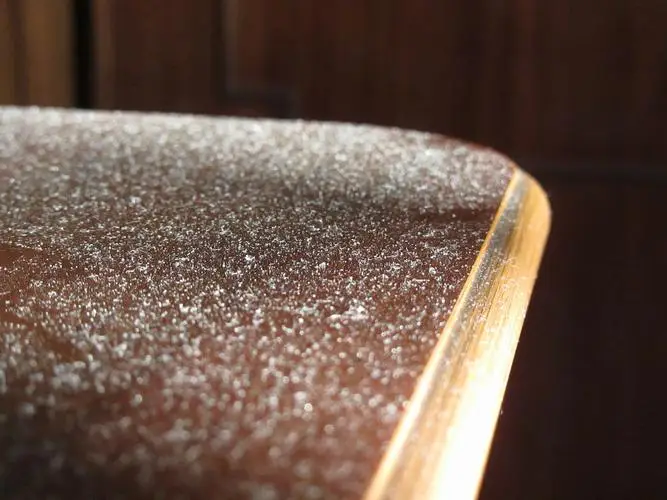
Understanding how air filters work requires looking at the wide spectrum of airborne particles floating through your living spaces. As an air filter manufacturer, we engineer filter media to target contaminants across different micron scales, significantly improving overall indoor air quality.
Dust, Dust Mites, and Pollen
These are large airborne particles, typically measuring 10 microns or larger. Standard air filtration captures these coarse pollutants easily, preventing them from settling on household surfaces or recirculating through your HVAC system:
- Household Dust: Dirt particles, lint, and textile fibers.
- Dust Mite Debris: Microscopic waste that triggers common indoor allergies.
- Pollen: Plant particles that easily drift inside through open doors and windows.
Pet Dander and Mold Spores
Medium-sized contaminants generally range from 3 to 10 microns. Effective allergen removal requires denser synthetic media to catch these persistent irritants before they compromise respiratory health:
- Pet Dander: Microscopic skin flakes shed by cats, dogs, and other pets that float in the air.
- Mold Spores: Airborne fungal spores that thrive in humid conditions and spread through indoor ductwork.
Smoke Particles, Bacteria, and Viruses
Fine and ultrafine particles under 2.5 microns pose significant health risks because they penetrate deep into lung tissue. Capturing sub-micron pollutants requires advanced filtration:
- Smoke Particles: Combustion byproducts from cooking, tobacco, or wildfires. Using a targeted air filter for indoor smoke and odor control neutralizes fine haze and lingering scents.
- Bacteria and Viruses: Airborne droplets carrying pathogens. Upgrading to a high-performance MERV 16 furnace air filter or HEPA filter helps capture these microscopic threats directly from your air circulation.
Understanding MERV Ratings and Filter Efficiency
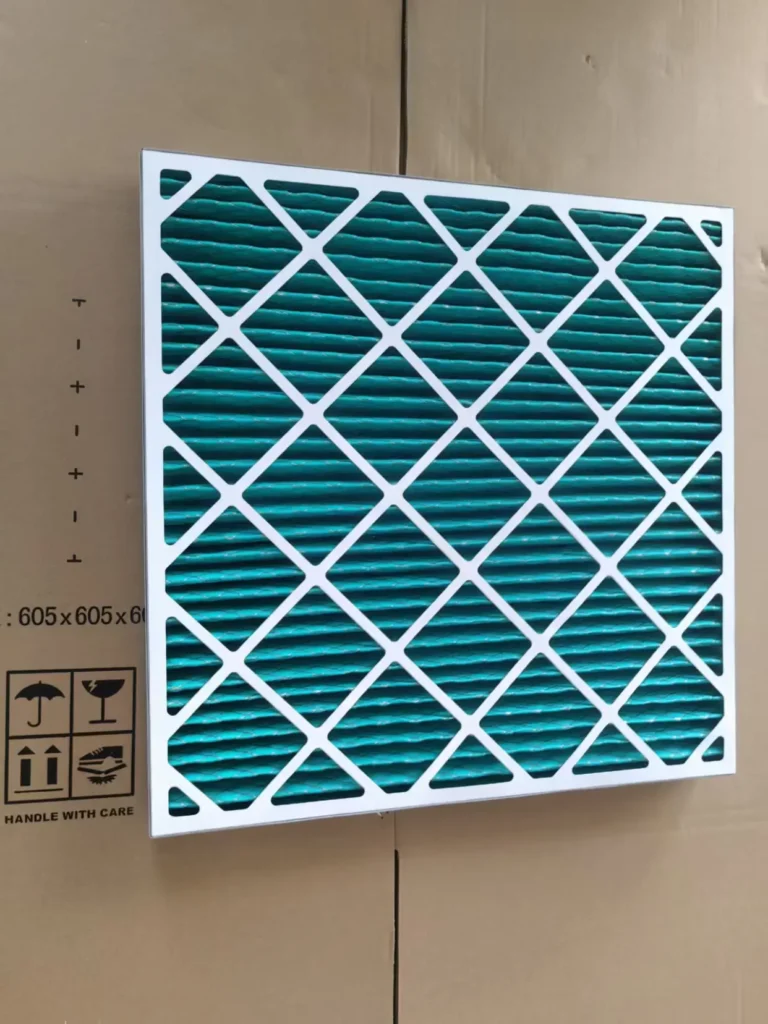
Understanding how an air filter works requires looking at its efficiency score. We design our filter media around standardized ratings to ensure you get predictable particle capture without choking your HVAC system equipment.
What MERV Ratings Mean
MERV stands for Minimum Efficiency Reporting Value. The scale runs from 1 to 16 for standard air filters, measuring how effectively the media traps airborne particles sized between 0.3 and 10 microns.
- MERV 1–4: Basic protection against large dust, pollen, and carpet fibers.
- MERV 5–8: Traps mold spores, dust mites, and pet dander. Perfect balance for standard residential HVAC systems.
- MERV 9–12: Captures finer contaminants like auto emissions, fine dust, and pollen.
- MERV 13–16: High-efficiency filtration targeting bacteria, smoke particles, and sneeze droplets.
To pick the right efficiency level for your facility or home, review our complete guide to MERV air filter ratings.
Comparing HEPA vs Standard HVAC Ratings
While standard MERV ratings cover most residential and commercial HVAC applications, HEPA (High-Efficiency Particulate Air) filters operate on a different performance scale.
| Filter Category | Efficiency Rating | 0.3-Micron Particle Capture | Typical Application |
|---|---|---|---|
| Standard HVAC | MERV 8 to 13 | 20% to 75% | Residential & Commercial HVAC |
| HEPA Filter | True HEPA (MERV 17+) | 99.97% minimum | Hospitals, Cleanrooms, Air Purifiers |
True HEPA media restricts airflow significantly more than standard pleated filters. Installing a true HEPA directly into a regular home HVAC blower often strains the motor due to severe resistance.
Balancing Filtration Efficiency and System Airflow
Choosing an air filter isn’t just about picking the highest MERV rating available. Denser filter media increases resistance to airflow, creating a higher pressure drop across your air circulation system.
- Excessive Pressure Drop: Strains the blower motor, freezes AC coils, and increases energy costs.
- Optimal Airflow Balance: Maintains high indoor air quality while allowing proper system ventilation.
We recommend matching your equipment specs with our MERV ratings and pressure drop chart to find the ideal balance between clean air and peak system efficiency.
Key Applications of Air Filters
As an air filter manufacturer, we design filter media tailored to specific airflow demands and operating environments. While the core mechanics remain consistent—capturing airborne particles and contaminants—the physical design and efficiency levels vary based on application.
Residential HVAC Systems
In home heating and cooling setups, air filters serve a dual purpose: protecting sensitive mechanical components and improving overall indoor air quality.
- System Protection: Prevents heavy dust build-up on blower motors and coils to maintain smooth air circulation.
- Health Benefits: Traps pollen, mold spores, and household dust before air moves through ductwork.
- Optimized Airflow: Requires balancing high filtration efficiency with low airflow resistance. Read more on choosing the right home HVAC filter to avoid unnecessary strain on your blower system.
Standalone Room Air Purifiers
Portable air purifiers deliver localized air cleaning in specific rooms where central HVAC coverage falls short.
- Targeted Allergen Removal: Captures fine dust, pet dander, and pollen in bedrooms, nurseries, or office spaces.
- Dense Filter Media: Employs high-efficiency media to trap ultrafine particles.
- Hybrid Defense: Frequently pairs mechanical filtration layers with activated carbon to neutralize odors and gas contaminants.
Automotive Cabin and Engine Filters
Vehicles rely on two specialized filtration setups to protect mechanical systems and passenger health from harsh outdoor environments.
| Filter Type | Primary Function | Key Contaminants Targeted |
|---|---|---|
| Engine Air Filter | Shields the combustion chamber from abrasive debris | Dirt, road grit, leaves, heavy particulate |
| Cabin Air Filter | Purifies air entering the passenger compartment | Pollen, brake dust, soot, seasonal allergens |
Installing high-grade cabin air filters protects vehicle occupants from inhaling toxic exhaust fumes and road allergens while driving.
How to Choose the Right Air Filter for Your Home
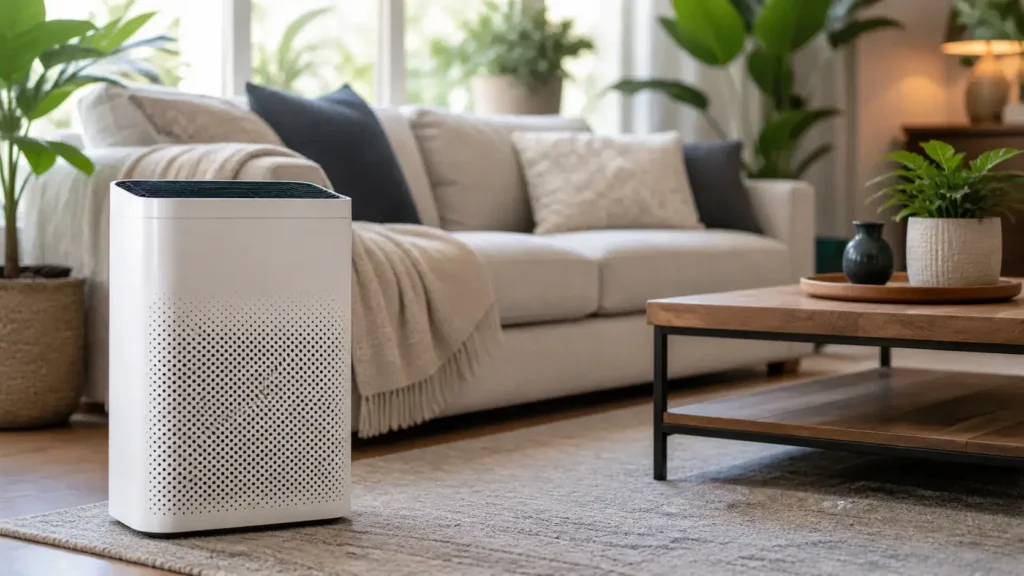
Finding the right filter for your HVAC system comes down to matching your equipment specifications with your personal indoor air quality goals. As an air filter manufacturer, we recommend focusing on three practical steps to get the best performance without straining your system.
Determining the Correct Size and Dimensions
A filter that doesn’t fit correctly lets unfiltered air pass right around the edges, letting contaminants settle directly on your HVAC equipment.
- Check the Frame: Look at the cardboard frame of your existing filter for printed dimensions (Width x Length x Thickness).
- Nominal vs. Actual: Printed dimensions are rounded numbers. Always verify by measuring your air filter size nominal vs actual dimensions so you don’t buy a filter that is too loose or too tight for the slot.
Selecting the Ideal MERV Rating for Your Needs
The Minimum Efficiency Reporting Value (MERV) scale rates how effectively a filter traps airborne particles ranging from large dust to microscopic smoke.
| MERV Range | Particle Capture Capability | Recommended Use Case |
|---|---|---|
| MERV 1–4 | Dust, lint, carpet fibers | Basic system protection |
| MERV 5–8 | Mold spores, dust mites, pet dander | Standard home air quality |
| MERV 9–12 | Fine dust, smog, auto emissions | Homes with pets or mild allergies |
| MERV 13–16 | Bacteria, fine allergens, smoke | High-efficiency indoor air protection |
Choosing Filters for Specific Concerns Like Pets or Allergies
Different households face different air quality challenges. Select your filter media based on your specific health and lifestyle needs:
- Pet Owners: Pet dander and shedding fur can quickly clog air circulation systems. Upgrading to high-capacity furnace filters for homes with pets keeps airflow smooth while trapping pet hair and airborne dander.
- Allergy and Asthma Sufferers: Look for pleated media rated MERV 11 or higher to perform effective allergen removal against microscopic pollen, spores, and dust mite debris.
- Odor and Smoke Removal: For homes prone to cooking smells, tobacco smoke, or wildfire air, select filters with an added layer of activated carbon to neutralize gases alongside mechanical filtration.
Air Filter Maintenance and Replacement
Proper maintenance ensures your filtration setup delivers clean air without straining your system. As an air filter manufacturer, we design filter media to balance high dust-holding capacity with continuous airflow, but regular filter replacement remains crucial for long-term efficiency.
Common Signs of a Dirty Air Filter
When airborne particles build up on the surface, your system shows clear signs of stress:
- Reduced Air Circulation: Weak airflow coming from supply vents.
- Spike in Energy Bills: A heavy dust cake forces the blower motor to pull harder against an elevated pressure drop.
- Dust Near Vents: Excess dust accumulates around grilles and surfaces inside your home.
- Overheating System: Restricted air causes heating or cooling equipment to cycle off prematurely.
How Often Should You Replace Your Air Filter?
Replacement schedules vary based on media thickness, household pets, and environmental conditions:
| Filter Type | Replacement Interval | Ideal Application |
|---|---|---|
| Standard 1-Inch Pleated | Every 30 to 90 days | Standard residential HVAC systems |
| Deep-Pleat (4-5 Inch) | Every 6 to 12 months | High-efficiency residential & commercial setups |
| Washable / Reusable Media | Clean every 30 days | High-dust or specialty equipment |
Knowing how often to change your 20x25x4 air filter prevents system strain while preserving indoor air quality across every season.
Simple Steps to Clean or Replace an Air Filter
- Power Down the System: Turn off your unit at the thermostat and breaker switch before servicing.
- Remove the Old Filter: Open the access panel and carefully slide out the dirty media to prevent dust from spilling.
- Inspect the Frame: Check for air leaks or damage around the filter housing.
- Install or Wash:
- For disposable units, slide in a new filter with the directional airflow arrows facing the blower.
- For washable setups, following proper steps for cleaning a reusable metal mesh air conditioning filter ensures complete dirt removal without damaging the mesh.
- Seal and Power On: Replace the housing cover securely and restart your equipment.