Overview of Bag-in/Bag-out (BIBO) Filter Costs
Bag-in/Bag-out (BIBO) filtration systems are essential hazardous air containment units designed to isolate toxic, biological, or pharmaceutical contaminants during filter changes. Understanding how much do bag in bag out filters cost requires looking at both the initial housing equipment and recurring replacement consumables.
Average Price Range for BIBO Housing and Filters
Costs vary based on airflow capacity, filtration efficiency, and structural material. Below is a breakdown of standard market pricing:
| System Component | Price Range (USD) | Primary Function |
|---|---|---|
| BIBO Containment Housing | $2,500 – $15,000+ | Sealed stainless steel unit for safe filter isolation |
| Gel Seal HEPA Filter Replacement | $350 – $1,200 | Primary high-efficiency particle collection (99.97%+) |
| ULPA Filter Replacement | $600 – $1,800+ | Ultra-low penetration air purification equipment |
| BIBO Change-Out Bag Set | $100 – $400 | Heavy-duty PVC containment bag and securing straps |
Key Factors That Influence BIBO Filter Pricing
- Airflow Capacity & System Size: Higher air flow rate handling (e.g., 1,000 to 2,000+ CFM) requires larger housing units and multi-bay configurations, increasing the overall cost.
- Filter Efficiency Rating: Standard HEPA media is more economical than specialized gel seal HEPA filters or 99.999% ULPA filters used in biohazard exhaust systems.
- Housing Construction Material: Heavy-gauge 304 or 316L stainless steel housings equipped with integrated pressure test ports carry a higher price tag than painted carbon steel units.
- Compliance Standards: Specialized containment systems manufactured to ASME N509/N510 or strict pharmaceutical GMP standards incur higher production and certification costs.
Upfront Equipment vs. Long-Term Maintenance Expenses
- Upfront Capital Expenditure (CAPEX): Accounts for 60%–70% of initial spend, covering the primary containment housing, isolation dampers, structural framing, and initial system integration.
- Long-Term Operational Expenditure (OPEX): Encompasses scheduled HEPA filter replacement, single-use bag change-out kits, annual DOP leak certification, and hazardous waste disposal fees for contaminated media.
Price Breakdown by BIBO System Components
Understanding how much bag in bag out filters cost requires evaluating both the upfront housing structures and the recurring consumables. Total containment system cost varies based on construction materials, sizing, and air purification equipment specs.
Containment Housing System Unit Costs
The main containment housing represents the largest single equipment expense in a hazardous air containment installation.
- Single-Stage Standard Housing: $2,500 to $6,000. Typically fabricated from coated carbon steel or 304 stainless steel for standard industrial processes.
- Multi-Stage Housing Units: $6,000 to $15,000. Designed to hold pre-filters alongside primary HEPA filters in a single filter housing unit.
- Custom / High-Risk Housings: $15,000 to $30,000+. Heavy-gauge 316L stainless steel units built for nuclear or biohazard exhaust system applications.
Equipment size directly correlates with air flow rate handling. Calculating system requirements based on the velocity of bag filters prevents over-specifying housing size and controls initial capital expenditure.
HEPA and ULPA Replacement Filter Costs
Filter media elements drive the ongoing industrial air filter cost in cleanroom filtration systems.
| Filter Type | Price Range (Per Unit) | Common Application |
|---|---|---|
| Standard HEPA Filter (99.97%) | $300 – $600 | General containment and exhaust air |
| Gel Seal HEPA Filter (99.99%) | $500 – $850 | High-containment pharmaceutical processes |
| ULPA Filter (99.999%+) | $700 – $1,500 | Microelectronics and critical bio-isolation |
| Inlet Outlet / Glovebox Filter | $150 – $450 | Small-scale containment hoods |
The baseline ULPA filter price remains higher than standard HEPA options due to the denser media micro-structure and strict leak-testing standards required during production.
Replacement Bag and Change-Out Kit Pricing
Maintaining total isolation during the filter changing procedure requires dedicated polymer bags and sealing hardware.
- Standard PVC Replacement Bag Set: $40 to $150 per bag, depending on port diameter and wall thickness.
- Complete Change-Out Kits: $100 to $300, including heavy-duty bags, security cinch straps, and seal tools.
- OEM-Specific Replacement Bags: Specialty units, such as a Labconco replacement bag or custom isolation hood filter bags, run $120 to $250.
As a direct bag filter manufacturer, we recommend keeping full change-out kits on site to prevent downtime during scheduled HEPA filter replacement cycles.
Main Factors Impacting BIBO Filter Systems Cost
Filter Efficiency and Media Specifications
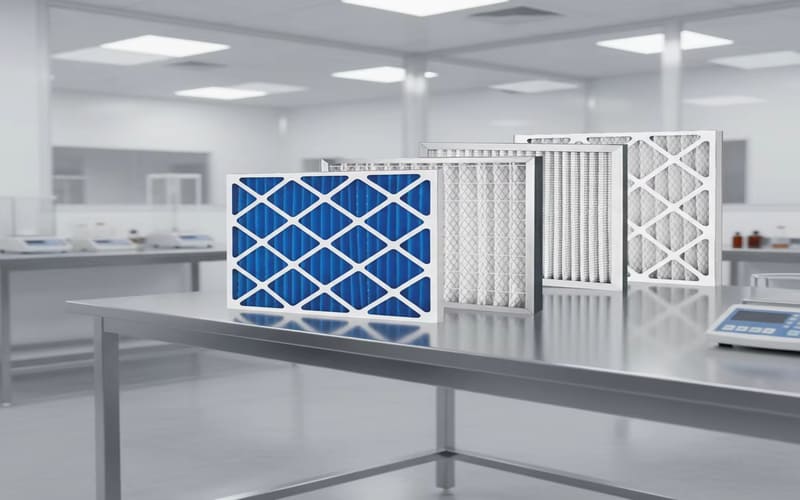
Filter media performance drives a major portion of the overall bag in bag out filters cost. Upgrading from a basic pre-filter to a gel seal HEPA filter or ULPA unit increases price due to specialized micro-glass fiber media and stringent factory leak testing.
- Gasket vs. Gel Seal: Gel seal HEPA options cost 15% to 25% more than standard neoprene gasket models because they deliver zero-bypass isolation in hazardous air containment applications.
- Filter Grade: Standard 99.97% HEPA filters sit at a base price point, while 99.999% ULPA media commands a premium.
- Resistance Balances: When selecting media, comparing filters for resistance and efficiency helps balance initial equipment costs with fan energy consumption over time.
Airflow Capacity and System Size
Required air flow rate and physical dimension requirements directly scale system pricing. Higher CFM ratings require wider housing footprints, heavier structural framing, and multiple filter cells installed in parallel.
| Airflow Capacity (CFM) | Module Configuration | Price Impact |
|---|---|---|
| Up to 1,000 CFM | Single-cell (1×1) | Standard Baseline |
| 1,000 – 4,000 CFM | Multi-cell (1×2 / 2×2) | Moderate Increase (+60–110%) |
| 5,000+ CFM | Multi-train Modular Array | High Premium (+150%+) |
Materials, Construction, and Compliance Standards
Structural design choices dictate long-term durability and initial manufacturing expenses.
- Housing Material: Heavy-gauge 304 stainless steel offers reliable corrosion resistance. Upgrading to 316L stainless steel for aggressive chemical or pharmaceutical environments adds a 30% price premium, while epoxy-coated carbon steel serves as the budget baseline.
- Weld Integrity: Continuously welded containment housing units tested for negative-pressure vacuum retention cost more due to specialized quality assurance and non-destructive weld testing.
- Regulatory Certifications: Compliance with nuclear-grade standards (ASME N509/N510) or specialized biohazard exhaust system protocols increases engineering, documentation, and compliance costs.
Additional Costs to Consider During Installation and Maintenance
Purchasing housing hardware is only one portion of your overall bag-in-bag-out filters cost. Maintaining total hazardous air containment requires budgeting for expert setup, ongoing validation, and specialized waste streams.
Professional Installation and System Integration Costs
Integrating a containment housing unit into existing infrastructure requires skilled technicians to guarantee leak-tight seals and balanced airflow.
- Ductwork Integration: Connecting a BIBO unit to central air handling unit filters or local biohazard exhaust system ductwork runs $1,000 to $3,500, depending on custom transition flanges and spatial constraints.
- Controls & Pressure Monitoring: Wiring differential pressure transmitters into facility automation systems adds $1,200 to $3,000 in specialized labor.
- Initial On-Site Leak Testing: Pre-operational decay and pressure testing typically adds $500 to $1,500 to verify containment before active deployment.
Routine Testing, Certification, and Leak Audits
Regulated facilities must perform regular audits to verify filter media integrity and housing seals under operating conditions.
- Annual Certification Audits: Certified technicians perform in-situ aerosol challenge testing (PAO/DOP), costing $600 to $1,500 per filter bank annually.
- Sensor Calibration: Testing and recalibrating magnehelic gauges or digital pressure sensors costs $200 to $500 per audit.
- Compliance Documentation: Nuclear and pharmaceutical facilities often budget $1,000+ per year for formal validation records and quality assurance reporting.
Disposal and Hazardous Waste Handling Fees
Used filters trap active compounds, viruses, or toxic particulates. Every filter changing procedure must account for strict disposal protocols.
- Hazardous Waste Transport: Certified transport services charge $300 to $1,500 per pickup based on waste classification.
- Incineration and Landfill Surcharges: Contaminated HEPA or ULPA media carries processing fees averaging $75 to $250 per filter. Following proper air filter disposal and recycling guidelines helps prevent regulatory fines and unneeded waste surcharges.
- Change-Out Consumables: Heavy-duty replacement bags, cinching straps, and single-use operator PPE kits run $100 to $350 per change-out cycle.
Comparing BIBO Filter Brands and Manufacturers
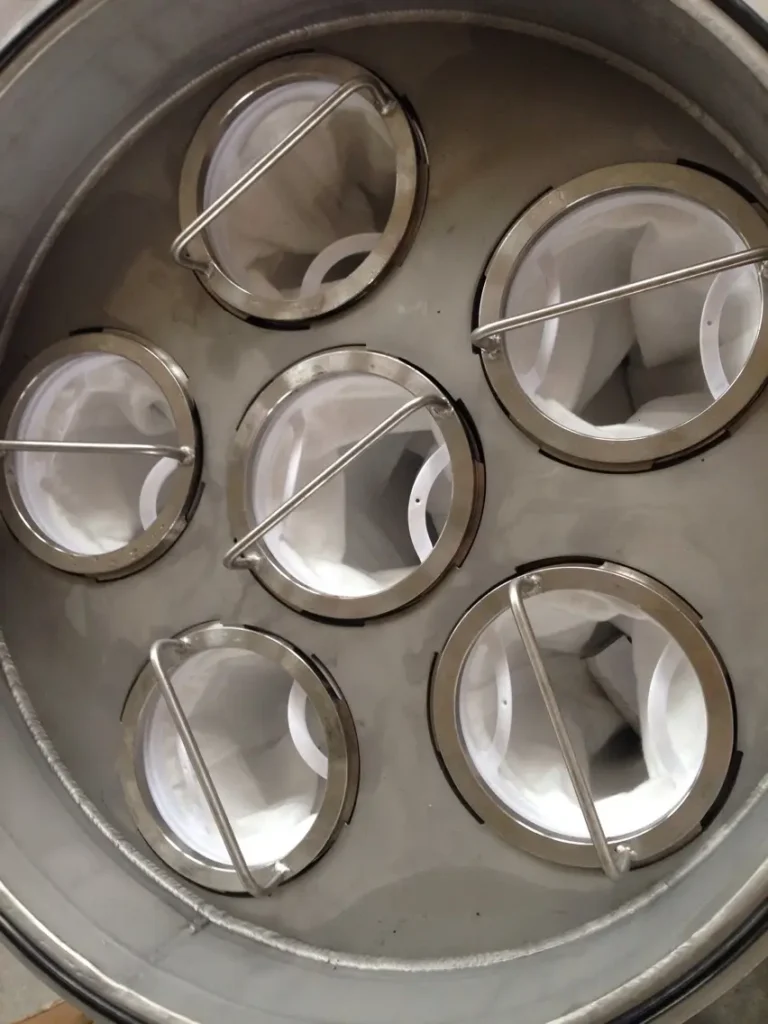
As an established containment system manufacturer, we recognize that brand reputation, material standards, and regional production directly dictate how much do bag in bag out filters cost on the global market.
High-End vs. Budget BIBO System Manufacturers
Choosing between premier-tier manufacturers and budget-conscious suppliers comes down to certification requirements, material grade, and long-term housing longevity. High-end containment systems utilize heavy-gauge 316L stainless steel with full ASME N510 compliance, whereas budget alternatives leverage 304 stainless steel or heavy powder-coated steel for standard biohazard air purification equipment.
| System Metric | Premium System Manufacturers | Budget / Standard Manufacturers |
|---|---|---|
| Average Housing Unit Cost | $5,000 – $15,000+ | $1,800 – $4,500 |
| Construction Material | 316L Stainless Steel (Heavy-Gauge) | 304 Stainless Steel / Powder-Coated Steel |
| Certification & Testing | ASME N510, ISO 14644, Nuclear Grade | Factory Bubble-Tight Pressure Test |
| Target Application | BSL-3/BSL-4 Labs, High-Purity Pharma | BSL-2 Labs, R&D Facilities, Industrial Exhaust |
When evaluating global suppliers, comparing established top air filter manufacturers in the UK against competitive regional producers like air filter manufacturers in Malaysia helps you balance strict regulatory compliance with overall equipment costs.
Custom vs. Standard Off-the-Shelf BIBO Units
Ordering standard off-the-shelf filter housing unit configurations keeps initial capital expenditure low, but custom engineering is frequently required for specialized cleanroom filtration layouts.
- Standard Off-the-Shelf BIBO Housing ($2,000 – $6,000): Prefabricated to fit standardized filter sizes (such as 24″x24″x12″ cells) with basic gasket or gel seal mechanisms. Lead times average 1 to 3 weeks.
- Custom Engineered BIBO Systems ($8,000 – $25,000+): Built to order to handle multi-stage HEPA filter replacement arrangements, specialized isolation dampers, integrated leak-testing ports, and unique airflow capacities. Lead times range from 6 to 12 weeks.
How to Estimate Total Cost of Ownership (TCO) for BIBO Systems
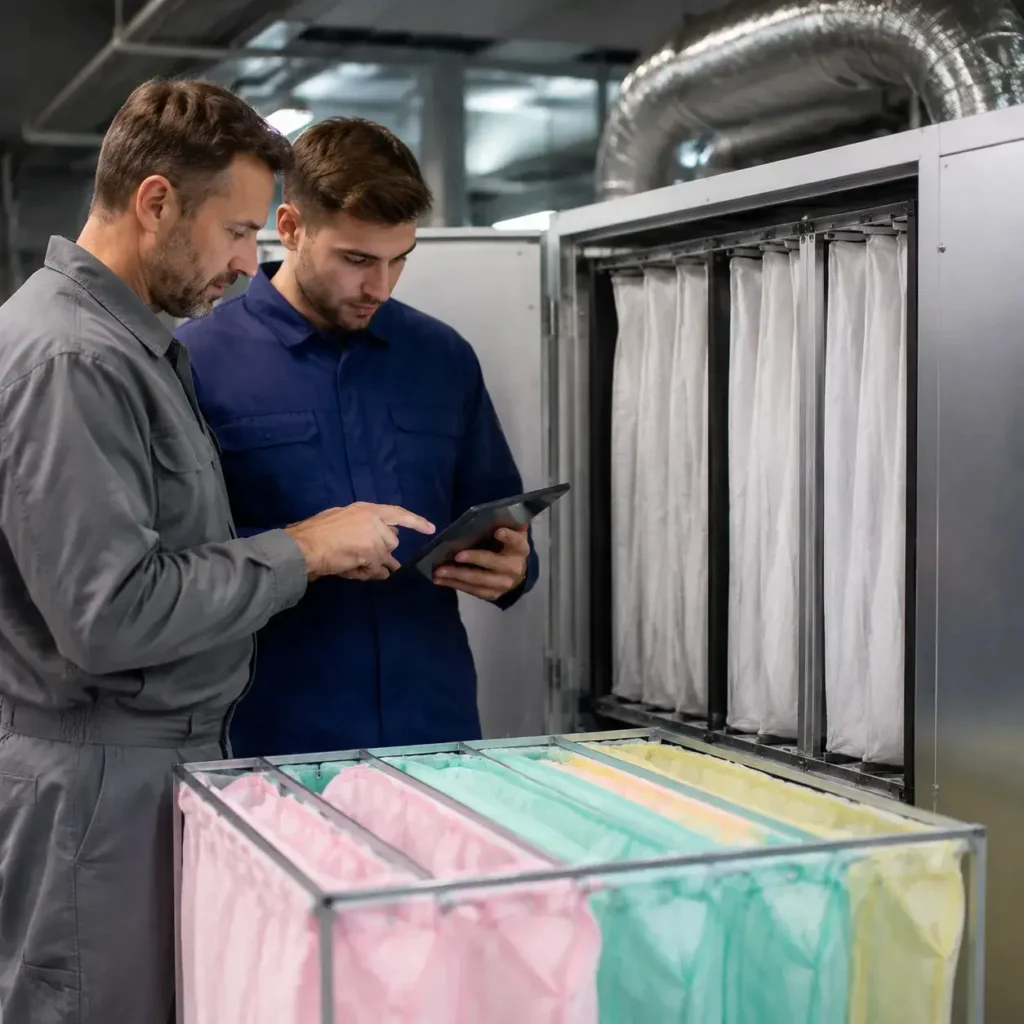
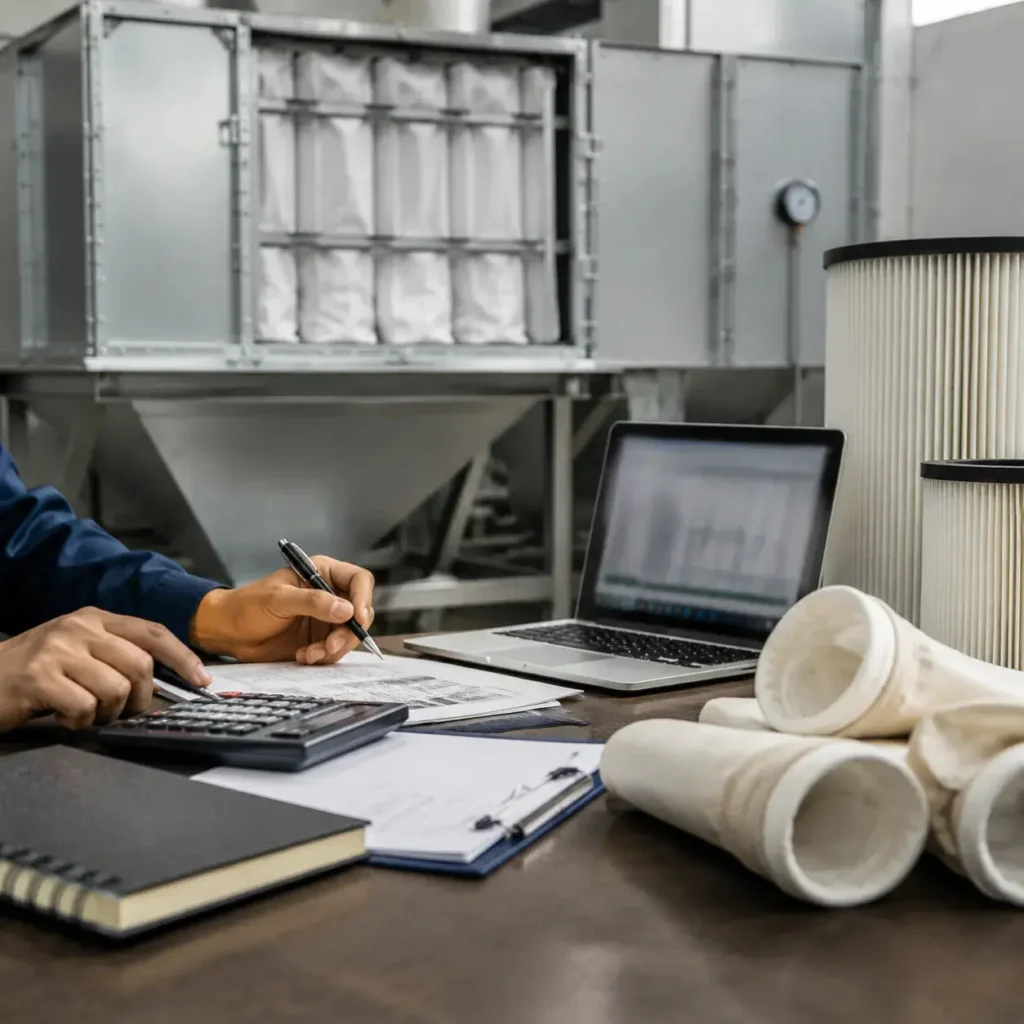
As a specialized filter manufacturer, we always remind clients that focusing strictly on upfront housing pricing distorts your actual operating budget. Calculating how much do bag in bag out filters cost over their full lifecycle requires analyzing routine media changes, containment accessories, and power consumption.
Calculating Annual Filter Replacement Costs
Annual budgets depend heavily on dust loading and media specifications. Understanding what bag filters are used for in high-containment workflows helps establish realistic replacement schedules:
- Pre-Filters: Swapped 2 to 4 times per year ($50 – $150 each).
- HEPA Filter Replacement Units: Replaced every 1 to 3 years ($300 – $1,200 each).
- Replacement Bag Kits: Replaced during every service cycle ($40 – $100 per kit).
- Certification & Disposal: Third-party leak audits and hazardous waste fees ($500 – $2,000 per change-out).
Energy Efficiency and Operational Overhead
Airflow resistance directly drives operational utility costs. As filter media loads with particulates, static pressure increases, forcing blowers to draw more power to maintain target air flow rates.
- Blower Energy Costs: Operating against high resistance increases electricity consumption exponentially over a 24/7 operating cycle.
- Pre-Filter Optimization: Quality pre-filtration protects downstream primary filters. Ensuring upstream HVAC air intake filters save money and improve efficiency keeps energy draw predictable and extends HEPA service life.
- Maintenance Downtime: Fast-seal replacement bag kits minimize facility downtime during hazardous filter changing procedures.
Buyer’s Guide: How to Choose the Right BIBO Filter System for Your Budget
Choosing the right containment system requires balancing initial purchase prices with strict safety compliance. When calculating how much do bag in bag out filters cost for your facility, focus on operational safety and total system compatibility rather than just the initial equipment price tag.
Assessing Containment Needs for Chemical and Medical Applications
Your industry’s containment requirements directly drive both initial containment housing pricing and ongoing replacement expenses.
| Application | System Requirements | Ideal Filter Specs | Budget Impact |
|---|---|---|---|
| Medical & Bio-Pharma | Full hazardous air containment, air-tight isolation hoods | Gel seal HEPA filter or ULPA media | Higher initial cost; strict audit and testing requirements |
| Chemical Processing | Corrosion-resistant stainless steel housing, chemical vapor control | Heavy-duty HEPA filter replacement with carbon pre-filtration | Moderate equipment cost; frequent pre-filter change-outs |
| General Cleanroom | Basic negative pressure containment, standard dust filtration | Standard fluid seal or gasket HEPA | Most cost-effective entry point and lower maintenance |
To maximize the lifespan of critical downstream HEPA media, integrate primary air filters for dust control to capture heavy particulate before it hits your containment unit.
Tips for Sourcing Quality Replacement Bags and Filters
Smart sourcing keeps maintenance costs predictable without sacrificing operator safety during hazardous filter changing procedures.
- Verify Bag Construction: Select heavy-duty PVC replacement bag set options fitted with security straps to prevent accidental tears during change-outs.
- Match Airflow Specs: Ensure replacement units match your system’s exact air flow rate design to prevent pressure drops and premature blower wear.
- Source Direct: Working directly with an experienced bag filter manufacturer eliminates distributor markups on routine HEPA filter replacement supplies.
- Standardize Housing Sizes: Standardizing unit dimensions across your facility reduces spare parts inventory costs and bulk purchase pricing.