Ever wonder what’s actually lingering in the air you breathe every single day?
From invisible dust mites and stubborn pet dander to silent chemical toxins, your indoor air is often more polluted than the air outside.
That’s where a high-performance air purifier comes in.
But what does an air purifier do, exactly—and how do you choose one that actually works instead of just blowing air around?
In this complete guide, you’ll learn the exact science behind how these devices trap airborne viruses, eliminate foul odors, and clear out nasty allergens. I’ll break down CADR ratings, filter types, and the key benefits of purifying your space so you can finally breathe easy.
How Does an Air Purifier Work?
At its core, an air purifier improves indoor air quality by continuously circulating air through a specialized filtration system designed to trap microscopic airborne pollutants before re-releasing clean, healthy air back into your space.
The Air Purification Process
The purification cycle relies on a simple yet highly effective mechanical process:
- Air Intake: An internal fan draws surrounding ambient air into the unit.
- Filtration: The air passes through one or multiple physical filter layers, capturing particles of varying sizes.
- Clean Air Delivery: The sanitized air is pushed back out into the room, reducing the overall concentration of indoor contaminants.
Common Types of Air Filters
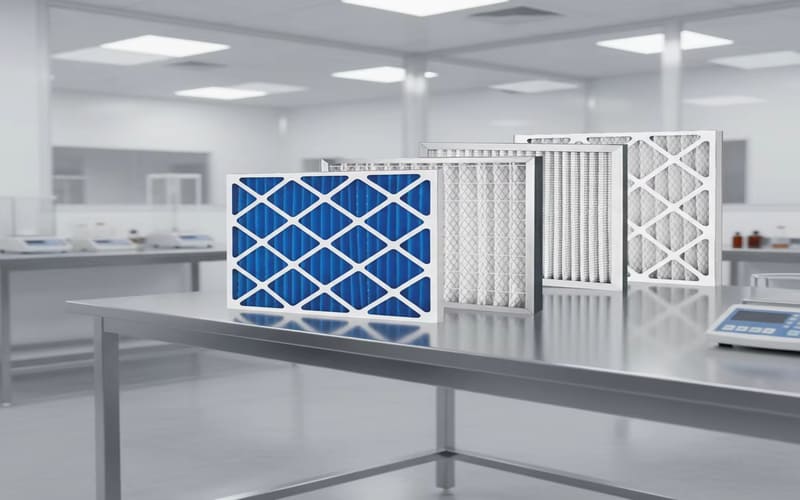
As a leading air purifier filter manufacturer, we engineer filtration media to target specific airborne hazards:
| Filter Type | Primary Target | Key Function |
|---|---|---|
| Pre-Filter | Dust, hair, pet fur | Traps large debris to extend the lifespan of internal filters. |
| HEPA Filter | Pollen, pet dander, mold spores, fine dust | Captures 99.97% of airborne particles down to 0.3 microns. |
| Activated Carbon Filter | Smoke, volatile organic compounds (VOCs), odors | Neutralizes gases and unpleasant odors through adsorption. |
| UV-C / Antibacterial Coating | Airborne viruses, bacteria, germs | Neutralizes organic pathogens to prevent bio-growth. |
Understanding CADR Ratings
Clean Air Delivery Rate (CADR) measures an air purifier’s overall performance speed. Expressed in cubic feet per minute (CFM) or cubic meters per hour (m3/h), CADR indicates how quickly a unit removes specific pollutants like pollen, dust, and smoke from a designated room size. A higher CADR rating means faster air turnover and superior room coverage.
What Pollutants Do Air Purifiers Remove?
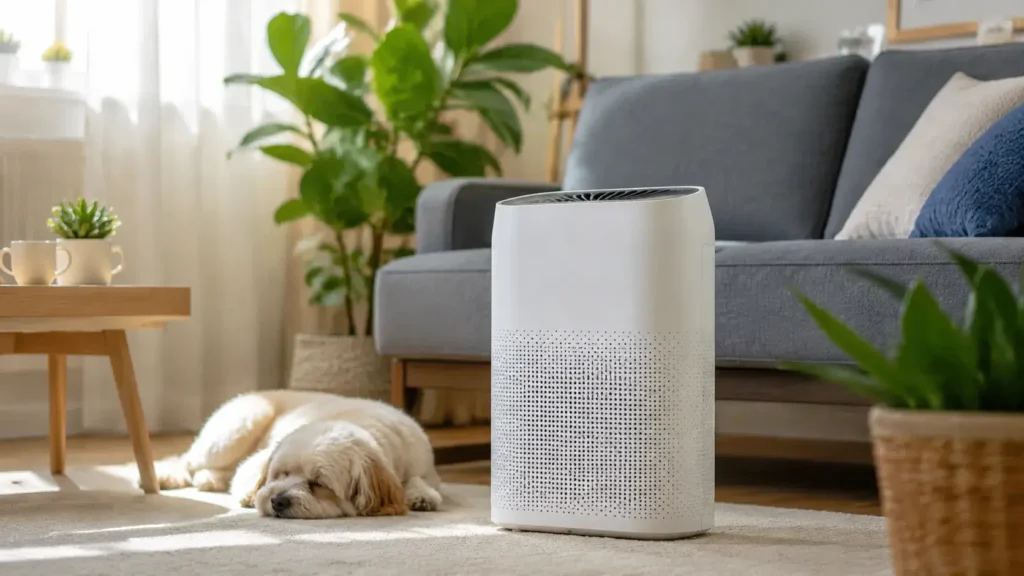
If you are wondering what does an air purifier do to protect your health, the answer lies in its ability to capture a wide range of airborne contaminants. As an air purifier filter manufacturer, we design systems that target both visible particles and invisible indoor pollutants to keep your breathing zone clean.
Eliminating Allergens and Dust Buildup
Airborne allergens can make breathing a struggle. High-efficiency filters pull these microscopic triggers out of your living space before they settle on your furniture or floors: Dust & Pollen: Traps seasonal pollen and everyday household dust. Pet Dander: Captures the tiny, lightweight skin flakes shed by cats and dogs. Mold Spores: Prevents airborne mold spores from multiplying indoors.
Trapping Airborne Viruses and Bacteria
An effective air purifier helps limit the spread of airborne diseases by physically trapping microscopic pathogens as air circulates through the system. Airborne Viruses: Intercepts tiny aerosol droplets carrying viral pathogens. Bacteria: Catches harmful bacteria to maintain a cleaner, more sanitary indoor environment.
Neutralizing Unpleasant Odors and Smoke
Standard particulate filters cannot stop smells. To neutralize stubborn, unpleasant odors, we utilize advanced carbon filtration designed for heavy-duty gas adsorption. Smoke Extraction: Rapidly clears thick smoke haze from wildfires or tobacco. Everyday Smells: Neutralizes lingering kitchen, garbage, and pet odors. Solution: For targeted elimination of stubborn fumes, utilizing a specialized air filter for indoor smoke and odor control ensures your living space stays smelling fresh.
Reducing Harmful Chemicals and VOCs
Household cleaners, new furniture, paints, and building materials constantly off-gas invisible toxins into your home. VOCs (Volatile Organic Compounds): Capture chemical gases like formaldehyde, benzene, and toluene. Aerosols & Sprays: Traps synthetic chemical particles released from aerosol cans and household disinfectants.
Key Benefits of Using an Air Purifier
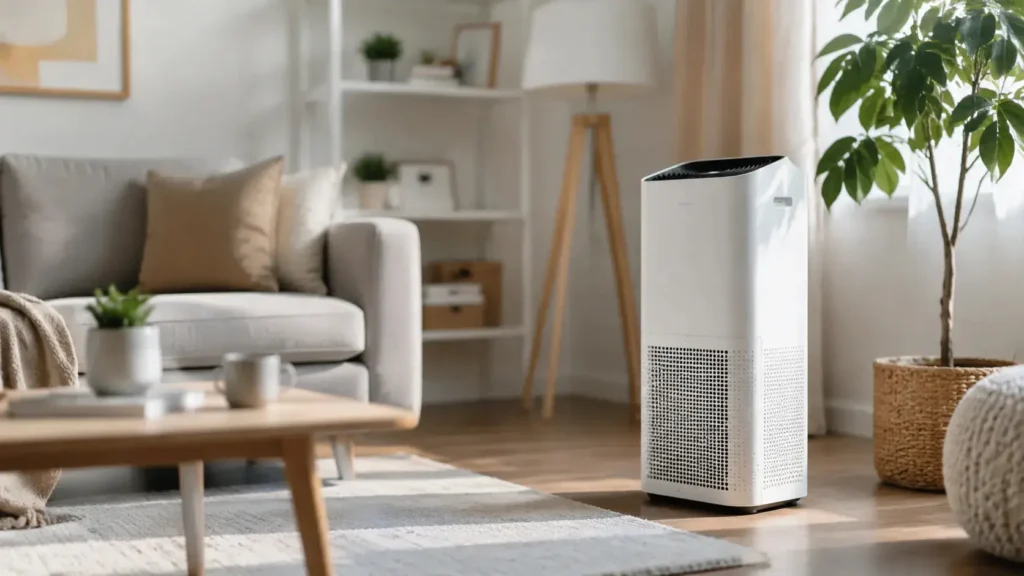
As a dedicated air purifier filter manufacturer, we see firsthand how trapping microscopic particles transforms your indoor climate. Beyond simply moving air, high-efficiency filtration directly impacts your physical well-being. If you are currently deciding on the best setup for your home, understanding the difference between an air filter and an air purifier can help you maximize these health advantages.
Alleviating Asthma and Allergy Triggers
Airborne allergens like pollen, dust mites, and pet dander constantly float through our living spaces. An air purifier continuously pulls these tiny particles out of circulation. By capturing these pollutants before they settle on surfaces or make their way into your lungs, you significantly reduce the daily exposure that triggers asthma attacks and seasonal allergies.
Improving Overall Sleep Quality
Breathing clean air is a prerequisite for deep, restorative sleep. When your bedroom air is loaded with dust and micro-allergens, your immune system stays on low-grade alert, often leading to nighttime congestion, coughing, or a dry throat. Continuous filtration removes these sleep disruptors, allowing you to wake up feeling genuinely rested.
Creating a Safer Environment for Children and the Elderly
Developing lungs in children and the sensitive respiratory systems of older adults are highly vulnerable to indoor air pollution. Fine particulate matter (PM2.5) can bypass natural defenses and penetrate deep into the lungs. Keeping a reliable purifier running in shared family spaces creates an essential protective barrier for the people who need it most.
Summary of Health and Wellness Benefits
| Focus Area | Target Pollutants | Direct Impact |
|---|---|---|
| Allergy Relief | Pollen, dust mites, mold spores, pet dander | Stops coughing, sneezing, and watery eyes. |
| Sleep Quality | Fine dust, airborne irritants, odors | Reduces nighttime congestion for deeper sleep. |
| Vulnerable Care | PM2.5, bacteria, smoke particles | Protects sensitive, developing, or aging lungs. |
Main Types of Air Purifiers to Consider
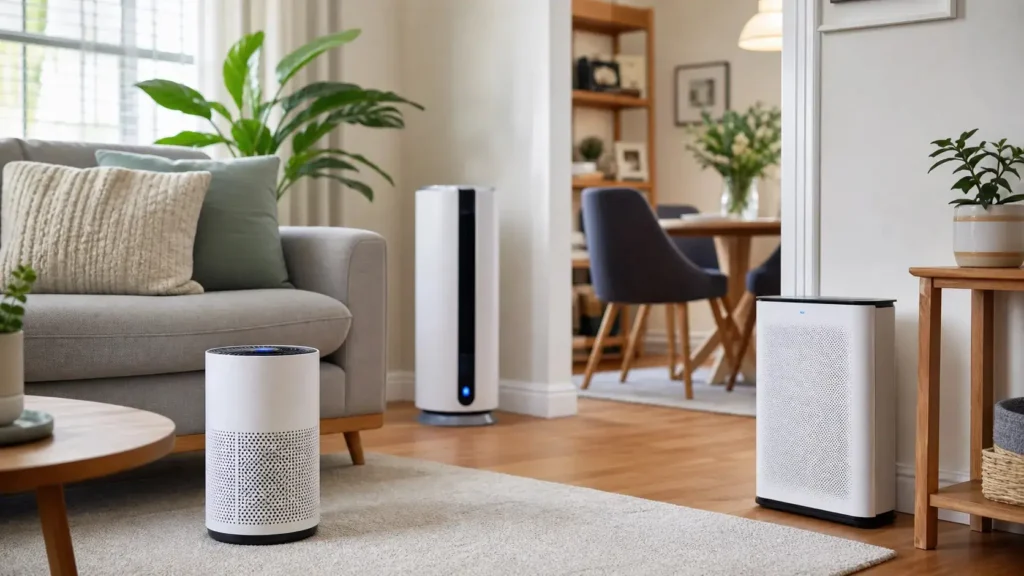
When deciding on the best way to clean your indoor air, you will generally choose between localized coverage or a fully integrated system. Both options rely on a high-quality internal filter and a built-in fan to draw in dirty air, capture harmful particles, and release fresh air back into your living space.
Portable and Room-Size Air Purifiers
Portable air purifiers are the most common and versatile home appliances for targeted air cleaning. These standalone units are designed to handle the room size of specific spaces, such as bedrooms, offices, or living rooms.
- Targeted Filtration: They are highly effective at trapping pet dander, dust, and pollen right where you spend the most time.
- Flexible Placement: You can easily move them from room to room based on where you need to eliminate chemicals, smoke, or lingering odors.
- Easy Maintenance: They use accessible, easy-to-replace filters. Knowing what a HEPA filter is in air purifiers will help you choose the right replacement media to keep these portable units running at peak efficiency.
Whole-House Air Purification Systems
For comprehensive control over your entire indoor climate, whole-house air purifiers are integrated directly into your home’s existing HVAC ductwork.
- Continuous Whole-Home Coverage: These systems clean the air in every room simultaneously whenever your heating or cooling system runs.
- Seamless Integration: They stay out of sight, operating quietly behind the scenes without taking up physical floor space in your living areas.
- Advanced Respiratory Protection: By treating the air at the source, they prevent airborne virus transmission, dust buildup, and other indoor pollutants from circulating throughout the entire house, significantly boosting your family’s overall respiratory health.
How to Choose the Right Air Purifier
Selecting the right home appliances for your specific air quality needs ensures you get clean air without wasting energy or overspending. Here is how to pick the perfect unit for your space.
Matching Room Size and Coverage Area
An air purifier must match the volume of the room to clean the air effectively. Look at the recommended room size and the Clean Air Delivery Rate (CADR) to find the right fit:
| Room Type | Average Square Footage | Recommended CADR Rating |
|---|---|---|
| Small (Bedrooms, Offices) | 100 – 150 sq. ft. | 100+ |
| Medium (Living Rooms, Kitchens) | 250 – 400 sq. ft. | 250+ |
| Large (Open Concept Spaces) | 500+ sq. ft. | 350+ |
Evaluating Maintenance and Filter Replacement Costs
The long-term cost of an air purifier depends heavily on its internal filter replacement schedule. Before buying, evaluate the type of filters the unit uses and how often they require changing.
For example, understanding the difference between carbon vs standard air filters helps you plan your maintenance budget, as odor-neutralizing carbon filters need more frequent replacement than standard particulate filters. As an experienced air purifier filter manufacturer, we always advise checking filter availability and pricing beforehand to ensure your system continues to capture dust, pollen, and other contaminants efficiently.
Comparing Key Features and Noise Levels
The best air purifiers balance high-performance filtration with user-friendly features:
- Noise Level: Look for units with a “Sleep Mode” that runs the internal fan at a whisper-quiet level (under 30 dB) to improve sleep quality.
- Smart Sensors: These monitor indoor pollutants in real time and automatically adjust the fan speed to clear the air quickly.
- Filter Indicators: A built-in alert tells you exactly when it is time for a replacement, preventing airflow restriction and maintaining respiratory health.
Best Practices for Getting the Most Out of Your Air Purifier
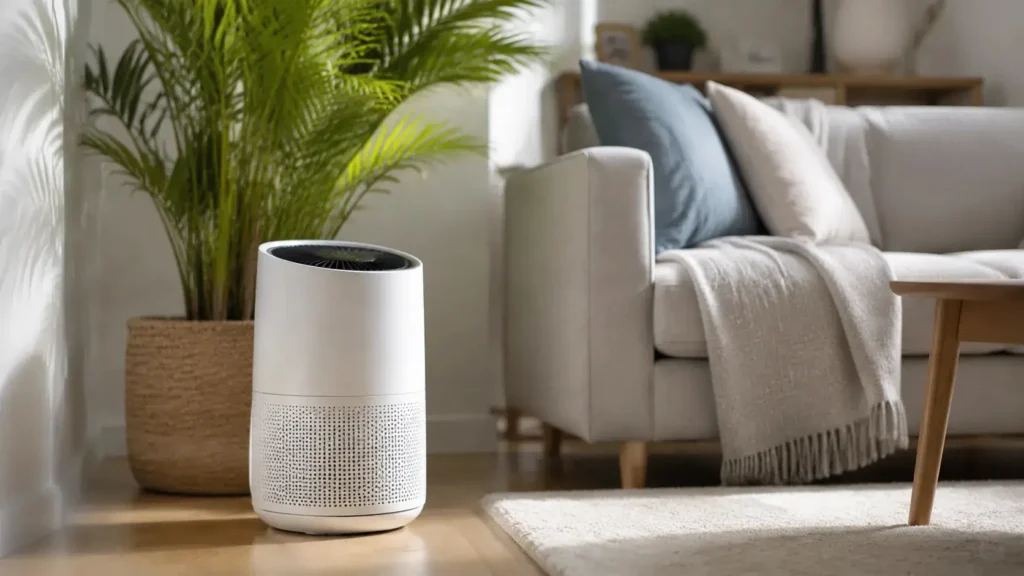
Buying a high-quality unit is only half the battle. To truly experience what an air purifier does to clean your indoor air, you need to set it up for success. As a dedicated air purifier filter manufacturer, we know exactly how to maximize your device’s performance.
Where to Place Your Purifier for Maximum Efficiency
Positioning dictates how well the internal filter and fan can pull in dirty air and distribute clean air. Follow these simple placement rules:
- Keep it in the open: Place the unit at least 1 to 3 feet away from walls, curtains, and furniture. Blocking the intake vents restricts airflow.
- Elevate for dust and pollen: Placing your portable air purifier on a table or nightstand helps it capture airborne particles before they settle on the floor.
- Target pollution hot spots: Put the device near high-traffic areas, pet beds, or electronics that attract dust.
When and How Long to Run Your Device
Air cleaning is a continuous process. For the best results, keep these operational tips in mind:
- Run it 24/7: Indoor pollutants like pet dander, mold spores, and dust constantly accumulate. Leaving your purifier on a low speed all day ensures consistent filtration.
- Use auto mode: Many modern home appliances feature auto modes that adjust the fan speed based on real-time air quality.
- Track your filter life: Continuous operation means your filters will eventually fill up. Knowing how often to change your air purifier filter is critical to prevent clogging, maintain clean airflow, and protect your home’s respiratory health.
Frequently Asked Questions About Air Purifiers
Are air purifiers safe to run all night?
Yes, air purifiers are specifically designed for continuous, round-the-clock operation.
- Low Energy Consumption: Modern units use highly efficient motors that draw minimal power, similar to a small fan.
- Continuous Protection: Keeping the device active overnight ensures a constant cycle of clean air, preventing the buildup of nighttime allergens, dust, and asthma triggers while you sleep.
- Quiet Operation: Most high-quality units feature a dedicated “Sleep Mode” that dims lights and lowers the fan speed to maintain quiet, uninterrupted rest.
Do air purifiers help with pet odors and mold?
Yes, but their effectiveness depends entirely on the filter type used inside the machine.
- Mold Spores: High-efficiency particulate filters excel at capturing airborne mold spores before they can land and colonize on surfaces.
- Pet Odors and Dander: While standard filters trap physical pet hair and dander, neutralizing unpleasant odors requires an activated carbon filter. This specialized carbon layer chemically binds to odor molecules to neutralize them.
To get the most out of your device, understanding what is the best air filter configuration for your specific home environment is key to successfully targeting both particulate matter and stubborn odors.
What are the limitations of an air purifier?
While highly effective, air purifiers are not a complete cure-all for indoor air quality issues. Knowing their limits helps you set realistic expectations:
- No Effect on Settled Pollutants: They can only capture harmful particles while they are suspended in the air. Once dust, pollen, or pet dander settles onto carpets, bedding, or furniture, a purifier cannot pull them back up—you will still need to vacuum and dust regularly.
- Cannot Remove Active Mold Sources: A purifier traps airborne spores but will not kill or remove mold colony growth on walls, ceilings, or damp surfaces.
- Limited Fresh Air Intake: They clean and recirculate existing indoor air but do not introduce outdoor oxygen or replace the need for proper home ventilation.