Understanding Air Filter Dimensions: The 3-Number System
When you look at a residential filter, you will almost always see three numbers stamped on the side of the frame. This is the industry-standard sizing system used by every major brand, from Carrier filters to aftermarket options like Filterbuy.
Understanding this code is the first step toward proper HVAC maintenance and improving your indoor air quality.
Breaking Down the Code: Length x Width x Thickness
The three numbers on your home air filters represent specific measurements, always listed in the exact same order:
- First Number: Length (in inches)
- Second Number: Width (in inches)
- Third Number: Thickness (in inches)
For example, if you see 20x20x1, it means the filter is 20 inches long, 20 inches wide, and 1 inch thick. Other heavily manufactured standard sizes we produce include 16x25x1, 16x20x1, and 20x25x1.
The Thickness Factor: Why 1-Inch Is the Residential Standard
The 1-inch thickness is the undisputed standard for the vast majority of residential homes.
- Compatibility: Most standard slot openings and return vent grilles are structurally designed to hold a 1-inch deep filter.
- Airflow Balance: A 1-inch filter provides the ideal balance of air filtration and unrestricted airflow for standard residential HVAC blowers.
- System Design: While larger commercial systems or specialized media cleaners use thicker 2-inch or 4-inch deep pleats, standard wall and ceiling vents are strictly built for 1-inch replacement filters.
If you are performing a routine furnace replacement or basic system tune-up, a 1-inch furnace filter is almost certainly what your system requires.
Nominal Size vs. Actual Dimensions: The HVAC Trap
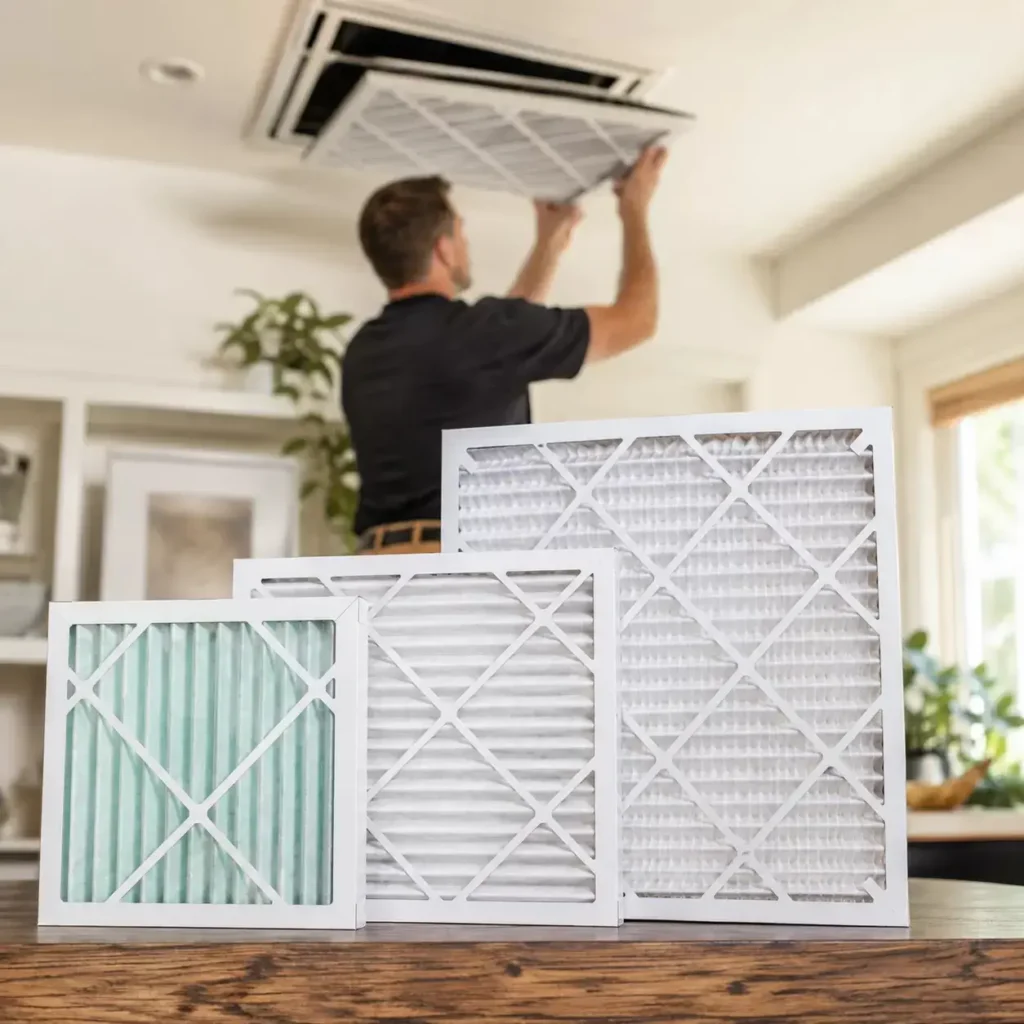
Shopping for the most common air conditioner air filter sizes can quickly become frustrating if you do not understand the difference between nominal and actual dimensions. This is the single biggest trap homeowners fall into when buying replacement filters, and it often leads to returns or poor system performance.
What is Nominal Size?
The nominal size is the printed, bold label you see on the front of the filter box (such as 20x20x1).
- It represents a rounded-up marketing number.
- It is designed to help you quickly identify which filter slot your system uses.
- It does not reflect the exact physical measurements of the product.
What is Actual Size?
The actual dimensions represent the precise physical measurements of the filter down to the fraction of an inch.
- A filter labeled as 20x20x1 typically has an actual size of 19.5×19.5×0.75 inches.
- These measurements are usually printed in smaller text right next to the nominal size.
Why the Gap Exists
We manufacture residential filters slightly smaller than the slot itself to provide crucial structural clearance. This fraction-of-an-inch gap ensures that you can easily slide the filter into the HVAC intake or return vent without bending, tearing, or jamming the frame.
Pro Tip: Before ordering, check out our complete guide on what size air filter you need to avoid the headache of buying the wrong match.
The Danger of Guessing: How Air Bypass Ruins Your HVAC
Guessing your filter size or forcing the wrong fit creates massive issues for your indoor air quality and system efficiency.
- Air Bypass: If a filter is too small, air takes the path of least resistance and flows right around the sides of the frame instead of going through the pleats.
- System Damage: This unfiltered air carries dust, pet dander, and debris directly onto your HVAC coils, causing your system to work harder, spike your energy bills, and eventually fail.
- Loose Fits: A loose fit causes the filter to rattle loudly every time the furnace or AC cycles on.
| Measurement Type | What It Means | Where to Find It | Purpose |
|---|---|---|---|
| Nominal Size | Rounded estimate for shopping | Large print on the box label | Quick identification |
| Actual Size | Precise physical dimensions | Small print on the filter edge | Ensuring a snug, functional fit |
The Ultimate Air Filter Size Chart
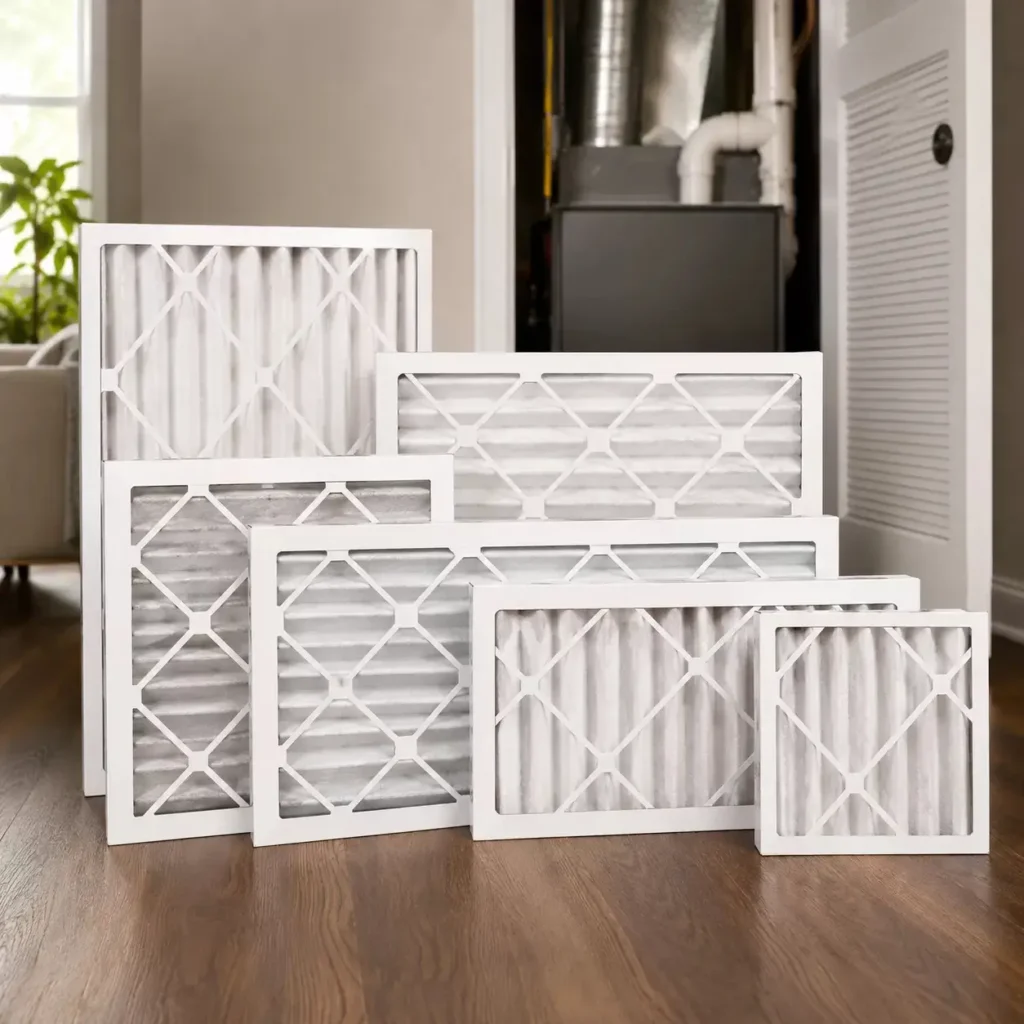
Finding the right dimensions for your HVAC system shouldn’t be a guessing game. While there are dozens of variations on the market, a few standard sizes dominate most residential systems. Whether you are replacing a filter in your AC return vent or swapping out a beefier media filter directly at the furnace, matching the exact size is critical for maintaining indoor air quality and system efficiency.
Understanding where your filter goes also helps clarify the thickness you need. While many people wonder about the structural differences between an air filter vs furnace filter, the main practical distinction lies in their location and size. Return vent filters are typically 1-inch thick and easily accessible on your walls or ceilings, whereas dedicated furnace filters or media filters are often housed in the basement or utility closet and can range up to 4 inches in thickness to handle higher air volumes.
Comprehensive Residential Sizing Table
The table below outlines the standard nominal sizes manufactured for residential homes.
| Thickness | Most Common Nominal Sizes (Length x Width) | Typical Application |
|---|---|---|
| 1-Inch | 16x20x1, 16x25x1, 20x20x1, 20x25x1, 12x12x1, 14x20x1, 14x25x1 | Standard AC Return Vents & Wall Grilles |
| 2-Inch | 16x25x2, 20x20x2, 20x25x2 | Light Commercial & Heavy-Duty Residential |
| 4-Inch | 16x25x4, 20x20x4, 20x25x4 | High-Efficiency Media Filter Cabinets |
Highlighting the “Core Four”
While the chart covers the standard spectrum, four specific dimensions rule the residential HVAC market. Manufacturers produce these sizes in massive quantities because they fit the vast majority of modern homes:
- 16x20x1
- 16x25x1
- 20x20x1
- 20x25x1
If your system uses one of these “Core Four” sizes, replacements are highly affordable and readily available. If your system requires something outside of these dimensions, you will likely need to look into specialized or custom-sized options to ensure a proper fit.
How to Find and Measure Your Air Filter Size
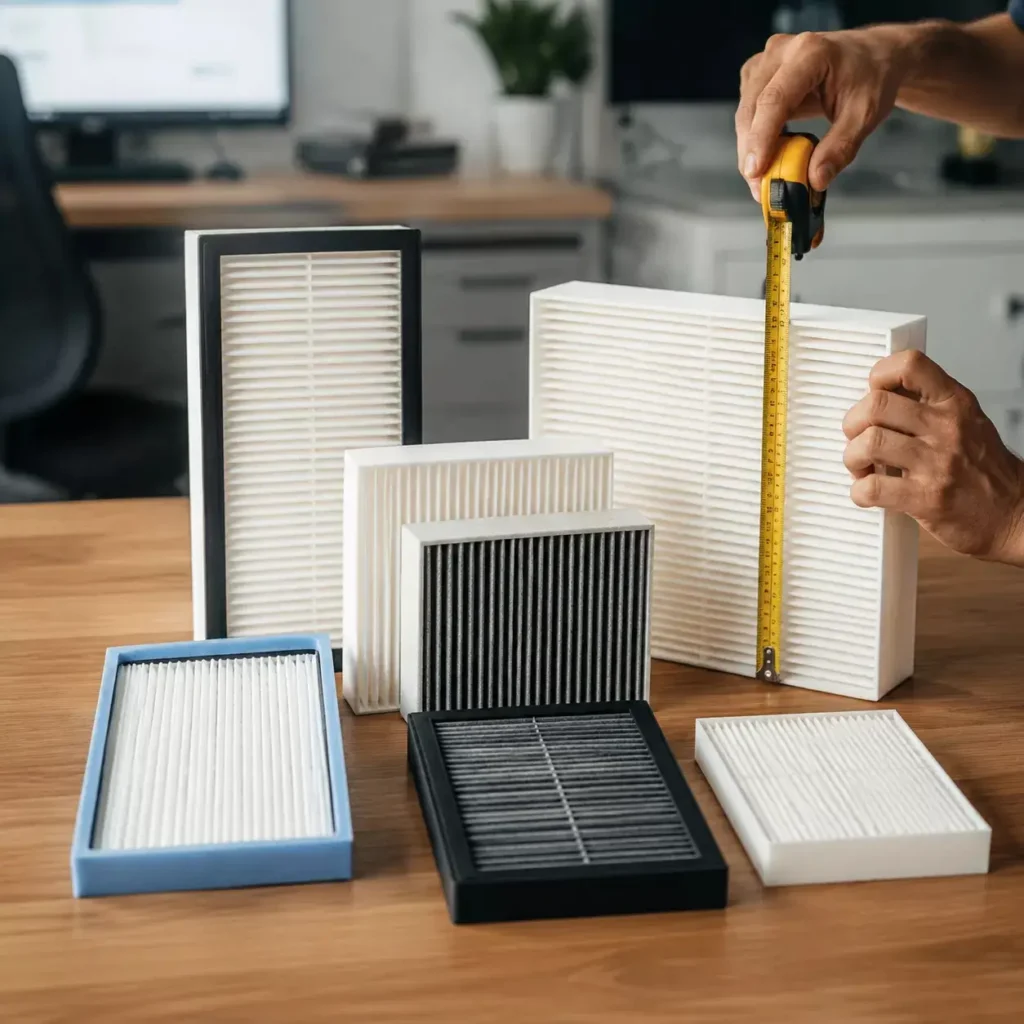
Finding the right replacement filters for your HVAC system doesn’t require a technician. If you use the wrong size, you risk damaging your system and lowering your indoor air quality. We recommend two direct methods to get the exact dimensions you need.
Method 1: Check Your Existing Filter Frame
The absolute easiest way to find your size is to look at the filter currently inside your system.
- Turn off your HVAC unit for safety.
- Slide out the current filter.
- Look at the cardboard frame—the nominal size (e.g., 20x20x1 or 16x25x1) is printed right on the edge.
Method 2: Measure the Physical Slot or Return Vent
If the printing on your old filter has faded, or if it was the wrong size to begin with, you need to measure the physical space. Use a firm measuring tape to measure the length, width, and depth of the actual intake slot or return vent.
The Golden Rule: Rounding Up to Nominal Size
When measuring the slot, you will likely get fractional numbers (like 19½×19½×3/4 inches). These are the actual dimensions of the space.
The Golden Rule: Round your physical measurements up to the nearest whole inch to find your standard nominal size. For example, a slot measuring 19½×19½×1/4 takes a standard 20x20x1 filter.
What to Do If You Have a Custom Size System
If your measurements do not align with standard sizes on a typical filter chart, you likely have a unique setup. As a dedicated manufacturer, we regularly build custom sizes to fit these exact scenarios. Do not force a standard filter into a space that is too small, and never leave gaps that let unfiltered air bypass the system. If you find your filters are constantly packed with debris during measurement, it is also a great time to review how often to change your air filter to keep your HVAC maintenance on track.
Beyond Size: Selecting the Right Performance Filter for Your Home
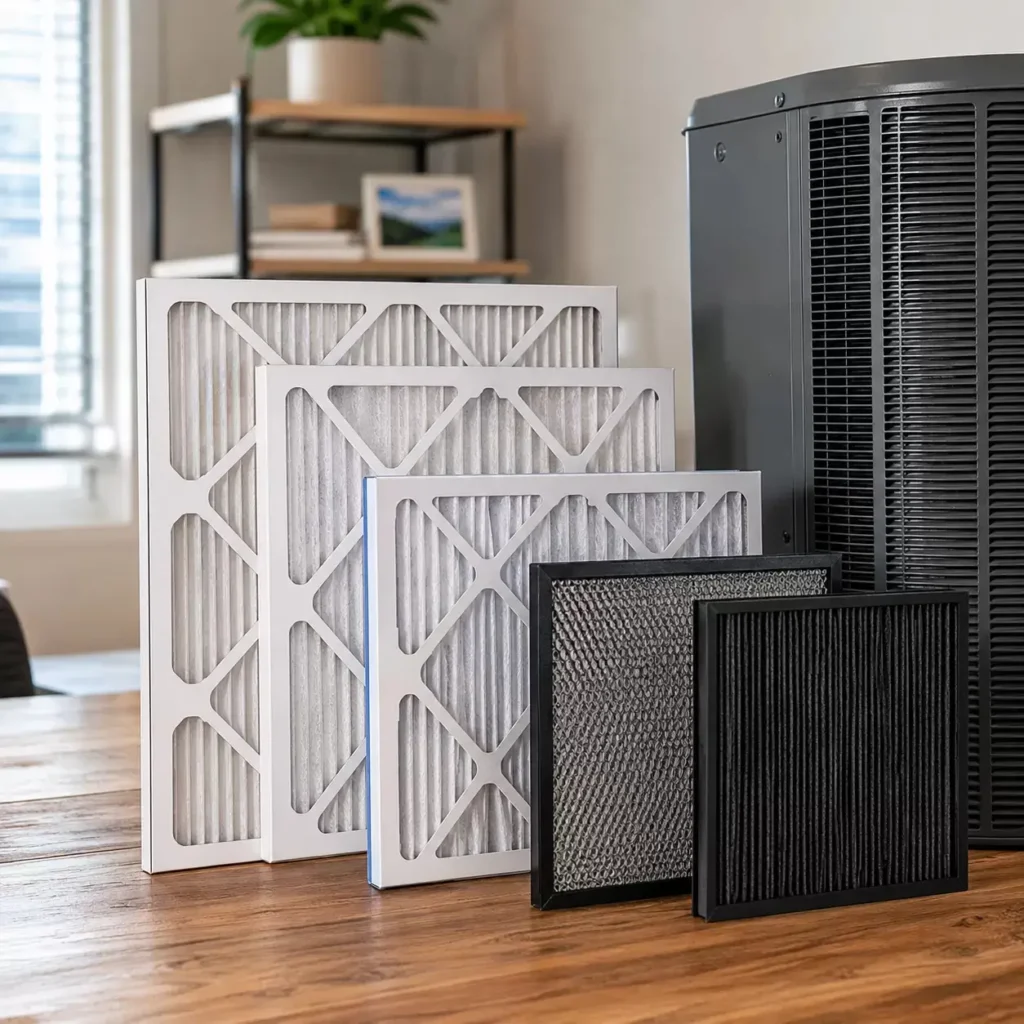
Finding the right physical fit is only half the battle; choosing the right performance level directly impacts your indoor air quality and HVAC efficiency.
Decoding the MERV Rating System
The Minimum Efficiency Reporting Value (MERV) scale rates a filter’s ability to trap airborne particles. Ratings range from 1 to 16 for residential systems, with higher numbers capturing smaller particles. Balancing filtration needs with system airflow is vital for proper HVAC maintenance.
Residential MERV Ratings At a Glance
| MERV Rating | Filtration Level | Best Suited For | Target Particles |
|---|---|---|---|
| MERV 8 | Basic | Standard homes without pets | Dust, lint, pollen, dust mites |
| MERV 11 | Mid-Range | Homes with pets or mild allergies | Pet dander, car emissions, mold spores |
| MERV 13 | Premium | High-allergy households, wildfire smoke | Bacteria, smoke, virus carriers, microscopic allergens |
- MERV 8: Basic Dust and Lint Filtration: This is the entry-level standard for modern home air filters. It keeps your HVAC equipment clean and handles everyday dust without restricting system airflow.
- MERV 11: Mid-Range Pet Dander and Pollen Protection: A step up for households with dogs or cats. It traps smaller airborne contaminants, providing a noticeable upgrade to overall indoor air quality. To learn more about selecting these efficiency levels, check out our guide on which MERV rating filter should you use for home air quality.
- MERV 13: Premium Defense Against Bacteria and Allergens: The highest recommended standard residential rating. It captures microscopic particles, making it ideal for asthma sufferers or during peak allergy seasons.
Material Comparison: Fiberglass vs. Pleated Air Filters
The material construction of your filter dictates its lifespan and capturing capability.
- Fiberglass Filters: These flat, see-through replacement filters are designed purely to protect the furnace blower motor from large debris. They offer minimal air filtration benefits, hold very little dust, and require monthly replacements.
- Pleated Air Filters: Manufactured with folds to increase surface area, pleated options trap significantly more particles without choking system airflow. They maintain their structure over a longer lifespan and offer vastly superior protection for your home environment. For a deeper breakdown of these two materials, read our comparison on pleated vs fiberglass air filters.
Common FAQs About Air Filter Sizing
How Often Should I Change My 1-Inch Filter?
For a standard 1-inch thickness residential filter, change it every 30 to 90 days. If you use basic fiberglass filters, swap them out every month. High-quality pleated air filters can last up to 3 months, but you should check them sooner if you have pets or suffer from allergies. Regular replacement filters keep your HVAC maintenance costs down and protect your indoor air quality.
Can I Use a Thicker Filter Than What I Currently Have?
No, you cannot force a 4-inch media filter into a slot built for a 1-inch thickness filter. A filter must fit perfectly within its designated slot or return vent. Forcing a larger size restricts airflow, straining your HVAC system and risking costly damage. If you want to upgrade your filtration setup, you need to look into what is the best air filter configuration that matches your system’s physical design capabilities.
What If My Size Isn’t in the Standard Chart?
If your system uses a non-standard size that doesn’t appear on a typical filter chart, you will need to order custom sizes. Many home air filters require unique dimensions to prevent air bypass. Never tape standard filters together or trim a larger nominal size to fit, as this destroys the structural integrity and ruins your air filtration efficiency.