Understanding the Science: How Filtrete Filters Work
When it comes to maintaining pristine indoor air quality, the technology inside your furnace filter makes all the difference. 3M Filtrete air filters don’t just act as a mechanical net; they use advanced physics to capture the microscopic particles that standard filters miss. By combining mechanical filtration with a permanent electrical charge, these filters attract and trap airborne contaminants out of your home’s air stream.
Electrostatic Technology vs. Standard Fiberglass Filters
Standard fiberglass filters only catch large debris like lint and heavy dust bunnies. They do very little for your health because smaller, more dangerous particles pass right through them.
3M Filtrete filters utilize exclusive electrostatic technology. The filter media acts like a magnet for airborne pollutants. As air flows through your HVAC system, the charged fibers pull in and lock down both large and submicron particles, ensuring a much higher particle filtration efficiency without restricting your system’s airflow.
| Feature | Electrostatic Pleated Filters | Standard Fiberglass Filters |
|---|---|---|
| Capture Mechanism | Magnetic attraction + Mechanical trapping | Mechanical trapping only |
| Allergen Reduction | High (Captures microparticles) | Low (Large debris only) |
| Protection Level | Dust, pollen, smoke, bacteria, and viruses | Large dust and lint |
| System Protection | Excellent long-term HVAC protection | Minimal protection |
The Anatomy of Pleated Filters
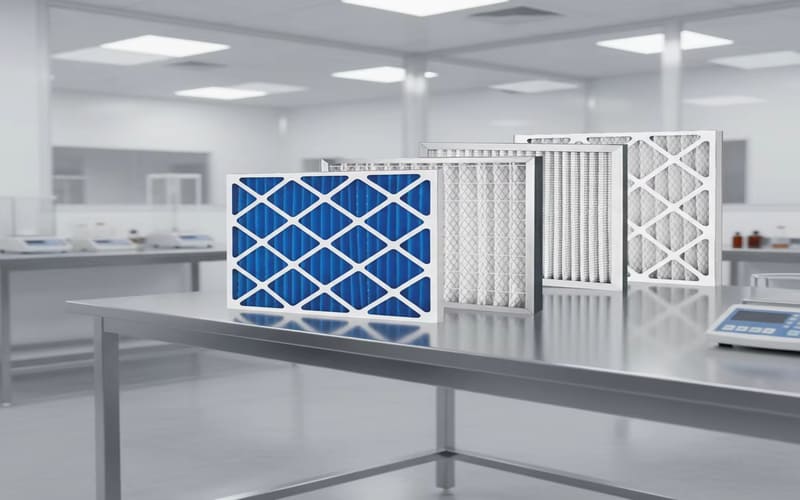
The secret to the longevity and performance of these filters lies in their structural design. Pleated filters offer a distinct advantage over flat alternatives by drastically increasing the surface area of the filter media.
- Deep Pleats: The folded design multiplies the surface area, allowing the filter to capture more dust and pollen before becoming clogged.
- Wire Backing: A robust grid support prevents the media from sagging or collapsing under the pressure of your air conditioning and heating system.
- Synthetic Fibers: The material resists moisture growth and maintains its electrostatic charge for up to three months of continuous use.
By maximizing the surface area, this smart design optimizes the balance between high-efficiency particle capture and low airflow resistance, keeping your home ventilation system running smoothly.
Demystifying Air Filter Ratings: MPR vs. MERV
When shopping for a furnace filter or air conditioning upgrade, comparing different rating systems can get confusing fast. The two most common metrics you will encounter are MPR and MERV. While they both measure particle filtration efficiency, they originate from different sources and focus on different particle sizes.
Understanding how these scales cross-reference is essential to finding the right balance between clean indoor air quality and optimal airflow resistance for your HVAC system.
What is 3M’s MPR (Microparticle Performance Rating)?
Developed by 3M for its Filtrete line, the Microparticle Performance Rating (MPR) specifically measures a filter’s ability to capture submicron particles. These are ultra-fine particles ranging from 0.3 to 1.0 microns in size—such as smoke, bacteria, fine dust and pollen. The higher the MPR rating, the more effective the filter is at trapping these microscopic airborne irritants.
What is MERV (Minimum Efficiency Reporting Value)?
The Minimum Efficiency Reporting Value (MERV) is the global standard industry rating developed by ASHRAE. It rates a filter’s overall particle filtration efficiency on a scale from 1 to 16 for residential systems. Unlike MPR, which zeroes in on submicron particles, the MERV rating evaluates performance across three different particle size ranges (0.3 to 10 microns). This makes it easier to compare standard pleated filters across different brands.
MPR to MERV Cross-Reference Guide
Because 3M uses its own proprietary system, we created this quick cross-reference guide to help you compare Filtrete filters to standard industry ratings:
| 3M Filtrete MPR | Industry MERV Rating | Primary Target Pollutants |
|---|---|---|
| 300 to 600 | MERV 5-8 | Basic dust, lint, and pollen |
| 1000 to 1200 | MERV 11 | Pet dander, mold spores, and dust mite debris |
| 1500 to 1900 | MERV 11-13 | Bacteria, smoke, and smog |
| 2200 to 2800 | MERV 13-14 | Ultrafine particles, viruses, and exhaust |
The Komtfil Approach
At Komtfil, we look past the marketing jargon to focus on straightforward performance. While international brands like 3M rely on proprietary metrics like MPR, we build our filters using high-grade, commercial-ready electrostatic technology rated directly on the universal MERV scale.
We design our premium pleated filters to deliver the exact same high-efficiency submicron particle capture as top-tier MPR filters, but without the premium brand markup. We believe clear ratings make it easier for homeowners to maintain a healthy home ventilation system. For a deeper look at specialized high-efficiency filtration, see our breakdown on MERV vs. HEPA filters to choose the right protection level for your space.
Comprehensive Breakdown of the 3M Filtrete Product Line
Choosing the right furnace filter or air conditioning upgrade means finding the sweet spot between indoor air quality goals and your budget. 3M Filtrete categorizes its lineup by MPR rating (Microparticle Performance Rating) to help you target specific airborne issues.
Here is how their main product tiers stack up for everyday home use.
Basic & Clean Living Series (Low to Mid MPR)
- MPR Ratings: 100 to 300
- Primary Focus: Basic HVAC protection
- Target Particles: Large debris like dust and pollen, lint.
- Best For: Budget-conscious homeowners who want to shield their HVAC system from heavy buildup rather than achieve intense allergen reduction. These offer the lowest airflow resistance but require frequent filter replacement to keep your system running smoothly.
Allergen Defense & Dual-Action Series (Mid to High MPR)
- MPR Ratings: 1000 to 1200
- Primary Focus: Balanced particle filtration efficiency
- Target Particles: Mold spores, pet dander, dust mite debris, and pollen.
- Best For: Households with pets or mild seasonal allergies. The pleated filters in this tier utilize advanced electrostatic technology to grab smaller particles without choking your home ventilation.
Healthy Living & Premium Ultrafine Particle Series (Highest MPR)
- MPR Ratings: 1500 to 2800
- Primary Focus: Maximum indoor air quality control
- Target Particles: Bacteria, viruses, submicron particles, and advanced smoke and odor capture.
- Best For: Individuals with severe respiratory conditions or homes in areas prone to wildfire smoke. This tier delivers the high MERV rating equivalents available in retail channels, pulling double duty as a whole-house air purifier.
The Smart Air Filter Innovation
For users who struggle to remember their maintenance schedules, 3M introduced the smart air filter line. Equipped with a Bluetooth-enabled sensor, these filters track actual airflow and usage data rather than relying on a generic calendar countdown.
Pro Tip: While a smart sensor helps track lifespan, knowing the physical differences in your equipment is just as critical. Check out our guide on air filter vs furnace filter differences to ensure you are installing the correct style for your specific setup.
The sensor syncs directly to a smartphone app to send automatic alerts when the clean air delivery rate drops, taking the guesswork out of your next replacement cycle.
The Balancing Act: Filtration Efficiency vs. Airflow Resistance
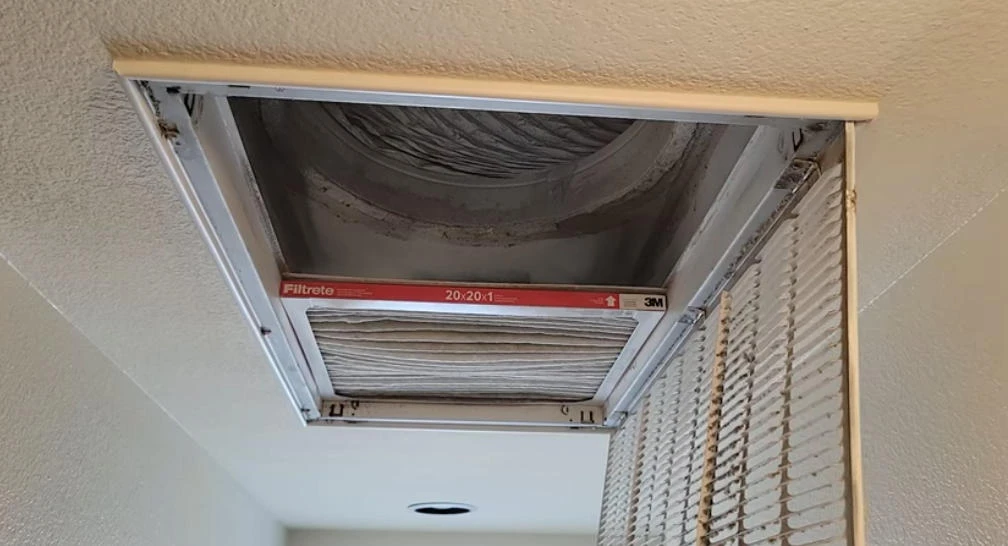
When upgrading your home’s air filtration, it is easy to assume that a higher particle filtration efficiency always equals a better furnace filter. However, trapping microscopic dust and pollen requires a tighter mesh weave. This weave naturally increases airflow resistance, forcing your HVAC system to work much harder to pull air through the house.
The Risk of Over-Filtration
Choosing an overly restrictive filter can choke your air conditioning and heating system. When airflow drops below critical levels, it triggers a chain reaction of costly mechanical issues.
- Frozen AC Coils: A lack of warm air passing over the cooling coils causes them to freeze over, cutting off cooling entirely.
- Cracked Heat Exchangers: Without proper airflow to dissipate heat, the furnace overheats, risking cracks that can leak dangerous carbon monoxide.
- Blower Motor Burnout: The fan motor strains against the high resistance, drawing more electricity and burning out prematurely.
Before upgrading to the highest possible rating, weigh the structural differences of your options. For instance, understanding the trade-offs between a synthetic vs fiberglass air filter can help you choose a media type that balances dust-holding capacity with healthy airflow.
Maintaining System Health
Protecting your equipment requires a mindful approach to filter selection and maintenance. You do not need to sacrifice indoor air quality to protect your hardware; you just need to manage the system load.
- Match System Specs: Check your HVAC manufacturer’s manual for the maximum allowable pressure drop.
- Monitor Filter Lifespans: Heavy-duty pleated filters capture more submicron particles, but when they clog, increasing resistance over time.
- Commit to Scheduled Replacements: A clean high-efficiency filter flows better than a dirty low-efficiency filter. Change them regularly to keep static pressure low.
Best Practices for Maintenance and Filter Replacement
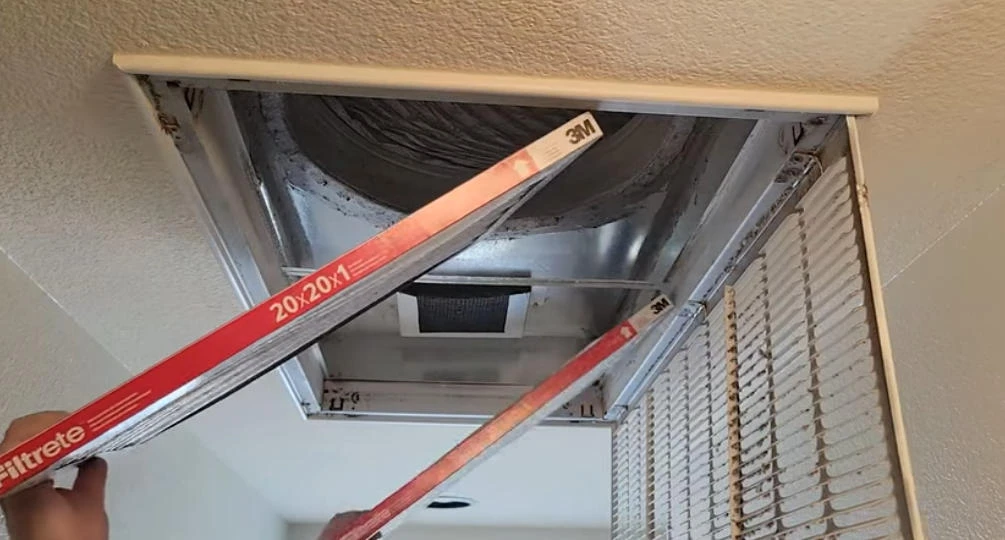
Keeping your HVAC system running efficiently requires consistent maintenance. Over time, your furnace filter traps an immense amount of dust and pollen, pet dander, and smoke. When a filter becomes overloaded, airflow resistance increases, forcing your system to work harder, driving up energy bills, and risking premature system failure. Regular filter replacement is the simplest way to protect your equipment and maintain high indoor air quality.
When to Change Your Filter
While many standard filters list a generic “three-month” lifespan, real-world conditions vary. Your replacement schedule depends on your household needs and local environment.
- Standard Homes: Check your filter every 60 to 90 days.
- Homes with Pets: Fur and dander clog pleats quickly; inspect or replace the filter every 30 to 60 days.
- Allergy and Asthma Sufferers: To maximize allergen reduction, change the filter every 30 days during peak seasons.
- Wildfire or High-Pollution Areas: Heavy smoke requires immediate replacement once the air clears to maintain optimal particle filtration efficiency.
Knowing how often to change your air filter keeps your air conditioning and heating system from suffocating under heavy dirt loads.
How to Properly Measure and Install Your Filter
An improperly sized or installed filter allows unfiltered air to bypass the media entirely, coating your HVAC coils in dust.
- Find the Nominal Size: Look at the edge of your current filter. You will see printed measurements like 20x20x1. This is the nominal size used for purchasing replacements.
- Measure the Actual Size: If the print is missing, use a tape measure to get the exact length, width, and depth. Standard filters are usually 1/4 inch smaller than their nominal labels.
- Check the Airflow Arrow: Air filters are directional. Look for the arrow printed on the frame. This arrow must point toward the furnace blower motor, away from the return air duct.
For step-by-step guidance on alignment, refer to our proper HVAC installation guide to ensure your system maintains the correct home ventilation balance.
Why Consider Komtfil as Your Premium Air Filtration Partner
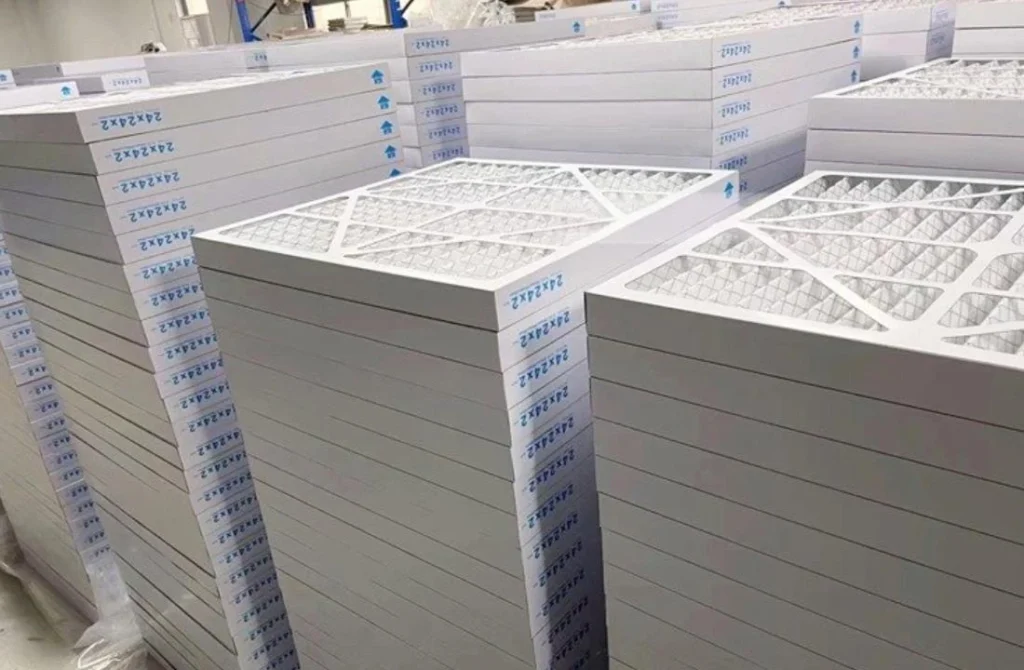
Choosing the right furnace filter or air conditioning upgrade shouldn’t feel like a guessing game between overpriced big-brand names and cheap, flimsy alternatives. At Komtfil, we bridge that gap by manufacturing high-performance pleated filters designed to optimize your indoor air quality without choking your HVAC system.
Direct-from-Manufacturer Quality
Because we design and build our filters in-house, we control every single step of the process. We use advanced electrostatic technology to ensure exceptional particle filtration efficiency, capturing everything from large dust and pollen particles to microscopic submicron particles. When you buy from us, you skip the middleman markup and get industrial-grade engineering delivered straight to your door.
Broad Compatibility
Standard homes and specialized setups alike require precise fits to avoid air bypassing the filter. Our product lineup features extensive sizing options that offer seamless compatibility with your existing home ventilation systems. Whether you are replacing a standard 1-inch furnace filter or upgrading a heavy-duty media slot, our filters slide right in with a perfect seal to maintain proper airflow resistance and peak system efficiency.
Cost-Effective Performance
High-efficiency allergen reduction shouldn’t break the bank. By streamlining our production and selling directly to you, we offer premium particle filtration efficiency at a fraction of the cost of big-box retail brands. You get the same reliable performance, high smoke and odor capture, and robust build quality while keeping your long-term filter replacement costs highly affordable.
Frequently Asked Questions (FAQs)
What MERV rating matches the 3M Filtrete MPR ratings?
Because 3M uses its own Microparticle Performance Rating (MPR), it can be confusing to compare it to the industry-standard MERV scale. Generally, a Filtrete 300 to 600 MPR corresponds to a MERV 8 rating, which is great for basic dust and pollen filtration. Moving up, a 1000 to 1200 MPR matches a MERV 11, offering better allergen reduction. If you are looking for maximum particle filtration efficiency against submicron particles, Filtrete’s 1500 to 2800 MPR aligns with MERV 13. For a complete conversion chart to help you choose the right efficiency level for your home ventilation, check out our detailed MERV vs FPR vs MPR air filter ratings guide.
Can a high MPR filter damage my HVAC system?
Yes, if your HVAC system isn’t designed to handle it. High MPR pleated filters are dense, which means they trap more contaminants but also increase airflow resistance. If the resistance is too high, it strains your furnace filter blower motor and reduces the efficiency of your air conditioning. This strain can lead to system overheating, frozen coils, and higher energy bills. We engineer our premium filters to balance high particle filtration efficiency with low resistance, protecting your equipment while keeping your air clean.
How often do I really need a filter replacement?
The standard rule of thumb for filter replacement is every 3 months, but your actual timeline depends on your household environment. You will need to change your filter more frequently if you have pets, suffer from severe allergies, or run your system constantly.
- Every 1 to 2 months: Homes with multiple pets, smoking, or severe allergy sufferers.
- Every 3 months: Average suburban homes with standard usage.
- Every 6 months: Vacation homes or single-occupant spaces with minimal activity.
To avoid restricted airflow and maintain optimal indoor air quality, you can learn more about finding your perfect schedule by reading our guide on how often to change air filter.